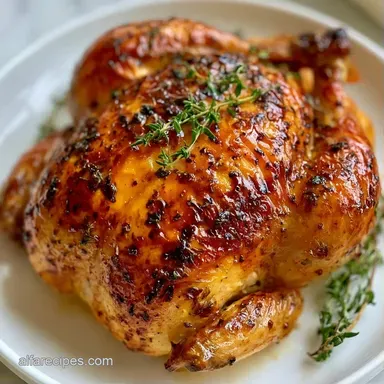
Whole Roasted Chicken Recipe: Crispy Skin
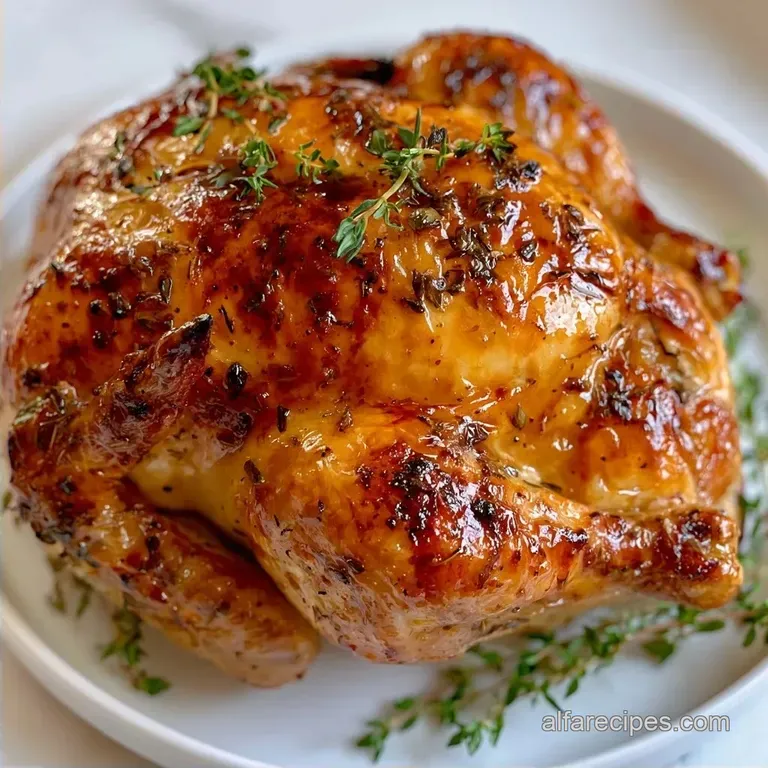
- Time:15 minutes active + 75 minutes roasting + 15 minutes resting = 1 hour 45 mins
- Flavor/Texture Hook: Shatter crisp skin with savory, herb infused juices
- Perfect for: Family Sunday dinners, beginner cooks, or a hearty mid week feast
- Best Whole Roasted Chicken Recipe
- Secret to Crispy Skin
- Essential Ingredient Breakdown
- Required Kitchen Gear
- Step By Step Process
- Fixing Common Roasting Issues
- Troubleshooting Common Issues
- Creative Flavor Twists
- Adjusting The Portion Size
- Common Roasting Myths
- Storing Your Leftovers
- Hearty Serving Ideas
- Critical Sodium Level
- Recipe FAQs
- 📝 Recipe Card
That first crack of the skin when you carve into a bird is just everything. I can still remember the first time I tried to do this for my family. I thought the secret was just "more butter," but I ended up with a bird that looked boiled and skin that felt like wet cardboard.
It was a total disaster, and we ended up ordering pizza while the chicken sat there looking sad.
But then I figured out the real trick: moisture is the enemy of crispiness. Once I started treating the skin like a science project, everything changed. Now, the smell of roasting rosemary and garlic filling the house is my favorite part of the weekend.
It's that cozy, crowded table feeling where everyone is fighting over the drumsticks.
This Whole Roasted Chicken Recipe is designed for real life. No fancy equipment, no overnight brines that take up your whole fridge, and definitely no stress. We're going for a hearty, family style meal where the vegetables cook right underneath the bird, soaking up all those golden drippings.
Trust me on this, it's the only way to do it.
Best Whole Roasted Chicken Recipe
If you've ever wondered why restaurant chickens have that deep mahogany color while yours looks pale, it's usually about the heat. Most people pick one temperature and stick with it, but that's a mistake.
By starting high and then dropping the heat, we get the best of both worlds: a seared exterior and a tender interior.
I've spent way too much time obsessing over this. For a long time, I thought I needed to buy the most expensive organic bird to get a good result. Honestly, don't even bother with the overpriced specialty stuff unless you really want to.
A standard 4-5 lb chicken from the grocery store works perfectly as long as you handle it right.
The goal here is a no fuss dinner. We're using a Dutch oven or a heavy roasting pan because it holds heat so well. When you place the chicken on a bed of carrots and potatoes, you aren't just making a side dish, you're creating a natural roasting rack that prevents the bottom of the bird from getting soggy.
Secret to Crispy Skin
The real magic here isn't about the ingredients, but how we manage the heat and moisture. If you want that shatter crisp texture, you have to be aggressive about drying the skin. Any water left on the surface will turn to steam, and steam doesn't brown. It just boils the skin.
Surface Dryness: Patting the bird dry removes surface moisture, allowing the oil to fry the skin instead of steaming it.
Thermal Shock: Starting at 425°F creates an immediate sear, locking in the look of the bird before the meat overcooks.
Fat Conduction: The olive oil and chicken fat act as a bridge, transferring heat from the oven air directly into the skin.
Carryover Heat: Resting the bird allows the internal temperature to stabilize and juices to move back into the fibers.
Since I'm a bit of a nerd about this, I've found that air drying the chicken in the fridge uncovered for a few hours is the gold standard, according to Serious Eats, but for a quick weeknight meal, a good pat down with paper towels is plenty.
| Fresh Chicken | Pre Brined/Frozen | Impact on Result |
|---|---|---|
| Natural flavor | Saltier taste | Brined birds brown faster but can be too salty |
| Better skin control | Higher moisture | Frozen birds often have "rubbery" skin |
| Precise timing | Variable timing | Fresh is more predictable for the 165°F target |
Let's talk about the veg for a second. Using baby potatoes and carrots isn't just for looks. As the chicken renders its fat, it drips directly onto the vegetables, essentially confitting them in chicken schmaltz. It's a flavor bomb.
Essential Ingredient Breakdown
Every part of this Whole Roasted Chicken Recipe has a job. We aren't just throwing things in for the sake of it. The lemon and garlic head inside the cavity aren't just for aroma, they provide a subtle steam from the inside out that keeps the breast meat from drying out.
| Ingredient | Science Role | Pro Secret |
|---|---|---|
| Kosher Salt | Protein breakdown | Use coarse salt; it sticks better to the skin |
| Olive Oil | Heat conductor | Rub it under the skin of the breast for extra moisture |
| Lemon | Acid balance | Leave the peel on to get the aromatic oils |
| Rosemary/Thyme | Terpene aroma | Chop them finely so they don't burn at high heat |
I once tried using dried herbs for this, and they basically turned into little burnt needles in the oven. Stick to fresh. If you absolutely have to use dried, use about a third of the amount, but the flavor just isn't as vibrant.
Required Kitchen Gear
You don't need a professional kitchen for this. A heavy bottomed Dutch oven is my top choice because it distributes heat evenly. If you don't have one, a standard roasting pan with a rack works too, though you'll miss out on some of that "vegetable bed" magic.
You'll also need a meat thermometer. Please, for the love of all things tasty, don't rely on the "clear juices" trick. Every oven is different, and a thermometer is the only way to know for sure when you've hit that 165°F mark. According to USDA Food Safety guidelines, this is the critical point for poultry safety.
Finally, a sharp carving knife. There's nothing worse than hacking at a beautiful bird and ending up with shredded meat. A long, thin knife makes the process a breeze.
Step by step Process
Right then, let's crack on with the actual cooking. Follow these steps exactly, and you'll have a bird that looks like it came from a fancy bistro but tastes like home.
- Pat the chicken completely dry with paper towels. Note: This is the most important step for crispy skin.
- Season the internal cavity generously with salt and pepper, then stuff the lemon halves and the halved garlic head inside.
- Mix olive oil, minced garlic, thyme, rosemary, and paprika in a small bowl.
- Rub the herb mixture evenly over the skin and under the wing tips. Note: Rubbing under the wings prevents them from burning.
- Toss baby potatoes, carrots, and onions in the bottom of your Dutch oven with a splash of olive oil and salt, arranging them in a single layer.
- Place the chicken directly on top of the vegetable bed.
- Roast at 425°F (218°C) for 15 minutes until the skin starts to sizzle and brown.
- Lower the oven temperature to 375°F (190°C) and roast for 50-60 minutes until the thickest part of the thigh reads 165°F (74°C).
- Transfer the chicken to a carving board and let it rest for 15 minutes until the juices settle.
Chef's Tip: If the skin is browning too fast but the meat isn't done, loosely tent a piece of foil over the breast. It stops the burning without stopping the cooking.
Fixing Common Roasting Issues
Even with a solid Whole Roasted Chicken Recipe, things can go sideways. I've seen it all, from "the bird that wouldn't brown" to "the dry as-a bone breast." Most of these are easy fixes if you know what to look for.
Troubleshooting Common Issues
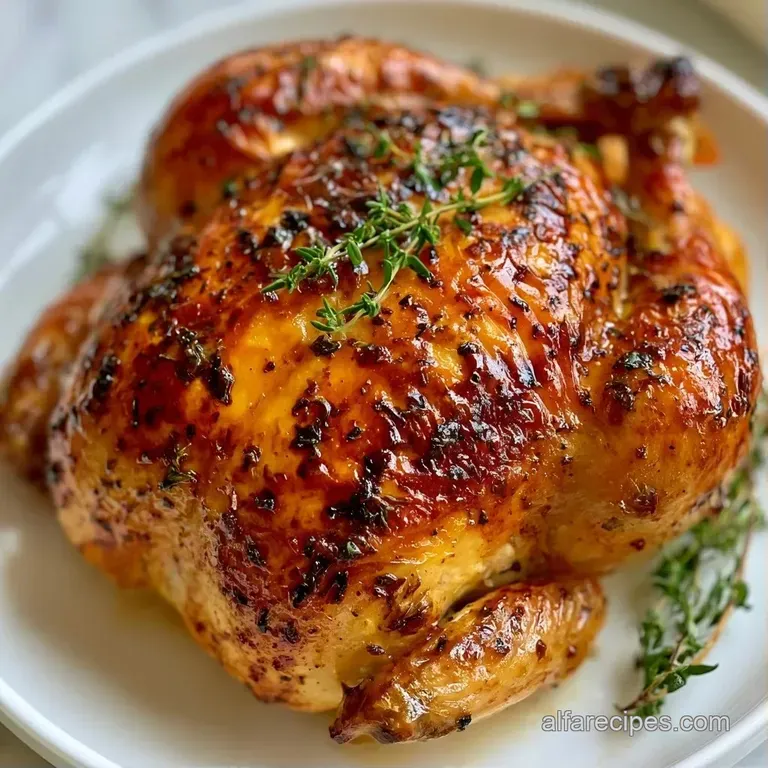
| Issue | Solution |
|---|---|
| Why Your Skin Is Pale | If your chicken looks pale, it's usually because the oven wasn't hot enough or there was too much moisture on the skin. |
| Why The Breast Is Dry | This happens when you cook the bird based on time instead of temperature. Every chicken is different. |
| Why Vegetables Are Soggy | Too many vegetables in the pan can create a "steaming" effect. If the pan is crowded, the moisture can't escape, and you get boiled carrots instead of roasted ones. Keep them in a single layer. |
- ✓ Pat the skin dry twice.
- ✓ Don't skip the resting period.
- ✓ Use a meat thermometer.
- ✓ Keep vegetables in a single layer.
- ✓ Rub oil under the skin.
Creative Flavor Twists
Once you've nailed the basic Whole Roasted Chicken Recipe, you can start playing around. I love changing the rub depending on the season. In the winter, I might add a bit of smoked paprika for a deeper, woodsy flavor. In the summer, a bit of lemon zest in the butter rub makes it feel lighter.
If you're feeling adventurous, try substituting the olive oil for melted ghee. Ghee has a higher smoke point, which means you can push the heat a bit more without the fat burning. It also adds a subtle, nutty richness that is just brilliant.
For a Mediterranean vibe, toss some kalamata olives and chunks of feta over the vegetables during the last 15 minutes of roasting. The feta gets slightly soft and salty, creating a sauce like consistency with the chicken juices.
If you have leftovers, don't let them go to waste. You can shred the remaining meat and toss it into some Easy Pasta Sauces for a quick dinner the next night. It's a great way to turn one roast into three different meals.
Adjusting The Portion Size
Scaling this recipe is pretty straightforward, but you can't just double everything and expect the same timing.
Scaling Down (Smaller Bird): If you're using a Cornish hen or a smaller 3 lb chicken, reduce the roasting time by about 20%. Keep the 425°F sear for 15 minutes, but check the internal temp starting at 35-40 minutes during the second phase.
Use a smaller pot so the vegetables still surround the bird.
Scaling Up (Two Birds): If you're feeding a huge family, you can roast two chickens in one large pan, but don't crowd them. Leave at least 2 inches between the birds so the air can circulate. I only increase the salt and spices to 1.5x, not 2x, because the flavors concentrate during roasting.
The Decision Shortcut:
- If you want maximum crispiness, do the 425°F sear for the full 15 mins.
- If you're worried about dryness, pull the bird at 160°F and let carryover heat do the rest.
- If you want "restaurant style" veggies, add a tablespoon of butter to the pan at the start.
Common Roasting Myths
There are so many "rules" about roasting chicken that are actually just myths. Let's set the record straight.
The "Sealing" Myth: Many people think searing meat "seals in the juices." This is simply not true. Moisture loss happens throughout the cooking process regardless of the sear. The high heat at the start is actually for flavor and texture (the browning), not for "sealing" anything.
The Room Temperature Myth: You'll often hear that you must let the chicken sit on the counter for an hour before roasting. In reality, this does very little for the final internal temperature and can actually be a food safety risk if your kitchen is too warm.
Just take it out 15-20 minutes before you start.
The Basting Myth: Constantly opening the oven to baste the bird with juices actually drops the oven temperature and slows down the crisping of the skin. Trust the initial rub and the high heat; you don't need to keep opening the door.
Storing Your Leftovers
A Whole Roasted Chicken Recipe usually leaves you with plenty of meat. To keep it fresh, let the leftovers cool completely before putting them in an airtight container. They'll stay great in the fridge for 3-4 days.
Freezing: If you can't finish it in time, shred the meat and freeze it in portions. It'll last for about 3 months. Just be sure to freeze it with a bit of the pan juices to prevent freezer burn.
Zero Waste: This is the best part. Never throw away the carcass! Once you've picked the meat off, throw the bones, the remaining onion, and the carrot scraps into a pot with water and a splash of apple cider vinegar. Simmer it for a few hours, and you've got a goldmine of homemade stock.
You can even use some of that leftover cold chicken in a salad with a Thai Peanut Sauce for a completely different flavor profile. It's a great way to use up the breast meat, which can sometimes get a bit dry when reheated.
Hearty Serving Ideas
The beauty of this dish is that it's a complete meal in one pan. The baby potatoes and carrots are already there, but if you want to make it a real feast, I suggest adding a simple green salad with a sharp vinaigrette to cut through the richness of the chicken fat.
For a more comforting vibe, a side of steamed green beans or roasted Brussels sprouts works wonders. The key is to provide something fresh and acidic to balance the savory, salty notes of the roast.
When carving, remember to slice against the grain. Start with the legs and wings, then move to the breast. Serve each person a piece of chicken, a handful of those velvety carrots, and a few shatter crisp potatoes. Pour the remaining pan juices over the top for that final, luxurious touch.
This Whole Roasted Chicken Recipe isn't just about the food, it's about the moment. There's something about a whole bird in the center of the table that just brings people together. It's hearty, it's no fuss, and it's exactly what a family dinner should be. Right then, get your oven preheating and let's get cooking!
Critical Sodium Level
1140 mg 1140 mg of sodium per serving (50% 50% of daily value)
The American Heart Association recommends a daily sodium limit of no more than 2,300 mg (and ideally 1,500 mg for most adults) to help manage blood pressure and reduce the risk of heart disease.
Personalized Sodium Reduction Tips
-
Slash the Kosher Salt-30%
The 2 tsp of coarse kosher salt is the primary sodium source; reduce this by half or substitute with a low-sodium salt alternative.
-
Increase Citrus Zest-15%
Use the lemon zest in addition to the juice to provide a bright, acidic punch that tricks the palate into needing less salt.
-
Boost Aromatics-10%
Double the amount of minced garlic and onion to create a more robust flavor base, reducing the reliance on sodium for taste.
-
Maximize Fresh Herbs
Increase the quantity of fresh thyme and rosemary to add earthy complexity and aromatic depth to the chicken and vegetables.
Recipe FAQs
Is it better to roast chicken at 350 or 400?
Start at 425°F and then lower to 375°F. This two-stage method sears the skin for maximum crispiness before cooking the meat through evenly.
Is it best to roast a whole chicken covered or uncovered?
Roast the chicken uncovered. Covering the bird traps steam, which prevents the skin from browning and becoming crispy.
How to roast a whole chicken and keep it moist?
Rest the chicken for 15 minutes after roasting. This allows the juices to redistribute throughout the meat instead of running out on the carving board.
How long does it take to fully cook a whole chicken?
Roast for a total of 65 to 75 minutes. This includes an initial 15-minute sear at 425°F followed by 50-60 minutes at 375°F.
How to roast a chicken larger than 5 lbs?
Extend the roasting time at 375°F. Because the base recipe is for 4-5 lbs, a larger bird will require more time to reach the safe internal temperature of 165°F.
Is it true that you should rely only on a timer to know when chicken is done?
No, this is a common misconception. Always use a meat thermometer to ensure the thickest part of the thigh hits 165°F, as roasting times vary by bird.
How to prevent the skin from looking pale?
Pat the chicken completely dry with paper towels before seasoning. Removing surface moisture is the most critical step for a golden brown finish. If you enjoyed mastering temperature precision here, apply the same logic to our boneless roast for consistent results.
Whole Roasted Chicken Recipe: Crispy