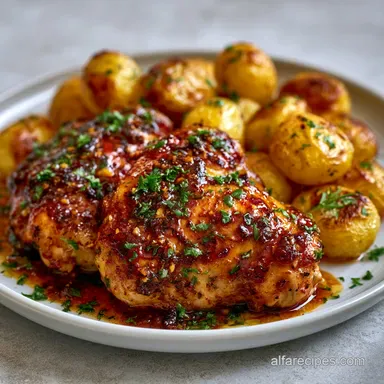
Boneless Chicken Thigh Roast: Crispy and Tender
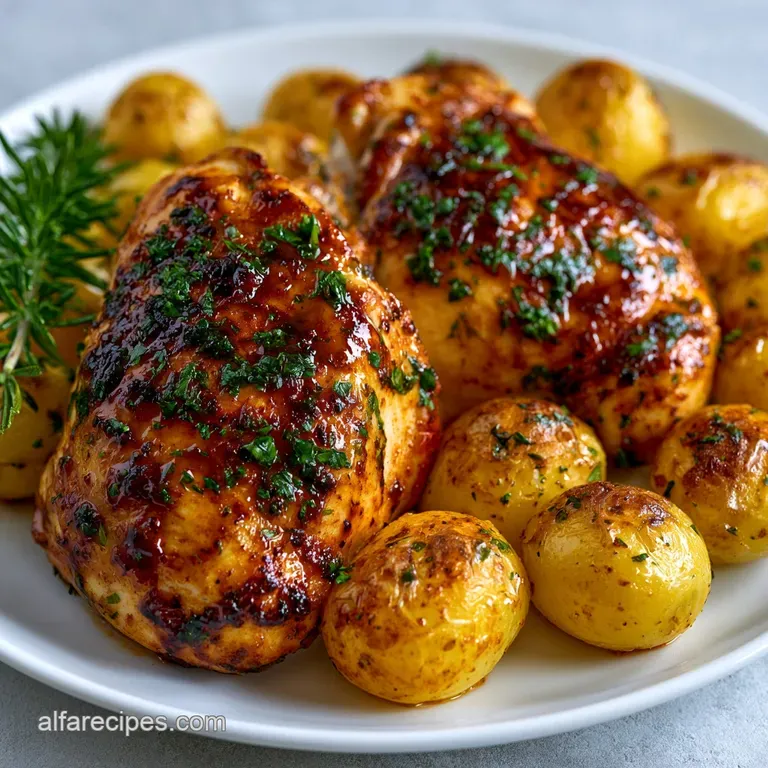
- Time: 5 min active + 25 min cooking = Total 45 minutes (includes oven preheat)
- Flavor/Texture Hook: Smoked paprika crust with juicy, tender meat
- Perfect for: Busy weeknight dinners and no fuss family meals
- The Easiest Boneless Chicken Thigh Roast
- Common Roasting Mistakes
- Component Analysis
- Gathering Your Essentials
- Basic Tool Requirements
- Step-by-Step Cooking Guide
- Solving Cooking Issues
- Troubleshooting Common Issues
- Adjusting Portion Sizes
- Kitchen Myths
- Storage and Waste Tips
- Best Serving Ideas
- Recipe FAQs
- 📝 Recipe Card
The Easiest Boneless Chicken Thigh Roast
That specific sound of the oven timer dings, and the smell of roasted garlic and smoked paprika hits you the second you open the door. There is something about the way the chicken fat renders and mingles with the baby potatoes on a hot sheet pan that just feels like home.
It's a scent that fills every corner of the kitchen, making everyone migrate toward the stove before the pan even hits the table.
I remember one Tuesday when the kids were starving, the dog was barking, and I had exactly thirty minutes to get something real on the table. I threw together this Boneless Chicken Thigh Roast with whatever was in the pantry, and it became the go to "emergency" meal for my family.
It's a no fuss win that tastes like you spent hours prepping, even though it's mostly just waiting for the oven to do the work.
You can expect a dish where the chicken is juicy and the potatoes have those little brown, crispy edges. We're skipping the fancy techniques and sticking to a reliable, over high heat method that works every single time. It's a hearty, crowded table kind of meal that doesn't require a culinary degree to pull off.
Common Roasting Mistakes
Most people treat chicken thighs like breasts, cooking them at too low a temperature for too long. When you do that, the meat doesn't roast, it steams. You end up with a grey, rubbery texture and potatoes that are mushy instead of crisp. The secret is the heat and the moisture control.
Another huge mistake is overcrowding the pan. If the chicken and potatoes are piled on top of each other, the steam has nowhere to go. Instead of that golden brown crust, you get boiled chicken. Trust me, give your ingredients some breathing room so the hot air can circulate.
Finally,, don't forget to pat the meat dry. If you put wet chicken into a hot oven, the water turns to steam instantly. That creates a barrier that prevents the oil and spices from actually searing into the meat. A few paper towels are the difference between a soggy roast and a shatter crisp finish.
The Logic Behind the Heat
- over High heat Sear: 425°F creates a rapid sear on the outside, locking in juices before the center overcooks.
- Fat Rendering: Thighs have more intramuscular fat than breasts, which keeps them velvety even at high temps.
- Potato Buffer: The potatoes act as a sponge for the chicken drippings, absorbing flavor while they roast.
- Acid Finish: Adding lemon juice at the end cuts through the richness of the fat, brightening the whole dish.
| Method | Time | Texture | Best For |
|---|---|---|---|
| Sheet Pan | 25 min | Crispy/Juicy | Quick weeknights |
| Cast Iron | 30 min | Hard Sear | Deep flavor/crust |
| Slow Cooker | 6 hrs | Fall apart | Set and forget |
Component Analysis
Understanding why we use these specific ingredients helps you make better choices when you're staring at a near empty fridge. It's not just about taste, it's about how the ingredients react to the heat of the oven.
| Ingredient | Science Role | Pro Secret |
|---|---|---|
| Avocado Oil | High Smoke Point | Prevents the oil from smoking or tasting burnt at 425°F |
| Smoked Paprika | Color & Aroma | Gives that "grilled" flavor without an actual grill |
| Lemon Juice | pH Balance | The acid breaks down heavy fats for a cleaner finish |
| Garlic Powder | Even Distribution | Powder clings to meat better than fresh garlic in high heat |
Gathering Your Essentials
For this recipe, we're keeping things simple. No fancy ingredients, just staples that deliver a huge punch of flavor. I prefer using sea salt because the larger grains help draw out moisture from the skin more effectively.
- 1.5 lb boneless skinless chicken thighs Why this? Higher fat content means they don't dry out easily
- 1 lb baby potatoes Why this? Small size ensures they cook in the same time as the chicken
- 2 tbsp avocado oil Why this? Handles high heat without burning
- 1/2 tsp sea salt Why this? Essential for flavor and moisture extraction
- 1/2 tsp cracked black pepper Why this? Adds a subtle heat and depth
- 1 tsp smoked paprika Why this? Provides a deep red color and woody flavor
- 1 tsp garlic powder Why this? Intensely savory without the risk of burning fresh cloves
- 1/2 tsp dried oregano Why this? Earthy notes that complement the lemon
- 1 tbsp fresh lemon juice Why this? Cuts through the richness of the thighs
- 1 tbsp fresh parsley, chopped Why this? Adds a pop of color and fresh, peppery finish
Quick Substitution Guide
| Original Ingredient | Substitute | Why It Works |
|---|---|---|
| Avocado Oil (2 tbsp) | Grapeseed Oil (2 tbsp) | Similar high smoke point. Note: Neutral flavor |
| Baby Potatoes (1 lb) | Yukon Gold (cubed) | Creamy texture. Note: Cut into 1 inch pieces to match cook time |
| Smoked Paprika (1 tsp) | Sweet Paprika (1 tsp) | Similar color. Note: Lacks the smoky depth |
| Dried Oregano (1/2 tsp) | Dried Thyme (1/2 tsp) | Same earthy profile. Note: Slightly more floral |
Right then, before we get into the cooking, make sure you have a large rimmed sheet pan. A small pan will lead to the crowding issue we talked about, and you'll end up with steamed chicken instead of a roast.
Basic Tool Requirements
You don't need a professional kitchen for this. In fact, the fewer tools you use, the better. I've always found that a simple setup leads to a more relaxed cooking experience, which usually means a better meal.
- Large rimmed sheet pan: To catch all the juices and prevent oven messes.
- Mixing bowl: For tossing the potatoes and seasoning the meat.
- Paper towels: Absolutely mandatory for drying the chicken.
- Meat thermometer: The only way to be 100% sure the chicken is safe but not overdone.
- Tongs: For flipping or moving chicken without burning your fingers.
Step-by-step Cooking Guide
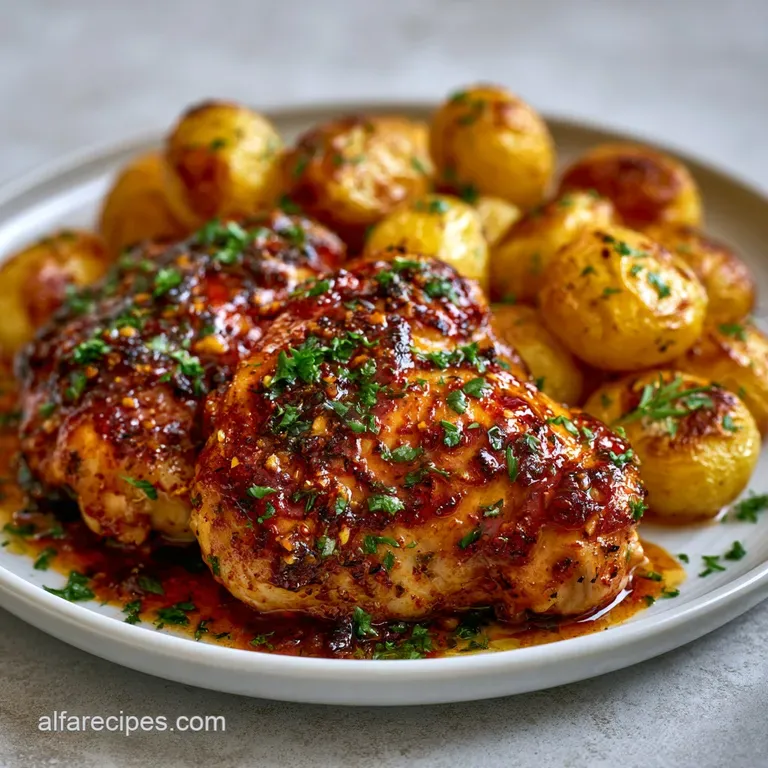
Let's crack on. Follow these steps and you'll have a dinner that looks and tastes like a lot more work than it actually is.
- Preheat your oven to 425°F (218°C). Note: Let it fully reach temp so the searing starts immediately
- In a mixing bowl, toss the halved baby potatoes with 1 tbsp of avocado oil and a pinch of salt and pepper.
- Spread the potatoes across a large rimmed sheet pan, leaving space in the center for the chicken.
- Pat the chicken thighs completely dry with paper towels. Note: This is the secret to the crust
- In the mixing bowl, combine the remaining 1 tbsp of avocado oil, sea salt, black pepper, smoked paprika, garlic powder, and dried oregano.
- Toss the thighs in the spice mix until they are fully coated in the oil and seasonings.
- Nestle the seasoned chicken thighs among the potatoes in a single layer on the sheet pan.
- Roast for 20–25 minutes until the internal temperature reaches 165°F (74°C) and the chicken is golden.
- Remove the pan from the oven immediately.
- Drizzle fresh lemon juice over the chicken and garnish with chopped fresh parsley.
Chef's Note: If you have a few extra minutes, let the chicken rest on the pan for 5 minutes before serving. This allows the juices to redistribute, ensuring every bite is velvety.
Solving Cooking Issues
Even with a simple Boneless Chicken Thigh Roast, things can occasionally go sideways. Usually, it's a matter of heat or moisture.
Troubleshooting Common Issues
| Issue | Solution |
|---|---|
| Why the Chicken Steams | If your chicken looks pale and the pan is full of liquid, you've probably overcrowded the pan or didn't dry the meat. When the pieces are too close, they release moisture that can't evaporate, creatin |
| Why the Texture is Rubbery | Rubbery chicken usually comes from undercooking or using a temperature that's too low. Thighs need that high heat to render the connective tissue. If you cook them at 325°F, they'll never get that roa |
| Why the Seasoning is Bland | If the flavor is missing, you might be under salting or not using enough oil. Salt doesn't just add flavor, it helps the other spices penetrate the meat. Ensure the oil completely coats every inch of |
Common Mistakes Checklist
- ✓ Patted chicken dry with paper towels
- ✓ Used a large enough pan to avoid crowding
- ✓ Oven fully preheated to 425°F
- ✓ Internal temp checked with a thermometer
- ✓ Lemon juice added after roasting, not before
Adjusting Portion Sizes
When you're cooking for a crowd or just for yourself, you can't always stick to the 1.5 lb rule. Adjusting the Boneless Chicken Thigh Roast is easy as long as you keep the ratios in mind.
Cooking for One or Two (Half Batch) Use a smaller sheet pan if you have one, otherwise, just push the ingredients to one side of your large pan. You can usually reduce the roasting time by about 5 minutes, but always rely on the thermometer.
Since you're using fewer pieces, the heat circulates faster.
Cooking for a Crowd (Double or Triple Batch) This is where most people mess up. Do NOT try to fit 3 lbs of chicken and 2 lbs of potatoes on one pan. You'll end up with steamed meat. Instead, work in batches or use two separate sheet pans.
For the seasoning, don't just double everything. I find that doubling the salt and paprika can be a bit overwhelming. Increase the spices to 1.5x and taste as you go. If using two pans, rotate them halfway through the cook time (top rack to bottom rack) to ensure even browning.
| Goal | Action | Result |
|---|---|---|
| More Crisp | Increase heat to 450°F | Faster brown, risk of burning spices |
| More Tender | Lower heat to 375°F | Slower cook, more "stewed" feel |
| Low Carb | Swap potatoes for cauliflower | Lighter meal, shorter cook time |
Kitchen Myths
There are a lot of "rules" about roasting chicken that just aren't true in real life. Let's clear a few up so you can stop worrying and start eating.
The "Seal in Juices" Myth You've probably heard that searing meat "seals" the juices inside. This is simply not true. Moisture loss happens throughout the entire cooking process. Searing is about flavor and texture, not about creating a waterproof barrier.
The high heat of this recipe is for the crust, not to "lock" anything in.
The "Lean is Better" Myth Some people avoid thighs because they have more fat than breasts. In a roast, fat is your best friend. It's what prevents the meat from becoming a dry, chalky mess at high temperatures. The fat in this recipe is what makes the potatoes taste amazing.
Storage and Waste Tips
Leftovers are almost as good as the fresh roast, provided you reheat them correctly. Store the chicken and potatoes in an airtight container in the fridge for up to 4 days.
For reheating, avoid the microwave if you can. It'll make the chicken rubbery and the potatoes soggy. Instead, toss them back in the oven or an air fryer at 350°F for about 5-10 minutes. This brings back that shatter crisp texture.
If you're feeling adventurous, you can freeze the cooked chicken for up to 3 months. Just let it cool completely before freezing. When you thaw it, shred it for tacos or salads.
To keep things zero waste, don't throw away the juices left on the pan. Pour them into a small skillet with a bit of butter and flour to make a quick pan gravy. If you have leftover parsley stems, toss them into a veggie stock pot.
Even the potato peels, if you chose to peel them, can be tossed in oil and salt and roasted for 5 minutes for a quick snack.
Best Serving Ideas
Since this is a one pan wonder, you have plenty of time to prep a fresh side. This roast pairs perfectly with steamed asparagus for a bright, healthy contrast to the savory chicken.
If you want something a bit more indulgent, a side of creamy mashed cauliflower or a simple arugula salad with a balsamic glaze works wonders. The acidity of the salad cuts through the richness of the thigh roast, balancing the whole plate.
For a different vibe, try serving this over a bed of quinoa or wild rice. The grains soak up the lemon parsley drippings from the chicken, turning a simple side into something much more flavorful. If you're in the mood for something completely different next time, you might like my Cream Cheese Chicken for an even silkier texture.
Recipe FAQs
Is it better to bake boneless chicken thighs at 350 or 400?
Neither; bake them at 425°F. This high heat is necessary to render the connective tissue and prevents the meat from becoming rubbery.
How long should I roast boneless chicken thighs for?
Roast for 20 25 minutes. Use a meat thermometer to ensure the internal temperature has reached 165°F for optimal safety and juiciness.
Are chicken thighs good for diabetics?
Yes, they are. They provide a high protein, low-carbohydrate option that helps maintain stable blood sugar levels.
Can I eat chicken thighs with IBS?
Yes, they are typically well tolerated. Lean proteins are generally safe, though you should monitor your reaction to the specific spices used in the seasoning.
What are some great ways to serve these roasted chicken thighs?
Serve them alongside the roasted baby potatoes. If you want a richer accompaniment, pair them with our creamless alfredo.
Why is my roasted chicken steaming instead of browning?
You likely overcrowded the pan or didn't dry the meat. When the thighs are too close, they release moisture that cannot evaporate, steaming the meat instead of searing it.
How do I reheat leftover chicken thighs without them becoming rubbery?
Reheat in an oven or air fryer at 350°F. Bake for 5 10 minutes to restore the crisp texture and avoid the sogginess caused by microwaves.
Boneless Chicken Thigh Roast for 4