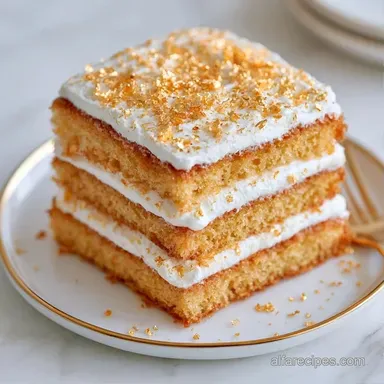
Traditional Graduation Cake: Tender and Buttery

- Time: 30 min active + 1 hr chilling
- Flavor/Texture Hook: Buttery, tender crumb with a smooth, stable buttercream
- Perfect for: Graduation parties, family celebrations, and beginner bakers seeking precision
- Traditional Graduation Cake Recipe
- The Truth About Cake Failures
- Exact Specs for the Bake
- Essential Tools and Ingredients
- The Step-by-Step Process
- Preventing Common Baking Disasters
- Dietary Swaps and Changes
- Adjusting the Batch Size
- Debunking Cake Myths
- Storage and Waste Tips
- Best Drinks and Sides
- Recipe FAQs
- 📝 Recipe Card
Traditional Graduation Cake Recipe
The smell of browning butter and vanilla hitting a hot oven is a sensory trigger that always takes me back to my first few attempts at baking for family. I remember the frustration of a cake that looked great in the oven but sank in the middle the second I pulled it out.
I spent a lot of time testing why some cakes feel like sponges and others feel like dense bricks. It usually comes down to one thing: the butter.
In this Traditional Graduation Cake Recipe, the butter is the hero. It isn't just for flavor; it's the structural foundation. Most people rush the creaming process or use butter that's too cold, which prevents the sugar from carving out those tiny air pockets needed for a lift.
When you get the butter temperature exactly right, it creates a stable matrix that holds the cake up.
You can expect a cake that is sturdy enough to hold a heavy layer of icing but tender enough to melt in your mouth. We are focusing on error prevention here, so we'll look at exactly how to avoid the "curdle" and the "sink." This is about precision, not guesswork.
The Truth About Cake Failures
Most home bakers think a failed cake is due to a "bad oven," but it's usually a chemistry issue. When you mix fats and liquids, you are creating an emulsion. If your eggs are cold and your butter is warm, the emulsion breaks. This leads to a grainy texture or a cake that separates in the oven.
Another common issue is over mixing. Once the flour hits the wet ingredients, gluten starts to develop. Too much mixing turns a tender cake into something resembling a bagel. The goal is to stir just until the flour disappears.
Finally, temperature shocks are the enemy. Putting a cold batter into a hot pan or a hot cake into a cold fridge can cause structural collapse. By following specific temperature checkpoints, we remove the risk of these failures.
Exact Specs for the Bake
When you're making a Traditional Graduation Cake Recipe, the difference between success and failure is often a few degrees or minutes. I've found that sticking to numeric checkpoints removes the stress.
Precision Checkpoints:
- Oven Temperature: Exactly 350°F (175°C).
- Creaming Time: 3 minutes on high speed.
- Finishing Chill: 1 hour in the fridge for the crumb coat.
Depending on your goals, you might want to tweak the approach. Some prefer a quick mix, but the classic method provides the best stability for a tiered or decorated cake.
| Feature | Quick Mix Method | Classic Creaming Method |
|---|---|---|
| Prep Time | 15 minutes | 30 minutes |
| Texture | Denser, more moist | Lighter, airier crumb |
| Stability | Lower (better for cupcakes) | Higher (best for layering) |
| Effort | Low | Moderate |
Decision Shortcut:
- If you want a fluffier cake, cream the butter for the full 3 minutes.
- If you want a more stable cake for stacking, use cake flour instead of all purpose.
- If you're short on time, bake in one large sheet pan instead of two rounds.
Essential Tools and Ingredients
For this recipe, precision in measurement is more important than the brand of flour you use. I recommend a digital scale for the dry ingredients to ensure the ratio of flour to sugar stays exact.
What Each Ingredient Does
| Ingredient | What It Does | Best Swap |
|---|---|---|
| All Purpose Flour | Provides the structural protein | Cake flour (for a softer crumb) |
| Baking Powder | Creates CO2 bubbles for lift | Baking soda + acid (cream of tartar) |
| Unsalted Butter | Adds richness and traps air | European style butter (higher fat) |
| Whole Milk | Hydrates the flour and softens crumb | Buttermilk (adds tang and tenderness) |
For the Cake
- 2 ½ cups (310g) all purpose flour Why this? Provides a sturdy structure for layering.
- 1 ½ cups (300g) granulated sugar Why this? Aerates the butter during creaming.
- 1 tbsp (12g) baking powder Why this? Ensures a consistent vertical rise.
- ½ tsp (3g) salt Why this? Balances the sweetness.
- ¾ cup (170g) unsalted butter, softened Why this? Essential for the initial emulsion.
- 3 large (150g) eggs, room temperature Why this? Binds ingredients without breaking the fat.
- 1 cup (240ml) whole milk, room temperature Why this? Adds moisture and a tender crumb.
- 2 tsp (10ml) pure vanilla extract Why this? Primary aromatic profile.
For the Traditional Graduation Cake with Icing
- 1 cup (225g) unsalted butter, softened Why this? Creates a stable, spreadable base.
- 4 cups (500g) powdered sugar, sifted Why this? Provides structure and sweetness.
- 2 tbsp (30ml) heavy cream Why this? Adjusts consistency for smoothing.
- 1 tsp (5ml) pure vanilla extract Why this? Matches the cake's flavor.
- 1 pinch (1g) salt Why this? Cuts through the sugar intensity.
The step-by-step Process
Right then, let's get into the actual build. Follow these steps in order. Don't skip the resting periods, as they allow the starches to hydrate and the structure to set.
- Preheat your oven to 350°F (175°C). Grease two 8 inch cake pans and line the bottoms with parchment paper. Note: Parchment is the only way to guarantee the cake doesn't stick.
- Cream the softened butter and sugar on high for 3 minutes until the mixture looks pale and fluffy.
- Beat in the eggs one at a time, then stir in the vanilla extract. Note: Adding eggs slowly prevents the batter from curdling.
- In a separate bowl, whisk together the flour, baking powder, and salt.
- Alternate adding the dry ingredients and the milk to the butter mixture, stirring just until combined. Note: Stop mixing as soon as you see no more flour streaks.
- Divide the batter evenly between the two pans.
- Bake for 30-35 minutes until a toothpick inserted into the center comes out clean and the edges slightly pull away from the pan.
- Let the cakes cool in the pans for 10 minutes before transferring to a wire rack.
- Prepare the buttercream by beating the butter, powdered sugar, heavy cream, vanilla, and salt until smooth.
- Apply a thin crumb coat of icing to lock in loose crumbs and chill the cake in the refrigerator for 1 hour.
- Apply the final smooth coat of buttercream icing using a bench scraper or offset spatula for a professional finish.
Preventing Common Baking Disasters

Even with a Traditional Graduation Cake Recipe, things can go sideways. Most of these issues are related to temperature or over working the batter.
The "Sinking Center" Fix
If the middle of your cake drops, it's usually because the air bubbles created during creaming were too large or the cake was underbaked. Over beating the eggs can also incorporate too much air that collapses under its own weight.
The "Curdled Batter" Solution
When the butter and eggs don't emulsify, the batter looks like cottage cheese. This happens when eggs are too cold. You can fix this by briefly placing the bowl over a warm water bath and whisking for 30 seconds.
The "Dry Crumb" Problem
Over baking is the most common culprit. Even two extra minutes can strip the moisture from the cake. Always start checking at the 30 minute mark.
| Problem | Root Cause | Solution |
|---|---|---|
| Sinking Center | Over mixed batter or underbaked | Check temp with thermometer; stop mixing earlier |
| Curdled Batter | Cold eggs/milk | Warm the bowl slightly and whisk vigorously |
| Dry Texture | Over baked | Remove 2-3 mins earlier; use a toothpick |
Dietary Swaps and Changes
You can adapt this Traditional Graduation Cake Recipe for different needs without ruining the chemistry. The key is replacing like with like in terms of fat and moisture.
The Chocolate Celebration Twist
Replace ½ cup of the all purpose flour with high-quality cocoa powder. Since cocoa is drying, add an extra 2 tablespoons of milk to maintain the hydration ratio.
The Zesty Citrus Swap
Add the zest of two lemons to the sugar before creaming. Replace the vanilla in the frosting with a tablespoon of fresh lemon juice for a brighter, more acidic profile.
Gluten-free Modification
Use a 1:1 gluten-free baking flour blend that contains xanthan gum. Note that GF flours absorb more liquid, so you may need to increase the milk by 10% if the batter looks too stiff.
Dairy-free Alternative
Substitute the butter with a high fat vegan butter stick (not a tub margarine) and use full fat coconut milk. The fat content is similar, though the flavor will have a slight coconut hint.
Adjusting the Batch Size
Scaling a Traditional Graduation Cake Recipe isn't as simple as doubling everything. You have to account for the volume of the pans and the way heat penetrates the center of the cake.
Scaling Down (½ Batch): Use two 6 inch pans. Reduce the baking time by about 20%, but start checking at 20 minutes. Since you can't easily halve an egg, beat one egg in a small bowl and use half of the liquid by weight.
Scaling Up (2x Batch): Work in batches if you don't have a professional grade stand mixer. When doubling, only increase the salt and baking powder by 1.5x to avoid a metallic taste or an over risen cake that collapses.
For larger cakes, lower the oven temperature to 325°F and extend the bake time to ensure the center cooks through before the edges burn.
If you find you have too much batter for your pans, don't overfill them. Fill pans only 2/3 full. You can use the leftover batter to make a few side cupcakes.
Debunking Cake Myths
There are a few common beliefs in the baking world that actually hinder your results.
One myth is that you should "knock" the cake pan on the counter before baking to remove air bubbles. In this Traditional Graduation Cake Recipe, those air bubbles are exactly what we want for a light texture. Knocking the pan just collapses the structure we spent 3 minutes creaming into the butter.
Another misconception is that using melted butter is the same as softened butter. Melted butter creates a denser, more brownie like texture because it cannot trap air. For a traditional cake, the butter must be "room temperature," meaning it yields to a finger press but still holds its shape.
Storage and Waste Tips
A Traditional Graduation Cake Recipe produces a lot of moisture, so storage is key to preventing it from drying out.
Storage Guidelines Store the frosted cake in an airtight container in the fridge for up to 5 days. Because of the butter in the frosting, it will harden in the fridge. Let a slice sit at room temperature for 20 minutes before eating to restore the creamy texture.
For the freezer, wrap unfrosted layers in double plastic wrap and foil; they'll stay fresh for 3 months.
Zero Waste Tips Never throw away the cake scraps from leveling the tops. These are perfect for making Festive Graduation Cake Pops. Just crumble the scraps, mix in a bit of frosting, roll into balls, and dip in chocolate. If you have leftover buttercream, freeze it in small dollops on a tray, then move them to a bag for quick frosting later.
Best Drinks and Sides
Since this cake is rich and sweet, you want pairings that offer a contrast in flavor or a refreshing palate cleanser.
A crisp, cold glass of milk is the classic choice, but for an adult celebration, something with a bit of a citrus kick works better. A Screwdriver Drink provides a sharp orange acidity that cuts through the heavy buttercream of the Traditional Graduation Cake Recipe.
If you're serving this as part of a larger dessert spread, keep the other items light. Fresh berries with a mint garnish or a chilled fruit platter balance the richness. Avoid serving other heavy desserts like cheesecake or brownies alongside this cake, or your guests will hit a sugar wall very quickly.
When you put it all together, the precise creaming, the room temperature emulsion, and the patient chilling, you get a result that is consistent every time. This Traditional Graduation Cake Recipe isn't about luck; it's about following the chemistry of the ingredients.
Now, get those eggs to room temperature and let's get baking.
Recipe FAQs
How to make a graduation cake from scratch?
Cream butter and sugar on high for 3 minutes until pale and fluffy. Beat in eggs and vanilla, then alternate adding the dry flour mixture and milk before baking at 350°F for 30-35 minutes.
What do you put on a graduation cake?
Smooth buttercream icing and thematic decorations. Use a bench scraper or offset spatula to apply a final coat of icing for a professional, clean finish.
What's the best frosting for a graduation cake?
A stable vanilla buttercream. Beating softened butter, powdered sugar, heavy cream, vanilla, and salt creates a creamy texture. If you enjoyed mastering the consistency here, see how similar temperature precision works in our classic Southern dessert.
How do I store the cake to keep it from drying out?
Keep the frosted cake in an airtight container in the fridge. It stays fresh for up to 5 days, though you should let slices sit at room temperature for 20 minutes to restore the creamy texture.
Is it true I can skip the crumb coat to save time?
No, this is a common misconception. A thin crumb coat is necessary to lock in loose crumbs and must be chilled for 1 hour to ensure the final layer is smooth.
Why did my cake sink in the middle?
Overmixing the batter after adding the flour is the most likely cause. Stir only until the ingredients are combined to prevent the cake structure from collapsing during baking.
How long should I chill the cake before the final icing layer?
Chill the cake in the refrigerator for 1 hour. This step follows the crumb coat application and is essential for achieving a professional finish.
Traditional Graduation Cake Recipe for 12