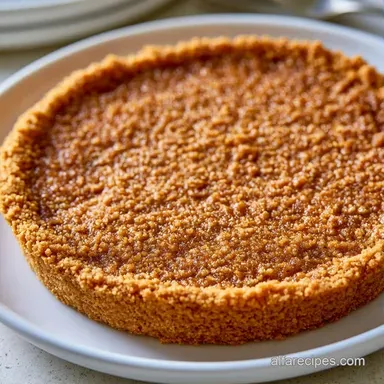
Easy Graham Cracker Pie Crust in 18 Minutes
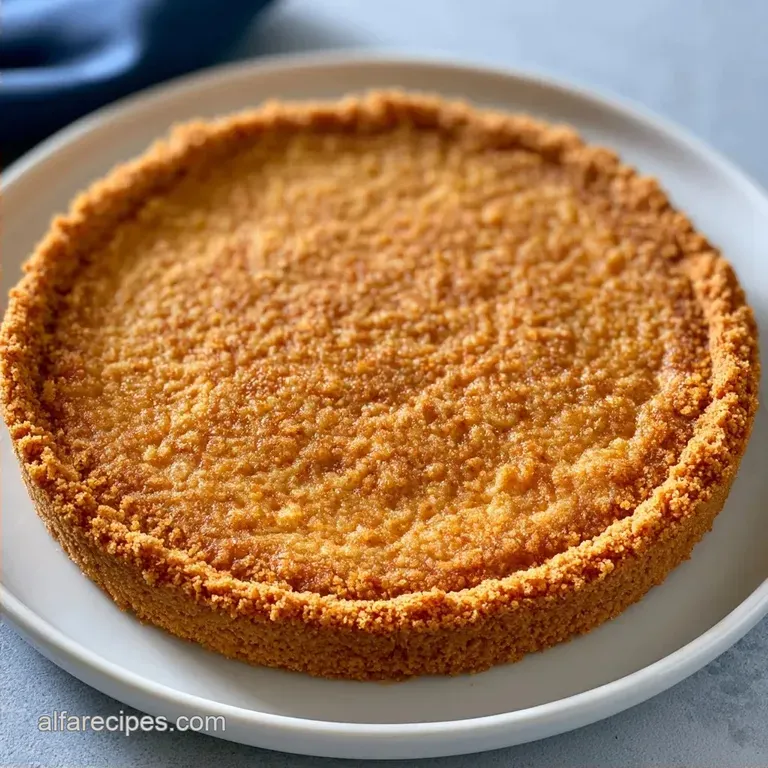
- Time: 10 min active + 8 min baking
- Flavor/Texture Hook: Toasty, buttery, and crisp
- Perfect for: Cheesecake bases or fruit tarts
Ever wonder why some pie crusts hold their shape while others disintegrate the moment your fork hits the slice? It usually comes down to the physics of the bind. If the butter doesn't coat every single crumb, you get dry pockets that snap.
I used to just guess the butter amount, which led to a greasy mess that slid right off the plate. Once I started weighing my ingredients, the results changed. An Easy Graham Cracker Pie Crust needs a specific balance to stay sturdy.
You'll get a base that tastes like a toasted cookie but behaves like a structural wall. It's the kind of reliability you need when you're filling a pan with heavy cream or fruit.
Why Most Recipes Get This Wrong
Most guides tell you to "press firmly," but they don't explain the compression. If you leave air gaps in the sides, the crust collapses under the weight of the filling. I found that using the flat bottom of a measuring cup creates a dense, uniform wall.
Another common error is skipping the bake. While no bake versions exist, a quick 8 minute stint in the oven dries out the excess moisture from the butter. This creates a crisp barrier that stops the crust from getting soggy.
Precision is the only way to avoid failure here. You need exactly 85g of butter for 180g of crumbs. Too much fat and the crust puddles, too little and it turns into sand.
| Method | Time | Texture | Best For |
|---|---|---|---|
| No Bake | 0 min | Soft/Chewy | Chilled mousses |
| Baked | 8 min | Crisp/Toasty | Cheesecakes, Key Lime |
The Role of Each Ingredient
The science here is simple: fat coats the starch to create a water resistant seal.
| Ingredient | What It Does | Best Swap |
|---|---|---|
| Graham Crumbs | Provides structure | Digestive biscuits |
| Granulated Sugar | Adds crispness | Brown sugar (chewier) |
| Melted Butter | Binds the crumbs | Coconut oil (melted) |
Ingredients and Substitutions
Grab these exact amounts to ensure the bind holds.
- 1.5 cups (180g) graham cracker crumbs Why this? Standard wheat base for a neutral, toasty flavor
- 0.25 cup (50g) granulated sugar Why this? Helps the crust caramelize during the bake
- 6 tbsp (85g) unsalted butter, melted Why this? Pure fat ensures a cohesive bind
According to USDA FoodData, the saturated fats in butter provide the necessary stability for a crumb based crust.
| Original Ingredient | Substitute | Why It Works |
|---|---|---|
| Graham Crumbs | Almond Flour | Nutty flavor. Note: More fragile, requires longer bake |
| Unsalted Butter | Vegan Butter | Similar fat content. Note: Check for salt levels |
| White Sugar | Maple Syrup | Liquid sweetener. Note: Reduce butter by 1 tbsp to compensate |
Tools for the Job
You don't need a professional kitchen, but a few specific tools make this easier. A food processor is the fastest way to get uniform crumbs, though a rolling pin and a freezer bag work too.
I also recommend a 9 inch pie plate or a springform pan. Use a flat bottomed measuring cup to press the mixture. This ensures the edges are as strong as the base.
How to Make It
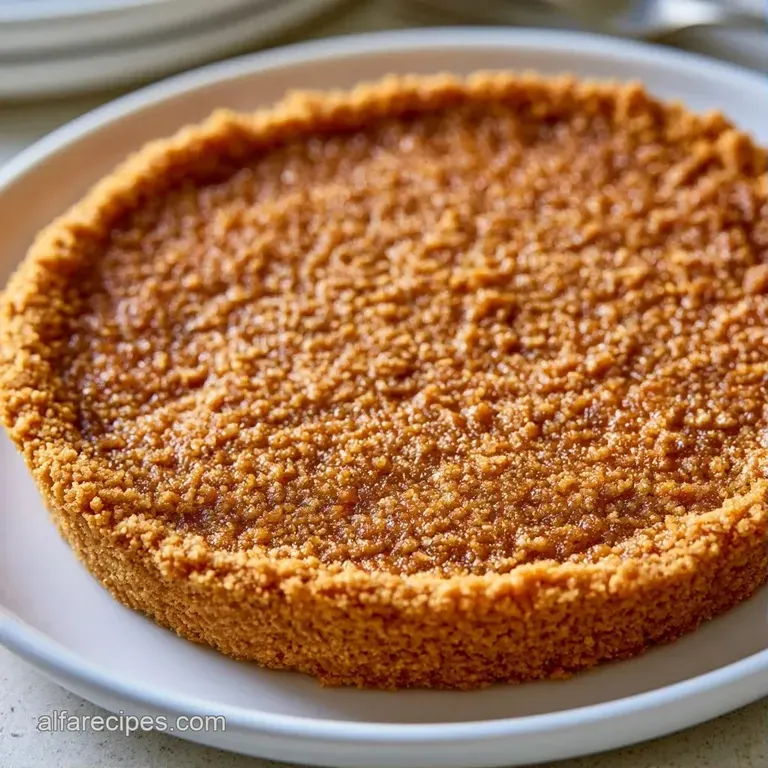
Follow these steps for a precise result.
- Pulse whole graham crackers in a food processor until they resemble fine sand. Note: Over processing can make them too powdery
- Whisk together the 180g graham cracker crumbs and 50g granulated sugar in a medium bowl.
- Pour in 85g melted butter.
- Stir with a fork until the mixture looks like wet sand. Check that there are no dry clumps.
- Dump the mixture into a 9 inch pie plate or springform pan.
- Press the crumbs firmly into the bottom and up the sides using a flat measuring cup.
- Bake at 350°F (175°C) for 8 minutes until the crust smells nutty and looks golden brown.
- Remove from the oven and cool completely.
Chef's Tip: Freeze your butter for 10 minutes before melting if you want a more controlled pour, or add a pinch of salt to the crumbs to cut through the sugar.
Troubleshooting Guide
Even with a precise Easy Graham Cracker Pie Crust, things can go sideways. The most common issue is the "crumbly collapse."
| Issue | Solution |
|---|---|
| Why Your Crust Crumbles | This usually happens because the crumbs weren't pressed hard enough or the butter didn't fully coat the sugar. If you see gaps in the side walls, the structure will fail. |
| Why Your Base Is Greasy | Too much butter or overheating the butter until it separates can cause oil to pool. Stick to the 85g measurement and avoid boiling the butter. |
| Why the Edges Burn | Uneven oven heat or too much sugar can cause the thin edges to darken too quickly. Rotate the pan halfway through the 8 minute bake. |
Mix It Up
If you want a different vibe, you can tweak the base. For a deeper flavor, use honey graham crackers, but reduce the added sugar by half so it isn't cloying. For those avoiding gluten, King Arthur Baking suggests using a gluten-free cracker with a similar starch profile.
You can also add a teaspoon of cinnamon or cocoa powder to the dry mix. If you're making a larger event dessert, like a graduation sheet cake, you can apply this same crumb logic to a rectangular pan.
Decision Shortcut
- Want a crisp snap? Bake for the full 8 minutes.
- Want a chewy, cookie like base? Skip the bake and chill for 2 hours.
- Want a savory twist? Omit the sugar and add a pinch of salt.
Storage Guidelines
Store the unbaked crust in the fridge for up to 3 days. Once baked, it stays crisp at room temperature for 2 days in an airtight container.
For long term storage, freeze the baked crust. Wrap it tightly in plastic wrap and foil. It lasts about 2 months in the freezer. To refresh the crunch, pop it in a 300°F (150°C) oven for 5 minutes before adding your filling.
To avoid waste, use any leftover crumbs as a topping for yogurt or a crumble layer in a parfait.
Pairing Ideas
This crust is a workhorse for desserts. It's the standard for cheesecakes, but it also supports lighter fillings. I love using it for a tart Key Lime pie.
If you want something more traditional, this base pairs well with a Southern chess pie filling for a unique texture contrast. The buttery crunch of the Easy Graham Cracker Pie Crust balances the sweetness of a custard style filling.
Recipe FAQs
How to make an easy graham cracker crust?
Pulse graham crackers into fine crumbs, mix with sugar and melted butter, then press firmly into a pan. Bake at 350°F (175°C) for 8 minutes. If you enjoyed mastering the crumb texture here, you'll appreciate the same consistency goals in our smoothie bowl base.
What are the ingredients in a 3 ingredient pie crust?
Graham cracker crumbs, granulated sugar, and melted unsalted butter. These three components create a crisp, sweet base without requiring flour or eggs.
Do you need to prebake a graham cracker crust?
Yes, for the best texture. Baking at 350°F (175°C) for 8 minutes ensures the crust stays crisp and smells nutty once the filling is added.
What to do if the crust crumbles after baking?
Press the crumbs more firmly into the pan. Structure failure usually happens if there are gaps in the side walls or if the butter didn't fully coat the sugar.
How to store a baked graham cracker crust?
Keep it in an airtight container at room temperature for 2 days. For long term storage, wrap it tightly in plastic wrap and foil and freeze for up to 2 months.
Is it true that you cannot freeze a graham cracker crust?
No, this is a common misconception. Baked crusts freeze perfectly for 2 months and can be refreshed in a 300°F (150°C) oven for 5 minutes.
Why is the crust base too greasy?
The butter was likely overheated or measured incorrectly. Stick to exactly 85g of butter and avoid boiling it to prevent oil from pooling.
Easy Graham Cracker Pie Crust