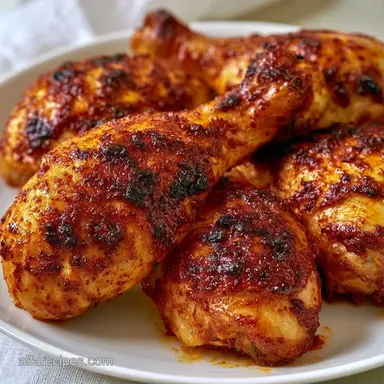
Simple Roasted Chicken Legs: Crispy and Juicy
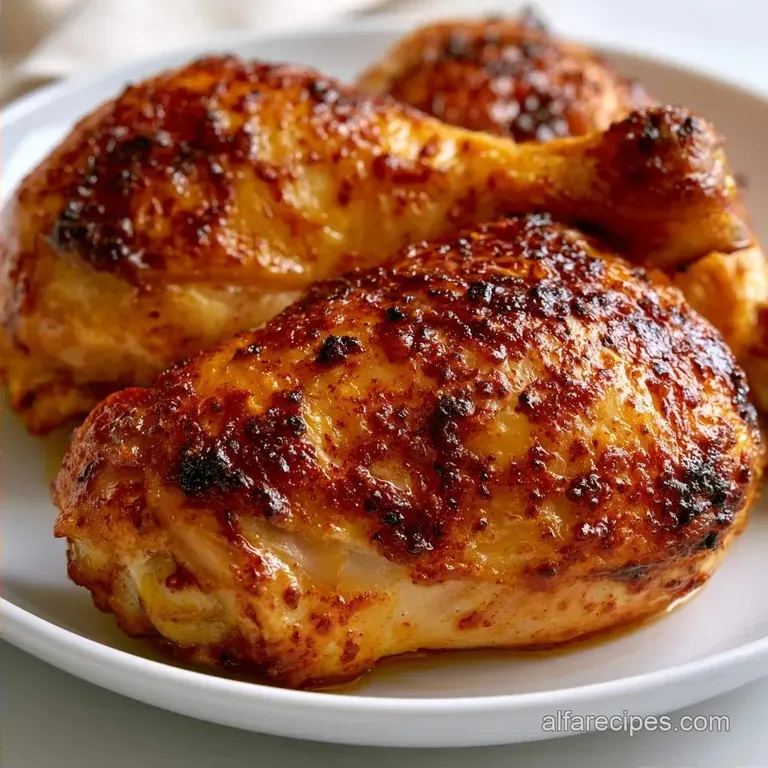
- Time:10 minutes active + 45 minutes cooking = Total 65 minutes
- Flavor/Texture Hook: Shatter crisp skin with juicy, tender dark meat
- Perfect for: Hearty weeknight family dinners or budget-friendly meal prep
- Simple Roasted Chicken Legs
- Secrets for Better Chicken Skin
- The Essential Ingredient List
- Tools for the Job
- The Cooking Process
- Fixing Common Roasting Issues
- Troubleshooting Common Issues
- Ways to Switch Flavors
- Adjusting the Batch Size
- Common Cooking Misconceptions
- Storing and Saving Leftovers
- What to Serve Alongside
- Recipe FAQs
- 📝 Recipe Card
Simple Roasted Chicken Legs
The smell of roasting chicken hitting the air is, for me, the ultimate "welcome home" scent. I grew up in a house where the Sunday roast wasn't about being fancy, but about filling the table with something hearty that didn't break the bank.
Chicken legs were always the star because they're tougher to overcook than breasts and way cheaper, making them the perfect centerpiece for a crowded table of hungry kids and adults.
When you get this right, the skin doesn't just brown, it practically crackles when you bite into it, and the meat just slides off the bone. We're talking about that deep, reddish gold color that makes everyone in the room stop talking and start reaching for the platter.
This version of Simple Roasted Chicken Legs is all about real life practicality. I've stripped away the fuss, focusing on a over high heat roast that gives you that "restaurant" finish using just a few pantry staples.
It's the kind of no fuss meal that lets you actually spend time with your family instead of being glued to the oven door.
Secrets for Better Chicken Skin
The biggest mistake I see people make is just throwing the chicken in the pan and hoping for the best. If you want that skin to actually shatter, you have to treat moisture like the enemy. Any water sitting on the skin turns into steam, and steam is the opposite of crisp.
That's why I'm obsessive about the paper towel step. Honestly, if the chicken is even slightly damp, you're just boiling the skin in its own juices.
Another thing that really makes a difference is the air circulation. If the legs are huddled together in a pan, they'll steam each other. By using a wire rack, the hot air hits the bottom of the legs just as much as the top.
It's the difference between a leg that's soggy on the bottom and one that's golden all the way around. Trust me on this, the rack is a total lifesaver for a budget friendly meal.
Finally,, don't be afraid of the heat. A lot of people roast chicken at 325°F or 350°F, but that's too low for legs. Dark meat can handle the heat, and 425°F is where the magic happens. It's where the fats render out quickly, leaving you with a thin, crispy layer of skin and a juicy interior.
What Actually Makes It Crispy
Surface Drying: Removing surface moisture prevents steam from forming, allowing the skin to sear immediately.
Air Flow: Lifting the meat on a rack allows heat to wrap around the chicken, preventing "soggy bottoms."
High Temp: 425°F triggers rapid fat rendering, which fries the skin from the inside out.
Oil Buffer: A thin layer of oil conducts heat more evenly across the skin's surface.
| Method | Time | Texture | Best For |
|---|---|---|---|
| Oven Roast | 45 mins | Shatter crisp skin, juicy meat | Family dinners, big batches |
| Stovetop | 30 mins | Browned skin, softer texture | Quick meals, single servings |
Component Analysis
| Ingredient | Science Role | Pro Secret |
|---|---|---|
| Olive Oil | Heat Conductor | Use it as a "glue" for the spices |
| Smoked Paprika | Color & Aroma | Adds a "grilled" flavor without a grill |
| Kosher Salt | Moisture Draw | Draws out water for a crispier sear |
| Cayenne | Heat Balance | Use a pinch to brighten the other spices |
The Essential Ingredient List
Since we're keeping this budget smart, we're using ingredients you probably already have. The goal is a hearty flavor that feels rich but costs very little. I prefer using a mix of drumsticks and thighs because the thigh gives you that velvety richness while the drumstick is just fun to eat.
- 3 lbs chicken legs (drumsticks and thighs) Why this? Dark meat is cheaper and stays juicy longer
- 2 tbsp olive oil Why this? High smoke point and coats evenly
- 1 tsp kosher salt Why this? Larger grains are easier to distribute
- 1 tsp smoked paprika Why this? Gives a deep mahogany color
- 1 tsp garlic powder Why this? Won't burn like fresh garlic at 425°F
- ½ tsp onion powder Why this? Adds a subtle savory depth
- ½ tsp cracked black pepper Why this? Adds a sharp, woody bite
- ¼ tsp cayenne pepper Why this? Tiny kick to wake up the palate
Smart Ingredient Swaps
| Original Ingredient | Substitute | Why It Works |
|---|---|---|
| Olive Oil | Avocado Oil | Higher smoke point. Note: Neutral flavor, great for very high heat |
| Smoked Paprika | Sweet Paprika | Similar color. Note: Loses the smoky depth, tastes milder |
| Kosher Salt | Table Salt | Same salinity. Note: Use slightly less as it's more concentrated |
| Cayenne Pepper | Chili Powder | Adds warmth. Note: Less spicy, adds a more earthy, cumin like tone |
Right then, before we get into the cooking, make sure your oven is actually preheated. Putting chicken into a lukewarm oven is a one way ticket to rubbery skin.
Tools for the Job
You don't need a fancy kitchen for this, but a couple of specific tools make these Simple Roasted Chicken Legs way better. I use a large rimmed baking sheet, but the real secret is the wire cooling rack.
If you don't have one, you can use a roasting pan with a rack, or even just slice up some thick carrots and onions to act as a "natural" rack.
I also highly recommend an instant read thermometer. I know some people swear by the "poke it with a fork" method, but that's how you end up with dry meat. For dark meat, we're looking for a higher temperature than breasts to break down the connective tissue, so a thermometer is the only way to be sure.
Finally, have a stack of paper towels ready. I can't emphasize this enough: dry chicken is the only way to get a shatter crisp result. If you're using a budget friendly brand of paper towels, just use a few more.
The Cooking Process
Let's crack on with the actual roasting. This is a straightforward process, but the details in the "how" are what make the difference between a boring dinner and a family favorite.
- Use paper towels to pat every inch of the chicken legs completely dry to ensure the skin sears instead of steaming. Note: Even a tiny bit of moisture can ruin the crunch
- Place the chicken in a bowl and toss with 2 tbsp of olive oil to coat the skin.
- Mix the salt, smoked paprika, garlic powder, onion powder, black pepper, and cayenne pepper. Sprinkle the rub evenly over the chicken, massaging it into the skin.
- Preheat the oven to 425°F (218°C) and place a wire cooling rack inside a large rimmed baking sheet.
- Arrange the seasoned chicken on the rack, ensuring pieces are not touching to allow 360 degree air circulation.
- Bake for 40–45 minutes until the skin is a deep mahogany brown and the juices run clear.
- Use an instant read thermometer to verify the thickest part of the leg has reached an internal temperature of 185°F (85°C). Note: Check out this great article by America’s Test Kitchen regarding “overcooking” chicken drumsticks and thighs to understand why a higher temp is better for dark meat
- Transfer the chicken to a plate and let it rest for 5–10 minutes to allow juices to redistribute.
Chef's Note: If you're roasting these alongside potatoes, cut the potatoes into small 1 inch cubes and toss them in the same oil and spice mix. Scatter them on the baking sheet underneath the wire rack. The chicken fat will drip down and essentially fry the potatoes while they roast. It's a total win.
Fixing Common Roasting Issues
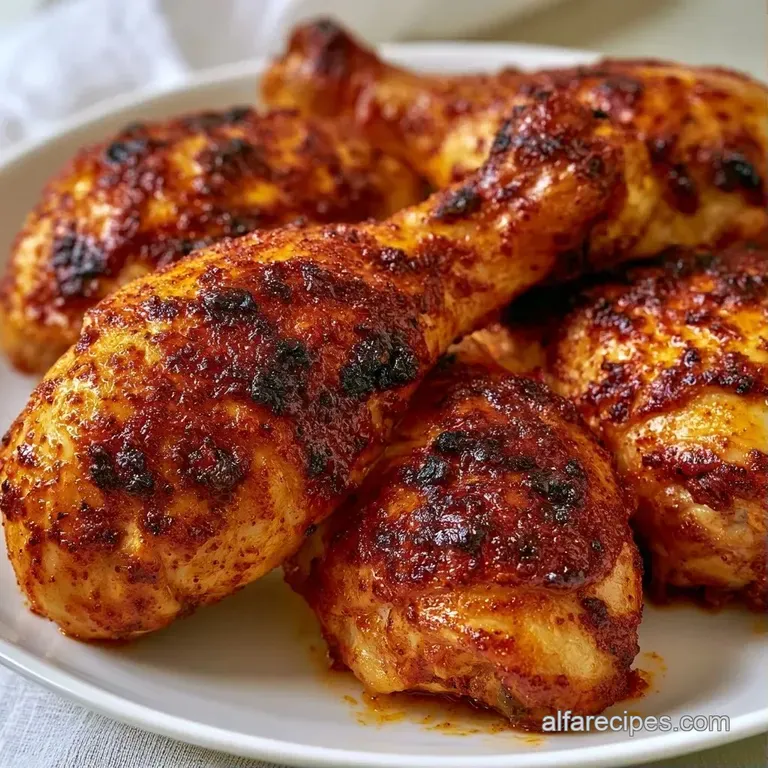
Even with a simple recipe, things can go sideways. Usually, it comes down to temperature or moisture. If your skin isn't crisping, it's almost always because the oven wasn't hot enough or the chicken was too wet.
Troubleshooting Common Issues
| Issue | Solution |
|---|---|
| Why Your Skin is Rubbery | This usually happens when the chicken is crowded in the pan. When legs touch, they create little pockets of steam that soften the skin. Make sure there's at least an inch of space between each piece. |
| Why the Spices Burnt | At 425°F, some spices can scorch if there isn't enough oil. Make sure the chicken is well coated in olive oil before you add the rub; the oil protects the spices from burning. |
| Why the Meat is Dry | Ironically, undercooking dark meat can make it feel "tough" or "rubbery." Because legs have more connective tissue, they actually need to hit that 185°F mark to become tender. |
Common Mistakes Checklist
- ✓ Patting chicken dry with paper towels before oiling
- ✓ Using a wire rack instead of placing meat directly on the pan
- ✓ Allowing at least 5 minutes of resting time before serving
- ✓ Avoiding the urge to crowd the baking sheet
- ✓ Using a meat thermometer instead of guessing the doneness
Ways to Switch Flavors
Once you've got the hang of Simple Roasted Chicken Legs, you can treat the rub like a blank canvas. Since we're focusing on budget smart cooking, you don't need expensive ingredients to change the whole vibe of the meal.
For a zesty Mediterranean feel, swap the paprika for dried oregano and add a squeeze of fresh lemon juice right after the chicken comes out of the oven. The acidity cuts through the richness of the dark meat beautifully. If you want something with a bit more of a kick, you can brush the legs with a Thai Peanut Sauce during the last 5 minutes of cooking for a nutty, savory glaze.
If you're feeling like a "one pan feast," you can roast these legs with chunks of sweet potato and red onion. The sweetness of the potatoes pairs perfectly with the smoked paprika. Just be sure to toss the vegetables in the same oil and salt mixture so they don't taste bland next to the seasoned chicken.
Adjusting the Batch Size
Cooking for two is very different from cooking for a crowd of ten. When you're scaling this recipe, you have to think about how the oven handles the extra moisture.
Scaling Down (1-2 people): If you're only making 2-3 legs, you can use a smaller toaster oven or a small baking sheet. You'll likely need to reduce the cooking time by about 5-10 minutes because there's less mass in the oven to absorb the heat. Keep a close eye on the color.
Scaling Up (Family gatherings): When doubling or tripling the recipe, don't just cram more chicken onto one tray. Use two separate baking sheets. If you crowd them, the "steam effect" will return, and you'll lose that shatter crisp skin.
Also, only increase the salt and spices by about 1.5x rather than 2x; spices tend to intensify in larger batches.
| Batch Size | Pan Setup | Temp Adjustment | Time Change |
|---|---|---|---|
| Single (1lb) | Small Sheet | No change | -5 to 10 mins |
| Double (6lb) | 2 Large Sheets | No change | +5 mins (more mass) |
Right then, let's clear up a few things that people often get wrong about roasting.
Common Cooking Misconceptions
You'll hear a lot of advice that's actually a bit misleading. For one, many people believe that searing the chicken in a pan before roasting "seals in the juices." In reality, searing doesn't seal anything. Moisture loss happens regardless of how you start. The sear is purely for flavor and color.
In this recipe, the 425°F oven does the "searing" for you, saving you a dirty pan.
Another myth is that all chicken should be cooked to 165°F. While that's true for breasts, it's actually not the best for legs. Dark meat has more collagen, which doesn't break down into juicy gelatin until it hits higher temperatures.
Taking your legs to 185°F doesn't make them dry; it actually makes them more tender.
Storing and Saving Leftovers
If you have leftovers, store them in an airtight container in the fridge for up to 4 days. The only downside is that the skin will lose its crunch. To bring it back to life, don't use the microwave. Instead, pop them back in the oven or an air fryer at 375°F for about 5-8 minutes.
This will re crisp the skin without drying out the meat.
For the freezer, you can freeze cooked legs for up to 3 months. Wrap them tightly in foil and then put them in a freezer bag to prevent freezer burn. Thaw them in the fridge overnight before reheating in the oven.
Zero Waste Tip: Don't throw away the bones! Once you've eaten the meat, toss the bones into a pot with some water, a carrot, and a bit of celery. Simmer them for a few hours to make a rich, homemade chicken stock. It's the most budget friendly way to get a gourmet base for your next soup or stew.
What to Serve Alongside
These Simple Roasted Chicken Legs are hearty on their own, but they love a side dish that can soak up the juices. I usually go for something bright and acidic to balance the richness of the dark meat. A simple arugula salad with a lemon vinaigrette or some steamed green beans works a treat.
If you're feeding a crowd, a big pot of buttery mashed potatoes or a wild rice pilaf is a classic choice. For the kids, I often make a batch of Easy Pasta Sauces to serve with some noodles on the side. It keeps the meal feeling complete and satisfying without requiring too much extra work in the kitchen.
Another great option is roasted root vegetables. Since the oven is already at 425°F, you can slide in a tray of carrots and parsnips. They'll caramelize in the same amount of time as the chicken, giving you a colorful, nutrient dense plate that feels like a proper Sunday feast.
Recipe FAQs
How long should I roast chicken legs in the oven?
Bake for 40 45 minutes at 425°F (218°C). Use an instant read thermometer to ensure the thickest part of the leg reaches 185°F (85°C) for the best texture.
Are chicken drumsticks ok for diabetics?
Yes, they are a great option. Drumsticks are high in protein and low in carbohydrates, meaning they won't cause significant blood sugar spikes.
Is it better to cook chicken legs at 350 or 400?
Neither; 425°F (218°C) is the ideal temperature. This higher heat is necessary to render the fat and achieve a deep mahogany, crispy skin.
Should I cover chicken legs when roasting?
No, leave them uncovered. Covering the chicken traps steam, which results in rubbery skin instead of a crisp sear.
What are some good roasted chicken recipes?
Try varying the cut based on your meal. For a grander centerpiece, our crispy roasted chicken is an excellent alternative to legs.
How to roast a 6.25 lb whole chicken?
Season the skin thoroughly and roast in a preheated oven. Use a meat thermometer to ensure the breast reaches 165°F before letting the bird rest.
How to make Hungarian roasted chicken?
Rub the chicken with smoked paprika and garlic powder. Roast until the skin is a deep brown and the juices run clear.
Simple Roasted Chicken Legs: Crispy