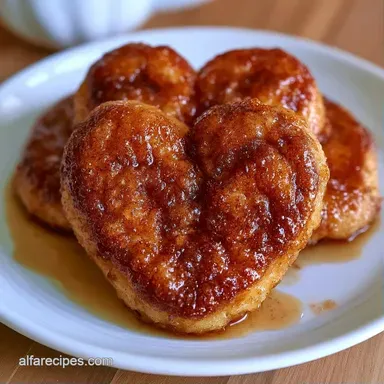
Puff Pastry Palmiers: Cinnamon Sugar
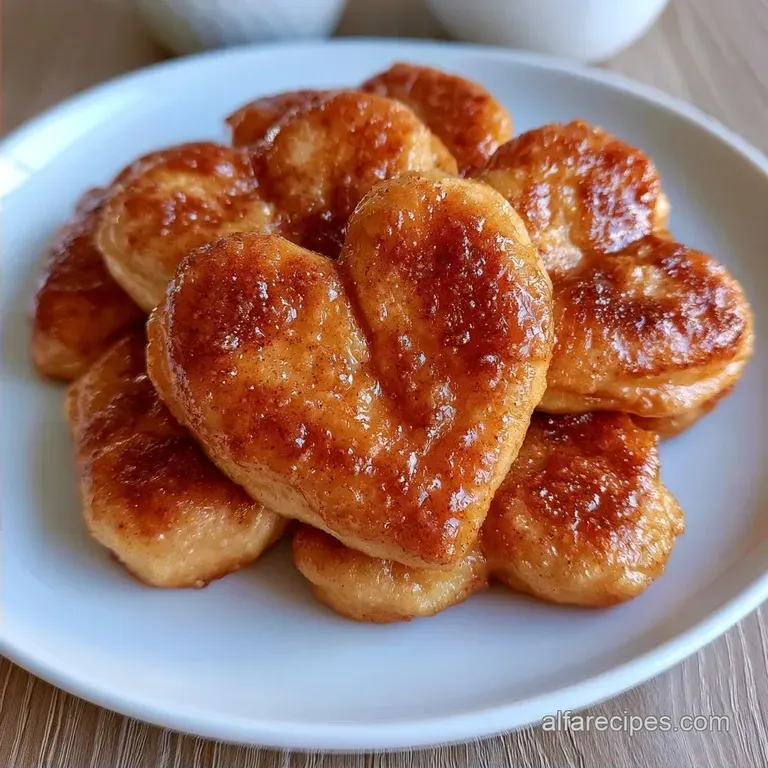
- Time: 15 min active + 30 min chilling
- Flavor/Texture Hook: Shatteringly crispy with a deep cinnamon sugar snap
- Perfect for: Weekend brunch or a quick fancy dessert
That smell of bubbling, burnt sugar hitting the air is the best part of this process. I used to think you had to spend three days laminating butter into dough to get those flaky layers, but that's a total myth. Honestly, frozen puff pastry is often more consistent than what I can do at home on a hot July afternoon.
You don't need a professional kitchen to get a high rise heart shape. The key is just temperature control and a bit of patience with the freezer. This recipe gives you that classic French bakery vibe with almost zero effort.
I've found that a few small tweaks to the chilling process make these Puff Pastry Palmiers way more consistent. You'll get a treat that's crispy on the outside and slightly chewy in the center.
Puff Pastry Palmiers
The physics of this bake is actually pretty cool. It's all about the "lift."
Cold Butter: Frozen layers of butter create steam pockets in the oven, which forces the dough to expand upward. Sugar Saturation: The sugar doesn't just add sweetness, it draws moisture out of the dough to create a glossy, hard shell.
| Method | Time | Texture | Best For |
|---|---|---|---|
| Oven Bake | 12 mins | Airy, crisp, heart shaped | Classic presentation |
| Pan Fry | 5 mins | Dense, oily, flat | Quick snacks (no lift) |
The heat distribution in the oven is what allows the pastry to puff and the sugar to caramelize without burning the bottom.
The Building Blocks
Understanding how these three items interact is what makes the results predictable.
| Ingredient | What It Does | Best Swap |
|---|---|---|
| Puff Pastry | Provides the structure and lift | Homemade rough puff |
| White Sugar | Creates the caramel crust | Brown sugar (richer, softer) |
| Cinnamon | Adds warm, woody flavor | Cardamom or Nutmeg |
Equipment Needed
You don't need much, but a few specific tools help. A rolling pin is essential for pressing the sugar in. I also suggest using a sharp chef's knife for slicing the log, as a dull blade will squish the layers and ruin the lift.
Parchment paper is a non negotiable here; without it, the melting sugar will glue your cookies to the pan.
How to Make Them
Right then, let's get into it. Make sure your pastry is thawed but still cool to the touch.
Phase 1: Preparing the Sugar Bed
Sprinkle about 1/4 cup (50 g) of the sugar and cinnamon directly onto a clean work surface or parchment paper. Place the thawed puff pastry sheet on top and use a rolling pin to gently press the sugar into the bottom of the dough. Note: This ensures the bottom doesn't stick and caramelizes evenly.
Phase 2: Rolling for the Heart Shape
Sprinkle the remaining sugar over the top surface of the pastry. Lightly roll the dough to embed the sugar. Fold the left and right edges toward the center until they meet, then fold them in half one more time so the edges overlap slightly, forming a tight rectangular log.
Phase 3: The Critical Chill
Wrap the log in plastic wrap or place it on a tray and freeze for 30 minutes (or refrigerate for 1 hour) to firm up the butter. Note: Slicing warm dough leads to flat cookies.
Phase 4: Slicing and Baking
Preheat the oven to 400°F (200°C) and line a baking sheet with parchment paper. Slice the chilled log into pieces approximately 1/2 inch (1.3 cm) thick. Place them on the tray leaving 2 inches of space between each cookie and bake for 12 minutes until caramelized and golden brown.
Avoiding Baking Disasters
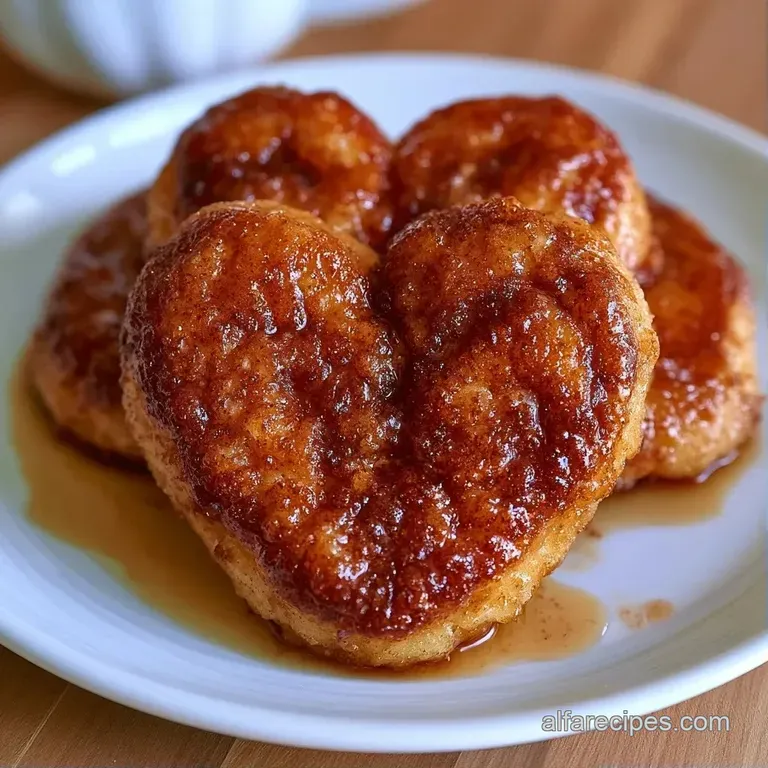
If your pastries aren't behaving, it's usually a temperature issue. When the butter melts before the dough hits the oven, you lose the air pockets.
Why are they flat?
This usually happens if the log wasn't chilled enough or if the oven temperature was too low. If the butter is too soft, it leaks out instead of steaming.
Sugar burned too fast?
Too much sugar on the edges or an oven that runs hot can cause this. Check your oven calibration if you see black edges before 10 minutes.
Sticking to the pan?
This happens if you used foil instead of parchment or if the cookies were too close together. The sugar turns into a liquid syrup that bonds to metal.
| Problem | Root Cause | Solution |
|---|---|---|
| Flat hearts | Warm dough | Freeze log for 30 mins |
| Burnt bottoms | Oven too hot | Move rack to middle position |
| Merged cookies | Too close together | Leave 2 inches of space |
Flavor Variations to Try
Simple Puff Pastry Palmiers are great, but you can change the profile easily. For a more complex taste, try adding a pinch of salt to the sugar mix. If you want something different, you could use a sugar cookies recipe approach by adding vanilla bean paste to the dough before folding.
For a decadent finish, dip half of the cooled cookie in melted dark chocolate and sprinkle with sea salt. For a savory twist, skip the sugar and use grated parmesan and cracked black pepper.
Quick Decision Guide:
- If you want a deep caramel color, bake for 14 minutes.
- If you prefer a softer center, slice the logs slightly thicker (3/4 inch).
- If you want a spicy kick, add 1/4 tsp of cayenne to the cinnamon sugar.
Adjusting the Batch Size
If you're only using half a sheet of pastry, you can reduce the prep time, but don't skip the chill. Use a smaller baking sheet and keep the 400°F temperature.
For double batches, work in two separate logs. If you crowd too many on one tray, the moisture release will steam the cookies instead of crisping them. For large batches, I lower the oven to 375°F (190°C) and add 2-3 minutes to the timer to ensure the centers are cooked through without burning the edges.
Common Beliefs
Some people think you need a pastry blender to get the layers right. You don't. When using store-bought puff pastry, the lamination is already done for you.
Another myth is that you should roll the dough thin. Actually, keeping the dough at its original thickness helps the hearts maintain their height and structure.
Storage and Reheating
Keep these in an airtight container at room temperature for up to 3 days. Don't put them in the fridge, or the sugar will absorb moisture and become sticky. They freeze well for up to 2 months; just wrap them tightly in foil.
To reheat, put them in a 350°F (180°C) oven for 3 minutes. This brings back the snap and melts the sugar slightly. As for zero waste, any leftover cinnamon sugar can be sprinkled on toast or stirred into oatmeal.
Pairing Your Treats
These are quite sweet, so they work best with something acidic or bitter. A strong espresso or a tart raspberry coulis balances the richness of the butter. If you're serving these as part of a larger spread, they contrast well with a savory tart recipe to give your guests a mix of flavors.
Recipe FAQs
Can I make Palmiers with puff pastry?
Yes, puff pastry is the essential base. Its laminated layers create the characteristic flaky, crisp texture and heart shape.
How to prevent the puff pastry from sticking to the counter?
Sprinkle sugar directly onto your work surface. This creates a non-stick barrier and embeds flavor into the bottom of the dough.
Is it true that I can skip the freezing step and slice the log immediately?
No, this is a common misconception. Freezing for 30 minutes firms up the butter, ensuring clean cuts and preventing the dough from flattening during baking.
How to slice the log for even heart shapes?
Cut pieces approximately 1/2 inch thick. Use a sharp knife to slice through the chilled log to maintain the defined layers.
Can I store these in the refrigerator to keep them fresh?
No, avoid the fridge. The sugar will absorb moisture from the cold air, making the cookies sticky instead of crisp.
How to reheat palmiers to make them crispy again?
Place them in a 350°F (180°C) oven for 3 minutes. This restores the snap and slightly melts the sugar.
Can I make a savory version of these cookies?
Yes, omit the cinnamon and sugar. Use a savory spice blend, similar to the bold flavors in our Taco Seasoning, for a zesty appetizer.
Puff Pastry Palmiers