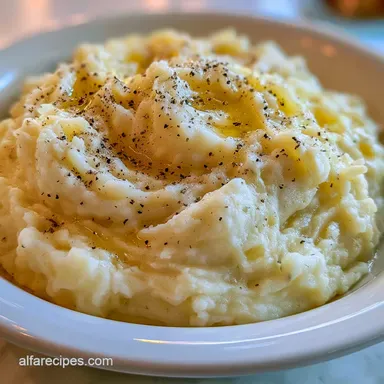
Easy Garlic Mashed Potatoes: Silky and Smooth
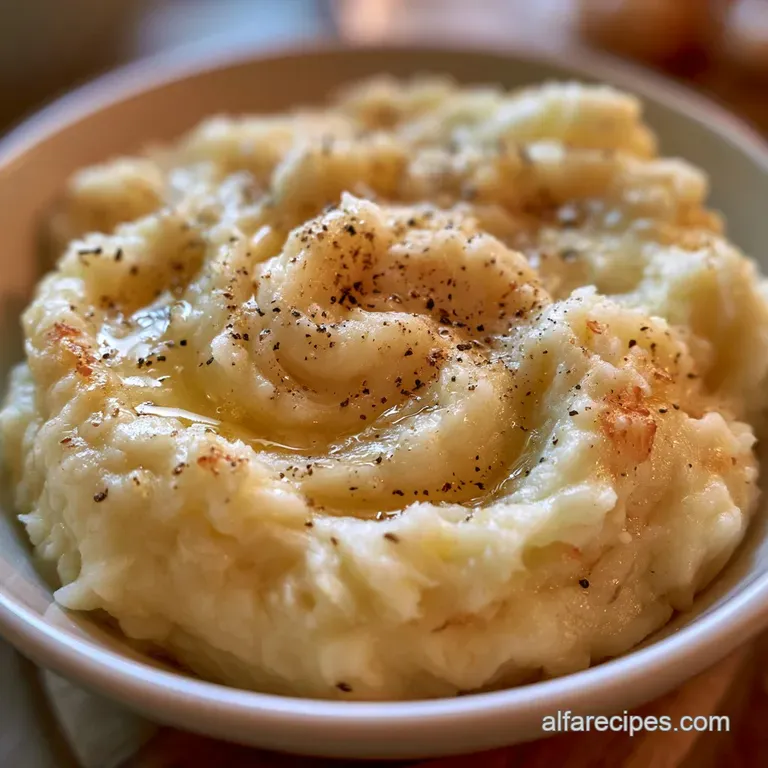
- Time: 10 min active + 20 min cooking = Total 30 minutes
- Flavor/Texture Hook: Silky smooth with a toasted garlic warmth
- Perfect for: Sunday roasts or quick weeknight comfort meals
That scent of garlic hitting melted butter is, for me, the official smell of "home." Growing up, mashed potatoes weren't just a side dish; they were the anchor of every single family meal.
Whether it was a rainy Tuesday or a chaotic Thanksgiving, the big bowl of mash in the center of the table meant everyone was taken care of. It's that kind of hearty, no fuss food that brings people together, regardless of how loud the conversation gets.
I remember one particular holiday where I tried to be too fancy and used a food processor. Big mistake. I ended up with a gluey paste that looked more like wallpaper adhesive than food. My dad just laughed and told me to stick to the basics.
That's when I realized that the best versions of this dish aren't about high tech gear, but about timing and temperature.
Once you get the flow right, making easy garlic mashed potatoes becomes second nature. You want that contrast between the creamy potato base and the punchy, aromatic garlic. It's a simple balance, but when it hits, it's absolutely comforting. Let's get into how to do this without the stress.
Easy Garlic Mashed Potatoes Guide
To get this right, we have to respect the potato. It's not just a vegetable; it's a starch bomb that can either be your best friend or a gummy nightmare. The goal is to keep those starch granules intact while surrounding them with fat.
Warm Fat Infusion: Adding hot butter and cream prevents the potatoes from cooling down too fast, which keeps the texture silky.
Starch Control: Simmering instead of a violent boil prevents the edges of the potato cubes from disintegrating before the center is cooked.
Garlic Timing: Sautéing garlic separately ensures you get a mellow, toasted flavor instead of the harsh, biting taste of raw garlic.
Uniform Cutting: Keeping cubes at 1 inch ensures every piece finishes cooking at the exact same time.
| Style | Prep Time | Texture | Best For |
|---|---|---|---|
| Fast | 10 minutes | Light & Airy | Weeknight meals |
| Classic | 25 minutes | Dense & Rich | Holiday feasts |
Most of us just throw everything in a pot, but thinking about what each ingredient actually does helps you fix things on the fly. For example, if you've ever wondered why your mash feels "heavy," it's usually because the starch wasn't managed well.
Component Analysis
| Ingredient | Science Role | Pro Secret |
|---|---|---|
| Yukon Gold | Low starch base | Naturally buttery flavor and texture |
| Heavy Cream | Fat emulsifier | Use room temp or warm to avoid lumps |
| Unsalted Butter | Flavor carrier | Sauté garlic in it to lock in aroma |
| Kosher Salt | Flavor enhancer | Salt the water heavily to season the core |
Right then, let's look at what you'll need. I'm a huge fan of Yukon Golds because they're the middle ground between the fluffiness of Russets and the waxiness of Reds. They basically mash themselves.
Ingredients
- 3 lbs Yukon Gold potatoes, peeled and cubed Why this? Best balance of creaminess and flavor
- 1 tsp kosher salt Why this? For the boiling water to season inside out
- 4 cloves garlic, minced Why this? Fresh garlic beats powder every time
- 1/2 cup unsalted butter Why this? Adds the necessary richness
- 1/2 cup heavy cream Why this? For that velvety, professional finish
- 1/2 tsp ground black pepper Why this? Adds a subtle, earthy heat
- 1/2 tsp salt Why this? Final seasoning adjustment
If you're missing something, don't panic. You can swap the heavy cream for whole milk, though it'll be slightly less rich. For the garlic, if you're in a massive rush, garlic powder works, but you lose that aromatic depth.
| Original Ingredient | Substitute | Why It Works |
|---|---|---|
| Heavy Cream (1/2 cup) | Whole Milk (1/2 cup) | Similar liquid base. Note: Less richness, thinner consistency |
| Yukon Gold (3 lbs) | Russet Potatoes (3 lbs) | High starch. Note: Fluffier but can become grainy |
| Unsalted Butter (1/2 cup) | Vegan Butter (1/2 cup) | Same fat ratio. Note: Check for salt content in the brand |
You don't need a fancy kitchen to pull this off. In fact, the simpler the tools, the better the result. I've found that a basic handheld masher is far superior to any electric mixer because it gives you control over the texture.
Essential Kitchen Tools
- Large stockpot: To give the potatoes room to move.
- Colander: For a thorough drain.
- Small saucepan: To infuse the garlic butter.
- Hand masher: To avoid over working the starch.
- Chef's knife: For uniform 1 inch cubes.
Chef Note: If you want an even smoother finish, you can pass the mashed potatoes through a ricer, but for a family style meal, the hand masher is perfectly fine and keeps a bit of that rustic charm.
The Cooking Process
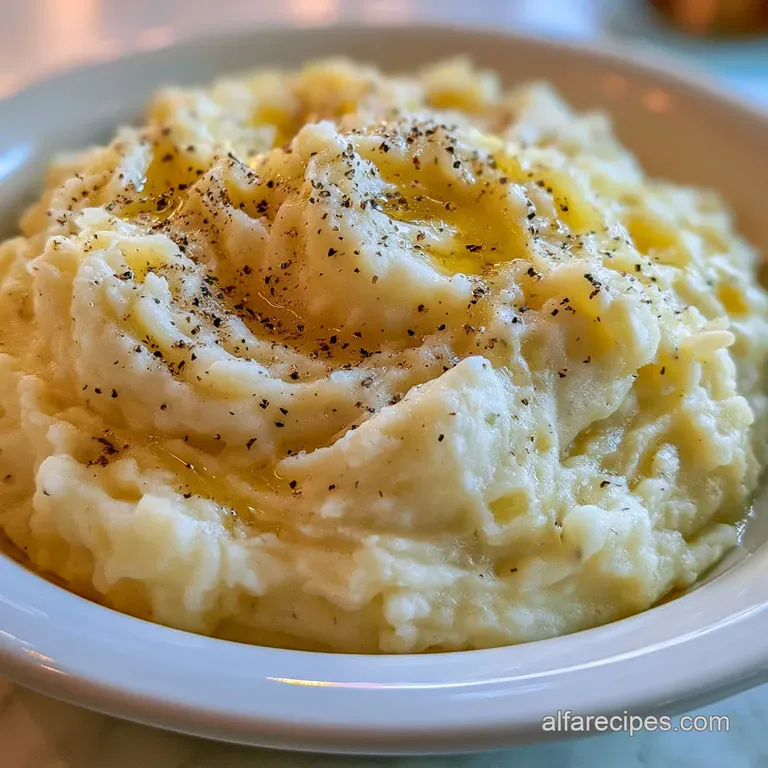
I like to think of this in three phases: the Prep, the Infusion, and the Finish. This flow ensures that nothing is sitting around getting cold while you're struggling with another step.
Phase 1: Prep (10 minutes) Peel the potatoes and cut them into uniform 1 inch cubes. This is the most important part for even cooking. Place them in the stockpot and cover with cold water by at least two inches. Add the boiling salt.
Phase 2: The Cook (20 minutes) Bring the water to a boil over high heat, then reduce to a simmer. Cook for 15-20 minutes until the potatoes are fork tender and slide off the fork easily.
While the potatoes simmer, melt the butter in a small saucepan over medium low heat. Add the minced garlic and sauté for 2-3 minutes until fragrant and translucent. Be careful here, garlic burns fast and becomes bitter.
Stir the heavy cream into the garlic butter and bring it to a very gentle simmer. Keep this warm on the lowest setting.
Phase 3: The Finish (5 minutes) Drain the potatoes thoroughly in a colander. Let them steam for about 30 seconds to let excess water evaporate. Return them to the pot and mash manually until no large lumps remain.
Slowly pour in the warm garlic butter mixture while stirring. Fold gently with a wooden spoon or spatula until the potatoes are velvety and integrated. Stir in the black pepper and the final 1/2 tsp of salt.
Common Mistakes & Troubleshooting
The biggest enemy of easy garlic mashed potatoes is over mixing. When you beat potatoes too hard (especially with a mixer), you release too much starch, and they turn into a sticky, gummy paste. If this happens, it's hard to reverse, but you can sometimes save it with a splash more warm cream.
| Issue | Solution |
|---|---|
| Why Your Mash Is Gummy | This usually happens from over working the potatoes or using a blender. The starch cells rupture and create a glue like consistency. |
| Why Your Mash Is Lumpy | Lumps happen when the potatoes aren't cooked through or you didn't mash them enough before adding the liquids. |
| Why Your Garlic Is Bitter | If the garlic turned brown or dark gold in the butter, it's burnt. Burnt garlic has a sharp, acrid taste that ruins the creaminess. |
- ✓ Use Yukon Golds for the best natural texture.
- ✓ Always start potatoes in cold water to ensure even cooking.
- ✓ Warm your butter and cream before adding them to the pot.
- ✓ Stop mashing the moment the large lumps disappear.
- ✓ Sauté garlic on low heat to avoid bitterness.
Flavor Variations to Try
Once you've got the base down, you can really play around with the flavor profile. I often make a double batch and change the toppings depending on what we're eating.
For a sharper kick, stir in a tablespoon of sour cream or Greek yogurt at the end. This adds a tangy depth that cuts through the richness of the butter. If you want something more intense, you can try roasted garlic mashed potatoes by roasting a whole head of garlic in the oven first and squeezing the paste into the mash.
If you're looking for something more savory, a sprinkle of freshly grated Parmesan or a pinch of nutmeg can change the whole vibe. According to the USDA FoodData Central, adding dairy fats like cream and butter significantly alters the mouthfeel, so if you want a lighter version, you can substitute some of the butter with a bit of the starchy potato cooking water.
For those who love a bit of a punch, adding a teaspoon of Dijon mustard or some chopped chives provides a fresh, aromatic contrast. If you're serving this with my Classic Chili recipe, a bit of extra black pepper in the mash complements the spices in the chili beautifully.
Storage & Reheating
Mashed potatoes keep surprisingly well in the fridge for about 3-4 days. Store them in an airtight container to prevent them from picking up other fridge smells.
When reheating, the trick is to avoid the microwave if you can. Microwaves tend to make them patchy and dry. Instead, put them back in a saucepan over low heat and add a tiny splash of milk or butter to loosen them up. Stir gently until they're warmed through.
If you have leftovers, don't let them go to waste. You can spread them in a baking dish, top with cheese, and bake them until the top is crispy for a quick shepherd's pie style topping. You can also freeze them for up to 2 months, though the texture might change slightly upon thawing.
What to Serve This With
These potatoes are the ultimate supporting actor. They soak up gravies and sauces perfectly, making them the ideal partner for almost any protein.
I love pairing these with a rich meat dish. They go incredibly well with a Cream Cheese Chicken because the silky sauce from the chicken blends right into the garlic mash. If you're doing a traditional roast beef or a glazed ham, these provide the perfect creamy balance to the salty meat.
For a vegetarian option, try serving them alongside roasted root vegetables or a thick mushroom gravy. Because they're so rich, they also pair well with something acidic, like a side of garlicky sautéed spinach or a crisp green salad with a lemon vinaigrette.
Trust me, the contrast of the warm, buttery potatoes with a sharp salad is a winner every time.
Recipe FAQs
How to make the best garlic mash?
Boil 1 inch Yukon Gold cubes in salted water for 15-20 minutes until fork tender. Mash manually, then fold in a warm mixture of sautéed garlic, butter, and heavy cream for a velvety texture.
When should I add garlic to mashed potatoes?
Sauté it separately before mixing. Melt butter over medium low heat and sauté minced garlic for 2-3 minutes until fragrant, then stir in heavy cream before folding the mixture into the drained potatoes.
Are mashed potatoes safe for celiacs?
Yes, they are naturally gluten-free. Potatoes, butter, and cream contain no gluten, making this recipe safe for those with celiac disease.
Can you make garlic mashed potatoes with garlic butter?
Yes, garlic butter works perfectly. It streamlines the flavoring process; for another pairing that uses similar bold flavors, try these garlic rolls.
Why are my mashed potatoes gummy?
Over mixing is the cause. Using a blender or beating them too hard ruptures starch cells, creating a glue like consistency. Stir in a splash of warm heavy cream to help loosen the texture.
How to reheat mashed potatoes without them drying out?
Warm them in a saucepan over low heat. Add a tiny splash of butter or heavy cream to restore moisture and stir gently until heated through.
Is it true that using a blender makes the smoothest mashed potatoes?
No, this is a common misconception. Blenders over process the starch, which turns the potatoes into a sticky, gummy paste. Mash them manually for the best velvety result.
Easy Garlic Mashed Potatoes