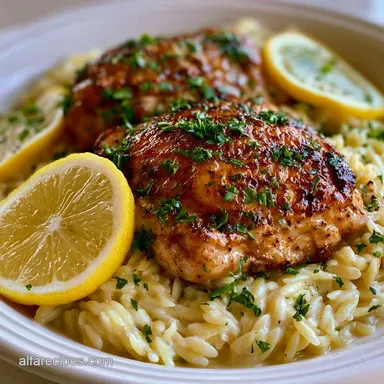
Lemon Chicken Orzo: One Pan and Creamy

- Time:15 minutes active + 20 minutes cooking = Total 35 minutes
- Flavor/Texture Hook: Zesty, silky sauce with a golden brown chicken crust
- Perfect for: Busy weeknight dinners or a hearty family meal
- The Best Lemon Chicken Orzo
- Why Toasting the Pasta Works
- Essential Ingredient Deep Dive
- Everything You Need To Buy
- Tools For Easy Cooking
- From Prep to Plate
- Solving Common Cooking Problems
- Ways to Change Flavor
- Keeping Leftovers Fresh
- Serving and Enjoying Your Meal
- High in Sodium
- Recipe FAQs
- 📝 Recipe Card
The sharp, citrusy scent of fresh lemon zest hitting a hot pan is where the magic starts. I remember the first time I tried making a version of this in my own kitchen, thinking I could just boil the pasta separately and toss it all together. It was fine, but it lacked that deep, connected flavor.
It wasn't until I leaned into the Mediterranean style of cooking, where the grains actually soak up the chicken juices and broth, that this dish really clicked.
Growing up, I always loved those big, crowded tables where one giant pot of food fed everyone. That's exactly the vibe of this Lemon Chicken Orzo. It's inspired by the Greek avgolemono flavors but simplified for a home cook who doesn't have four hours to spend over a stove.
It's the kind of meal that makes the whole house smell like a summer vacation in Athens, even if it's raining outside.
You can expect a dish that feels a bit like a risotto but without the constant stirring and stress. We're aiming for a velvety consistency where the pasta is tender but still has a bit of a bite, and the chicken is seared to a beautiful gold.
This Lemon Chicken Orzo isn't about being fancy, it's about being hearty and comforting.
The Best Lemon Chicken Orzo
When you first start cooking this, you'll notice how the different layers of flavor build. First, there's the savory hit of the seared chicken, then the aromatic base of onion and garlic, and finally the bright, acidic punch of the lemon. The trick is not to rush the browning process.
If you crowd the pan, the chicken steams instead of searing, and you lose those brown bits that make the sauce taste like it's been simmering for hours.
I've found that using a deep skillet is the secret to success here. You need enough room to get a good crust on the meat, but enough depth to hold the liquid as the orzo expands. This Lemon Chicken Orzo relies on the starch from the pasta to thicken the sauce, so we don't need any flour or cornstarch.
It's just pure, simple ingredients working together.
Honestly, don't even bother with low-fat cheese here. The Parmesan needs to be the real deal to get that silky finish. When the cheese melts into the lemon cream mixture, it creates a coating that clings to every single grain of orzo. It's a no fuss meal that looks like you spent way more effort than you actually did.
Why Toasting the Pasta Works
Instead of boiling the pasta in a separate pot of water, we toast the dry orzo in butter. This is the one step most people skip, but it's the reason this recipe actually works.
- Starch Stabilization: Toasting the orzo creates a slight barrier on the outside of the grain, which prevents it from releasing too much starch too quickly. This means the pasta stays distinct and doesn't turn into a porridge.
- Flavor Development: When the orzo hits the butter, it undergoes a nutty transformation. It moves from tasting like plain flour to having a toasted, popcorn like aroma that adds depth to the Lemon Chicken Orzo.
- Liquid Absorption: Toasted grains absorb the chicken broth more evenly. This allows the pasta to cook through while simultaneously thickening the sauce around it.
- Texture Contrast: By searing the chicken first and then toasting the pasta, you create two different "browned" flavors that balance the brightness of the lemon juice.
| Method | Prep Time | Texture | Best For |
|---|---|---|---|
| Fast (Boiled) | 20 mins | Looser/Watery | Quick lunch |
| Classic (Toasted) | 35 mins | Velvety/Rich | Family dinner |
Essential Ingredient Deep Dive
Understanding how these components interact helps you adjust the recipe on the fly. For example, if you want a more intense citrus punch, you can increase the zest without making the sauce too sour.
| Ingredient | Science Role | Pro Secret |
|---|---|---|
| Orzo Pasta | Starch base | Toast until golden for a nutty flavor |
| Lemon Juice | Acid balancer | Add at the end to keep the flavor bright |
| Parmesan | Emulsifier | Use freshly grated to avoid clumps |
| Heavy Cream | Fat stabilizer | Prevents the lemon from curdling the sauce |
Everything You Need To Buy
For this Lemon Chicken Orzo, you want ingredients that provide a balance of fat, acid, and salt. I always recommend getting a lemon with a thin skin, as they usually have more juice.
The Protein and Seasoning
- 1.5 lbs boneless skinless chicken breasts, cut into 1 inch piecesWhy this? Quick cooking and absorbs flavor well
- 1 tsp salt
- 1/2 tsp black pepper
- 1 tsp dried oreganoWhy this? Adds that classic Mediterranean earthiness
The Aromatics and Base
- 2 tbsp unsalted butterWhy this? For toasting and rich flavor
- 1 tbsp olive oilWhy this? High smoke point for searing chicken
- 1 small yellow onion, finely diced
- 3 cloves garlic, minced
The Heart of the Dish
- 1.5 cups uncooked orzo pastaWhy this? Rice shaped pasta for a risotto feel
- 3 cups low sodium chicken brothWhy this? Controls the salt level
- 1/2 cup heavy creamWhy this? Creates the velvety finish
- 1 lemon, zested and juicedWhy this? Provides the signature brightness
- 1/2 cup freshly grated Parmesan cheeseWhy this? Adds salt and creaminess
- 2 cups baby spinach, choppedWhy this? Adds color and nutrients
- 2 tbsp fresh parsley, chopped
Substitution Options
If you're missing something, don't panic. Most of these can be swapped without ruining the meal.
| Original Ingredient | Substitute | Why It Works |
|---|---|---|
| Heavy Cream (1/2 cup) | Full fat Greek Yogurt (1/2 cup) | Similar creaminess. Note: Stir in at the very end off heat to prevent curdling |
| Chicken Broth (3 cups) | Vegetable Broth (3 cups) | Same liquid ratio. Note: Slightly milder flavor |
| Parmesan (1/2 cup) | Pecorino Romano (1/2 cup) | Similar salty, hard cheese. Note: Pungent and saltier than Parmesan |
| Baby Spinach (2 cups) | Chopped Kale (2 cups) | Similar greens. Note: Kale needs 2-3 more minutes to soften |
Tools For Easy Cooking
You don't need a kitchen full of gadgets for this. I'm a big believer in minimal tools because it means fewer dishes to wash after a long day.
The only non negotiable is a 12 inch deep skillet. A shallow pan will overflow when you add the broth and orzo, and a pot is too narrow to sear the chicken properly. If you don't have a skillet with a lid, a large oven safe pan with a foil cover works just as well.
I also suggest using a microplane or a fine grater for the lemon zest and Parmesan. You want the zest to be like tiny confetti, not long strips of peel, which can be bitter. For the chicken, a sharp chef's knife is key to getting those uniform 1 inch pieces so they all cook at the same speed.
From Prep to Plate
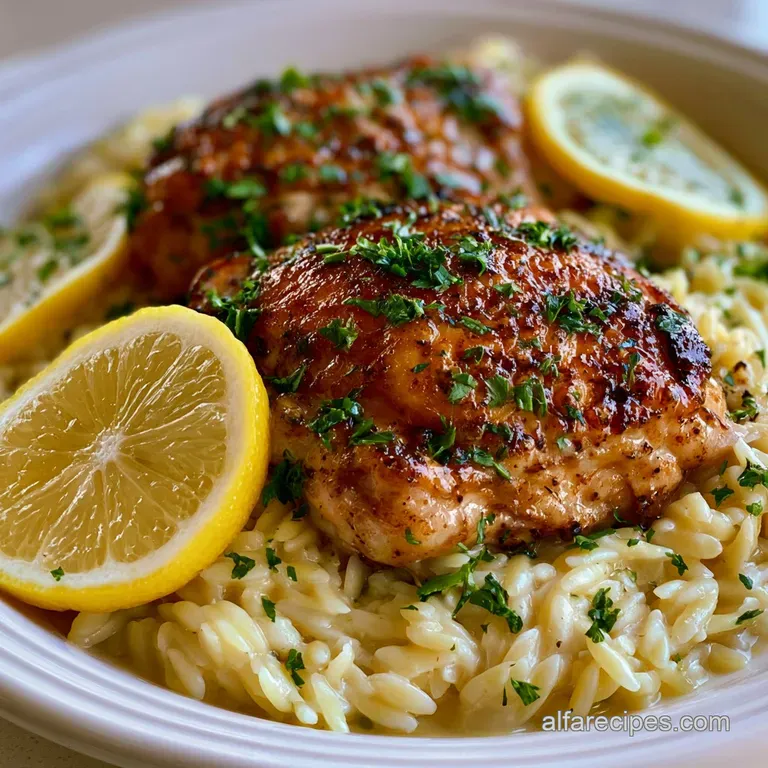
Let's crack on with the cooking. Follow these steps and pay attention to the sensory cues the smells and colors will tell you exactly when to move to the next phase.
- Pat the chicken dry with paper towels. Season it with salt, pepper, and oregano. Note: Drying the meat ensures a better sear.
- Heat olive oil in your 12 inch deep skillet over medium high heat. Add the chicken in a single layer. Cook for 3-4 minutes until a golden brown crust forms.
- Flip the chicken and cook for another 3 minutes. Remove the chicken from the pan and set it aside on a plate.
- Lower the heat to medium. Melt the butter into the remaining chicken juices. Add the diced onion and cook for about 3 minutes until it becomes translucent.
- Stir in the minced garlic and the dry orzo. Stir constantly for 2 minutes until the orzo smells nutty and turns a light golden hue.
- Pour in the chicken broth. Use a wooden spoon to scrape the bottom of the pan to release all those browned chicken bits. Bring to a gentle boil.
- Reduce the heat to low and cover the pan. Simmer for 8-10 minutes, stirring once or twice until the liquid is mostly absorbed and the pasta is tender.
- Stir in the heavy cream, lemon juice, lemon zest, and chopped spinach.
- Return the seared chicken and any juices from the plate back into the pan.
- Stir in the Parmesan cheese until the sauce is velvety and the spinach has wilted. Garnish with fresh parsley.
Chef's Note: If you find the sauce is getting too thick while you're stirring in the cheese, splash in an extra tablespoon of broth or water. The goal is a silky consistency, not a thick paste.
Solving Common Cooking Problems
Even the best of us hit a snag now and then. Most issues with Lemon Chicken Orzo come down to heat management or liquid ratios.
The Orzo is Too Dry
If the liquid is gone but the pasta still feels hard or "chalky" in the center, you've likely simmered it too fast. The liquid evaporated before the grain could hydrate. Just add 1/4 cup more broth, cover it back up, and simmer for another 2 minutes.
The Sauce Separated
This usually happens if the heat was too high when adding the lemon juice or cream, causing the fats to break. To fix this, remove the pan from the heat and whisk in a tiny bit of warm broth or a knob of cold butter to bring the emulsion back together.
The Chicken is Overcooked
If the chicken feels rubbery, it's because it spent too long in the pan during the final simmer. To prevent this, make sure you remove the chicken after the initial sear and only add it back in for the final 2 minutes of cooking.
| Problem | Root Cause | Solution |
|---|---|---|
| Mushy Orzo | Overcooked or stirred too much | Reduce simmer time by 1 minute |
| Bland Flavor | Under seasoned chicken | Add a pinch more salt and lemon zest at the end |
| Clumpy Cheese | Pre shredded cheese used | Use a block of Parmesan and grate it yourself |
Common Mistakes Checklist
- ✓ Patting chicken dry before searing to avoid steaming.
- ✓ Toasting the orzo until golden, not just warming it.
- ✓ Scraping the "fond" (brown bits) off the bottom of the pan.
- ✓ Adding lemon juice at the end to prevent bitterness.
- ✓ Using a deep skillet to avoid boiling over.
Ways to Change Flavor
Once you've mastered the basic Lemon Chicken Orzo, you can start playing with the ingredients. This recipe is a great canvas for different cultural twists.
If you want something that feels more like a traditional Greek meal, try a Greek Lemon Chicken Orzo variation. Add a handful of pitted Kalamata olives and some crumbled feta cheese at the very end. The salty pop of the olives pairs beautifully with the citrus.
For those looking for a Healthy Lean Swap, you can replace the heavy cream with a splash of whole milk or even an unsweetened cashew cream. This keeps the creaminess but lowers the saturated fat. You might also want to use chicken breast tenders for a faster cook time. If you love other creamy textures, you might enjoy my Cream Cheese Chicken recipe which uses a similar protein base approach.
If you're feeling fancy, try the Veggie Boost. Stir in some frozen peas or diced carrots along with the onions. The sweetness of the carrots balances the acidity of the lemon perfectly. For a completely dairy-free alternative, use olive oil instead of butter and swap the Parmesan for nutritional yeast.
This gives you a similar savory, cheesy vibe without the milk products.
Keeping Leftovers Fresh
One thing to know about this dish is that orzo is like a sponge. It will continue to absorb liquid even after it's off the stove, meaning your leftovers will be much thicker than the fresh batch.
Fridge Storage Place the remaining Lemon Chicken Orzo in an airtight container. It will stay fresh in the refrigerator for 3 to 4 days. To keep it from drying out, press a piece of parchment paper directly onto the surface of the food before sealing the lid.
Freezing Guidelines I don't usually recommend freezing this specific dish because the cream and lemon can separate, and the pasta can get a bit grainy. However, if you must, freeze it for up to 2 months. When thawing, do it slowly in the fridge overnight.
Reheating the Right Way Don't use the microwave on high heat, or the chicken will become rubbery. Instead, heat it in a small saucepan over low heat. Add a splash of chicken broth or water to loosen the sauce back up to that velvety state. This is similar to how I handle my Tuna Noodle Casserole to keep the sauce from breaking.
Zero Waste Tips Don't toss your lemon peels! After zesting and juicing, you can put the peels in a jar with white vinegar for two weeks to make a powerful natural cleaner.
Also, if you have leftover chicken broth, freeze it in ice cube trays to use as a flavor booster for future sautéed vegetables.
Serving and Enjoying Your Meal
The way you present this dish makes a difference in the experience. Since the Lemon Chicken Orzo is so creamy and rich, it benefits from something fresh and crunchy on the side.
A simple arugula salad with a light vinaigrette is the perfect partner. The peppery bite of the arugula cuts through the richness of the Parmesan and cream. Alternatively, some roasted asparagus or sautéed broccolini adds a nice textural contrast to the tender pasta.
If you're serving this for a crowd, bring the skillet straight to the table on a trivet. It looks rustic and inviting. Sprinkle a little extra fresh parsley and a pinch of cracked black pepper over the top right before serving.
Decision Shortcut for Customizing:
- If you want more zing → Add an extra teaspoon of lemon zest.
- If you want it heartier → Double the spinach and add sautéed mushrooms.
- If you want a lighter version → Swap heavy cream for a splash of broth and extra lemon.
Right then, you've got everything you need to make a killer Lemon Chicken Orzo. It's a no fuss, family friendly meal that brings a bit of sunshine to the dinner table. Just remember to toast that pasta and don't rush the sear on the chicken. Trust me on this, the extra few minutes of patience make all the difference.
Let's get cooking!
High in Sodium
1125 mg 1125 mg of sodium per serving (49% 49% of daily value)
The American Heart Association recommends a daily sodium limit of 2,300 mg, with an ideal limit of 1,500 mg for most adults to reduce the risk of cardiovascular disease.
Tips to Reduce Sodium in this Recipe
-
Swap the Broth-30%
Replace the low-sodium chicken broth with homemade unsalted broth or water infused with aromatic vegetables for a significant reduction.
-
Eliminate Added Salt-25%
Remove the 1 tsp of salt entirely. The Parmesan cheese and broth already provide ample seasoning for the chicken and orzo.
-
Moderate the Cheese-15%
Reduce the amount of grated Parmesan cheese by half or substitute with a small amount of a stronger, aged cheese to maintain flavor.
-
Enhance with Fresh Aromatics
Increase the lemon zest, fresh parsley, and minced garlic to add brightness and depth of flavor without relying on salt.
Recipe FAQs
Can I use Greek yogurt instead of heavy cream?
Yes, full fat Greek yogurt works. Stir it in at the very end after removing the pan from the heat to prevent the yogurt from curdling.
How to keep the chicken tender and juicy?
Remove the chicken from the pan after searing. Let it rest on a plate and return it to the skillet only at the final step to warm through in the sauce.
Is it true that orzo must be boiled in a separate pot before adding it to the pan?
No, this is a common misconception. Toasting the dry orzo in butter and simmering it directly in the chicken broth creates a deeper, nuttier flavor.
How to prevent the orzo from sticking to the bottom of the skillet?
Stir the pasta once or twice during the 8-10 minute simmer. Ensure the heat remains on low and the pan stays covered to maintain consistent moisture.
Can I substitute vegetable broth for chicken broth?
Yes, this is a simple swap. Use the same 3-cup ratio; the dish will have a slightly milder flavor profile.
How to store and reheat leftovers?
Store in an airtight container in the refrigerator. Add a small amount of chicken broth when reheating to restore the velvety consistency of the sauce.
What side dish pairs best with this meal?
Fresh, green vegetables offer a bright contrast. This recipe pairs perfectly with steamed asparagus to balance the richness of the Parmesan and cream.
Creamy Lemon Chicken Orzo