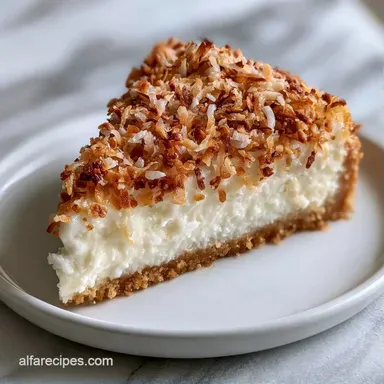
Homemade Coconut Cream Pie with Meringue
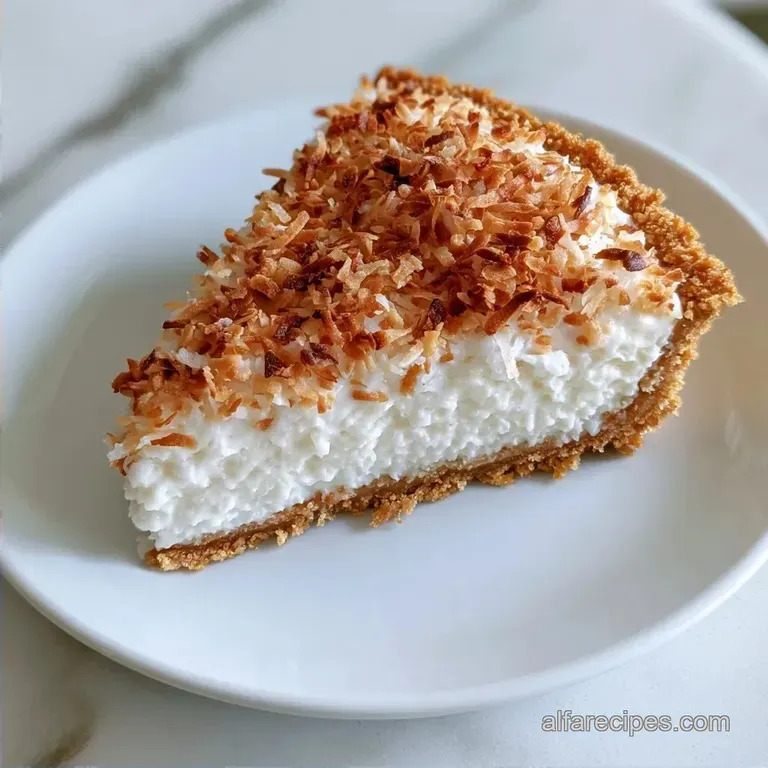
- Time: 40 min active + 4 hrs chilling
- Flavor/Texture Hook: Crisp crust with a rich, coconut dense custard
- Perfect for: Holiday dinners or impressive weekend baking
Nothing ruins a dessert faster than a "soggy bottom." You spend all that time chilling the butter and blind baking, only to find that the custard has turned your crust into a wet sponge by the time it hits the table. It's a frustrating failure that happens because moisture migrates from the filling into the pastry.
I used to just hope for the best, but the fix is actually a simple physical barrier. By brushing a thin layer of egg white onto the hot crust, you create a waterproof seal that keeps the pastry crisp.
This Coconut Cream Pie Recipe focuses on that structural integrity. You'll get a sharp contrast between the shattering crust, the dense coconut filling, and the airy meringue. It's a precise process, but it removes the guesswork from the texture.
Coconut Cream Pie Recipe
The goal here is stability. Most custards can feel rubbery if overcooked or too runny if the starch doesn't hydrate. We use a combination of cornstarch and tempered egg yolks to ensure the filling holds its shape when sliced but remains smooth on the tongue.
If you enjoy this style of dessert, you might also like my whipped cream pie, which uses a different topping technique for a lighter feel.
Why This Works
The Egg White Seal: A thin layer of protein coats the crust, blocking coconut milk from soaking into the flour.
Tempering Yolks: Slowly adding hot liquid to eggs prevents them from scrambling, keeping the custard smooth.
Cornstarch Hydration: Heating the starch until it bubbles ensures the bonds lock, so the pie doesn't slump.
| Feature | Scratch Method | Shortcut Method | Impact |
|---|---|---|---|
| Crust | Homemade Flaky | store-bought | Fresh butter creates a better snap |
| Filling | Fresh Coconut Milk | Instant Pudding | Real coconut milk adds depth |
| Topping | Toasted Meringue | Canned Cream | Meringue adds a light, airy contrast |
The Building Blocks
The success of this recipe depends on how the fats and starches interact. According to King Arthur Baking, keeping fats cold is the only way to achieve a truly flaky crust.
What Each Ingredient Does
| Ingredient | What It Does | Best Swap |
|---|---|---|
| Full fat Coconut Milk | Provides fat and tropical flavor | Heavy cream (less coconut flavor) |
| Cornstarch | Thickens the filling | Arrowroot powder (use 1:1) |
| Egg Yolks | Adds richness and emulsification | Extra cornstarch (will be less rich) |
| Cream of Tartar | Stabilizes the meringue bubbles | Lemon juice (1 tsp) |
Essential Gear
You don't need a professional kitchen, but a few specific tools make this easier. Use a 9 inch pie plate with slanted sides to make slicing cleaner. A heavy bottomed saucepan is a must because coconut milk can scorch easily if the heat is uneven.
For the meringue, a stand mixer such as a KitchenAid or a handheld electric mixer is necessary. Trying to whisk four egg whites by hand to stiff peaks is a workout you don't need. Use a fine mesh sieve if you notice any lumps in your cornstarch before mixing.
Bringing It Together
Preparing the Shattering Crust
Mix 1.5 cups all purpose flour, 1 tbsp granulated sugar, and 0.5 tsp salt in a bowl. Cut in 0.5 cup chilled unsalted butter, cubed, using a pastry cutter or your fingers until pea sized crumbs form. Gradually add 4 tbsp ice water until the dough just holds together.
Wrap the dough in plastic and refrigerate for 30 minutes. Roll it out to fit your 9 inch pie plate. Line the crust with parchment paper and pie weights. Bake at 375°F (190°C) for 12 minutes, then remove weights and bake for another 5 minutes until golden.
Brush the bottom of the crust with a beaten egg white and return to the oven for 2 minutes. This creates the moisture barrier we discussed.
Simmering the Filling
In a saucepan, whisk 0.5 cup granulated sugar, 0.25 cup cornstarch, and 0.25 tsp salt. Slowly stir in 2 cups full fat coconut milk. Cook over medium heat, whisking constantly, until the mixture thickens and begins to bubble gently.
Whisk 4 large egg yolks in a bowl. Slowly pour one ladle of the hot coconut mixture into the yolks while whisking rapidly. This tempers the eggs. Pour the tempered mixture back into the pan. Cook for another 2 minutes.
Remove from heat and stir in 2 tbsp unsalted butter, 1 tsp vanilla extract, and 1.5 cups sweetened flaked coconut. Pour the filling into the crust, smooth the top, and refrigerate for at least 4 hours.
Whipping the Meringue
Beat 4 large egg whites and 0.25 tsp cream of tartar until soft peaks form. Gradually add 0.5 cup granulated sugar, beating on high until stiff, glossy peaks stand straight up.
Spread the meringue over the chilled filling, using a spoon to create swirls. Use a kitchen torch or the oven broiler for a few minutes until the peaks turn golden brown. Sprinkle 0.5 cup unsweetened shredded coconut on top for extra texture.
Fixing Common Pie Problems
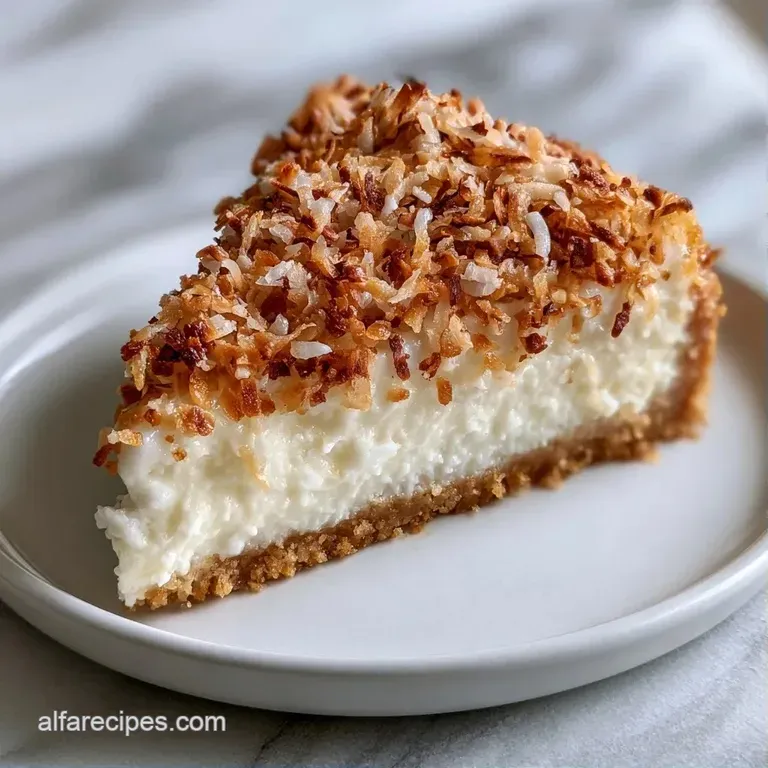
If your custard doesn't set, it's usually a heat issue. The cornstarch needs to reach a specific temperature to activate its thickening power. If you pull it off the heat too early, you'll have a soup instead of a slice.
Troubleshooting Common Issues
| Issue | Solution |
|---|---|
| Why Your Filling Is Runny | This happens when the mixture didn't reach a full bubble. The starch molecules need heat to expand and trap the liquid. |
| Why Your Meringue Weeps | Small droplets of syrup forming on the pie usually mean the sugar wasn't fully dissolved or the meringue sat too long before baking. |
| Why Your Crust Is Tough | Overworking the dough develops too much gluten. Keep your movements light and your butter cold. |
Mix It Up
This Coconut Cream Pie Recipe is a great baseline, but you can shift the profile easily. If you want something more tart, you can add a teaspoon of lime zest to the filling. It cuts through the richness of the coconut milk.
For a different topping, try using a stabilized whipped cream. This is similar to my classic key lime pie approach, where the fat in the cream provides a denser, more decadent finish than the airy meringue.
Customization Guide
- For more nuttiness: Toast the flaked coconut in a dry pan for 3 minutes before adding it to the custard.
- For a lighter filling: Replace 0.5 cup of coconut milk with almond milk.
- For a chocolate twist: Stir in 1/4 cup of cocoa powder during the starch whisking phase.
Scaling Your Pie
When making a smaller version, use a 6 inch pan. Reduce the crust ingredients by half, but use a full egg white for the seal to ensure coverage. Reduce the baking time for the crust by about 20%.
If you are doubling the recipe for two pies, don't just double the spices or salt. Increase the salt and vanilla to 1.5x instead of 2x to avoid an overpowering taste. When cooking the larger batch of filling, use a wider pot to increase the surface area, or the starch will take much longer to thicken.
For the meringue, work in batches if your mixer bowl is small. Overcrowding the bowl prevents the egg whites from aerating properly, leading to a flat topping.
Pie Baking Truths
Many people believe that you must use a specific "pie flour" for the crust. This is a myth. Standard all purpose flour works perfectly as long as you don't overwork the dough. The key is the temperature of the butter, not the brand of flour.
Another common misconception is that adding more cornstarch always makes a firmer pie. Actually, too much starch creates a chalky, matte texture that feels like paste in your mouth. Stick to the measurements for a smooth, glossy finish.
Storage and Waste Tips
Store the pie in the fridge, covered loosely with plastic wrap to avoid sticking to the meringue. It stays fresh for 3 to 4 days. Do not freeze this pie; the coconut milk and meringue will separate, leaving you with a grainy texture upon thawing.
To avoid waste, don't toss the leftover egg whites if you didn't use them all for the meringue. You can freeze them in an ice cube tray for future macarons or omelets. If you have leftover coconut milk in the can, freeze it in tablespoon sized dollops to add to your morning coffee or smoothies.
Serving Suggestions
Slice the pie with a hot knife. Dip the blade in hot water and wipe it clean between every single cut. This ensures the meringue doesn't drag down into the filling, keeping those layers distinct.
Pair a slice with a cup of strong black coffee or an espresso. The bitterness of the coffee balances the sweetness of the meringue. For a more tropical presentation, serve with a few fresh mango cubes or a sprig of mint on the side of the plate.
Recipe FAQs
What's the difference between a coconut pie and a coconut cream pie?
Coconut cream pie uses a cooked custard base, while a standard coconut pie often features a denser, baked filling. This gives the cream version a characteristically silky, smooth texture.
How to make the best coconut cream pie?
Temper your egg yolks carefully by slowly whisking in hot coconut mixture before adding them back to the pan. This prevents the eggs from curdling and ensures a professional, creamy consistency.
Why is my coconut cream pie filling runny?
The mixture likely didn't reach a full bubble. Starch molecules from the cornstarch require a specific heat threshold to expand and trap the liquid effectively.
How to prevent a tough pie crust?
Keep your butter chilled and mix the dough lightly until it just holds together. Overworking the flour develops too much gluten, which results in a hard, dense crust.
Why does the meringue weep?
The sugar wasn't fully dissolved or the meringue sat too long before baking. This causes small droplets of syrup to form on the surface of the pie.
Can I freeze coconut cream pie for later?
No, do not freeze this pie. The coconut milk and meringue will separate during the thawing process, leaving you with a grainy texture.
How to store the finished pie?
Cover the pie loosely with plastic wrap and refrigerate for 3 to 4 days. If you have leftover coconut milk from the recipe, try using it in a smoothie bowl for a quick breakfast.
Coconut Cream Pie Recipe