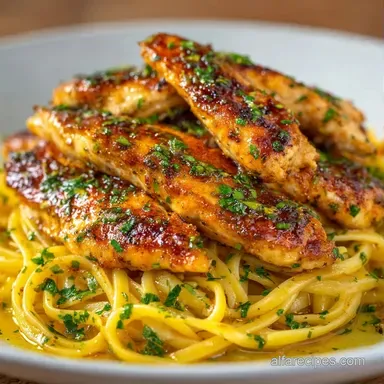
Garlic Lemon Chicken Pasta: Zesty and Creamy
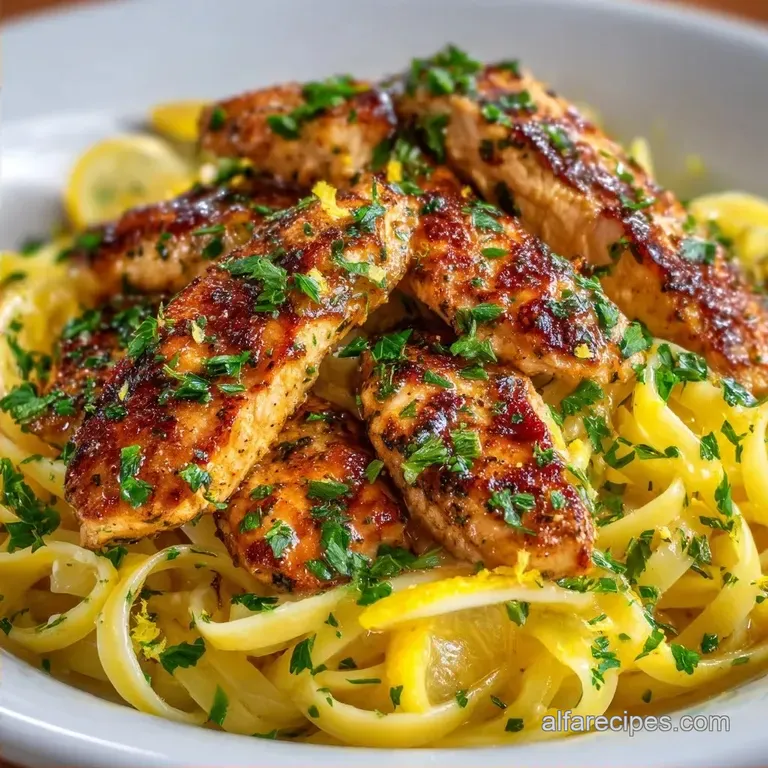
- Time: 10 min active + 20 min cook
- Flavor/Texture Hook: Velvety cream sauce with a zesty, tangy finish
- Perfect for: Busy weeknight dinners and family gatherings
- Garlic Lemon Chicken Pasta Secrets
- Flavor Balance Secrets
- Component Analysis
- Pantry Essentials
- Tools for the Job
- Step by Step Guide
- Fixing Common Mistakes
- Swapping Ingredients
- Adjusting the Portion Size
- Kitchen Myths Debunked
- Storage and Leftovers
- Serving Your Meal
- High in Sodium
- Recipe FAQs
- 📝 Recipe Card
Garlic Lemon Chicken Pasta Secrets
The sound of chicken strips hitting a shimmering pan of olive oil is the sound of a Tuesday night win. For me, this dish isn't just about the food, it's about the atmosphere. In many Mediterranean influenced homes, pasta is the universal love language.
It's the dish that turns a chaotic evening of homework and sports practice into a moment of togetherness. A bright, lemon forward pasta feels like a slice of a seaside vacation, even if you're just sitting in your kitchen in the middle of winter.
This recipe is built for real life. I've spent years figuring out how to get that restaurant style creaminess without spending three hours at the stove. The goal here is a hearty meal that doesn't feel heavy.
By combining the sharpness of fresh lemon with the richness of Parmesan, we create a balance that keeps you coming back for another bite.
You can expect a dish where the chicken is golden and juicy, and the sauce is thick enough to coat the pasta without pooling at the bottom of the bowl. It's a straightforward process that relies on a few key steps to make sure the flavors pop.
Whether you're feeding picky kids or hosting a few friends, this Garlic Lemon Chicken Pasta is the kind of reliable meal that always gets a thumbs up.
Flavor Balance Secrets
Understanding how these ingredients interact is what makes this dish work. It isn't magic, just a bit of kitchen logic.
- Acidic Cut: The lemon juice breaks through the fat of the heavy cream and butter. This prevents the sauce from feeling too "cloying" or heavy on the tongue.
- The Fond Effect: When we sear the chicken, brown bits stick to the pan. This is concentrated flavor. By adding broth, we lift those bits back into the sauce, which is a technique used in many easy pasta sauces to build depth.
- Starch Emulsification: Pasta water contains starch. When mixed with the butter and cheese, it acts as a bridge, binding the water based lemon juice and the fat based cream into one smooth, velvety liquid.
- Aromatic Base: Garlic cooked in butter creates a fragrant foundation. Doing this at a medium heat ensures the garlic softens and sweetens rather than burning and becoming bitter.
| Method | Prep Time | Texture | Best For |
|---|---|---|---|
| Fast (One Pan) | 10 mins | Softer chicken | Maximum speed |
| Classic (Separate) | 15 mins | Golden, seared chicken | Maximum flavor |
Component Analysis
Not every ingredient is just a filler. Each one has a specific job to do in this Garlic Lemon Chicken Pasta.
| Ingredient | Science Role | Pro Secret |
|---|---|---|
| Heavy Cream | Fat Base | Use room temperature cream to prevent splitting |
| Lemon Zest | Aromatic Oil | Rub zest into the Parmesan for a punchier flavor |
| Chicken Broth | Deglazing Agent | Low sodium allows you to control the salt levels |
| Parmesan | Thickener/Salt | Grate it yourself; pre shredded has anti clumping starch |
Pantry Essentials
For this recipe, we keep it simple. You don't need fancy imports, just a few staples that you probably already have in your cupboards.
The Protein 1 lb boneless skinless chicken breasts, sliced into thin strips Why this? Cooks quickly and evenly in a skillet (Substitute: Chicken thighs for more moisture) 2 tbsp olive oil Why this? High smoke point for searing (Substitute:
Avocado oil) 1 tsp salt Why this? Basic flavor enhancer 1/2 tsp black pepper Why this? Subtle heat 1 tsp Italian seasoning Why this? Adds herbal depth (Substitute: Dried oregano)
The Pasta & Sauce 12 oz linguine or fettuccine Why this? Flat noodles hold cream sauce better (Substitute: Spaghetti) 3 tbsp unsalted butter Why this? Adds a rich, nutty base 4 cloves garlic, minced Why this? Essential pungent aroma 1/2 cup low sodium chicken broth Why this? Adds savory depth (Substitute: Vegetable broth) 3/4 cup heavy cream Why this? Creates the velvety texture (Substitute: Half and half, though less thick) Juice and zest of 1 large lemon Why this? Brightness and acidity 1/2 cup freshly grated Parmesan cheese Why this? Salty, umami finish (Substitute: Pecorino Romano) 1/4 cup fresh parsley, chopped Why this? Fresh, grassy contrast
Tools for the Job
You don't need a professional kitchen to pull this off. A few basic tools will do the trick.
First, you'll need a deep skillet or a large sauté pan. A pan with high sides is important because it gives you room to toss the pasta and chicken without everything sliding over the edge. If you have a cast iron skillet, that's even better for getting a deep sear on the chicken.
Next, a large pot for boiling the pasta. Make sure it's big enough that the noodles can move freely. If the pot is too small, the pasta will clump together and cook unevenly. A colander is essential for draining, but don't forget a liquid measuring cup or a mug to scoop out that precious pasta water before you drain the rest.
Finally, a sharp chef's knife and a cutting board. Slicing the chicken into thin, uniform strips is the secret to getting them all cooked through at the same time. If some pieces are thick and others are thin, the thin ones will be rubbery by the time the thick ones are safe to eat.
Step by step Guide
Right then, let's get into the actual cooking. Trust me on this, follow the order of operations and you'll be golden.
- Season the chicken strips. Toss your sliced chicken with the salt, pepper, and Italian seasoning until every piece is coated. Note: Do this first so the chicken can brine slightly while you prep the rest.
- Sear the chicken. Heat olive oil in your deep skillet over medium high heat. Once the oil is shimmering, add the chicken in a single layer. Cook 3–5 minutes per side until golden brown and opaque. Move the chicken to a plate.
- Sauté the garlic. Turn the heat down to medium and melt the butter. Add the minced garlic and cook for about 1 minute until it smells fragrant but hasn't turned brown.
- Deglaze the pan. Pour in the chicken broth and lemon juice. Use a wooden spoon to scrape the bottom of the pan. Note: Those brown bits are where the real flavor lives.
- Simmer the sauce. Stir in the heavy cream. Let it bubble gently for 3–5 minutes until the sauce thickens slightly and coats the back of a spoon.
- Boil the pasta. While the sauce is simmering, cook your linguine in heavily salted water. Cook until al dente (usually 1-2 minutes less than the package says).
- Reserve water and drain. Scoop out 1/2 cup of the starchy pasta water, then drain the noodles.
- Combine everything. Toss the drained pasta and the seared chicken back into the skillet.
- Final emulsification. Stir in the Parmesan cheese and lemon zest. If the sauce looks too thick, add a splash of that reserved pasta water and stir until the sauce is silky and clings to the pasta.
- Garnish. Sprinkle the chopped parsley over the top and serve immediately.
Fixing Common Mistakes
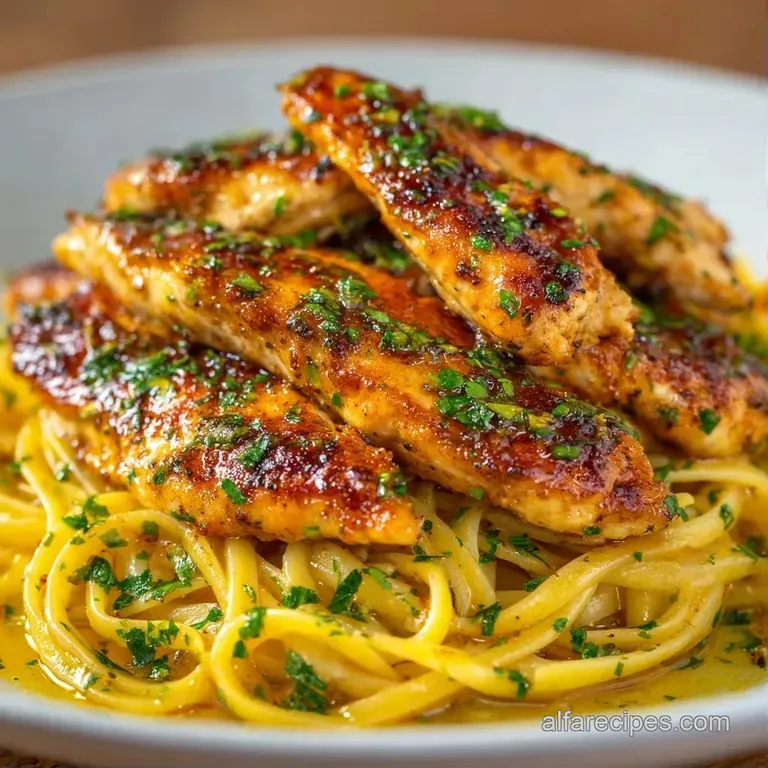
Even the best of us mess up. The key is knowing how to pivot.
Sauce Separation Issues
If your sauce looks curdled or "breaks," it's usually because the heat was too high or the lemon juice was added to the cream too quickly. The acid can cause the proteins in the cream to clump. To fix this, remove the pan from the heat and whisk in a tablespoon of warm pasta water or a tiny knob of cold butter.
Overpowering Lemon Flavor
Lemon strength varies by fruit. If the sauce tastes too sour, add a pinch of sugar or a bit more Parmesan. The salt and fat will neutralize the sharp acidity. On the flip side, if it's too bland, add a bit more lemon zest. The zest provides the "smell" of lemon without adding more acid.
Rubbery Chicken
This happens when chicken is overcrowded in the pan. If the pan is too full, the chicken steams in its own juices rather than searing. Cook the chicken in two batches if your skillet is small.
| Problem | Root Cause | Solution |
|---|---|---|
| Sauce too thin | Not simmered long enough | Simmer for 2 more mins or add more cheese |
| Garlic tastes burnt | Heat was too high | Start over with fresh garlic at medium heat |
| Pasta is mushy | Overcooked in the pot | Drain 1 minute earlier next time |
Common Mistakes Checklist
- ✓ Searing chicken in batches to avoid steaming
- ✓ Saving pasta water before draining
- ✓ Using fresh lemon instead of bottled juice
- ✓ Adding cheese at the very end to prevent clumping
- ✓ Keeping the heat medium when adding garlic
Swapping Ingredients
Depending on what's in your fridge, you can tweak this Garlic Lemon Chicken Pasta without ruining the vibe.
If you want a more nutrient dense meal, this is a great place to add greens. I love tossing in two handfuls of fresh baby spinach at the very end. The heat from the pasta wilts the spinach in about 30 seconds. Alternatively, you can roast some broccoli and toss it in. For a complete meal, this pairs beautifully with steamed asparagus on the side.
For those avoiding dairy, you can swap the heavy cream for full fat coconut milk. It will add a slight tropical note, but the lemon cuts through it well. Replace the Parmesan with nutritional yeast or a dairy-free parmesan alternative.
Just be careful with the coconut milk, as it can separate more easily than dairy cream, so keep the heat low.
If you're out of chicken breasts, thighs work great. They have more fat, so you might need a little less butter in the sauce. You can even swap the chicken for shrimp. If using shrimp, sear them for only 2 minutes per side and add them back to the pan at the very end so they don't overcook.
Adjusting the Portion Size
Cooking for two or cooking for ten requires a different approach.
Scaling Down (Half Recipe) When you're just cooking for two, use a smaller skillet. If the pan is too large, the small amount of sauce will evaporate too quickly and burn. Reduce the simmering time by about 20% because smaller volumes of liquid thicken faster.
If the recipe calls for an odd number of eggs or similar items (not here, but generally), beat one and use half.
Scaling Up (Double or Triple) When doubling the recipe, do not double the salt and spices. Start at 1.5x and taste as you go. Over salting is easy; fixing it is hard. Work in batches for the chicken.
If you crowd the pan with 2 lbs of chicken, you'll get gray, boiled meat instead of golden brown strips. For the sauce, you may need slightly less broth (reduce by about 10%) since there is less surface area for evaporation relative to the volume.
Kitchen Myths Debunked
There are a few things people tell you about pasta and meat that just aren't true.
One big one is that searing meat "seals in the juices." It doesn't. Moisture loss happens regardless of how you start the cook. However, we sear the chicken because the browning creates a massive amount of flavor that you can't get from poaching or baking. It's about taste, not juice.
Another myth is that you should add oil to your pasta water to stop the noodles from sticking. Don't do this. Oil floats on top of the water and then coats the pasta. This creates a slippery barrier that prevents the Garlic Lemon Chicken Pasta sauce from sticking to the noodles.
Just use a large pot and stir the pasta occasionally during the first two minutes of cooking.
Storage and Leftovers
Pasta is notorious for absorbing sauce as it sits, which can leave you with a dry meal the next day.
Fridge Storage Store your leftovers in an airtight container for up to 3 days. To keep it from becoming a brick, I recommend undercooking your pasta by another minute if you know you'll have leftovers. This gives the noodles some "room" to absorb the sauce during reheating without becoming mush.
Freezing Guidelines Honestly, I don't recommend freezing cream based pastas. The emulsion usually breaks during the freezing and thawing process, leaving you with a grainy sauce. If you must, freeze it for up to 2 months, but be prepared for a texture change.
Reheating Tips Never microwave your pasta on high for several minutes. Instead, put the pasta in a small pan over medium low heat. Add a splash of milk or a tablespoon of water. This re introduces moisture and helps the sauce come back together into a silky consistency.
Zero Waste Ideas Don't throw away those lemon peels! After you zest and juice your lemon, you can put the peels in a jar with vinegar to make a quick citrus cleaner. Also, if you have leftover chicken broth or vegetable scraps (like the ends of the parsley), toss them in a freezer bag.
Once the bag is full, simmer them all together to make a homemade stock for your next meal.
Serving Your Meal
The presentation of this dish is half the fun. Because the sauce is a pale, creamy yellow, you need contrast to make it look appetizing.
I suggest serving this in shallow bowls rather than flat plates. This keeps the sauce pooled around the pasta and keeps the meal warmer for longer. Garnish generously with fresh parsley. The bright green against the creamy sauce makes the dish look fresh and vibrant.
A final sprinkle of fresh lemon zest right before it hits the table adds a burst of aroma that wakes up the senses.
For a family style vibe, place a giant platter of the pasta in the center of the table with a bowl of extra Parmesan on the side. This allows everyone to customize their level of cheesiness.
This Garlic Lemon Chicken Pasta is hearty enough to be the star of the show, but it feels light enough that you can still enjoy a simple side salad or some crusty bread to mop up the remaining sauce. Trust me, you'll want a piece of bread for that sauce.
High in Sodium
840 mg 840 mg of sodium per serving (37% 37% of daily value)
The American Heart Association recommends a daily limit of 2,300 mg of sodium to reduce the risk of high blood pressure and heart disease.
Tips to Reduce Sodium
-
Swap the Broth-30%
Replace the low-sodium chicken broth with no-salt-added chicken broth or water to eliminate processed sodium.
-
Omit Added Salt-25%
Remove the 1 tsp of salt entirely; the lemon juice and Parmesan already provide significant salty notes.
-
Reduce Parmesan-15%
Use 1/4 cup of Parmesan instead of 1/2 cup, or use a sharp-flavored aged cheese to maintain taste with less quantity.
-
Enhance with Aromatics
Double the fresh parsley and minced garlic to add savory depth and complexity without increasing sodium levels.
Recipe FAQs
Is this an easy garlic chicken recipe?
Yes, it is very straightforward. Total time is only 30 minutes, with just 10 minutes required for prep.
How to cook the chicken for this recipe?
Sear the seasoned strips in olive oil for 3–5 minutes per side. Ensure the oil is shimmering before adding the chicken to achieve a golden-brown, opaque finish.
Can I make this lemon chicken pasta without cream?
No, the heavy cream is necessary for the texture. It provides the essential base for the creamy sauce that binds the garlic, lemon, and Parmesan together.
How to prevent the pasta from becoming dry in the fridge?
Undercook the noodles by one minute. This prevents them from overabsorbing the sauce during reheating; if you enjoy managing texture and hydration, check out our white bread guide.
Why is it necessary to scrape the pan after adding broth?
This releases the fond. Those caramelized brown bits left from searing the chicken contain concentrated flavor that thickens and enriches the final sauce.
Can I use a Parmesan crust on the chicken instead of searing?
No, that would change the dish's profile. This recipe relies on a pan-sear to create the flavor base for the sauce, which a crust would prevent.
How to emulsify the sauce properly?
Stir in the Parmesan and lemon zest while adding reserved pasta water. The starch in the water helps the cheese and cream blend into a smooth, glossy coating that clings to the pasta.
Creamy Garlic Lemon Chicken Pasta