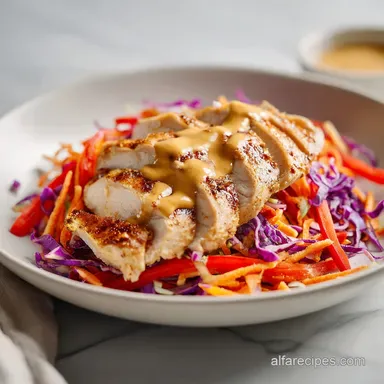
Thai Chicken Salad Peanut Dressing: Healthy and Zesty
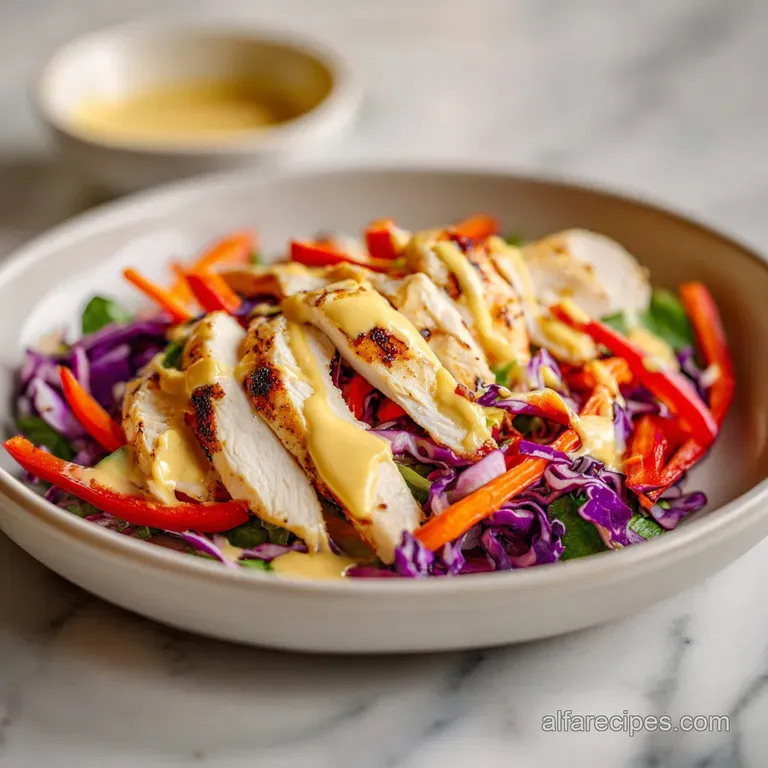
- Time:20 minutes active + 10 minutes cook = Total 30 minutes
- Flavor/Texture Hook: Velvety sauce meets a shatter crisp cabbage crunch
- Perfect for: budget-friendly meal prep and high protein weeknight dinners
The sound of a knife hitting a cutting board in a rhythmic chop, the sharp scent of fresh ginger, and that first loud, satisfying crunch of cold cabbage. That's what this dish is all about.
For a long time, I struggled with "salad fatigue." You know the feeling, where you try to eat healthy but end up with a bowl of wet leaves that tastes like nothing. My biggest fail was always the dressing, which would either be a thick paste that wouldn't move or a watery mess that pooled at the bottom of the bowl.
Then I realized the secret isn't just the ingredients, it's the timing and the balance of fats and acids. I stopped tossing everything together hours in advance and started focusing on the emulsion of the sauce. Now, I make this for my Sunday meal prep, and it stays vibrant and fresh until Wednesday.
This thai chicken salad peanut dressing is the glue that holds the whole thing together, turning basic shredded veg into something that feels like a treat.
You can expect a meal that's lean but filling, using budget friendly ingredients that pack a massive nutritional punch. We're talking about a velvety sauce that clings to every shred of cabbage and chicken without weighing it down. Right then, let's get into how to actually make this work in your kitchen.
Thai Chicken Salad Peanut Dressing
- Acid Balance
- Lime juice and rice vinegar cut through the heavy fats of the peanut butter, preventing the sauce from feeling cloying.
- Cellular Structure
- The dense fibers of Napa cabbage resist wilting longer than lettuce, maintaining a snap even after being dressed.
- Protein Binding
- Searing the chicken first creates a textured surface that allows the dressing to grip the meat better.
- Emulsion Stability
- Adding warm water slowly breaks the tension of the peanut butter, creating a pourable, silky consistency.
| Method | Prep Time | Texture | Best For |
|---|---|---|---|
| Fast (Pre cut) | 10 minutes | Slightly softer | Busy weeknights |
| Classic (Hand cut) | 20 minutes | Maximum shatter | Guest dinners |
Component Analysis
| Ingredient | Science Role | Pro Secret |
|---|---|---|
| Napa Cabbage | Water rich bulk | Slice thinly to increase surface area for sauce |
| Peanut Butter | Emulsifying fat | Use natural, unsweetened for better flavor control |
| Lime Juice | pH Regulator | Freshly squeezed is non negotiable for that zing |
| Fresh Ginger | Aromatic enzyme | Grate it fine to avoid spicy "chunks" |
Needed Ingredients
For the crunchy base, we're using a mix of textures to keep things interesting.
- 4 cups (150g) shredded Napa cabbage Why this? Provides a mild, watery crunch that absorbs sauce.
- 2 cups (130g) shredded red cabbage Why this? Adds color and a slightly peppery bite.
- 1 cup (100g) julienned carrots Why this? Adds sweetness and a firm snap.
- 1 red bell pepper, thinly sliced (150g) Why this? Brings a juicy, sweet contrast.
- 3 scallions, sliced (30g) Why this? Sharp, oniony top notes.
- 1/2 cup (60g) sliced almonds Why this? Adds an earthy, toasted crunch.
- 1/2 cup (15g) fresh cilantro, chopped Why this? Essential herbaceous freshness.
For the lean protein, keep it simple.
- 1 lb (450g) chicken breast Why this? Lean protein that doesn't overpower the dressing.
- 1 tbsp (15ml) coconut oil Why this? High smoke point and subtle tropical aroma.
- 1/2 tsp (3g) salt Why this? Basic seasoning to draw out chicken juices.
For the homemade thai chicken salad dressing, we need the right balance of cream and tang.
- 1/2 cup (125g) creamy natural peanut butter Why this? The rich, nutty base.
- 3 tbsp (45ml) fresh lime juice Why this? The primary acid for brightness.
- 2 tbsp (30ml) soy sauce Why this? Adds umami and saltiness.
- 1 tbsp (15ml) maple syrup Why this? Balances the salt and acid.
- 1 tbsp (15ml) rice vinegar Why this? Adds a sharp, clean tang.
- 1 tsp (5ml) grated fresh ginger Why this? Adds warmth and zing.
- 1 clove garlic, minced (5g) Why this? Deep, pungent flavor.
- 2 tbsp (30ml) warm water Why this? Thins the sauce to a velvety pour.
- 1 tsp (5ml) sriracha Why this? A subtle kick of heat.
Substitution Guide
| Original Ingredient | Substitute | Why It Works |
|---|---|---|
| Peanut Butter | Almond Butter | Similar fat profile. Note: Slightly sweeter, less "nutty" |
| Maple Syrup | Honey | Natural liquid sweetener. Note: Slightly more floral |
| Napa Cabbage | Romaine | Maintains crunch. Note: Less absorbent of sauce |
| Chicken Breast | Firm Tofu | High protein. Note: Press well to ensure a golden sear |
Honestly, don't even bother with low-fat peanut butter here. The fat is what carries all the flavors of the ginger and garlic, and it's what makes the sauce feel velvety rather than grainy.
Required Tools
You don't need a fancy kitchen for this, but a few things make it way easier. A large mixing bowl is a must, otherwise, you'll be fighting with the cabbage and spilling dressing everywhere. I use a whisk for the sauce, but if you have a small blender, that works too.
For the chicken, a stainless steel or cast iron skillet is best because it holds heat better, ensuring you get that golden brown exterior.
If you're prepping this for the week, I highly recommend using airtight glass containers. Plastic tends to hold onto smells, and the vinegar in the dressing can sometimes react with cheaper plastics over time. Trust me on this, the glass keeps the veg crisper for longer.
Step by step Guide
Let's crack on. The flow here is all about prepping the cold stuff first, then handling the heat, and finishing with the emulsion.
- Heat coconut oil in a skillet over medium high heat. Note: Wait until the oil shimmers before adding meat.
- Season chicken breasts with salt and sear until the internal temperature reaches 165°F (74°C) and the exterior is golden brown.
- Let the meat rest for 5 minutes before slicing into thin strips. Note: Resting prevents the juices from running out, keeping the chicken moist.
- In a small bowl, combine peanut butter, lime juice, soy sauce, maple syrup, rice vinegar, ginger, and garlic.
- Whisk vigorously until the mixture is smooth and fully combined.
- Slowly add warm water one tablespoon at a time to the dressing until it reaches a pourable, velvety consistency.
- In a large bowl, combine the Napa cabbage, red cabbage, carrots, bell pepper, and scallions.
- Add the sliced chicken and cilantro to the vegetable mix.
- Pour the thai chicken salad peanut dressing over the salad and toss gently with tongs until every shred is evenly coated.
- Garnish with sliced almonds just before serving to ensure they stay shatter crisp.
Chef's Tip: If you want an even deeper flavor, toast the sliced almonds in a dry pan for 2 minutes until they smell nutty. It's a small step that makes the whole dish feel more professional.
Fixing Common Errors
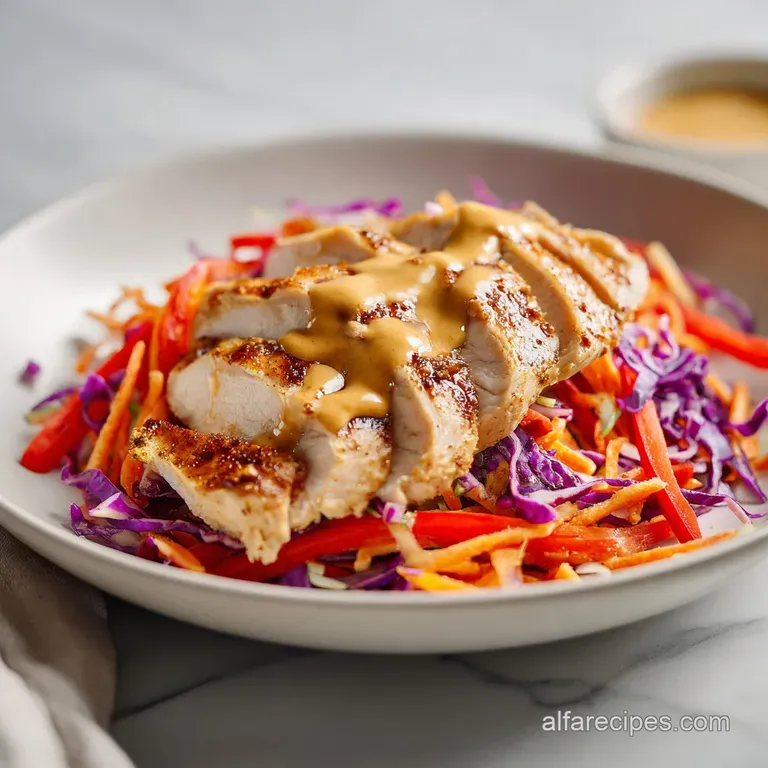
The most frequent issue I see with this recipe is "the soggy slump." This happens when the salt in the dressing draws water out of the cabbage too quickly. If you're eating immediately, it's fine. If you're meal prepping, keep the dressing in a separate jar and toss it right before you eat.
Troubleshooting Common Issues
| Issue | Solution |
|---|---|
| Why Your Dressing Is Thick | If your sauce looks more like a paste than a dressing, you likely didn't add enough warm water or your peanut butter is very thick. Don't panic and just keep adding water, or you'll thin it out too mu |
| Why Your Salad Is Soggy | Sogginess usually comes from dressing the salad too early or using wet vegetables. Make sure your washed cabbage is completely dry before you shred it. According to USDA FoodData for a richer, creamier experience. |
If you need to lower the sugar, you can skip the maple syrup entirely. The carrots provide a natural sweetness that often suffices. However, the syrup helps balance the acidity of the lime, so you might find the salad a bit more "sharp" without it.
Dietary Adjustment Table
| Goal | Adjustment | Impact |
|---|---|---|
| Low Carb | Replace maple syrup with liquid stevia | Reduces sugar, maintains sweetness |
| Nut Free | Use sunflower seed butter | Similar creaminess, different nutty flavor |
| Extra Protein | Add edamame beans | Adds plant based protein and a pop of green |
Freshness and Storage
For the best experience, I recommend the "deconstructed" method for meal prep. Store your shredded cabbage, carrots, and peppers in one large container. Put the sliced, cooled chicken in a separate small container. Keep the thai chicken salad peanut dressing in a glass jar.
Storage Guidelines
- Fridge: The prepped vegetables and chicken will last 4 days. The dressing lasts up to 7 days.
- Freezer: Do not freeze the salad or dressing. The cabbage will turn to mush, and the peanut butter emulsion will break.
- Reheating: If you prefer warm chicken, heat the strips in a pan for 2 minutes before tossing them into the cold salad.
Zero Waste Tips Don't throw away the cabbage cores or the ends of the carrots. I toss mine into a "scrap bag" in the freezer. Once the bag is full, I simmer everything with water and a bit of salt to make a quick vegetable broth.
Also, use the leftover cilantro stems by finely chopping them and adding them to the dressing - they have more flavor than the leaves!
Best Flavor Pairings
Since this salad is so vibrant and tangy, you want sides that complement the brightness without competing with it. A light, fruity drink or a refreshing starter works best. I love pairing this with a smoothie bowl for a full, nutrient dense brunch experience.
If you're serving this as a main dinner, a side of steamed jasmine rice or some lightly sautéed bok choy is a great way to round out the meal. The creaminess of the peanut dressing actually makes it a great dip for extra raw veggie sticks on the side.
Serving Suggestion Shortcut
- If you want a light lunch, serve as is with extra lime.
- If you want a hearty dinner, serve over a bed of quinoa.
- If you're hosting a party, serve in individual cups as a "salad shooter."
High in Sodium
890 mg 890 mg of sodium per serving (39% 39% of daily value)
The American Heart Association recommends a daily limit of 2,300mg of sodium for most adults to maintain heart health.
Tips to Reduce Sodium
-
Swap the Soy Sauce-30%
Replace the regular soy sauce with low-sodium soy sauce or coconut aminos to significantly reduce the salt content.
-
Omit Added Salt-25%
Remove the 1/2 tsp of salt entirely; the soy sauce and natural sodium in the vegetables provide enough seasoning.
-
Use Unsalted Peanut Butter-10%
Ensure you are using a no-salt added natural peanut butter to avoid hidden sodium in processed nut butters.
-
Increase Acidity-5%
Add an extra squeeze of fresh lime juice or rice vinegar to brighten the flavor profile, which mimics the taste of salt.
-
Enhance Fresh Aromatics
Double the amount of fresh ginger and garlic to add depth and punch to the sauce without adding any sodium.
Recipe FAQs
What is the safe internal temperature for the chicken?
165°F (74°C). Sear the breasts in coconut oil until they reach this temperature, then let them rest for 5 minutes to retain moisture.
How to thin out the peanut dressing if it is too thick?
Whisk in warm water one tablespoon at a time. Continue adding water until the sauce reaches a velvety, pourable consistency.
Why is my salad soggy after adding the dressing?
The cabbage was likely wet or dressed too far in advance. Make sure your shredded vegetables are completely dry before tossing them with the sauce.
Can I cook the chicken in a slow cooker instead of a skillet?
Yes, though you lose the golden brown sear. If you prefer a different approach to tender meats, the same patience used in a slow cooker works well here.
Is it true that peanut butter must be melted to blend into the dressing?
No, this is a common misconception. Vigorous whisking with lime juice and soy sauce, followed by a bit of warm water, is enough to make the dressing smooth.
How to stop the chicken from drying out?
Let the meat rest for 5 minutes after searing. This allows the juices to redistribute before you slice the chicken into thin strips.
Can the dressing be made a day early?
Yes, it keeps well in an airtight container. Just give it a quick stir or add a teaspoon of warm water to bring it back to the correct consistency.
Thai Chicken Salad Peanut Dressing