Creamy Rotisserie Chicken Pasta in 20 Minutes
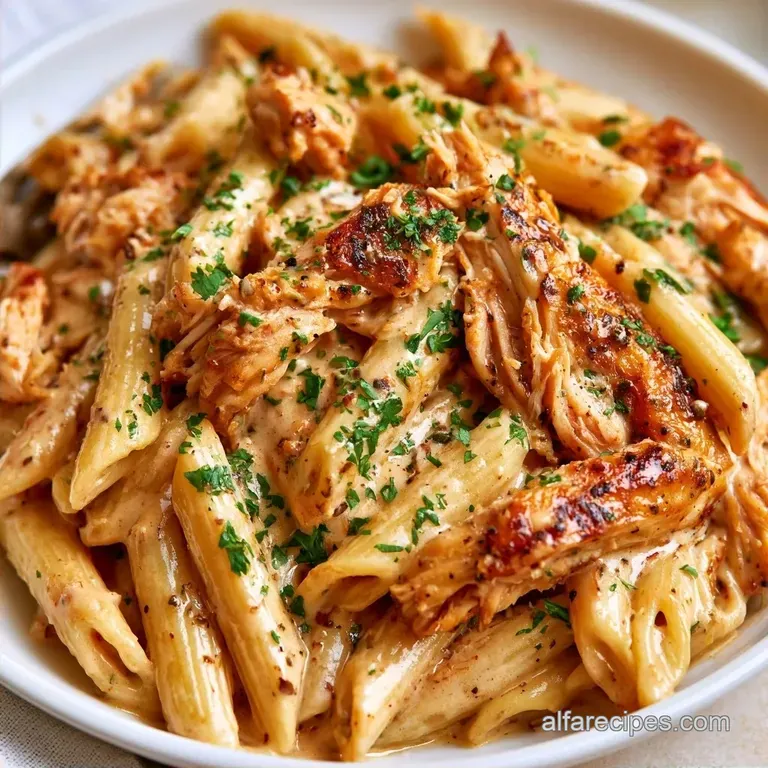
- Time: 5 min active + 15 min cooking
- Flavor/Texture Hook: Rich, glossy, and garlicky
- Perfect for: Busy weeknights and family dinner
The smell of garlic hitting foaming butter is probably my favorite scent in the kitchen. It's that immediate signal that dinner is actually happening, even when the day has been a total disaster.
I remember one Tuesday when I got home late, the kids were practically vibrating with hunger, and I had zero energy to chop a whole chicken.
I grabbed a pre cooked bird from the store and realized I could just fold it into a quick pan sauce. It turned out to be the most requested meal of the month. This Rotisserie Chicken Pasta doesn't require fancy techniques, just a few basic pantry staples and a skillet.
You can expect a dinner that feels like a treat but takes less time than ordering takeout. We're keeping tools to a minimum so you aren't stuck scrubbing pots for an hour after you eat.
Easy Rotisserie Chicken Pasta for Busy Nights
Why is this method so effective? Many cooks simply mix chicken with cream, but that often results in a sauce that feels oily or fails to cling to the pasta.
Why This Recipe Actually Works
- Pasta Water: The starch in the reserved water binds the butter and cream together so the sauce doesn't split.
- Low Heat Finish: Adding the pre cooked chicken at the end prevents the meat from becoming rubbery or dry.
Since we're using a shortcut for the protein, it's helpful to see how this compares to other ways of making this dish.
| Method | Time | Texture | Best For |
|---|---|---|---|
| Stovetop | 20 min | Glossy & Smooth | Quick weeknights |
| Oven Bake | 45 min | Gooey & Browned | Sunday dinner |
| Cold Salad | 15 min | Fresh & Tangy | Meal prep/Lunch |
The Right Ingredients to Use
I suggest using penne or fusilli for the base, as their ridges and holes hold onto the sauce far better than smooth pasta. Heavy cream gives the dish its body, while Parmesan delivers a salty, nutty kick.
If you prefer something a bit lighter, try a creamless alfredo sauce. When preparing the chicken, I always remove the skin before shredding. The skin often develops an odd texture when cooked in cream, and the meat alone is flavorful enough.
Essential Tools for the Job
You only need two main pieces of equipment for this. First, a large pot for the pasta. Second, a wide skillet or sauté pan. A wider pan is better because it lets the cream reduce faster, which means your sauce thickens in less time. I usually use a 12 inch stainless steel or non stick skillet.
A whisk is also handy for getting the cheese melted without any clumps.
Step by step Cooking Guide
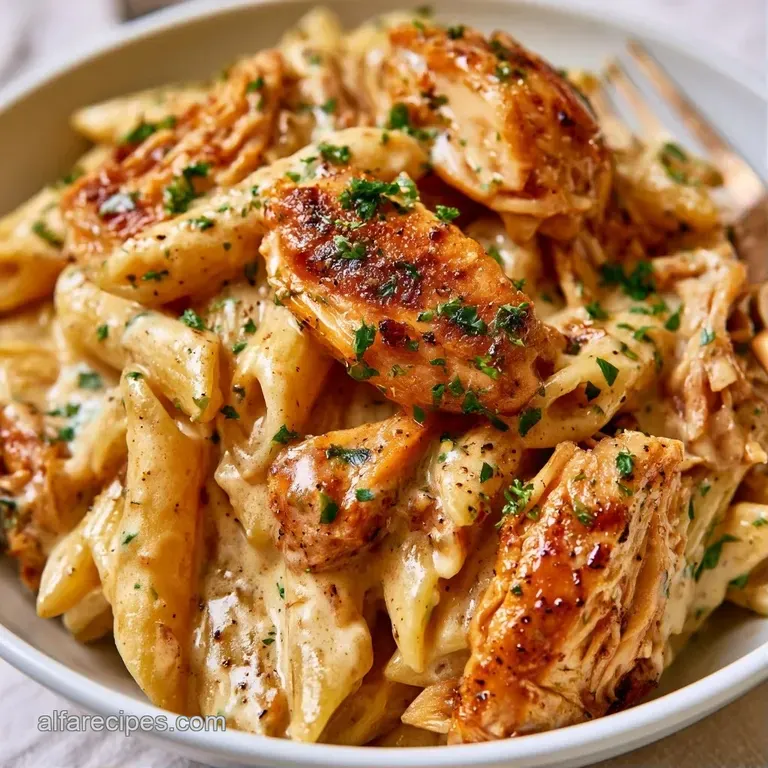
- Boil a large pot of salted water.
- Add the pasta and cook it according to the package instructions until al dente.
- Reserve 1 cup (240ml) of the starchy cooking water before draining the pasta.
- Place a skillet over medium heat and melt the butter until it begins to foam.
- Stir in the minced garlic and sauté for 1-2 minutes until it smells fragrant and turns pale gold.
- Pour in the heavy cream and bring it to a gentle simmer. Let it bubble for 3-5 minutes until it thickens slightly.
- Whisk in the Parmesan cheese, salt, pepper, and oregano. Stir constantly until the cheese has completely melted and the sauce is smooth.
- Turn the heat to low. Gently fold in the shredded rotisserie chicken, stirring until the meat is warmed through.
- Stir the cooked pasta into the skillet.
- Toss everything together, adding the reserved pasta water one tablespoon at a time if the sauce is too thick, until it is silky and glossy.
- Remove from heat and stir in the lemon juice and fresh parsley.
Chef's Note: If you have an extra minute, grate your Parmesan fresh from a block. store-bought shredded cheese typically contains anti clumping agents that can make your sauce feel grainy.
Fixing Common Pasta Problems
A broken sauce can be incredibly frustrating. This is often caused by excessive heat during the cheese addition. If you notice small oil droplets floating on the surface, simply reduce the temperature and whisk in a splash of the saved pasta water to emulsify it.
Another frequent issue is a sauce that is too thin. This occurs if the cream hasn't simmered long enough. You can fix this by letting it bubble for another two minutes before tossing in the noodles, or by stirring in an extra tablespoon of cheese.
Sauce looks grainy
If the cheese didn't melt smoothly, the pan was likely too hot. Lower the heat and stir quickly.
Pasta is too dry
This is where the reserved water is essential. Adding it gradually restores the moisture without diluting the flavor.
Chicken is overcooked
Adding the chicken too early can make it tough. Always fold it in at the final stage just to warm it through.
| Problem | Root Cause | Solution |
|---|---|---|
| Grainy Sauce | Temperature too high for cheese | Lower heat and whisk in pasta water |
| Sauce too thin | Cream not reduced enough | Simmer 2-3 mins more before adding pasta |
| Dry Pasta | Sauce absorbed too quickly | Add reserved pasta water 1 tbsp at a time |
Ways to Customize the Dish
To serve guests, you can easily convert this into a Rotisserie Chicken Pasta Bake. Transfer the prepared mixture to a baking pan, top it with mozzarella, and broil for 3-5 minutes until the cheese is bubbly and browned.
For extra greens, I enjoy stirring in a handful of baby spinach at the end; the residual heat wilts the leaves in about 30 seconds. If you want a bit more excitement, a pinch of red pepper flakes adds a spicy element that balances the creamy base.
If you're looking for a twist, check out these Recipe in 20 Minutes that feature a tomato base instead of cream.
| Goal | What to change |
|---|---|
| More Veggies | Add 2 cups of steamed broccoli or peas |
| Zestier Flavor | Increase lemon juice to 2 tbsp |
| Lower Fat | Swap heavy cream for half and half |
Saving and Reheating Leftovers
Store this Rotisserie Chicken Pasta in the refrigerator in a sealed container for about 3 days. When reheating, you'll likely find the pasta has absorbed much of the sauce, making it appear a bit dry.
To remedy this, add a tablespoon of water or milk before microwaving. Heat it in 30-second increments, stirring in between. This allows the fats to re-emulsify so the sauce becomes smooth once more. This dish isn't ideal for freezing, as the cream sauce can separate and turn grainy after thawing.
Save the rotisserie chicken carcass rather than discarding it. Simmer it in a pot with water, a carrot, and an onion to make a quick stock for your next soup.
Best Sides for this Meal
Because this dish is quite indulgent, I suggest pairing it with something fresh and zesty. A side of steamed asparagus is a wonderful choice, as the crisp texture of the vegetable provides a nice contrast to the creamy pasta.
A light arugula salad with lemon vinaigrette is another excellent option. The sharp taste of the greens balances the richness of the Parmesan, preventing the meal from feeling too heavy.
If you're cooking for kids who dislike greens, garlic bread is the traditional accompaniment, although it does add more carbohydrates to the meal.
The truth about searing
Some believe that you need to sear rotisserie chicken again to "lock in" the moisture. This is actually a misconception. Since the meat is already cooked, additional searing often just dries it out. The depth of flavor comes from the sauce rather than re-browning the chicken.
The cream myth
There is a common idea that "authentic" pasta can't be made with store-bought chicken. In reality, as long as the chicken is fresh, no one can tell the difference once it is tossed in garlic and cream. It is a huge time saver that doesn't compromise the final taste.
Recipe FAQs
Does rotisserie chicken taste good in pasta?
Yes, it adds a deep, savory flavor. The pre-seasoned meat complements the heavy cream and Parmesan perfectly without requiring extra prep time.
How to shred rotisserie chicken for this recipe?
Pull the meat apart using two forks while the chicken is still warm. This ensures the shreds are consistent and easy to fold into the sauce.
Is it true that store-bought rotisserie chicken lacks enough flavor for creamy pasta?
No, this is a common misconception. Most rotisserie chickens are heavily seasoned, which provides a rich base that balances the lemon juice and cream.
Which pasta shapes work best with this sauce?
Penne or Fusilli are ideal. Their ridges and spirals grip the thick Parmesan sauce, ensuring every bite is flavorful.
What should I do if the sauce is too thick?
Stir in the reserved pasta water one tablespoon at a time. The starchy water emulsifies the sauce, creating a silky, glossy consistency.
Can this dinner be ready in 20 minutes?
Yes, it is very fast. Since the chicken is already cooked, you only need to boil the pasta and simmer the sauce for a total time of 20 minutes.
What side dish pairs well with this creamy pasta?
A light side salad or crusty bread works best. For a more filling option, you can serve this alongside our homemade bagels toasted with butter.
Rotisserie Chicken Pasta