Traditional Mexican Cookies
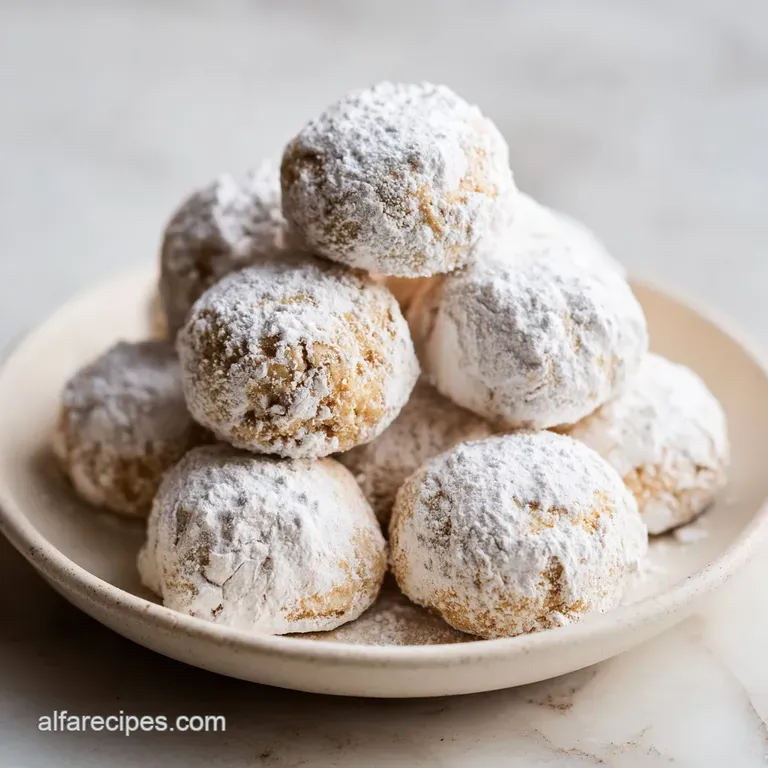
- Time: Active 10 minutes, Passive 15 minutes, Total 25 minutes
- Flavor/Texture Hook: Velvety, nutty shatter with a cooling sugar finish
- Perfect for: Holiday gifting, afternoon coffee breaks, or beginner bakers wanting high impact results
- Mastering the Buttery Crumb of Traditional Mexican Cookies
- Understanding the Molecular Bonds That Create Tender Textures
- Essential Timing and Temperature Targets for Bakes
- Sourcing Authentic Components for the Best Flavor Profile
- Professional Baking Equipment for Uniform Heat Distribution
- A Methodical Approach to Mixing and Shaping Dough
- Strategic Solutions for Common Structural Cookie Failures
- Troubleshooting Common Issues
- Adapting Traditional Ratios for Plant Based and gluten-free Needs
- Long Term Storage Strategies and Creative Leftover Uses
- Enhancing the Tasting Experience with Strategic Pairings
- Recipe FAQs
- 📝 Recipe Card
Mastering the Buttery Crumb of Traditional Mexican Cookies
The sound of pecans hitting a hot cast iron skillet is the first sign that something incredible is happening in my kitchen. It's a sharp, woody clatter that transitions into a rich, toasted aroma within minutes. I remember the first time I tried to make these without toasting the nuts. Honestly, don't even bother.
The result was flat and one dimensional, a mistake I only made once. When you toast those 110g of pecans, you're not just heating them, you're unlocking oils that define the entire profile of the cookie.
There's a specific sensory memory attached to the first bite of a well made Mexican Cookie. It should feel solid for a fraction of a second before it begins to shatter and then melt.
I once brought a batch of these to a neighborhood swap, and half the guests ended up with "powdered sugar beards" because they couldn't wait for the cookies to cool. We laughed about it for hours, but it taught me a valuable lesson about the double roll technique.
That second coating of sugar is what separates a good cookie from one that looks like a professional pastry chef made it.
We've all had those store-bought versions that feel like eating sweetened chalk. This recipe is the antidote to that. We are focusing on precision, from the temperature of your 225g of unsalted butter to the exact moment you pull the tray from the oven.
You'll find that by skipping the eggs and leavening agents, we create a dense yet fragile crumb that feels incredibly indulgent. Let's get into the mechanics of why this specific ratio works so well.
Understanding the Molecular Bonds That Create Tender Textures
The secret to this texture lies in the inhibition of gluten. In a standard cookie, liquid from eggs hydrates the flour proteins, forming a strong web. Since we use zero eggs and only 10ml of vanilla extract for moisture, the flour remains largely unhydrated.
The 225g of butter coats the individual flour particles, acting as a physical barrier that prevents them from linking up. This results in "shortness," which is the culinary term for that crumbly, tender sensation.
Lipid Enclosure: The high fat content coats starch granules, preventing the formation of a tough gluten network.
Starch Gelatinization: Without excess water, the flour starches swell just enough to hold the shape without becoming gummy.
Thermal Stability: Toasting the pecans first ensures the nut oils are stable and won't weep into the dough during the 15 minutes of baking.
Sugar Solubility: Using powdered sugar in the dough instead of granulated sugar ensures a smoother integration and a finer internal pore structure.
The Molecular Architecture of the Melt Away Crumb
The absence of a biological leavener like baking soda means we rely entirely on the expansion of air trapped during the creaming process. When you beat the softened butter with the first half of the powdered sugar, you're creating millions of microscopic air pockets.
In the heat of a 180°C (350°F) oven, these pockets expand, providing just enough lift to keep the cookie from being a hard puck.
| Bake Duration | Internal Temp | Rest Time | Visual Cue |
|---|---|---|---|
| 12 minutes | 190°F (88°C) | 10 mins | Pale top, slightly set edges |
| 15 minutes | 205°F (96°C) | 5 mins | Firm to touch, matte finish |
| 18 minutes | 215°F (102°C) | 2 mins | Golden bottom, dry surface |
Selecting the right duration depends on your preference for a softer or crispier center. For the most traditional "polvorón" feel, the 15 minute mark is the sweet spot where the structure is set but the moisture remains high.
Essential Timing and Temperature Targets for Bakes
Precision is the difference between a cookie that holds its shape and a greasy puddle on your baking sheet. We are dealing with a high fat dough, which means the margin for error with temperature is slim.
If your butter is too melted before it hits the oven, the cookies will spread before the starch has a chance to set. This is why I always recommend using butter that is "pliable but cool," around 65°F (18°C).
| Component | Science Role | Pro Secret |
|---|---|---|
| Unsalted Butter | Continuous phase fat | Use European style butter for higher fat and less water content. |
| Toasted Pecans | Structural aggregate | Finely chop AFTER toasting to prevent scorching small bits. |
| All Purpose Flour | Starch framework | Sift twice to ensure maximum aeration and zero clumps. |
| Powdered Sugar | Soluble sweetener | Sift the coating sugar to avoid "clumpy" snow on the surface. |
Many people ask if they can swap the pecans for walnuts or almonds. While the science of the fat content remains similar, the flavor profile shifts significantly. If you are looking for a different texture profile, you might enjoy comparing this to my Soft and Chewy recipe, which uses different hydration levels for a totally different mouthfeel.
Sourcing Authentic Components for the Best Flavor Profile
To get that true "Galletas Mexicanas" flavor, the quality of your vanilla is paramount. Pure Mexican vanilla extract has a darker, more complex profile with subtle spicy undertones that you won't get from synthetic vanillin. It pairs beautifully with the toasted pecans.
- 1 cup (225g) unsalted butter, softened: Use high-quality butter. Why this? The fat provides the entire structural foundation and flavor carrier.
- Substitute: Vegan butter sticks (high fat content only).
- 1.5 cups (180g) powdered sugar, divided: One half for the dough, one half for coating. Why this? Fine particles dissolve quickly, creating a velvety interior.
- Substitute: Sifted coconut sugar (for the dough only, will be grittier).
- 2 tsp (10ml) pure Mexican vanilla extract: The soul of the cookie. Why this? Adds a deep, floral spiced aroma that defines the dish.
- Substitute: Vanilla bean paste for intense flecks of flavor.
- 2 cups (250g) all purpose flour, sifted: Provides the necessary starch. Why this? The protein content is high enough to hold shape but low enough for tenderness.
- Substitute: 1:1 gluten-free flour blend with xanthan gum.
- 1 cup (110g) pecans, finely chopped and toasted: Adds crunch and fat. Why this? Toasting brings out the essential oils and creates a "shatter" texture.
- Substitute: Walnuts or toasted hazelnuts for a different nutty note.
- 0.25 tsp (1.5g) fine sea salt: Balances the heavy sugar content. Why this? Sharpens the perception of the vanilla and nut flavors.
- Substitute: Kosher salt (increase to 0.5 tsp).
If you find yourself enjoying the process of working with nut based doughs, you should definitely check out my Crunchy Oatmeal Cookies recipe which also utilizes the power of toasted inclusions for maximum flavor.
Professional Baking Equipment for Uniform Heat Distribution
You don't need a lab, but a few specific tools will ensure your Mexican Wedding Cookie recipe comes out consistent every single time. Heat distribution is the biggest hurdle here. If your pan has "hot spots," some cookies will be greasy while others stay raw in the middle.
- Heavy duty baking sheets: Rimmed aluminum sheets work best for even heat.
- Silicone mats or parchment: Prevents the bottom from browning too quickly before the center sets.
- Food processor: Ideal for pulsing the pecans into a fine meal without turning them into nut butter.
- Digital scale: Essential for measuring the 250g of flour accurately, as cups can vary by up to 30%.
- Small cookie scoop: Ensures all 24 cookies are the same size for uniform baking.
Using a stand mixer like a KitchenAid makes the creaming process much easier, but a hand mixer works perfectly fine as long as you are patient. The goal is to see the butter turn a pale ivory color before you ever add the flour.
A Methodical Approach to Mixing and Shaping Dough
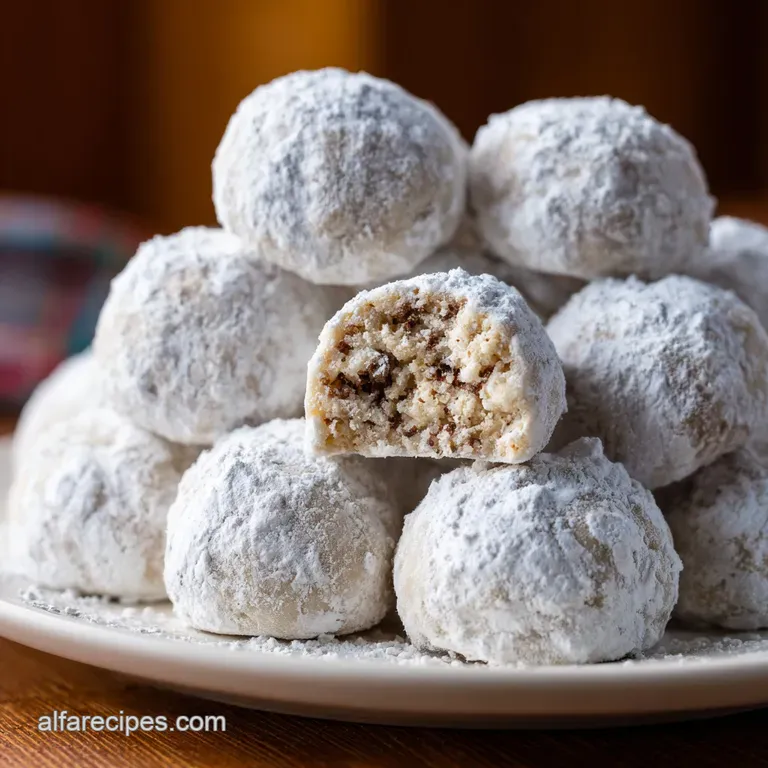
Follow these steps with precision. The timing of the sugar coating is the most frequent place where home cooks stumble. If the cookie is too hot, the sugar melts into a glaze. If it's too cold, it won't stick at all.
- Toast the pecans. Place 110g of pecans in a dry pan over medium heat for 5 minutes until fragrant and slightly darkened. Note: Stir constantly to avoid burnt spots.
- Pulse the nuts. Once cooled, pulse the pecans in a food processor until they resemble coarse sand.
- Cream the fats. Beat 225g of softened butter with 0.5 cups (60g) of powdered sugar and 2 tsp vanilla until light, fluffy, and pale.
- Incorporate dry ingredients. Gradually add 250g of sifted flour and 1.5g of salt to the butter mixture on low speed.
- Fold in pecans. Use a spatula to fold the chopped pecans into the dough until evenly distributed.
- Chill the dough. Wrap the dough in plastic and refrigerate for 30 minutes. Note: This prevents the cookies from spreading too much in the oven.
- Shape the balls. Roll the dough into 1 inch balls (about 20g each) and place on a lined baking sheet.
- Bake the cookies. Bake at 180°C (350°F) for 15 minutes until the bottoms are just barely golden.
- First sugar roll. Let the cookies cool for 5 minutes, then roll them in the remaining 1 cup (120g) of powdered sugar while still warm.
- Second sugar roll. Once completely cooled, roll them a second time until they have a thick, snowy coating.
| Component | Fresh Prep | Shortcut Version | Impact |
|---|---|---|---|
| Pecans | Home toasted whole nuts | Pre chopped bag nuts | Fresh has 40% more aroma |
| Sugar | Sifted powdered sugar | Directly from bag | Sifted is 2x smoother |
| Butter | Room temp (65°F) | Microwaved soft | Room temp holds 3x more air |
The double roll is non negotiable for that professional finish. The first layer acts as a primer, and the second layer provides the aesthetic "snowball" look that defines Mexican Christmas Cookies Recipes.
Strategic Solutions for Common Structural Cookie Failures
Sometimes things go wrong despite our best efforts. Most issues with Mexican Inspired Cookies stem from temperature fluctuations or over handling the dough. If you overwork the dough, you'll develop gluten, and that "melt away" texture will vanish, replaced by a tough, bread like bite.
Troubleshooting Common Issues
| Issue | Solution |
|---|---|
| Why Your Cookies Spread into Pancakes | If your cookies lost their spherical shape and flattened out, your butter was likely too warm. When the fat melts before the flour structure sets, gravity wins. Another culprit is over creaming. While |
| Why Your Cookies are Falling Apart | A cookie that crumbles into dust the moment you touch it usually suffers from a lack of "binding." Since we don't have eggs, the butter and the sugar are doing all the heavy lifting. If you reduced th |
| Why the Sugar Coating is Sticky | If your powdered sugar looks wet or translucent, you rolled the cookies while they were too hot. The residual steam from the cookie core hydrates the sugar, turning it into a syrup. Wait until they ar |
Adapting Traditional Ratios for Plant Based and gluten-free Needs
Scaling this recipe is straightforward because it is based on a classic 1-2-3 ratio (one part sugar, two parts fat, three parts flour by weight, roughly). To halve the recipe, simply divide everything by two. Since there are no eggs, you don't have to worry about whisking half an egg.
For Scaling Down (12 Cookies): Use 112g butter, 90g powdered sugar (divided), 1 tsp vanilla, 125g flour, and 55g pecans. Use a smaller toaster oven or a single baking sheet. Reduce bake time by 2 minutes as smaller batches often cook faster in standard ovens.
For Scaling Up (48+ Cookies): Double all ingredients exactly. However, do not double the salt use 0.4 tsp instead of 0.5 tsp to prevent over seasoning. Work in batches and keep the unbaked dough in the fridge between tray rotations. This ensures the butter stays cold for every single batch.
Crafting a gluten-free Version
To make these gluten-free, use a high-quality 1:1 flour blend. Since there is already no gluten development desired in this recipe, the swap is actually more successful here than in most other cookies. The result will be slightly more fragile, so let them cool completely before the first sugar roll to avoid breakage.
Creating Vegan Mexican Cookies
Swap the 225g of butter for a vegan butter stick (like Miyoko’s or Country Crock Plant Butter). Avoid tub margarines, as the water content is too high and will cause the cookies to spread. The flavor will be slightly different, but the texture remains remarkably similar. For a festive twist on vegan treats, you might also like the Winter Orange Sugar recipe.
Long Term Storage Strategies and Creative Leftover Uses
Mexican Cookies are incredibly hardy thanks to their low moisture content. They actually taste better on the second day once the vanilla and nut flavors have had time to permeate the crumb.
Storage: Store in an airtight container at room temperature for up to 7 days. If you live in a humid climate, add a small piece of bread to the container to absorb excess moisture and keep the cookies crisp.
Freezing: These freeze beautifully. You can freeze the unbaked dough balls for up to 3 months. Bake directly from frozen, adding 2-3 minutes to the total time. Alternatively, freeze the baked (but un sugared) cookies.
Thaw at room temperature and do the double sugar roll just before serving to ensure the "snow" looks fresh.
- Zero Waste
- If you end up with broken cookies or crumbs at the bottom of the jar, don't toss them!
- Ice Cream Topper
- Crush the remains and sprinkle over vanilla bean ice cream.
- Pie Crust
- Use the crumbs exactly like graham cracker crumbs for a decadent cheesecake base.
- Truffle Fillers
- Mix crumbs with a little cream cheese and dip in chocolate for "Mexican Wedding Cake Truffles."
Enhancing the Tasting Experience with Strategic Pairings
While these are traditionally served at weddings or during the holidays, they make an exceptional daily treat. To really honor the "Mexican Wedding Cookie" heritage, serve them with a cup of hot Mexican chocolate whisked with a molinillo until frothy.
The cinnamon in the chocolate highlights the toasted pecans perfectly.
The Decision Shortcut: If you want a softer, fudgy bite, pull them at 13 minutes and roll immediately. If you want a crunchy, toasted snap, bake for 17 minutes and let them cool completely before sugaring.
If you want a citrus punch, add 1 tbsp of lime zest to the dough during the creaming stage.
The Mexican Hot Chocolate Twist
For a deeper flavor, add 1 tsp of ground cinnamon and a pinch of cayenne pepper to the flour. This transforms the Traditional Mexican Cookies into something reminiscent of Oaxacan chocolate.
Flavor Myths to Forget
Many people think you must use lard for "authentic" Galletas Mexicanas. While lard was traditionally used in some regions, high-quality butter provides a much cleaner flavor and a superior "melt" on the palate. Another myth is that the dough must be chilled overnight.
While 30 minutes helps, an overnight rest doesn't significantly change the molecular structure of this specific eggless dough.
Right then, you're ready to hit the kitchen. Just remember: toast those nuts, watch your butter temp, and don't be afraid of the powdered sugar mess. It's part of the charm! Enjoy every velvety, crumbly bite of these Easy Mexican Cookies Recipes.
Trust me, once you master the "shatter," you'll be the designated cookie baker for every family gathering. Let's crack on!
Recipe FAQs
What are the different types of Mexican cookies?
They vary widely, but often include shortbread styles. Traditional types heavily feature nuts, especially pecans, and rely on butter or lard rather than eggs, resulting in a crumbly, tender texture often coated in powdered sugar.
What are the top 5 most popular cookies?
The most iconic are Mexican Wedding Cookies (Polvorones). Other highly popular types include Buñuelos (fried dough fritters), Pan de Polvo (a cinnamon shortbread), Hojarascas (layered cookies), and sometimes variations of sweet, crisp shortbread or molasses cookies.
What are Mexican wedding cookies actually called?
They are often called Polvorones or Hojarascas.Polvorón literally translates to "dusty" or "powdery," referring to their signature heavy coating of powdered sugar, which is a key component of their texture.
Are Mexican cookies typically made with eggs?
No, traditional recipes often omit eggs entirely. The absence of eggs is critical to achieving that delicate, melt-in-your mouth crumb structure characteristic of Polvorones. Mastering structure without eggs is similar to the technique used when you're mastering eggless cookie science.
What are the top 10 Mexican desserts?
The top ten list usually includes desserts beyond cookies. This list typically features Flan, Tres Leches Cake, Churros, Arroz con Leche, Buñuelos, Gorditas de Azúcar, Empanadas, Mazapán, Paletas, and of course, Mexican Wedding Cookies.
How do I ensure my Mexican cookies don't turn out dry?
Ensure your butter is perfectly softened, not melted, during creaming. Properly creaming the fat and sugar traps the necessary air needed for a tender interior texture, even without a liquid binder like eggs.
How do I achieve the signature thick powdered sugar coating?
Roll the cookies twice, allowing them to cool slightly between coats. Roll them lightly while still warm from the oven (the first coat sticks), let them cool completely, and then roll them heavily again while completely cool for that thick, snowy finish.
Traditional Mexican Cookies Recipe
Ingredients:
Instructions:
Nutrition Facts:
| Calories | 167 kcal |
|---|---|
| Protein | 1.5 g |
| Fat | 11.1 g |
| Carbs | 16.2 g |
| Fiber | 0.6 g |
| Sugar | 7.5 g |
| Sodium | 25 mg |
