Simple Tomato Pasta Sauces
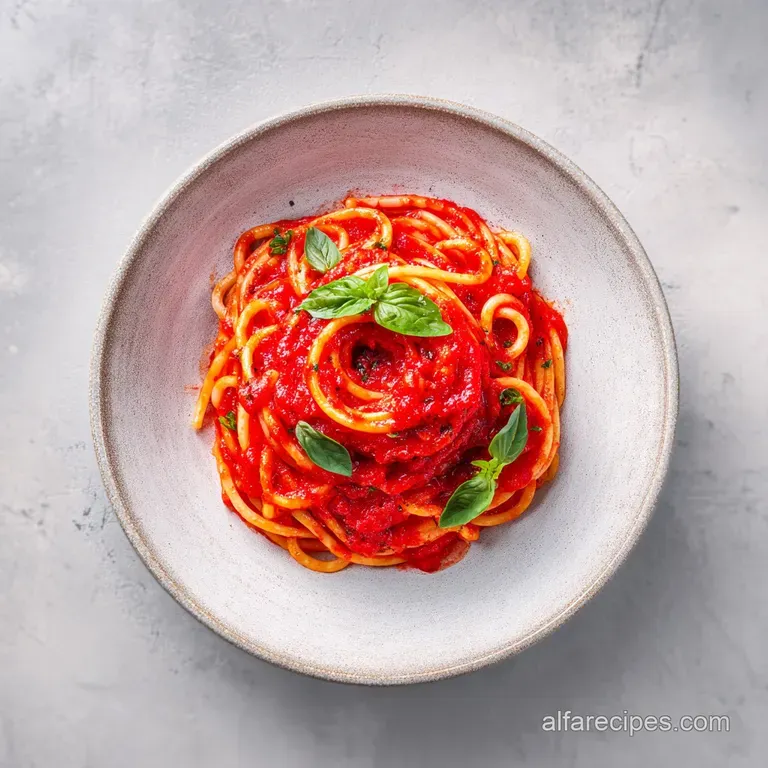
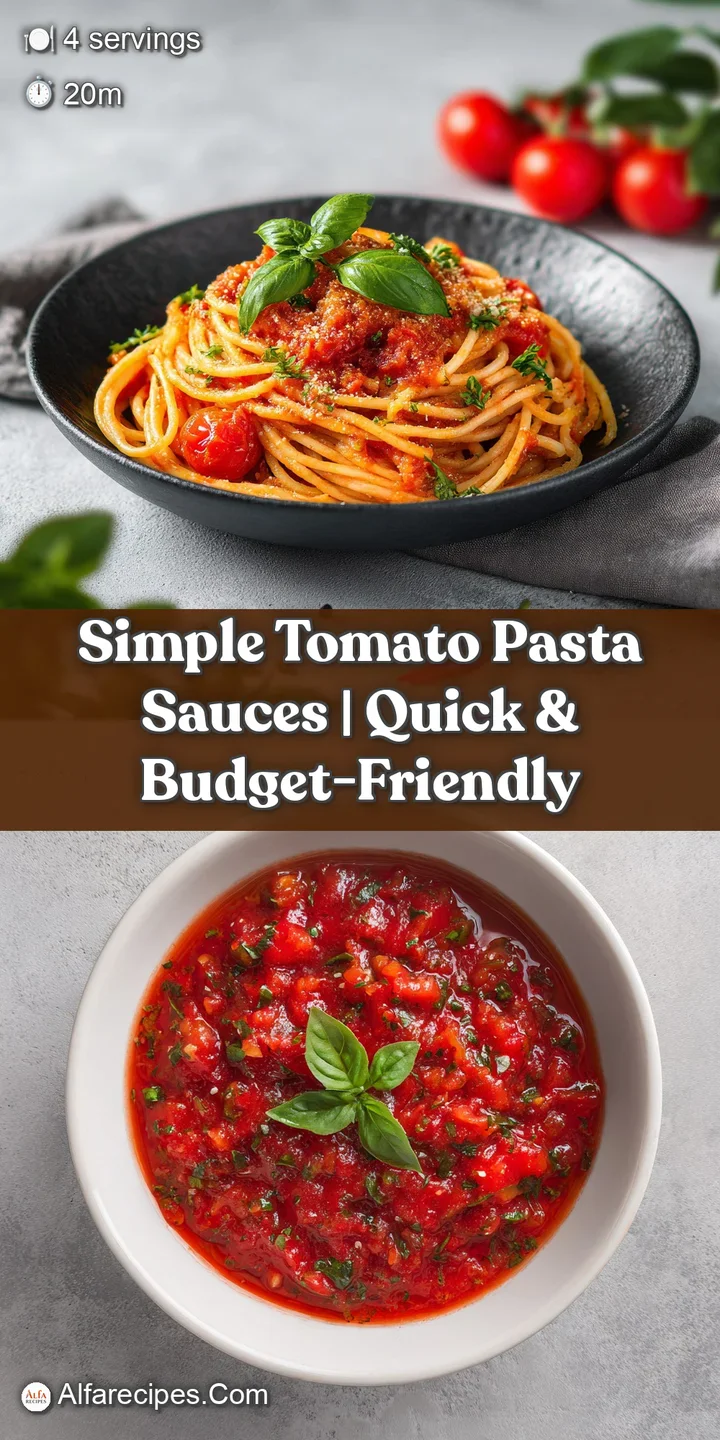
- Time: Active 5 minutes, Passive 15 minutes, Total 20 minutes
- Flavor/Texture Hook: A velvety, bright, and slightly spicy sauce with a rich umami finish.
- Perfect for: Busy weeknight dinners, meal prep, or beginner cooks looking for a reliable staple.
- Simple Tips for the Best Pasta Sauces
- Why Low Heat Wins Every Time
- Essential Prep and Decision Guide
- Pantry Staples for Hearty Meals
- Tools for a Perfect Kitchen
- Step-by-Step for a Silky Sauce
- Fixing Common Kitchen Mistakes Fast
- Smart Scaling for Large Families
- Keeping Your Leftovers Fresh
- Serving Your Family with Love
- Recipe FAQs
- 📝 Recipe Card
Simple Tips for the Best Pasta Sauces
Think about the last time you walked into an Italian kitchen. That specific, warm aroma of garlic hitting golden oil is exactly what we are chasing today. I remember the first time I tried to make a "proper" sauce in my tiny college apartment.
I ended up burning the garlic until it was bitter charcoal and used way too much salt. It was a disaster, but it taught me one vital lesson: great food isn't about expensive gadgets; it is about how you treat the ingredients you already have.
We are going to take a humble can of tomatoes and turn it into something your family will actually beg for. You don't need to spend four hours hovering over a pot to get that "Sunday Gravy" depth.
By using a few smart tricks like melting in a bit of anchovy paste and finishing with cold butter we create a sauce that tastes expensive but costs pennies per serving. This is the kind of hearty, no fuss cooking that brings everyone to a crowded table.
In this guide, I'm showing you exactly how to avoid the common pitfalls of homemade red sauces. We’ll talk about why your sauce might taste metallic, how to fix a watery consistency, and why the order of ingredients matters more than the brand on the label. Whether you’re tossing this with spaghetti or using it as a base for a Marry Me Chicken recipe, this technique is the only one you'll ever need.
Why Low Heat Wins Every Time
The Chemistry of the Bloom: Blooming tomato paste in fat transforms its raw, metallic edge into a deep, caramelized foundation. This Maillard reaction creates new flavor compounds that make the sauce taste like it simmered all day.
- Fat Soluble Infusion: Starting garlic and red pepper flakes in cold oil allows their essential oils to release slowly without the risk of scorching.
- Sugar Neutralization: A tiny pinch of granulated sugar cuts through the natural citric acid of canned tomatoes, creating a balanced, rounded profile.
- Emulsification Finality: Adding a cold pat of butter at the very end binds the water and fat together, resulting in a velvety, glossy finish.
- Aromatic Preservation: Tearing basil by hand rather than chopping it prevents the leaves from bruising and keeps the oils inside the herb until it hits the warm sauce.
| Cooking Method | Total Time | Texture Outcome | Best For |
|---|---|---|---|
| Stovetop | 20 minutes | Bright and chunky | Quick weeknight meals |
| oven-roasted | 45 minutes | Deeply caramelized | Rich, thick lasagna layers |
| Slow Cooker | 4 hours | Soft and mellow | Large batch meal prep |
Choosing the right method depends entirely on how much time you have and what you're serving. For a standard Tuesday night, the stovetop method is unbeatable because it keeps the tomato flavor vibrant and fresh.
If you have the time to let the oven do the work, you'll get those dark, jammy edges that are incredible for heavier pasta shapes.
Essential Prep and Decision Guide
| Ingredient | Science Role | Pro Secret |
|---|---|---|
| San Marzano Tomatoes | Provides a low seed, high flesh base with natural sweetness. | Crush them by hand for a rustic, non uniform texture. |
| Tomato Paste | Acts as a thickening agent and flavor intensifier. | Cook it until it turns a dark brick red to remove the tinny taste. |
| Anchovy Paste | Adds a massive hit of "umami" or savory depth. | It melts completely into the oil, leaving no fishy taste behind. |
Whenever I'm at the store, I always reach for the whole peeled tomatoes rather than the crushed ones. The quality of the fruit used for whole canning is usually much higher because they can't hide bruised or lower grade tomatoes in a thick purée.
It's a small budget win that makes a massive difference in the final result.
Pantry Staples for Hearty Meals
- 3 tbsp Extra Virgin Olive Oil Why this? Provides the fat base to carry all the aromatic flavors.
- 4 cloves Garlic, thinly sliced Why this? Sliced garlic provides a mellow, sweet flavor compared to minced.
- 1 small Shallot, finely diced Why this? Adds a subtle sweetness that onions can't quite match.
- 1/2 tsp Red pepper flakes Why this? Infuses a gentle back end heat that cuts through the richness.
- 1 tsp Anchovy paste Why this? The secret "background" saltiness that mimics aged cheese.
- 28 oz canned San Marzano Whole Peeled Tomatoes Why this? These are the gold standard for sweetness and low acidity.
- 2 tbsp Double concentrated Tomato Paste Why this? Provides body and that "cooked all-day" color.
- 1 tsp Dried Oregano Why this? Adds an earthy, floral note typical of Italian cooking.
- 1/2 tsp Sea salt Why this? Enhances every other flavor; adjust at the very end.
- 1 tsp Granulated sugar Why this? Perfectly balances the acidity without making the sauce "sweet."
- 1 tbsp Unsalted butter Why this? Creates a silky emulsion and a professional looking shine.
- 1/2 cup Fresh Basil leaves, torn Why this? Provides a fresh, peppery finish that brightens the tomatoes.
- 1/4 cup Grated Parmigiano Reggiano Why this? Adds salt, fat, and a nutty complexity.
| Original Ingredient | Substitute | Why It Works |
|---|---|---|
| San Marzano Tomatoes | Standard Whole Peeled | Cheaper option. Note: May need an extra pinch of sugar for acidity. |
| Anchovy Paste | Soy Sauce (1 tsp) | Provides the same savory glutamates without the seafood element. |
| Fresh Basil | Dried Basil (1 tbsp) | Use during the simmer phase. Note: Flavor is more muted/earthy. |
| Shallot | Yellow Onion | Similar flavor but stronger. Note: Mince it very finely. |
Tools for a Perfect Kitchen
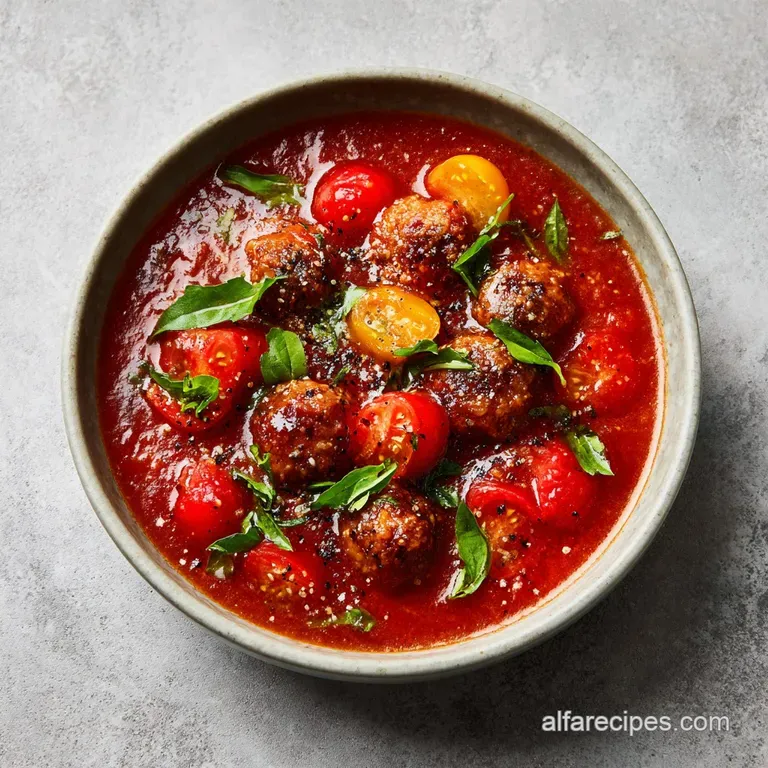
You really don't need much to get these pasta sauces going. I always use my heavy bottomed stainless steel skillet because it distributes heat evenly, which is huge when you're trying to soften shallots without browning them.
A cast iron pan works too, but be careful with high acid tomatoes as they can strip the seasoning if left too long.
A sturdy wooden spoon is your best friend here. You'll use it to scrape up those little brown bits (the fond) after you've bloomed the tomato paste. If you like a smoother sauce, a basic immersion blender is great, but honestly, I prefer the rustic feel of just mashing the tomatoes with a fork or a potato masher.
It feels more like home that way.
step-by-step for a Silky Sauce
The Cold Oil Infusion
Place the extra virgin olive oil, sliced garlic, and red pepper flakes into a cold skillet. Turn the heat to medium low. Note: Starting cold allows the garlic to gently soften and infuse the oil without the edges turning brown and bitter.
Softening the Aromatics
Add the finely diced shallots to the pan once the garlic begins to sizzle and release its aroma. Cook for about 3 minutes until the shallots are translucent and soft.
Blooming the Tomato Paste
Stir in the tomato paste and anchovy paste. Increase the heat slightly to medium. Cook for 2 minutes until the paste turns dark red and starts to stick to the pan. Note: This step is non negotiable for removing the raw metallic taste of the paste.
Hand Crushing the Tomatoes
Pour the canned San Marzano tomatoes into a bowl and crush them by hand. Add them to the skillet along with all the juices. Note: Hand crushing leaves lovely, uneven chunks that hold onto the pasta better than a smooth purée.
The Seasoning Phase
Stir in the dried oregano, sea salt, and granulated sugar. Bring the mixture to a very gentle simmer with small bubbles breaking the surface.
The Gentle Simmer Phase
Reduce the heat to low and let the sauce cook for 15 minutes. Stir occasionally to prevent sticking. Note: The sauce will slightly thicken and the oil will begin to separate and rise to the top.
The Final Emulsion Technique
Remove the skillet from the heat. Stir in the cold unsalted butter until it is completely melted and the sauce looks glossy.
The Finishing Touches
Add the torn fresh basil leaves and the grated Parmigiano Reggiano. Toss with your favorite cooked pasta, adding a splash of pasta water if needed. The sauce should cling to the noodles with a velvety coating.
Fixing Common Kitchen Mistakes Fast
Fixing Metallic Flavor Profiles
If your sauce has a sharp, tinny, or overly sour taste, it usually means the tomatoes were quite acidic or the paste wasn't cooked long enough. You can fix this easily by adding a tiny pinch of baking soda. It will fizz for a second, but it neutralizes the acid instantly.
Another trick is to add a bit more butter or cream to mellow out the sharp notes.
Reducing Watery Texture Issues
Sometimes canned tomatoes have more water than flesh, leaving you with a puddle at the bottom of the plate. The easiest fix is to simmer it uncovered for an extra 5-10 minutes. However, if you're in a rush, don't reach for cornstarch.
Instead, use the "pasta water trick." Starchy water from your boiling pasta helps the sauce emulsify and stick to the noodles like glue. It is much better than any thickener.
| Problem | Root Cause | Solution |
|---|---|---|
| Bitter Aftertaste | Burned garlic | Start over or add a splash of heavy cream to mask it. |
| Too Much Oil | Not enough emulsion | Add 2 tbsp of starchy pasta water and whisk vigorously. |
| Bland Sauce | Lacking salt/acid | Add a squeeze of lemon juice or a pinch more salt. |
Managing Excess Spice Levels
If the red pepper flakes got away from you and the sauce is too hot for the kids, don't panic. Dairy is the best fire extinguisher. Stirring in a spoonful of ricotta or a splash of heavy cream will neutralize the capsaicin. If you want to keep it dairy-free, a little extra sugar or honey can also help balance the heat.
- ✓ Always pat aromatics dry if they were washed (prevents steaming instead of sautéing).
- ✓ Never use pre shredded cheese; the cellulose coating prevents it from melting smoothly.
- ✓ Wait until the very end to add fresh herbs so they stay vibrant and green.
- ✓ Taste your sauce every 5 minutes - seasoning is a moving target as liquid evaporates.
- ✓ Use a pan with high sides to prevent messy splatters on your stovetop.
Smart Scaling for Large Families
If you are cooking for a big crowd, doubling this recipe is a breeze. Just remember that you don't need to double everything exactly. For the salt and red pepper flakes, start with 1.5 times the amount and taste as you go.
Liquids like the tomato juices can sometimes take longer to reduce in a larger pot, so you might need an extra 10 minutes of simmering time.
When scaling down for just one or two people, the process is even simpler. Use a smaller pan to ensure the sauce doesn't evaporate too quickly. If you end up with half an egg from another recipe or leftover scraps, don't worry about including them here. This sauce is incredibly forgiving.
Just keep the ratio of fat to tomatoes roughly the same to maintain that velvety mouthfeel.
| Servings | Tomato Quantity | Butter Amount | Pan Size |
|---|---|---|---|
| 2 people | 14 oz (half can) | 1/2 tbsp | 8 inch skillet |
| 4 people | 28 oz (full can) | 1 tbsp | 10 inch skillet |
| 8 people | 56 oz (two cans) | 2 tbsp | Large Dutch oven |
If you're looking for another crowd pleaser that scales well, my Creamy Garlic Tuscan recipe uses a similar aromatic base but adds a luxurious creaminess that is perfect for parties.
Keeping Your Leftovers Fresh
Storing these pasta sauces is actually a great idea because the flavors often meld and improve overnight. Let the sauce cool completely to room temperature before transferring it to an airtight container. It will stay fresh in the fridge for up to 4 days.
When you're ready to eat, reheat it gently on the stovetop over low heat, adding a tiny splash of water if it has thickened too much in the cold.
For long term storage, the freezer is your best friend. I like to freeze sauce in silicone muffin tins or freezer bags laid flat. This way, you can pop out exactly as much as you need for a single serving. It will keep its quality for about 3 months.
To reheat from frozen, just put the "sauce puck" into a small saucepan with a lid and let it melt over low heat until it begins to simmer again.
Don't toss out the scraps! If you have leftover shallot ends or garlic skins, keep them in a bag in your freezer for making homemade vegetable stock. Even the rinds from your Parmigiano Reggiano should be saved.
Throw a cheese rind into your next simmering sauce or soup; it adds a deep, salty complexity that you just can't get from the cheese alone. It’s the ultimate zero waste kitchen hack.
Serving Your Family with Love
A common misconception is that "authentic" sauce must cook for six hours to be good. In reality, many Italian home cooks prefer a "Sugo di Pomodoro" that is cooked quickly to preserve the bright, fresh acidity of the tomatoes.
Long simmering is great for tough cuts of meat, but for a simple vegetarian sauce, 15 to 20 minutes is actually the sweet spot.
Another myth is that you should add oil to your pasta water to keep the noodles from sticking. Please, don't do this! The oil will coat the pasta and prevent these beautiful pasta sauces from actually sticking to the noodles.
Just use plenty of salt in the water and give the pasta a good stir in the first two minutes of boiling. The starch on the surface of the pasta is what helps it marry with the sauce.
For a classic pairing, serve this over a heap of al dente spaghetti with an extra dusting of cheese. If you're looking for something lower in carbs, this sauce is incredible over roasted spaghetti squash or zucchini noodles. We often serve it with a side of crusty bread to swipe up every last drop from the plate. There is nothing better than a meal that makes everyone slow down and enjoy each other's company at a crowded table. For another quick dinner idea that uses similar pantry staples, you might also enjoy my Antipasto Salad recipe as a fresh starter.
Recipe FAQs
What are different pasta sauces?
Yes, there are hundreds, but they usually fall into five main categories. These include oil-based (Aglio e Olio), dairy/cheese (Alfredo/Cacio e Pepe), tomato based (Marinara/Bolognese), pesto (Basil/Arugula), and vegetable/meat ragùs. You can find great inspiration even outside Italian cooking, like in our Mexican Noodle Soup recipe which uses a rich broth base.
What sauces are good on pasta?
Tomato based sauces pair best with long, thin noodles like spaghetti or linguine. Creamy sauces stick wonderfully to broad shapes like fettuccine, while hearty meat ragùs cling best to ridges like rigatoni or pappardelle. If you're looking for a lighter dish, this sauce pairs perfectly with a side salad like our Greek Quinoa Salad recipe.
What are the 5 classical sauces?
The generally accepted five classical sauces are Béchamel, Velouté, Espagnole, Hollandaise, and Tomato. While these form the mother sauces of French technique, in Italian context they often refer to standards like Marinara, Pesto, Carbonara, Aglio e Olio, and Bolognese.
What are some classic sauces?
Classic options include Marinara, Alfredo, Carbonara, Pesto Genovese, and Bolognese. Marinara is tomato forward and quick, while Bolognese is a slow cooked meat ragù that requires hours of simmering time to develop depth. Mastering deep flavor layering is key; if you enjoy that depth, you should try the slow cooked complexity in our Beef Braciole Recipe.
Is it true that you must use olive oil when making a classic tomato sauce?
No, this is a common misconception, though olive oil is preferred for flavor. The most important element is using a quality fat to bloom your aromatics, usually garlic or onions.
Butter or even a neutral oil like canola will work if that’s what you have, but the best flavor comes from the fruity notes of olive oil.
How to thicken a watery pasta sauce quickly?
Simmer the sauce uncovered over medium heat for 5 to 10 minutes, stirring frequently. If you need it immediately thicker, whisk in a slurry of cornstarch and cold water, or even better, stir in a spoonful of breadcrumbs or finely grated Parmesan cheese. For a sauce that holds structure beautifully, study the emulsion technique used in our World's Lasagna with recipe, which prevents separation.
What ingredient adds deep savory flavor (umami) without tasting fishy?
Add a small amount of anchovy paste or fish sauce at the beginning with your fat. When cooked with acid and aromatics, the fish flavor completely melts away, leaving behind a profound savory depth that mimics slow cooked meat broths. This technique enhances the richness of the tomatoes significantly.
Simple Tomato Pasta Sauces
Ingredients:
Instructions:
Nutrition Facts:
| Calories | 198 kcal |
|---|---|
| Protein | 4.6 g |
| Fat | 15.2 g |
| Carbs | 12.1 g |
| Fiber | 2.6 g |
| Sugar | 7.4 g |
| Sodium | 485 mg |
