Mac and Cheese with Sharp Cheddar Cheese
- Time: Active 15 minutes, Passive 35 minutes, Total 50 minutes
- Flavor/Texture Hook: Sharp, nutty cheddar with a buttery panko shatter
- Perfect for: Family gatherings and cozy Sunday dinners
- The Secret to Crafting the Ultimate Family Style Mac and Cheese
- The Science Behind This Rich and Creamy Baked Pasta
- Timing and Nutrition Data for Your Hearty Family Dinner
- Selecting the Best Components for a Sharp Cheddar Sauce
- Essential Tools for a Smooth Sauce and Golden Crust
- Step-by-Step Guide to Baking Your Cheesy Pasta Masterpiece
- How to Fix a Grainy Sauce or Dry Noodles
- Simple Ways to Customize This Dish for Every Guest
- Guidelines for Freezing and Reheating Your Cheesy Leftovers
- Serving Your Pasta with Style for a Crowded Table
- Recipe FAQs
- 📝 Recipe Card
The Secret to Crafting the Ultimate Family Style Mac and Cheese
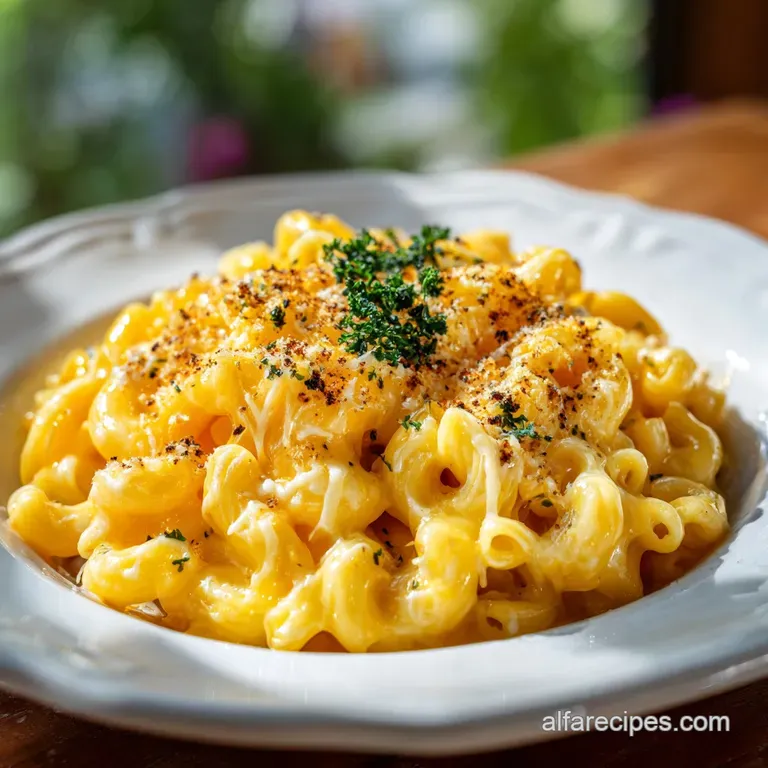
There is a specific sound that happens when you pull a fresh tray of Mac and Cheese out of the oven. It is that soft, rhythmic bubbling around the edges, where the cheese has turned into a golden, lace like crust against the side of the baking dish.
This Mac and Cheese with Sharp Cheddar Cheese recipe offers a comforting, flavorful dish perfect for any occasion, and honestly, it is the one recipe that makes my kids come running to the table without being asked twice.
I remember the first time I made this for a crowded table of relatives; the house smelled like toasted butter and sharp, tangy cheddar, and for a few minutes, the only sound was the scraping of forks against ceramic.
We have all been there, staring at a box of the neon orange stuff because it is fast, but let's be real nothing beats the real deal. I spent years trying to figure out why my homemade versions sometimes came out oily or, heaven forbid, grainy. It turns out, it wasn't the recipe; it was the technique.
We are going to walk through the steps to ensure your sauce is as velvety as a high end restaurant version but with the heart of a home cooked meal.
It is about finding that balance between the bite of the sharp cheddar and the melt ability of a supporting cheese like Gruyère. This dish is meant to be shared, scooped out in big, messy portions, and enjoyed while it is still piping hot.
Right then, let's look at why this specific method works so well every single time we put it on the table.
The Science Behind This Rich and Creamy Baked Pasta
The Emulsion Bond: Starch from the all purpose flour coats the fat molecules in the butter, allowing them to bind with the water in the milk without separating into an oily mess.
Starch Gelatinization: Heating the milk with the roux causes the starch granules to swell and burst, creating a thick, stable structure that holds the heavy cream and cheese in suspension.
Protein Stability: Using room temperature milk prevents the roux from "shocking," which ensures the proteins in the dairy don't clump, resulting in a perfectly silky sauce.
The Moisture Shield: Boiling the pasta just shy of al dente allows the noodles to absorb the excess moisture from the sauce during the bake, preventing a dry or crumbly texture.
| Servings | Pasta Weight | Cheese Needed | Baking Dish Size |
|---|---|---|---|
| 4 People | 0.6 lb | 12 oz | 8x8 square pan |
| 6 People | 1 lb | 20 oz | 9x13 casserole dish |
| 12 People | 2 lbs | 40 oz | Two 9x13 dishes |
Whenever I'm hosting a larger family gathering, I always lean toward the 12 serving adjustment. It is much easier to manage two standard dishes in the oven at once than trying to find one massive pot that can handle three pounds of pasta without everything turning into a mushy heap.
Trust me, the 9x13 dish is the "goldilocks" size for getting that perfect ratio of crispy top to creamy center.
Timing and Nutrition Data for Your Hearty Family Dinner
Building a meal for the family means knowing exactly when things will be ready. I've found that having the cheese grated before the water even starts to boil is the best way to keep the stress low. If you're looking for another hearty option for a busy weeknight, you might enjoy the process of making my World's Lasagna with recipe which uses similar cheese melting techniques to keep things rich and satisfying.
| Component | Science Role | Pro Secret |
|---|---|---|
| Extra Sharp Cheddar | Flavor Foundation | Always grate from a block to avoid the grainy cellulose used in pre shredded bags. |
| Gruyère Cheese | Melting Agent | This adds a nutty complexity and a superior "cheese pull" that cheddar alone lacks. |
| Dry Mustard | Emulsifier Aid | Mustard contains lecithin, which helps stabilize the fat in-water emulsion of the cheese sauce. |
| Whole Milk | Liquid Base | The fat content in whole milk provides a much more stable structure for the roux than skim. |
Using the right ingredients is only half the battle. The real trick is in how they interact. For instance, the cayenne pepper isn't there to make it spicy; it is there to cut through the heavy fats and make the cheddar flavor "pop" on your tongue.
It is a small detail that makes a massive difference in the final profile of the dish.
Selecting the Best Components for a Sharp Cheddar Sauce
The list below follows the exact measurements needed for a standard 6 serving tray. Make sure you don't skip the fresh thyme it adds a brightness that balances the heavy dairy.
- 1 lb dried elbow macaroni or cavatappi: Why this? The ridges on cavatappi hold onto the thick cheese sauce significantly better than smooth pasta.
- Sub: Penne or Shells.
- 1 tbsp kosher salt: Why this? Essential for seasoning the pasta water; if the pasta is bland, the whole dish fails.
- Sub: Sea salt (use slightly less).
- 0.5 cup unsalted butter: Why this? Provides the fat for the roux while allowing you to control the saltiness.
- Sub: Salted butter (omit extra salt later).
- 0.5 cup all purpose flour: Why this? The thickening agent that creates a stable, creamy base for the milk and cream.
- Sub: gluten-free 1 to-1 baking flour.
- 4 cups whole milk, room temperature: Why this? Room temp milk prevents the flour from clumping when added to the hot butter.
- Sub: 2% milk (sauce will be slightly thinner).
- 1 cup heavy cream: Why this? Adds a luxurious, velvety mouthfeel that takes this from "basic" to "gourmet."
- Sub: Half and half (less rich outcome).
- 16 oz extra sharp cheddar cheese, hand grated: Why this? The star of the show; provides that classic, punchy Mac and Cheese flavor.
- Sub: Mild cheddar for a softer flavor profile.
- 4 oz Gruyère cheese, hand grated: Why this? Offers an incredible melt and a sophisticated, nutty undertone.
- Sub: Fontina or Monterey Jack.
- 1 tsp garlic powder, 0.5 tsp dry mustard, 0.25 tsp cayenne pepper: Why this? This spice trio enhances the savory notes of the cheddar without being overwhelming.
- Sub: Smoked paprika for a deeper, wood fired flavor.
- 1 cup panko breadcrumbs, 2 tbsp melted butter, 0.25 cup parmesan: Why this? Creates a light, crispy topping that provides a necessary textural contrast.
- Sub: Crushed Ritz crackers for a buttery crunch.
- 1 tsp fresh thyme leaves: Why this? Adds an earthy aroma that complements the sharpness of the cheddar.
- Sub: Dried thyme (use 1/3 the amount).
Essential Tools for a Smooth Sauce and Golden Crust
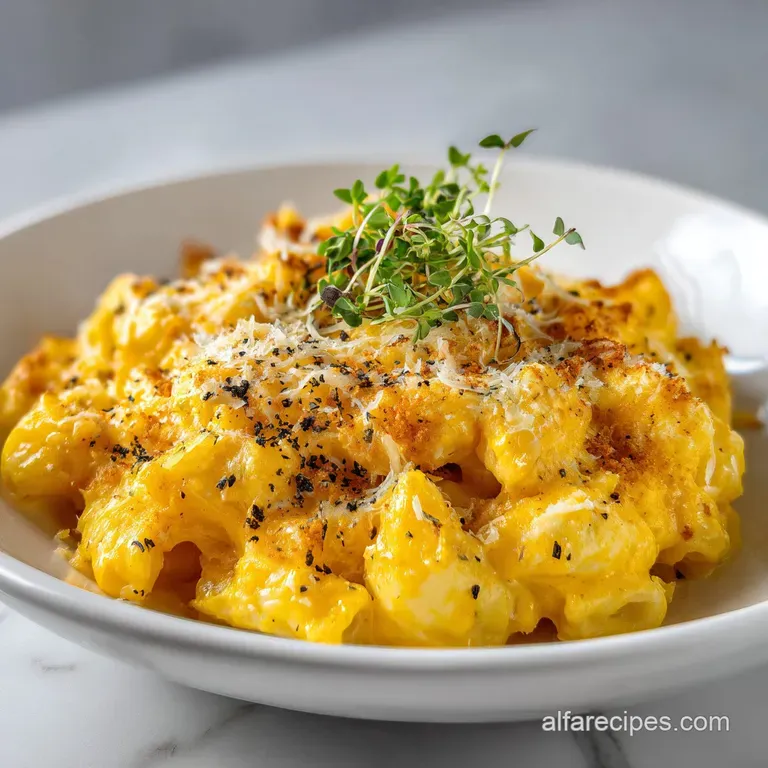
You don't need a kitchen full of gadgets, but two things are non negotiable for this recipe: a heavy bottomed pot and a box grater. A thick pot, like a Dutch oven, distributes heat evenly, which is crucial when you're whisking your roux.
If your pot is too thin, the flour will scorch in the corners before the milk even hits the pan.
I once tried to save time by using a food processor to shred the cheese. It worked, but it was a nightmare to clean. Honestly, a simple stainless steel box grater is faster and gives you more control over the texture. Plus, you get a little arm workout before you dive into a bowl of carbs!
You'll also want a sturdy whisk to ensure there are no flour lumps hiding in your Béchamel sauce.
Chef's Tip: Freeze your block of cheese for 10 minutes before grating. It firms up the fats and prevents the cheese from squishing or clumping against the grater, especially with softer varieties like Gruyère.
step-by-step Guide to Baking Your Cheesy Pasta Masterpiece
1. Preparing the Pasta Base
Boil the macaroni in heavily salted water for 2 minutes less than the package instructions. Note: The pasta will continue to cook in the cheese sauce while baking in the oven. Drain and set aside, but do not rinse, as the surface starch helps the sauce cling to the noodles.
2. Crafting the Blonde Roux
Melt 0.5 cup unsalted butter in a large pot over medium heat until it begins to sizzle and foam. Whisk in 0.5 cup all purpose flour and cook for about 2 minutes, stirring constantly. This removes the raw flour taste without browning the mixture.
3. Developing the Béchamel
Slowly pour in 4 cups of room temperature milk and 1 cup heavy cream while whisking vigorously. Continue cooking over medium heat until the sauce thickens enough to coat the back of a spoon. This usually takes about 5 to 7 minutes.
4. Tempering the Cheese
Remove the pot from the heat and stir in the garlic powder, dry mustard, and cayenne. Add the 16 oz sharp cheddar and 4 oz Gruyère in three batches, stirring until the cheese is completely melted and the sauce is velvety.
5. Executing the Final Bake
Fold the cooked pasta into the cheese sauce until every noodle is submerged. Transfer the mixture to a 9x13 baking dish. Mix the panko, parm, melted butter, and thyme in a small bowl and sprinkle it over the top.
Bake at 375°F (190°C) for 30 minutes until the top is golden and the edges are vigorously bubbling.
How to Fix a Grainy Sauce or Dry Noodles
One of the biggest heartbreaks in the kitchen is pulling out a tray of Mac and Cheese and realizing the sauce has "broken." This usually happens because the heat was too high when the cheese was added. Cheese is a delicate balance of fat, protein, and water.
If you get it too hot, the proteins tighten up and squeeze out the fat, leaving you with a gritty texture and an oil slick.
Another common issue is dry pasta. If you don't use enough sauce, the noodles will soak up every drop of liquid, leaving you with a solid block of pasta instead of a creamy delight. This recipe intentionally uses a high volume of sauce to ensure it stays moist even after the panko has turned into a crispy shatter.
Why Your Sauce Separated
If your sauce looks oily, the temperature was likely too high during the cheese adding phase. Residual heat is usually enough to melt the cheese; you don't need the burner on once the Béchamel is thick.
| Problem | Root Cause | Solution |
|---|---|---|
| Grainy Texture | Pre shredded cheese or high heat | Grate your own cheese and remove sauce from heat before adding. |
| Dry Pasta | Pasta was overcooked or not enough sauce | Boil pasta al dente and ensure the sauce to pasta ratio is high. |
| Bland Flavor | Not enough salt in pasta water | Add 1 tbsp salt to the boiling water; it's the only chance to season the noodle. |
Common Mistakes Checklist
- ✓ Never use pre shredded cheese; the anti clumping agents prevent a smooth melt.
- ✓ Stop the pasta boil early; it should have a "bite" to it before going into the sauce.
- ✓ Use room temperature milk to avoid a lumpy, broken roux.
- ✓ Let the finished dish rest for 5 to 10 minutes before serving to let the sauce set.
- ✓ Don't skip the dry mustard; it acts as a bridge between the fat and the liquid.
Simple Ways to Customize This Dish for Every Guest
If you have a house full of picky eaters or people with dietary needs, don't worry. This recipe is surprisingly flexible. If you want a bit more of a savory, meaty bite, you can check out the filling style in this Kreatopita Recipe for which uses phyllo and meat, but you can steal the seasoning ideas for a "taco mac" variation.
- For a Smoky Variation: Swap half the sharp cheddar for smoked gouda. This adds a campfire depth that is incredible on a chilly evening.
- Adding a Protein Kick: Stir in 2 cups of shredded rotisserie chicken or some crispy bacon bits before baking.
- Engineering the Perfect "Crust to Cream" Ratio: If you love the crunch, bake the Mac and Cheese in a larger, shallower pan. This increases the surface area for the panko to spread out.
When I'm cooking for just my husband and myself, I'll often cut the recipe in half. Using a smaller 8x8 pan is key here. Just remember that smaller portions cook slightly faster, so start checking for that golden crust about 5 to 8 minutes earlier than the full recipe suggests.
If you're doubling the recipe for a block party, work in batches for the roux it's much easier to manage the whisking that way.
| Feature | Classic Baked | Stovetop Quick |
|---|---|---|
| Texture | Crispy top, firm center | Entirely creamy and loose |
| Prep Time | 50 minutes | 20 minutes |
| Best For | Holidays and Sunday dinner | Quick weeknight lunches |
Guidelines for Freezing and Reheating Your Cheesy Leftovers
Storing Mac and Cheese with Sharp Cheddar Cheese is easy, but reheating it correctly is the real trick. In the fridge, it will stay fresh for up to 4 days in an airtight container. When you're ready to eat it again, don't just microwave it on high.
That will almost certainly break the sauce and leave you with a greasy plate. Instead, add a splash of milk to the bowl, cover it, and heat it at 50% power, stirring halfway through.
For freezing, this dish is a superstar. You can freeze the entire unbaked casserole! Just wrap it tightly with plastic wrap and then foil. It will last for up to 3 months. When you're ready to bake, let it thaw in the fridge overnight, then bake as directed, adding about 10 minutes to the timer since it will still be quite cold.
Zero Waste Kitchen Tips
Don't throw away those cheese rinds! If you used a block of parm or Gruyère, save the hard ends in a freezer bag. You can drop them into a simmering pot of soup or a future batch of cheese sauce to extract every bit of that umami flavor.
Also, if you have leftover panko topping, it's great for breading chicken breasts the next night.
Serving Your Pasta with Style for a Crowded Table
Presentation matters, even for a "no fuss" meal. I love bringing the 9x13 dish straight from the oven to a trivet in the center of the table. There is something so communal about everyone digging in and seeing that velvety cheese sauce stretch as the first scoop is lifted.
If you want to make it look a bit more "finished," sprinkle some extra fresh thyme or even a dash of smoked paprika over the top right before serving.
I usually serve this alongside a simple green salad with a tart vinaigrette. The acidity of the dressing helps cleanse the palate between those rich, cheesy bites. Another trick for a beautiful table is using mismatched vintage plates; it keeps the vibe relaxed and focuses on the comfort of the food.
No matter how you serve it, this and Cheese with Sharp Cheddar Cheese is going to be the star. Just be prepared for people to ask for the recipe before they've even finished their first helping! Enjoy every bite of that golden, crispy panko shatter it's the best part, in my humble opinion.
Let's get that water boiling and crack on with the cooking!

Recipe FAQs
Can I use sharp cheddar for mac and cheese?
Yes, it is highly recommended. Sharp cheddar provides the necessary tangy flavor foundation that milder cheeses often lack. Ensure you grate it fresh from a block, as pre-shredded versions contain anti caking agents that inhibit smooth melting.
How to melt sharp cheddar cheese for mac and cheese?
Remove the sauce from the heat source first. Add the grated sharp cheddar in three small batches, stirring continuously until each batch is fully incorporated before adding the next. This gentle approach prevents the proteins from seizing and separating into an oily mess.
What cheeses should I avoid when making mac and cheese?
Avoid very soft, high moisture cheeses like fresh mozzarella or ricotta. These cheeses release too much water when heated, leading to a runny or grainy sauce rather than a thick, cohesive Béchamel base.
Can you use sharp cheddar instead of cheddar?
Yes, use sharp cheddar and increase other supporting flavors. Sharp cheddar is superior in flavor, but because it is less melty than a medium cheddar, you should pair it with a good melting cheese like Gruyère for texture.
Is it true that pre-shredded cheese makes the sauce grainy?
Yes, this is a common misconception regarding sauce texture. Pre-shredded cheese is coated in cellulose or potato starch to prevent clumping in the bag, but these additives interfere with the proper emulsification of the cheese into the milk base.
How to achieve a creamy texture if my sauce breaks and looks oily?
Whisk in a tablespoon of cold milk or cream off the heat. If you mastered the stable emulsion in this recipe, apply the same principle to fixing a broken sauce by slowly reintroducing a cold liquid while whisking vigorously. This can sometimes coax the fat and liquid back together.
How do I ensure my homemade macaroni doesn't dry out during baking?
Cook the pasta for two minutes less than package directions (undercook slightly). The noodles must be able to absorb moisture from the sauce while baking; if they are fully cooked beforehand, they will become dry and spongy after the 30-minute bake time.
Sharp Cheddar Mac And Cheese
Ingredients:
Instructions:
Nutrition Facts:
| Calories | 1151 kcal |
|---|---|
| Protein | 42.8 g |
| Fat | 72.3 g |
| Carbs | 83.1 g |
| Fiber | 3.3 g |
| Sugar | 10.2 g |
| Sodium | 715 mg |
