Rice Bowl Recipe with Salmon: Crispy Crust
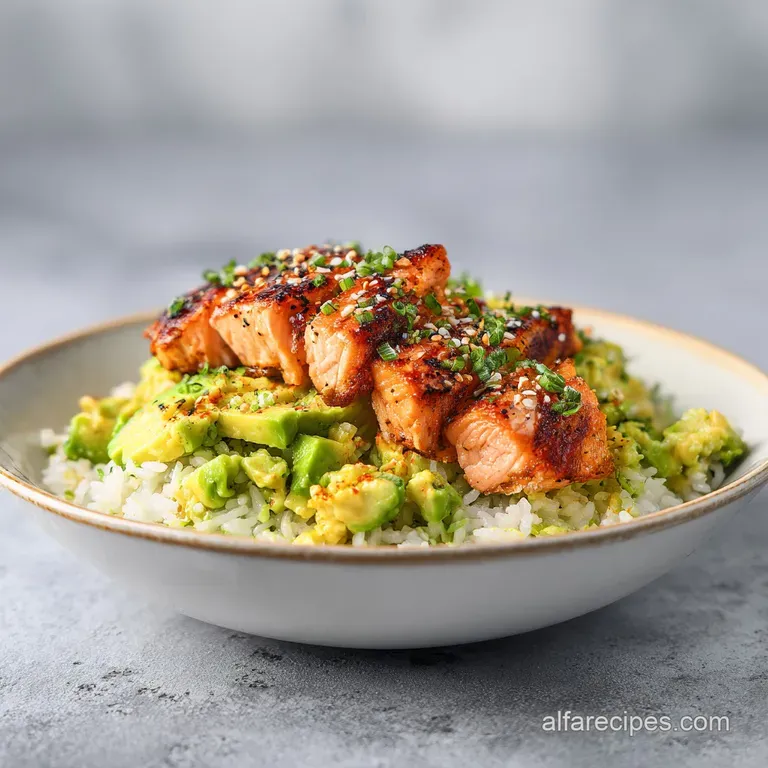
- Time: Active 15 minutes, Passive 10 minutes, Total 25 minutes
- Flavor/Texture Hook: Flaky seared salmon with velvety avocado
- Perfect for: Weeknight meal prep or a quick healthy dinner
- Logic Behind This Salmon Bowl Build
- Improving Routine with Fresh Salmon Flavors
- Stats for This Salmon Rice Bowl
- Affordable Ingredients for Your Salmon Bowl
- Minimal Gear for Professional Seafood Bowls
- Precise Method for Seared Salmon Success
- Common Pitfalls and Quick Fixes
- Smart Swaps and Global Flavor Twists
- Safe Storage and Using Scraps
- Plating Techniques for Quality Experience
- Very High in Sodium
- Recipe FAQs
- 📝 Recipe Card
Craving a flavorful and easy meal? This Rice Bowl Recipe with Salmon and Avocado is a guaranteed winner. I remember the first time I tried to make this at home, I was so worried about the salmon sticking to the pan that I poked it too much, ending up with a pile of fish flakes rather than a beautiful fillet.
But then I heard that first sizzle of the skin hitting the hot oil and realized the secret is just letting the heat do the work.
When you walk into the kitchen and smell that nutty aroma of toasted sesame oil mixing with the sharp tang of rice vinegar, you know something special is happening. It's a meal that feels bright and energizing, especially on those Tuesdays when you've spent all day at your desk and need a win that doesn't involve hours of washing up.
We're going for big textures here: the shatter of the seared salmon skin against the soft, sticky grains of rice.
This dish has become my go to when I want to feel like I’m eating fancy on a budget. Salmon can be pricey, but by bulking out the bowl with seasonal cucumbers and pantry staple rice, we make two fillets stretch into a satisfying feast for two.
Honestly, once you master the timing of the rice, you’ll never look at a takeout menu the same way again. Let’s get into how we make this happen without breaking the bank or losing our minds.
Logic Behind This Salmon Bowl Build
The Secret to this Rice Bowl Recipe with Salmon: Starch gelatinization occurs when we simmer the rice, creating a sticky network that holds onto the honey soy drizzle.
The over high heat sear on the salmon triggers the Maillard reaction, developing savory compounds that contrast with the cooling, fatty avocado.
Chef Tip: For the ultimate crispy skin that won't stick, pat your salmon fillets with a paper towel for 2 full minutes before seasoning. Moisture is the enemy of a good sear; if the fish is damp, it will steam instead of fry.
Another trick I swear by is seasoned water. Most people season their rice after it's cooked, but adding the salt and a drop of oil to the pot ensures every single grain is flavored from the inside out. If you're looking for more ways to use these flavors, you might enjoy the balance in our Chicken Teriyaki Recipe.
| Premium | Budget | Flavor Impact | Savings |
|---|---|---|---|
| Fresh Wild Salmon | Frozen Atlantic Salmon | Slightly firmer texture | Save $5-8 |
| Fresh Ginger Root | Ground Ginger Powder | Less bite, more earthy | Save $2 |
| Rice Vinegar | Apple Cider Vinegar | More fruit forward acidity | Save $1 |
The budget friendly secret here is using frozen salmon fillets. They are often flash frozen at sea, meaning the quality is high, but the price point is much friendlier for a Tuesday night dinner. Just make sure they are fully thawed and bone dry before they hit the pan.
Improving Routine with Fresh Salmon Flavors
We've all been through those phases where "meal prep" feels like a chore, but this bowl changes that. The transformation happens when you stop seeing these as separate ingredients and start seeing how they interact.
The acidity in the pickled ginger isn't just a garnish; it cuts through the rich fat of the avocado, keeping your palate ready for the next bite.
Mastering the Maillard Reaction
When the salmon hits the oil, the proteins and sugars on the surface react to create a brown, savory crust. This only happens if the pan is hot enough to evaporate surface moisture instantly. If you see grey, sad looking fish, your pan wasn't hot enough, or you crowded it too much.
Utilizing Short Grain Starch Dynamics
Short grain rice contains more amylopectin than long grain varieties like Basmati. This makes it naturally sticky and velvety, which is exactly what we want so the rice doesn't just fall off your fork. It acts as a sponge for the soy ginger sauce we'll mix up.
Balancing the Flavor Compass
We are hitting all five tastes here. The soy sauce brings salt and umami, the honey provides sweetness, the rice vinegar adds sourness, and the radish or scallions offer a hint of bitter pungency. The avocado provides the creamy fat that binds it all together into one cohesive experience.
Stats for This Salmon Rice Bowl
| Checkpoint | Metric Value | Why It Matters |
|---|---|---|
| Rice Water Ratio | 1:1.25 | Prevents mushy, waterlogged grains |
| Salmon Temp | 52°C (130°F) | Ensures a buttery, flaky interior |
| Resting Time | 3 minutes | Allows juices to redistribute in the fish |
Getting the rice right is the foundation of any good bowl. I used to eyeball the water, but using exactly 300ml for 185g of rice changed everything for me. It’s the difference between a sad clump of starch and distinct, glossy grains that have a slight bite to them.
Affordable Ingredients for Your Salmon Bowl
Component Deep Dive
| Ingredient | Science Role | Pro Secret |
|---|---|---|
| Short grain Rice | Starch Foundation | Rinse until the water is clear to remove excess surface starch. |
| Rice Vinegar | pH Balancer | Adding sugar to the vinegar helps the rice stay moist longer. |
| Salmon Fillets | Protein & Healthy Fat | Use skin on fillets to protect the flesh from drying out during the sear. |
| Avocado | Emollient Texture | Choose one that yields slightly to gentle pressure at the neck. |
For the Rice Base
- 1 cup (185g) Short grain white rice: The starch hero. Why this? Holds its shape while staying sticky enough to eat with chopsticks.
- Sub: Jasmine rice (less sticky but very aromatic).
- 1.25 cups (300ml) Water: The hydration source.
- 1 tbsp Rice vinegar: Adds the signature sushi style tang.
- Sub: Apple cider vinegar with a pinch of extra sugar.
- 1 tsp Granulated sugar: Balances the acidity.
- 0.5 tsp Sea salt: Enhances the natural grain flavor.
For the Seared Salmon
- 2 Salmon fillets (approx. 170g each): Our main protein. Why this? Rich in Omega-3s and quick to cook.
- Sub: Firm tofu blocks (pressed and seared the same way).
- 1 tbsp Neutral oil: High smoke point for a better sear.
- Sub: Grapeseed oil or canola oil.
- 0.5 tsp Smoked paprika: Adds a hint of fire without the heat.
- 0.5 tsp Garlic powder: Savory depth.
- 0.25 tsp Salt & 0.25 tsp Black pepper: Basic seasoning.
For the Toppings and Garnish
- 1 Large ripe avocado: The creamy heart of the bowl.
- 1 Persian cucumber: Adds a cooling crunch.
- Sub: English cucumber, seeded.
- 0.25 cup Shredded carrots: Color and sweetness.
- 2 tbsp Pickled ginger: The palate cleanser.
- 1 tsp Toasted sesame seeds: Nutty finish.
- 1 Scallion: Sharp, fresh bite.
For the Signature Drizzle
- 2 tbsp Soy sauce: The umami base.
- Sub: Tamari for a gluten-free version.
- 1 tsp Toasted sesame oil: For that incredible aroma.
- 0.5 tsp Freshly grated ginger: Zesty heat.
- 1 tsp Honey: To thicken and sweeten the sauce.
Minimal Gear for Professional Seafood Bowls
You don't need a kitchen full of gadgets to pull this off. A solid non stick or cast iron skillet is your best friend here. If you use stainless steel, you'll need a bit more oil to prevent the salmon skin from sticking.
I personally love a heavy bottomed pot for the rice because it distributes heat evenly, preventing the bottom grains from burning while the top ones stay raw.
A sharp knife is non negotiable for the avocado and cucumber. You want clean, thin slices that look as good as they taste. If you're into making these types of sauces often, a small glass jar is great for shaking up the drizzle ingredients until they're fully combined.
Precise Method for Seared Salmon Success
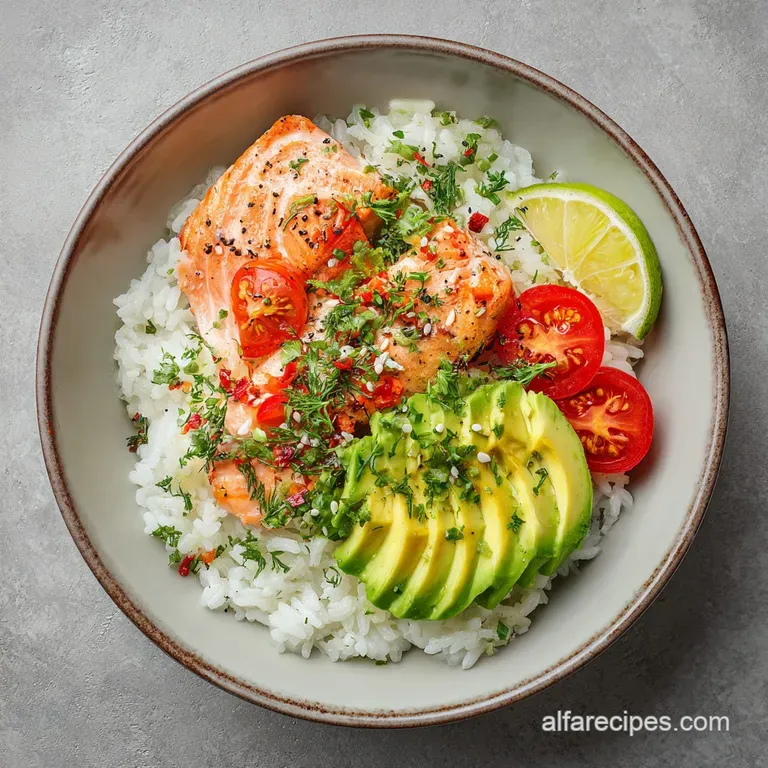
Preparing the Grains
Rinse the 185g of short grain rice in a fine mesh strainer under cold water for about 2 minutes. You want the water running through to be almost completely clear. Combine the rice and 300ml of water in a pot.
Bring to a boil, then reduce to the lowest heat setting, cover tightly, and simmer for 15 minutes. Note: Do not peek! Opening the lid lets the steam escape, which is what actually cooks the rice.
Once the time is up, remove from heat and let it sit, covered, for another 10 minutes. While it rests, whisk together the 1 tbsp rice vinegar, 1 tsp sugar, and 0.5 tsp salt. Fold this mixture into the warm rice using a gentle "cutting" motion with a spatula to avoid mashing the grains.
Mastering the over High heat Sear
Pat the salmon fillets dry with paper towels. Rub them with the smoked paprika, garlic powder, salt, and pepper. Heat 1 tbsp of oil in your skillet over medium high heat. Wait 3 minutes until the oil is shimmering and slightly wispy.
Place the salmon in the pan, skin side down. Press down gently with a spatula for 10 seconds to ensure the skin makes full contact. Cook for 4 to 5 minutes without moving it. You will see the color change creep up the side of the fish.
Flip carefully and cook for another 2 to 3 minutes until the center is just barely opaque.
Assembling the Artistic Bowl
Divide the seasoned rice between two deep bowls. Slice the avocado and cucumber thinly. I like to fan them out across the rice for that professional look. Add the shredded carrots and a pile of pickled ginger in their own little sections.
Finishing with the Umami Glaze
Whisk the 2 tbsp soy sauce, sesame oil, grated ginger, and honey together. If you like a thicker sauce, you can microwave it for 15 seconds to help the honey melt. Place the salmon fillet right in the center of your toppings.
Drizzle the sauce generously over the fish and vegetables, then finish with a sprinkle of sesame seeds and scallions.
Common Pitfalls and Quick Fixes
Fixing Dry, Overcooked Fish
If you accidentally left the salmon in too long and it feels stiff, don't panic. The solution is moisture. Flake the salmon into smaller pieces and toss it directly with the soy ginger drizzle. The sauce will penetrate the flakes and mask the dryness.
Adding an extra squeeze of lime juice can also help brighten the flavor and distract from the texture.
Rescuing Gummy or Mushy Rice
Mushy rice usually happens because of too much water or not enough rinsing. If it's too late to start over, spread the rice out on a large baking sheet and let it air dry for 10 minutes. This helps the excess surface moisture evaporate. Alternatively, you can lean into it and turn the bowl into more of a "congee" style by adding a splash of warm broth. For a completely different rice experience, try my Freakin Fantastic Fried recipe next time.
| Problem | Root Cause | Solution |
|---|---|---|
| Salmon skin is soggy | Pan wasn't hot enough | Increase heat and pat fish drier next time. |
| Rice is crunchy | Under hydrated or heat too high | Add 2 tbsp water and steam for 5 more mins. |
| Sauce is too salty | Too much soy sauce | Add a teaspoon of honey or a splash of water. |
Common Mistakes Checklist
- ✓ Never skip the rice rinse; it prevents the grains from becoming a gluey mess.
- ✓ Don't move the salmon for the first 4 minutes; that’s how the skin gets crispy.
- ✓ Check the avocado by the stem; if it's brown underneath, the fruit is bruised.
- ✓ Use a cold pan for the rice but a very hot pan for the fish.
- ✓ Let the rice rest after cooking; this allows the moisture to even out.
Smart Swaps and Global Flavor Twists
The beauty of this Rice Bowl Recipe with Salmon is how adaptable it is. If you want a different vibe, try the "Decision Shortcut" below:
- If you want a spicy kick, mix 1 tbsp mayo with 1 tsp Sriracha and drizzle it over the top.
- If you want more crunch, add crushed wasabi peas or fried shallots for a savory pop.
- If you want it low carb, swap the rice for cauliflower rice or shredded cabbage sautéed in sesame oil.
Making Spicy Mayo Bowls
This is the "shortcut" way to get that sushi restaurant flavor. The fat in the mayo rounds out the saltiness of the soy sauce. I often make a double batch of this sauce and keep it in the fridge for turkey wraps later in the week.
Using the Miso Glaze Twist
If you have miso paste in the back of the fridge, whisk a teaspoon into the drizzle. It adds a fermented, salty depth that is incredible with the fatty salmon. It turns this simple bowl into something that tastes like it took hours to develop. If you enjoy nutty, creamy sauces, you might also love our Thai Peanut Sauce recipe.
Safe Storage and Using Scraps
Store any leftovers in airtight containers in the fridge for up to 2 days. I recommend keeping the rice, salmon, and fresh vegetables in separate compartments if possible. The rice will harden in the fridge, so when you reheat it, add a teaspoon of water and cover it with a damp paper towel in the microwave.
This creates a mini steam chamber that makes the grains soft again.
For zero waste, don't throw away the salmon skin if you decide to remove it before eating. You can pop it back in the pan until it's completely brittle and use it as a "bacon" crumble over the top.
The white parts of the scallions are great for starting a stir fry, and the cucumber ends can be tossed into a glass of water for a refreshing treat.
Plating Techniques for Quality Experience
To make this feel like a $25 restaurant bowl, focus on color contrast. Place the orange salmon next to the green avocado and the bright orange carrots. Use a wide, shallow bowl rather than a deep one so all the toppings are visible.
Don't just dump the sauce on top. Drizzle it in a zigzag pattern across the whole bowl. It ensures every bite gets a bit of flavor and looks much more intentional. A final sprinkle of sesame seeds from a high distance ensures an even, beautiful coat.
It’s these small touches that turn a simple Tuesday night dinner into a meal you actually look forward to all day. Enjoy your creation!
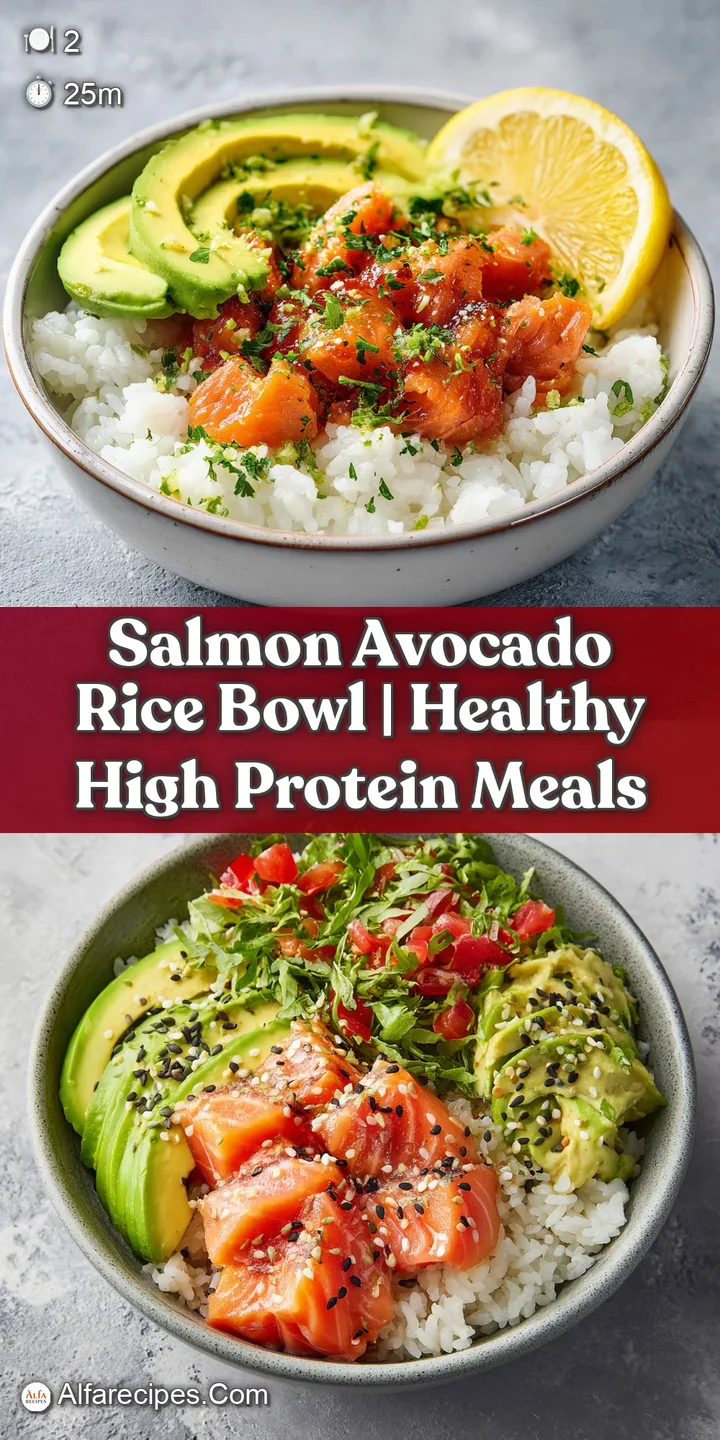
Very High in Sodium
1380 mg mg of sodium per serving (60% of daily value)
The American Heart Association recommends limiting sodium intake to about 2,300mg per day for overall health.
Tips to Reduce Sodium in Your Salmon Rice Bowl:
-
Lighten the Soy Sauce-20%
Replace regular soy sauce with a low-sodium version. This simple swap can significantly reduce the overall sodium content without sacrificing flavor.
-
Reduce Added Salt-15%
Decrease the amount of added salt in the rice and on the salmon by half or eliminate it entirely. Taste as you go and adjust to your preference.
-
Limit Pickled Ginger-10%
Pickled ginger is often high in sodium. Use a smaller amount or rinse it before adding to remove some of the brine and salt.
-
Acid Boost!-5%
Enhance flavors with a squeeze of fresh lemon or lime juice to brighten the dish and potentially reduce the need for added salt.
-
Fresh Ginger Power-5%
Instead of relying solely on soy sauce for flavor, increase the amount of fresh ginger to bring out savory notes.
-
Spice It Up
Experiment with sodium free herbs and spices like dill, parsley, or onion powder to add complexity and flavor without the sodium.
Recipe FAQs
What is the best heat level to sear the salmon skin without burning it?
Use medium high heat after the oil shimmers. Wait until the oil is visibly hot but not smoking heavily, then press the fish down for 10 seconds to ensure full skin contact.
How can I ensure the short grain rice is sticky but not mushy?
Rinse the rice thoroughly until the water runs clear, then adhere strictly to the 1:1.25 water ratio. Allowing the rice to rest, covered, for 10 minutes off the heat is crucial for perfect moisture absorption.
Can I substitute the salmon with another protein for this bowl?
Yes, tofu or chicken breast works well in this format. If using tofu, press it aggressively first, and if you are looking for a quick poultry alternative, see our guide on 30 Minute One recipe for similar high heat cooking principles.
How long can I safely store the leftover rice and salmon bowls?
Store components separately for up to two days. When reheating the rice, cover it with a damp paper towel to regenerate moisture lost during refrigeration.
Is it necessary to use a very hot pan when searing protein like this salmon?
Yes, high heat is non-negotiable for achieving a crisp exterior. If the pan is too cool, the fish will steam in its own moisture, preventing the necessary Maillard reaction needed for that savory crust.
How do I achieve the perfect balance of sweet, sour, and salty in the drizzle?
Start with a soy base, then balance the acidity of the vinegar with honey. For a richer umami profile that deepens the overall flavor, try incorporating a teaspoon of white miso paste into your drizzle mixture.
What is the best way to revive rice that has dried out in the refrigerator?
Reheat the rice in the microwave with a tablespoon of water, covered by a damp paper towel. This creates a steaming environment that re-gelatinizes the starch; this same steam principle helps keep vegetables tender in our Ground Beef Stir recipe.
Salmon Avocado Rice Bowl
Ingredients:
Instructions:
Nutrition Facts:
| Calories | 968 kcal |
|---|---|
| Protein | 42.8 g |
| Fat | 46.2 g |
| Carbs | 84.5 g |
| Fiber | 8.8 g |
| Sugar | 8.2 g |
| Sodium | 1380 mg |
