Chicken Teriyaki Dinner
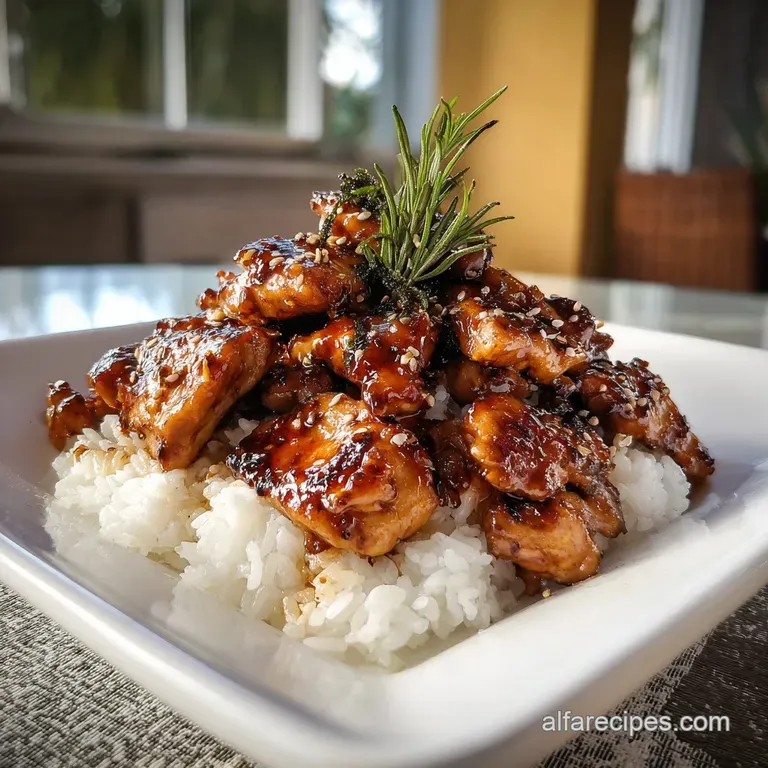
- Time: Active 10 minutes, Passive 10 minutes, Total 20 minutes
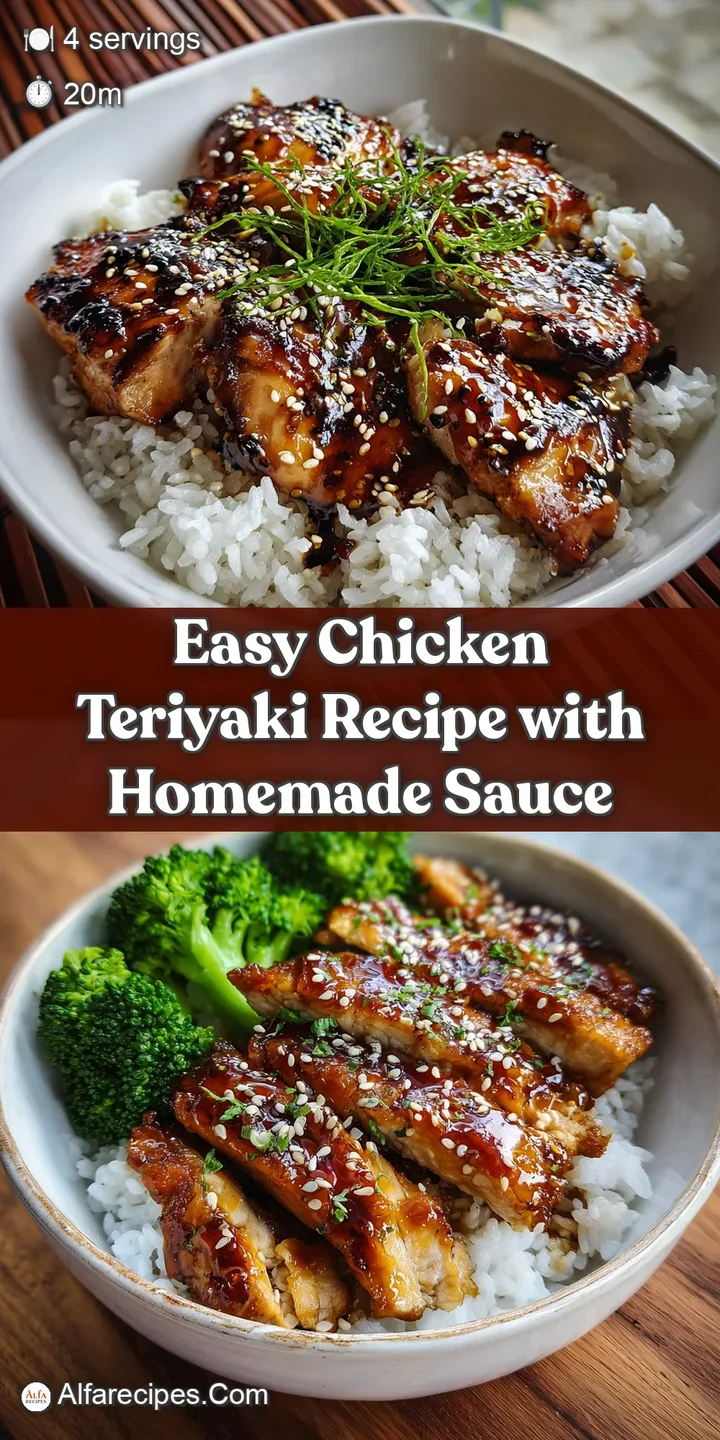
- Flavor/Texture Hook: Tacky, ginger spiced glaze with a shatter crisp sear.
- Perfect for: Stress free weeknight dinners or healthy meal prep.
- Why this glossy glaze stays perfectly tacky
- Essential details for your cooking schedule
- The simple elements for a better bowl
- Tools needed for a high heat sear
- Simple steps for a restaurant quality finish
- Solving common problems with your glaze
- Creative ways to customize your dinner
- Realities of common kitchen myths
- Safe storage and reheating for leftovers
- Perfect sides to complete your crowded table
- High in Sodium
- Recipe FAQs
- 📝 Recipe Card
You know that sound when a cold splash of soy sauce hits a screaming hot stainless steel pan? That immediate hiss followed by the smell of toasted garlic and sweet mirin filling the kitchen it's the best part of my day.
I used to think that "real" teriyaki required a bottle from the store, but after one too many gloopy, cornstarch heavy dinners, I realized the magic is actually in the reduction.
I’ve spent years tweaking this because my kids expect that specific restaurant style shine, and honestly, I was tired of cleaning up sticky messes from recipes that didn't work. This version is my "no fail" method.
It’s hearty, it's fast, and it makes the whole house smell like a high end hibachi grill without the fancy price tag.
We're going to use real life ingredients that you probably already have in the pantry. No tiny portions here this is a solid meal for four that actually leaves everyone feeling full.
Let’s get that pan hot and show you how a few simple pantry staples turn into a velvety glaze that will make you delete your delivery apps.
Why this glossy glaze stays perfectly tacky
The Physics of the Reduction: The natural sugars in mirin and brown sugar undergo pyrolysis at high heat, creating a tacky glaze that clings to the protein through molecular adhesion.
Meanwhile, the alcohol in the sake works to denature the chicken proteins, ensuring the meat stays tender even during a over high heat sear.
- Maillard Magic: Searing the chicken until it develops a dark crust provides the savory backbone that balances the sweet sauce.
- Emulsification: Grated ginger acts as a natural stabilizer, helping the oil and soy sauce bind together.
- Thigh Superiority: Using thighs provides enough fat to keep the meat juicy while the sauce reduces.
- Mirin Gloss: The high glucose content in mirin is what gives the dish its signature mirror like shine.
| Cooking Method | Cook Time | Final Texture | Best For |
|---|---|---|---|
| Stovetop Pan | 10 minutes | Crispy and tacky | Quickest results |
| Air Fryer | 12 minutes | Shatter crisp edges | Hands off prep |
| Oven Broil | 8 minutes | Charred and smoky | Large batches |
Choosing the right method depends on your mood, but for the most authentic feel, the stovetop pan wins every time. It allows the sauce to bubble and caramelize directly against the meat, which is where that deep flavor lives. If you are looking for more comfort food inspiration, this technique of browning meat before saucing is very similar to what I use in my Poblano Chicken Tortilla recipe.
Essential details for your cooking schedule
| Ingredient | Science Role | Pro Secret |
|---|---|---|
| Chicken Thighs | Fat & Protein | Pat dry for maximum sear |
| Mirin | Sugar & Acid | Never skip; it creates the shine |
| Sake | Enzyme Tenderizer | Substitute with dry sherry in a pinch |
| Fresh Ginger | Aromatics | Grate while frozen for fine texture |
Before you start, make sure your chicken is at room temperature. Cold meat hitting a hot pan causes the muscle fibers to seize up, which leads to a chewy texture. I learned this the hard way when I was in a rush now I always give it 15 minutes on the counter first.
The simple elements for a better bowl
For the chicken: 1.5 lbs boneless, skinless chicken thighs: Cut into 1 inch bite sized pieces. Why this? Thighs stay juicy under high heat compared to breasts.1 tbsp neutral oil (avocado or grapeseed): High smoke point is non negotiable here.
0.5 tsp fine sea salt: Enhances the natural savory notes of the poultry. 0.25 tsp ground white pepper: Adds a gentle heat without the black specks.
- 0.25 cup low sodium soy sauce
- Provides the salty umami base. Why this? Standard soy sauce can make the reduction too salty.
- 0.25 cup mirin
- This is the secret to the sweet, glossy finish.
- 2 tbsp sake or dry sherry
- Helps cut through the sweetness of the sugar.
- 1 tbsp brown sugar
- Adds a deep, molasses like sweetness.
- 1 tsp fresh ginger
- Finely grated to melt into the glaze.
- 2 cloves garlic
- Minced into a fine paste.
| Original Ingredient | Substitute | Why It Works |
|---|---|---|
| Soy Sauce | Liquid Aminos | Similar salt profile. Note: Slightly sweeter and gluten-free. |
| Mirin | Honey + Splash of Water | Adds sweetness and shine. Note: Lacks the subtle acidity of mirin. |
| Sake | Dry Sherry | Similar alcohol content. Note: Nuttier flavor profile but works well. |
Tools needed for a high heat sear
You don't need a professional kitchen, but a heavy bottomed pan is your best friend here. I prefer a large cast iron skillet or a stainless steel pan. These materials hold heat much better than thin non stick pans, which is crucial when you want that "shatter" crispiness on the chicken skin.
A microplane is also a total life saver for the ginger and garlic. It turns them into a fine pulp that dissolves into the sauce rather than leaving you with chunky bits. If you're doubling the recipe for a crowded table, make sure your pan is large enough; overcrowding leads to steaming instead of searing.
Simple steps for a restaurant quality finish
Protein preparation steps
Pat the 1.5 lbs of chicken thighs completely dry with paper towels. Note: Excess moisture prevents the Maillard reaction from occurring. Season the pieces evenly with 0.5 tsp salt and 0.25 tsp white pepper.
High heat searing process
Heat 1 tbsp neutral oil in your skillet over medium high heat until it shimmer and wisps of smoke appear. Add the chicken in a single layer, making sure the pieces don't touch.
Achieving the perfect crust
Cook the chicken for 3 minutes without moving it until the bottom is golden brown and crisp. Flip the pieces and cook for another 2 minutes to sear the other side.
Mixing the liquid base
While the chicken sears, whisk together 0.25 cup soy sauce, 0.25 cup mirin, 2 tbsp sake, 1 tbsp brown sugar, 1 tsp ginger, and 2 cloves minced garlic.
Starting the glaze reduction
Pour the sauce mixture into the pan with the chicken. The liquid should sizzle and bubble immediately upon contact.
Coating the chicken pieces
Stir the chicken constantly as the sauce bubbles. Cook for about 3 to 4 minutes until the sauce thickens into a dark, syrupy glaze.
Checking for doneness
The chicken is ready when the internal temperature hits 165°F (74°C). The sauce should now be thick enough to coat the back of a spoon.
The final resting period
Remove the pan from the heat and let the dish sit for 2 minutes. This allows the residual heat to finish thickening the glaze into a velvety coating.
Solving common problems with your glaze
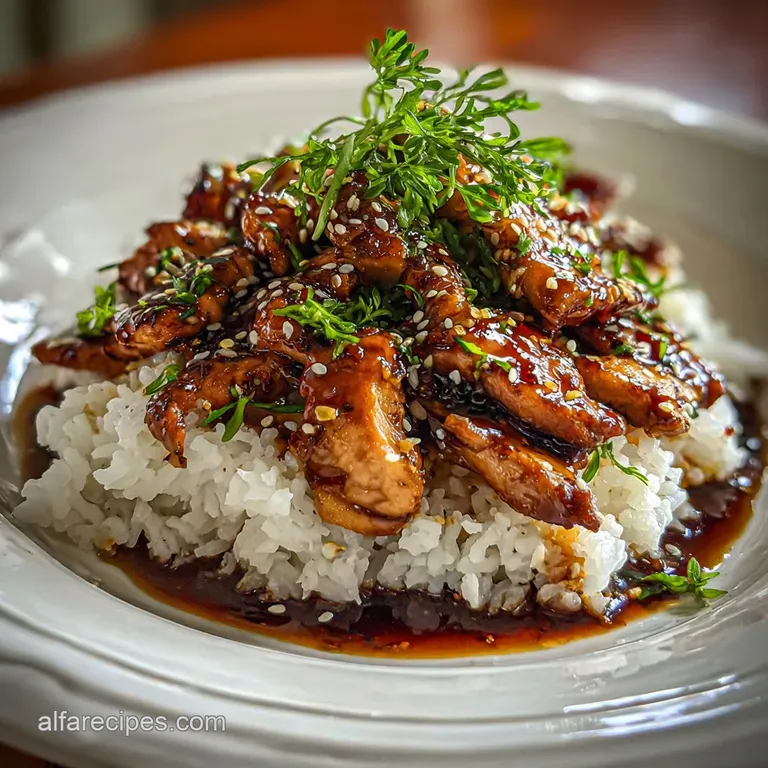
Rubbery chicken texture
If your chicken feels like a bouncy ball, it’s likely because the pan wasn't hot enough when you started. When chicken sits in a warm pan, it slowly leaks moisture and "stews" in its own juices. To fix this, always wait for the oil to shimmer before adding your meat.
Bitter burnt sauce
Teriyaki sauce has a high sugar content, which means it can go from "glossy" to "burnt" in about thirty seconds. If your sauce looks black and smells acrid, the heat was too high during the reduction phase.
You can try to save it by adding a splash of water and a tiny squeeze of lime, but usually, it's a sign to watch the bubbles closer next time.
| Problem | Root Cause | Solution |
|---|---|---|
| Watery sauce | Too much liquid/Low heat | Increase heat to medium high and stir constantly until syrupy. |
| Grey meat | Overcrowded pan | Cook in two batches to allow steam to escape and crust to form. |
| Overly salty | Using regular soy sauce | Add a teaspoon of honey or a splash of water to dilute the salt. |
Common Mistakes Checklist
- ✓ Never crowd the pan; if the pieces touch, they will steam instead of sear.
- ✓ Don't move the chicken too early; let it sit for 3 minutes to develop that crust.
- ✓ Use low sodium soy sauce to avoid a salt bomb during the reduction process.
- ✓ Grate your ginger fresh; the powdered stuff just doesn't provide the same "pop."
- ✓ Let the meat rest for two minutes before serving to lock in the juices.
Creative ways to customize your dinner
If you want to make this a "Healthy Chicken Teriyaki" bowl, simply serve the chicken over a bed of steamed cauliflower rice or quinoa. I love adding a mountain of steamed broccoli and shredded carrots to the bowl to bulk it up without adding many calories.
For those who like a little kick, adding a teaspoon of red chili flakes or a squeeze of sriracha into the sauce mixture creates a "Spicy Teriyaki" that is out of this world. If you're looking for a slower way to enjoy these flavors, you might enjoy my Crockpot Chicken Enchiladas recipe, which uses a similar "set it and forget it" mindset for the protein.
Adjusting the serving size
If you are cooking for a larger crowd, don't just double the sauce and hope for the best. You need to ensure the pan surface area increases as well.
| Servings | Chicken Amount | Pan Size | Cook Time Adjustment |
|---|---|---|---|
| 2 People | 0.75 lbs | 8 inch skillet | Reduce sauce by 10% |
| 4 People | 1.5 lbs | 12 inch skillet | Standard recipe times |
| 8 People | 3.0 lbs | Two 12 inch pans | Work in batches for the sear |
Realities of common kitchen myths
One big myth is that you need cornstarch to get a thick sauce. In reality, a traditional teriyaki is thickened through reduction evaporating the water until the sugars concentrate. Another common misconception is that you must marinate the chicken for hours.
Because we are cutting the chicken into small pieces and finishing them in a concentrated glaze, a marinade is actually unnecessary and can often prevent the meat from searing properly due to the extra moisture.
Safe storage and reheating for leftovers
Storage: Keep any leftovers in an airtight container in the fridge for up to 4 days. The sauce will thicken significantly as it cools, almost becoming like a jelly. This is normal!
Freezing: You can freeze the cooked chicken in its sauce for up to 3 months. To reheat, let it thaw in the fridge overnight.
Zero Waste Tip: Don't throw away those broccoli stalks! Peel the tough outer layer, slice the tender insides into matchsticks, and toss them into the pan during the last 2 minutes of cooking. They add a wonderful crunch and soak up the extra glaze beautifully.
Reheating: Use a skillet over low heat with a tablespoon of water. This thins out the hardened glaze and restores that silky, glossy texture without overcooking the chicken.
Perfect sides to complete your crowded table
A hearty bowl of fluffy white jasmine rice is the classic partner here. The rice acts like a sponge for any extra sauce, which is a crime to waste. For a fresher side, a simple cucumber salad with rice vinegar and sesame seeds cuts through the richness of the teriyaki perfectly.
If you want to keep the meal purely Japanese inspired, a side of miso soup or some blistered shishito peppers makes the dinner feel like a full event. My family also loves it when I serve this alongside some quick pickled radishes for that bright pink pop of color on the plate. If you find yourself with extra chicken, you could even repurpose it into a Mexican Street Corn recipe fusion bowl the next day!
High in Sodium
1085 mg mg of sodium per serving (47% % of daily value)
The American Heart Association recommends limiting sodium intake to about 2,300mg per day.
Tips to Reduce Sodium in this Teriyaki Chicken Recipe
-
Lower Sodium Soy Sauce-25%
Use a reduced sodium soy sauce. This simple swap can significantly decrease the overall sodium content. Look for soy sauces labeled 'low sodium' or 'reduced sodium'.
-
Reduce Added Salt-20%
Reduce the amount of added salt. Start by using only a pinch of salt, or omit it entirely and taste before adding more.
-
Dilute the Soy Sauce-15%
Dilute the soy sauce with water or unsalted chicken broth. Start by adding 1-2 tablespoons of water to the soy sauce mixture and adjust to taste.
-
Enhance with Aromatics-10%
Focus on using other flavor enhancers like ginger and garlic. Increase the amount of fresh ginger and garlic to boost flavor without adding extra salt.
-
Spice It Up
Experiment with sodium free herbs and spices. Black pepper, red pepper flakes, and dried herbs can add complexity without increasing sodium.
Recipe FAQs
What traditionally goes in authentic teriyaki sauce?
Soy sauce, mirin, and sake are the core three ingredients. Mirin provides the crucial sweetness and shine, while sake tenderizes the protein before the sauce reduces.
What are the three main ingredients in a basic teriyaki sauce?
Soy sauce, mirin, and sake form the base. Brown sugar is often added for deeper sweetness, but those three liquids are essential for flavor balancing and gloss.
Is Teriyaki Chicken healthy or unhealthy?
It depends entirely on preparation method and portion size. A homemade version using lean chicken and minimal added sugar is healthier; deep fried versions with commercial sauces are less so.
How to make Teriyaki Chicken taste better than takeout?
Sear the chicken over high heat until well browned before adding the sauce. Achieving a proper Maillard crust is the difference between steamed and restaurant quality flavor.
Do I need cornstarch to thicken the teriyaki sauce?
No, cornstarch is unnecessary for authentic flavor. The sauce thickens naturally through reduction; evaporating water concentrates the natural sugars from the mirin and sugar.
Why does my teriyaki sauce end up watery instead of glossy?
The heat was likely too low during the reduction phase. You must cook the sauce vigorously until it coats the back of a spoon, similar to how you manage liquid bases in dishes like our Creamy Garlic Tuscan recipe.
Is it true that marinating chicken for hours improves teriyaki flavor?
No, excessive marination can negatively affect texture. Because the chicken is cooked quickly in a concentrated glaze, long marinades can introduce too much moisture, preventing the necessary high heat sear.
Quick Chicken Teriyaki Glaze
Ingredients:
Instructions:
Nutrition Facts:
| Calories | 329 kcal |
|---|---|
| Protein | 35.2 g |
| Fat | 10.4 g |
| Carbs | 17.8 g |
| Fiber | 0.2 g |
| Sugar | 13.6 g |
| Sodium | 1085 mg |
