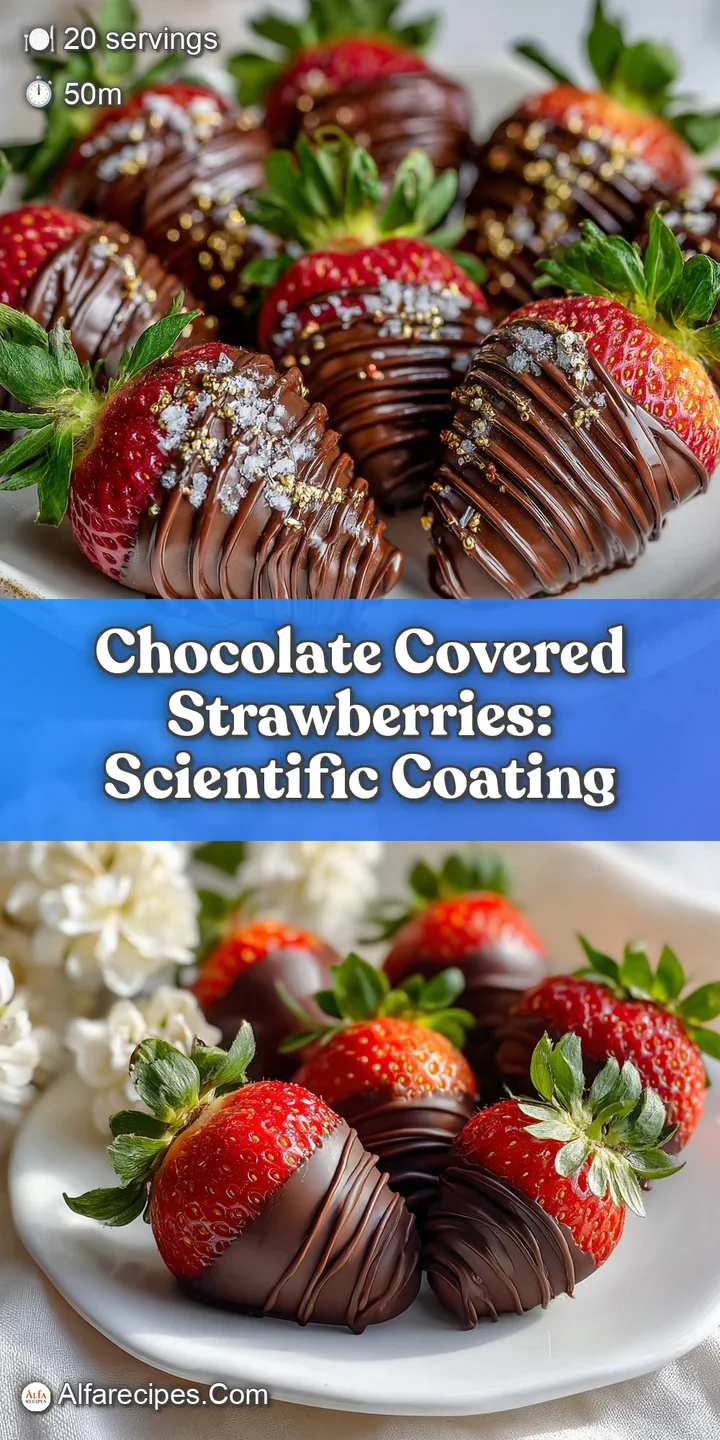
Chocolate Covered Strawberries: Brittle Shell Method
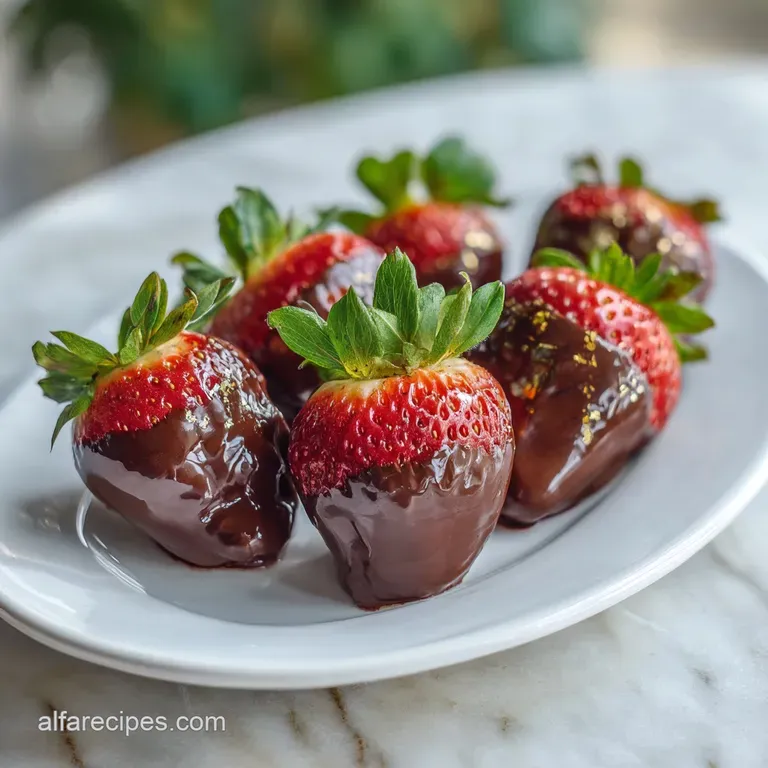
- Time: Active 20 minutes, Passive 30 minutes, Total 50 minutes
- Flavor/Texture Hook: A velvety, brittle chocolate exterior with a vibrant, acidic fruit core
- Perfect for: High end entertaining, precise gifting, or technical dessert practice
- Engineering the Perfect Chocolate Covered Strawberries
- Why This Scientific Method Succeeds
- Analyzing Each Core Component
- Tools for Technical Accuracy
- Executing the Dipping Protocol
- Fixing Common Structural Failures
- Testing Creative Flavor Variations
- Storage and Cooling Procedures
- Optimal Serving and Presentation
- Recipe FAQs
- 📝 Recipe Card
Engineering the Perfect Chocolate Covered Strawberries
The kitchen was silent except for the rhythmic clack clack of my whisk hitting the glass bowl. I remember the exact moment I realized my previous attempts at this dish were fundamentally flawed.
I had been washing my berries and dipping them immediately, only to watch the chocolate slide off in a sad, muddy heap. It was a failure of surface tension and a lack of respect for the chemistry of fats.
To master this, we have to think about the berry as a biological vessel of water. When that water meets the lipid heavy environment of melted chocolate, the two fight. The aroma of 10 oz high-quality semi sweet or dark chocolate melting is intoxicating, but without the right preparation, that aroma is just a prelude to a mess.
I’ve spent months testing the precise cooling rates and cleaning methods to ensure the chocolate clings like a second skin.
We aren't just making a snack; we're creating a multi sensory experience. It’s about the contrast between the cold, firm fruit and the room temperature, brittle shell. When you bite through, it should produce a distinct shatter sound.
This isn't guesswork; it's a controlled reaction involving temperature, evaporation, and fat stability. Let's look at the mechanics behind it.
Why This Scientific Method Succeeds
- Lipid Stability: Refined coconut oil lowers the melting point of the chocolate while increasing its fluidity, allowing for a thinner, more even coating.
- Crystal Alignment: Slow, gentle melting prevents the cocoa butter from separating, ensuring the final shell has a glossy finish rather than a dull, streaky appearance.
- Moisture Barrier: A vinegar wash removes the hydrophobic waxy cuticle from the strawberry skin, allowing the chocolate to form a superior bond.
- Temperature Delta: Room temperature berries prevent the chocolate from seizing too quickly, which usually causes a lumpy, uneven texture.
The Physics of the Shell
Chocolate temper relies on stable beta crystal formation. We use coconut oil to decrease viscosity, ensuring a thinner, more professional grade coating that shatters upon impact.
| Berry Diameter | Chocolate Temp | Set Time | Visual Finish |
|---|---|---|---|
| Small (2 cm) | 32°C | 12 mins | Translucent edge |
| Medium (4 cm) | 31°C | 20 mins | Opaque and glossy |
| Large (6 cm) | 30°C | 30 mins | Thick, structural |
Choosing the right strawberry size affects how the chocolate sets. Smaller berries have a higher surface area to volume ratio, meaning they cool the chocolate faster, while larger berries require a more stable chocolate dip to prevent the shell from cracking as the fruit naturally expands at room temperature.
Analyzing Each Core Component
The success of this recipe depends on the quality of your starting materials. Using 1 lb fresh strawberries is the foundation, but those berries must be firm. Soft berries release juice too quickly, which dissolves the sugar fat bond of the chocolate shell.
For the coating, 10 oz high-quality semi sweet or dark chocolate provides the necessary cocoa butter content for a smooth melt.
| Ingredient | Science Role | Pro Secret |
|---|---|---|
| Strawberries | Structural Base | Keep stems on to provide a natural handle and seal the juices. |
| Chocolate | Lipid Network | Use bar chocolate rather than chips for a higher cocoa butter ratio. |
| Coconut Oil | Viscosity Modifier | Use refined oil to avoid altering the flavor profile of the cocoa. |
If you find yourself out of a specific item, substitutions are possible, though they will alter the "snap" of the final product. For example, if you are looking for a different profile, you might use the leftover chocolate logic from my Fudgy Brownies from recipe to understand how different cocoa percentages behave under heat.
| Original Ingredient | Substitute | Why It Works |
|---|---|---|
| Dark Chocolate | Milk Chocolate | Higher sugar/milk solids; Note: Takes longer to set and is softer. |
| Coconut Oil | Cocoa Butter | The original fat in chocolate; provides the hardest, most brittle snap. |
| White Vinegar | Lemon Juice | Acidic enough to strip surface wax but may add a citrus note. |
While these swaps work in a pinch, I highly recommend sticking to the primary list for the most consistent results. The interaction between the refined coconut oil and the dark chocolate is what creates that signature professional sheen.
Tools for Technical Accuracy
Precision requires the right environment. You will need a small, deep microwave safe bowl. A wide bowl causes the chocolate to spread too thin, making it difficult to submerge the berries fully.
You also need a baking sheet lined with parchment paper not foil, which can cause the chocolate to stick and tear the skin of the berry.
Chef's Tip: Grate your chocolate bar with a box grater instead of chopping it. The uniform, tiny pieces melt at an identical rate, preventing hot spots that can burn the cocoa solids.
Another unconventional trick is using a hair dryer on the "cool" setting. If your kitchen is particularly humid, a quick 10 second blast of cool air over the dipped berries can jumpstart the setting process and prevent the chocolate from "sweating" as it cools.
Executing the Dipping Protocol
- Sanitize. Mix 1 tbsp white vinegar with 4 cups cold water and soak 1 lb fresh strawberries for 5 minutes. Note: This removes debris and strips the waxy coating.
- Dehydrate. Pat each berry individually with a lint free towel until bone dry to the touch.
- Acclimatize. Let berries sit on the counter for 20 minutes until they reach room temperature.
- Process. Finely chop or grate 10 oz high-quality semi sweet or dark chocolate.
- Liquefy. Place 2/3 of the chocolate in a bowl with 1 tsp refined coconut oil. Microwave in 20 second bursts until 80% melted.
- Incorporate. Stir in the remaining 1/3 of the chocolate until the mixture is velvety and smooth.
- Submerge. Hold a strawberry by the stem and dip into the chocolate, swirling once.
- Drain. Lift the berry and shake gently until the excess chocolate stops dripping.
- Deposit. Place on parchment paper and repeat.
- Stabilize. Let sit at cool room temperature for 30 minutes until the shell is matte and firm.
Fixing Common Structural Failures
The most frustrating issue is "weeping," where a puddle of syrup forms under the berry. This is usually caused by a temperature shock or a puncture in the berry's skin. If you notice this, it’s a sign the internal juices are escaping through the chocolate.
Preventing Sugar Bloom
Sugar bloom looks like white dust on your chocolate. It happens when moisture dissolves the sugar in the chocolate and then evaporates, leaving the crystals behind. Keep your workspace dry to avoid this.
| Problem | Root Cause | Solution |
|---|---|---|
| Seized Chocolate | Water contamination | Add 1 tsp of vegetable oil and stir vigorously to emulsify. |
| Sliding Shell | Damp strawberries | Ensure berries are dry; use a fan to assist evaporation before dipping. |
| Streaky Finish | Overheating | Keep melt temp below 45°C; use a thermometer for exactness. |
Common Mistakes Checklist
- ✓ Never wash berries right before dipping; the residual moisture is a recipe for disaster.
- ✓ Avoid using frozen berries; the condensation during thawing will cause the chocolate to seize.
- ✓ Don't skip the coconut oil; it provides the necessary elasticity to prevent the shell from cracking.
- ✓ Use a deep, narrow vessel for melting to ensure you can dip the berry in one fluid motion.
- ✓ Ensure the parchment paper is flat; any wrinkles will create an uneven "foot" on your chocolate.
Testing Creative Flavor Variations
Once you have the base technique down, you can experiment with textures. I love adding a layer of crushed dehydrated raspberries for a tart crunch. If you are looking for a more elaborate dessert project, you might find inspiration in my Strawberry Crunch Ice recipe which uses similar flavor profiles in a frozen format.
Nutty Texture Additions
To add a savory element, roll the wet chocolate in finely ground toasted pistachios or sea salt. The salt enhances the bitterness of the dark chocolate while cutting through the sweetness of the fruit.
White Chocolate Drizzles
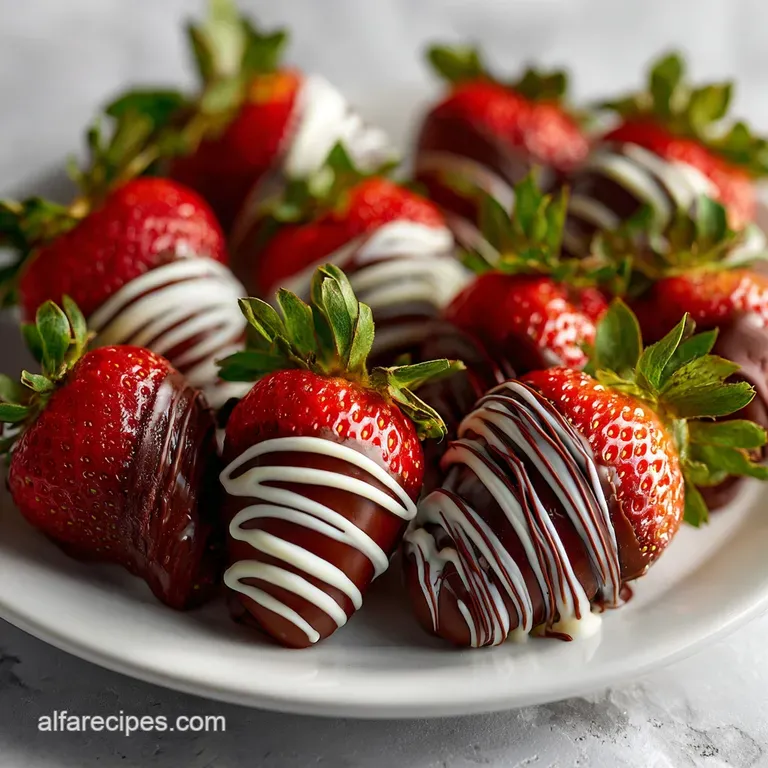
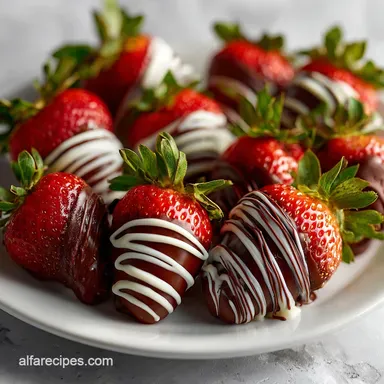
For an elegant look, melt 2 oz of white chocolate and use a fork to flick thin lines across the set dark chocolate. The different fat contents will create a beautiful, layered texture.
Vegan and Keto Adaptations
- Vegan: Use a high percentage dark chocolate (70%+) that contains no milk solids.
- Keto: Use a stevia sweetened chocolate bar and increase the coconut oil by half a teaspoon to maintain the mouthfeel.
Storage and Cooling Procedures
Fridge: These are best enjoyed the day they are made. If you must store them, place them in a single layer in a container lined with paper towels. The towels will absorb any moisture that escapes the berries. They will stay fresh for about 24 hours.
Freezer: I do not recommend freezing chocolate covered strawberries. The cellular structure of the strawberry collapses when frozen, and upon thawing, you will be left with a mushy interior and a separated shell.
Zero Waste: Don't toss the strawberry leaves! You can use the cleaned stems to infuse cold water or gin for a subtle, earthy berry flavor. Any leftover melted chocolate can be spread onto parchment, topped with nuts, and cooled to make a quick chocolate bark.
Optimal Serving and Presentation
When it's time to serve, let the berries sit at room temperature for at least 15 minutes. If they are too cold, you won't taste the complex notes in the chocolate.
I like to serve these on a white marble slab; the stone stays cool, preventing the bottoms from melting, while the white background makes the red and dark brown colors pop.
If you are hosting a larger event, consider the logistics of the "foot" that little pool of chocolate at the bottom. To minimize it, hold the berry over the bowl for a full 5 seconds after dipping, then gently "swipe" the bottom of the berry against the edge of the bowl before placing it on the parchment.
This level of detail is what separates a home cook from a technician. These pair beautifully with a dry sparkling wine, where the bubbles help cleanse the palate of the rich fats between bites.
Recipe FAQs
What is the secret to chocolate covered strawberries?
Controlling surface moisture and temperature. The secret lies in washing berries with a mild vinegar solution to remove the waxy cuticle, allowing the chocolate to bond chemically, and ensuring the fruit is at room temperature before dipping to prevent seizing.
How to get strawberries to stick to chocolate?
Ensure the berries are completely dry and room temperature. Any surface moisture acts as a barrier, causing the chocolate to slide off when it sets. A vinegar pre-wash slightly roughens the skin, creating a better anchor point for the melted fat.
What kind of chocolate is best for chocolate covered strawberries?
high-quality bar chocolate with high cocoa butter content. Bars (like couverture) melt smoother and provide a better "snap" than standard chips, which contain stabilizers that prevent them from flowing correctly.
Do strawberries need to be cold before dipping in chocolate?
No, they should be room temperature. Cold berries shock the melted chocolate, causing it to set too quickly, resulting in a thick, lumpy coating that cracks easily. Allowing them to warm up ensures a thin, glossy shell.
Is it true I must use a double boiler to melt chocolate for dipping?
No, this is a common misconception. Melting chocolate in the microwave at 50% power, stirring frequently, is much faster and yields excellent results if you avoid water contamination.
How to achieve a thin, brittle chocolate shell instead of a thick coating?
Incorporate refined coconut oil into your melted chocolate. The added lipid lowers the viscosity significantly, allowing the chocolate to flow thinly over the berry surface before setting. If you are interested in controlling the stability of fats, look into how we manage viscosity in our Low Calorie peanut recipe.
How to prepare strawberries to maximize chocolate adhesion and prevent weeping?
Gently wash them in a weak vinegar solution and pat them absolutely bone dry. This process removes the natural wax layer and evaporates surface moisture, which is crucial for adhesion. Mastering moisture control here is similar to the careful handling needed when making our Overnight Oats with recipe to prevent separation.
Perfect Chocolate Covered Strawberries
Ingredients:
Instructions:
Nutrition Facts:
| Calories | 87 kcal |
|---|---|
| Protein | 0.9 g |
| Fat | 5.5 g |
| Carbs | 8.7 g |
| Fiber | 1.6 g |
| Sugar | 6.1 g |
| Sodium | 1 mg |
