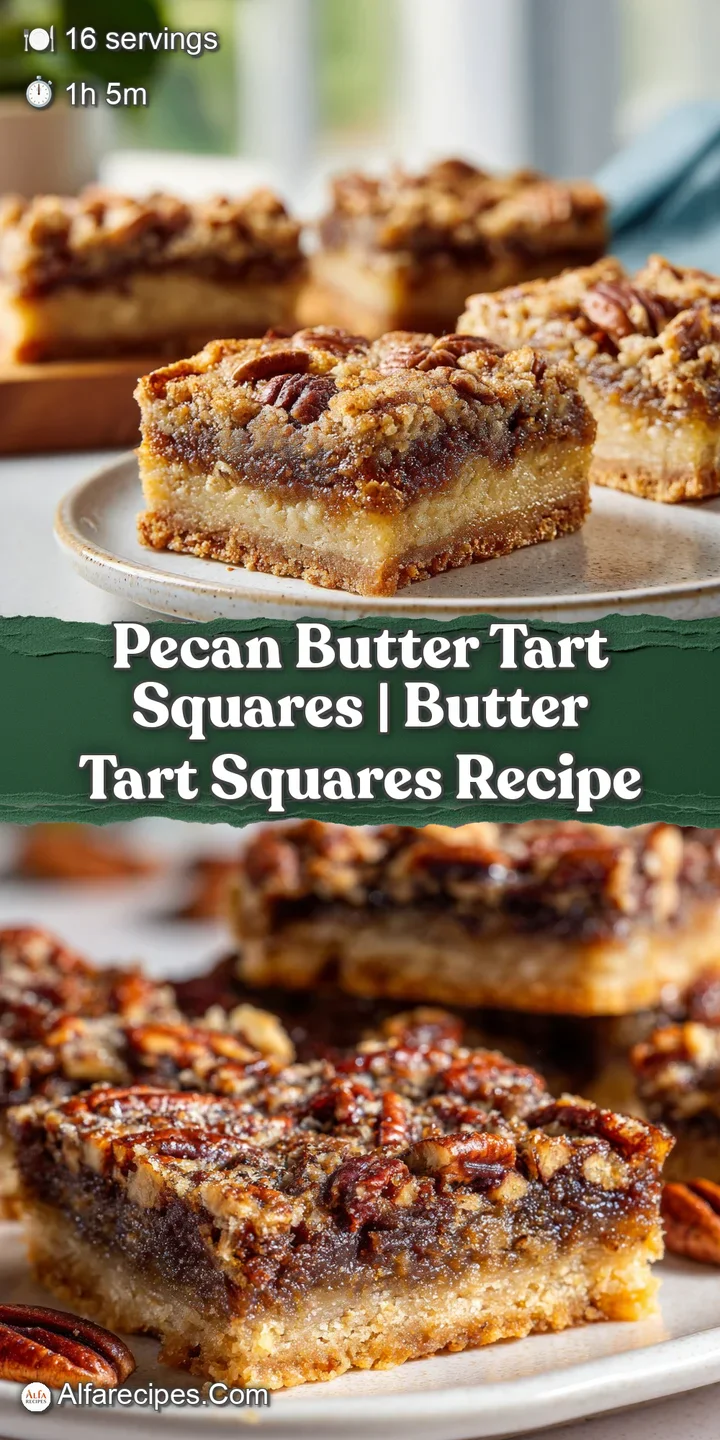
Pecan Butter Tart Squares: Buttery and Caramelized
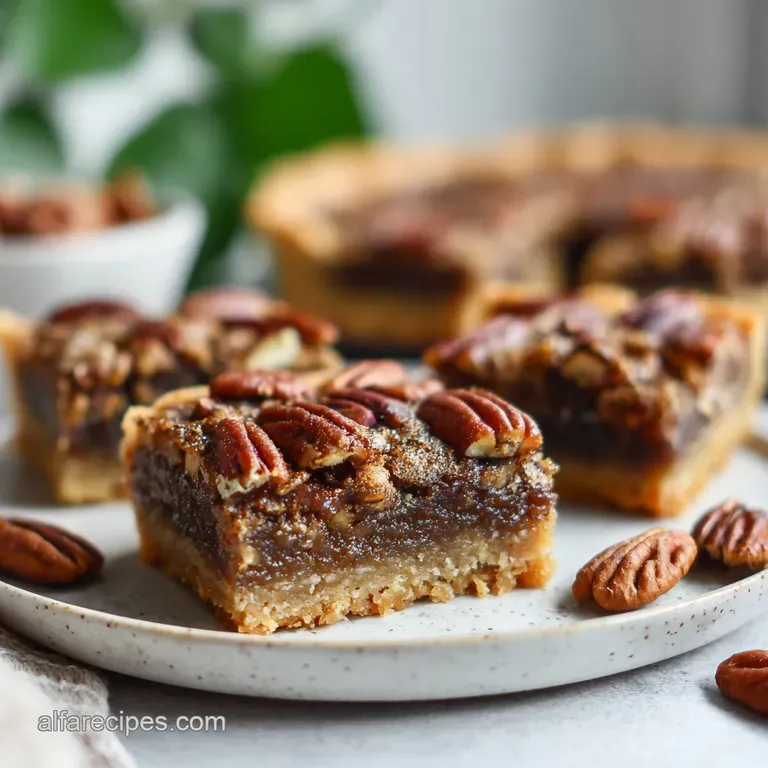
- Time: Active 20 minutes, Passive 45 minutes, Total 65 minutes
- Flavor/Texture Hook: Shattering shortbread base topped with velvety, caramel toned maple and crunchy pecans.
- Perfect for: Holiday dessert platters, bake sales, or a rustic afternoon tea.
- Perfecting Traditional Pecan Butter Tart Squares
- The Logic Behind The Perfect Set
- Component Analysis and Pro Secrets
- Gathering Your Essentials
- Tools For Precision Baking
- Step-by-Step Instructions
- Solving Common Baking Hurdles
- Adjusting The Batch Size
- Debunking Common Tart Myths
- Storage and Zero Waste
- Professional Presentation Ideas
- Recipe FAQs
- 📝 Recipe Card
Perfecting Traditional Pecan Butter Tart Squares
If you grew up in Canada or spent any time in a rural Ontario bakery, you know the scent of a butter tart. It is a heady, intoxicating aroma of scorched sugar, browned butter, and toasted nuts that clings to the air.
The butter tart is more than just a sweet treat; it is a cultural icon with roots stretching back to the late 19th century. Historians often link them to the filles du roi (the King’s Daughters) in Quebec, who adapted traditional French pastry techniques to the ingredients available in the New World, eventually resulting in the runny, caramel filled delights we recognize today.
While the classic tart is a round, handheld pastry often debated for its inclusion of raisins or pecans, the square version offers a more practical, crowd friendly format that ensures a high crust to filling ratio in every single bite.
I remember my first encounter with a truly authentic batch in a small farmhouse kitchen outside of Ottawa. The baker didn't use a recipe card; she used her senses. She looked for the "bubble and sigh" of the filling and the specific "sandy" texture of the cold butter hitting the flour.
That experience changed how I viewed baking. It wasn't about following a list of steps but about understanding how fat, sugar, and heat interact. For these Pecan Butter Tart Squares, we are leaning into that rustic heritage but applying some modern precision to ensure the center sets perfectly every time.
We are aiming for a base that has a clean, buttery snap and a topping that is rich and chewy, avoiding the dreaded "sugar soup" that sometimes plagues lesser recipes.
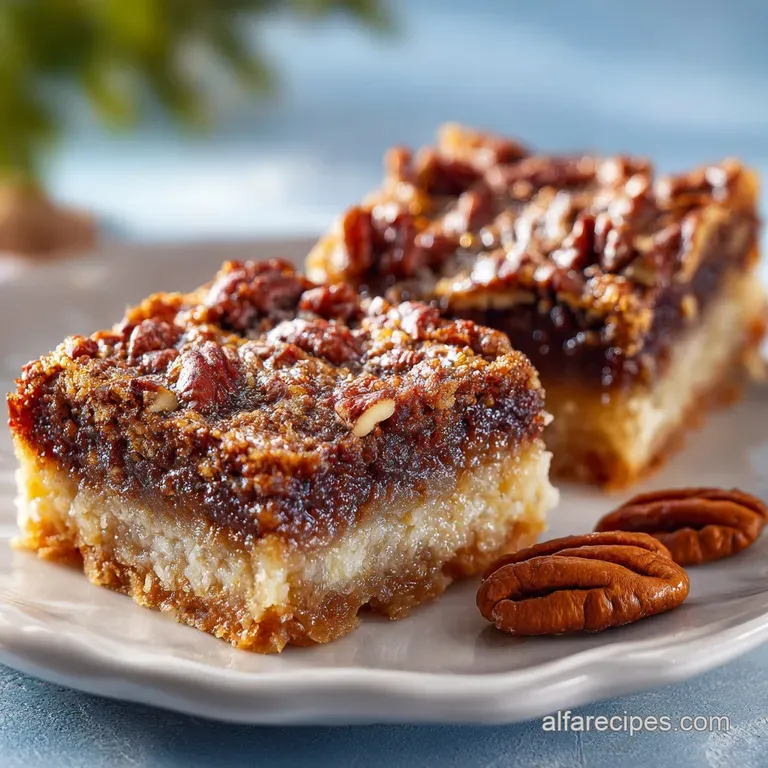
The secret to a great square lies in the contrast. You want that base to be sturdy enough to hold in your hand, yet delicate enough to melt on the tongue. By using icing sugar in the shortbread, we reduce the gluten development and create a finer crumb, which is a trick I learned after too many batches of "bread like" bases.
When you pour that maple rich filling over the warm par baked crust, the two layers bond, creating a seamless transition from the crisp bottom to the sticky top. It is a marriage of textures that feels both sophisticated and deeply nostalgic.
The Logic Behind The Perfect Set
Achieving the right consistency in a tray bake is a matter of managing moisture and heat. When we bake these squares, we are essentially creating two different structures at once. The shortbread relies on fat coating flour particles to prevent long gluten chains, while the filling relies on egg proteins to trap sugar and syrup in a stable matrix.
- Fat Encapsulation: Cold butter pieces create tiny steam pockets in the oven, which results in a flaky, shattering crust texture rather than a tough one.
- Protein Coagulation: The eggs in the filling act as a binder, setting at a specific temperature to transform liquid syrup into a semi solid, chewy layer.
- Hygroscopic Balance: Brown sugar and maple syrup attract moisture, which keeps the filling soft and prevents it from becoming brittle like a hard candy.
- Starch Gelatinization: Par baking the flour base ensures the starch granules swell and set before the wet filling is added, preventing a soggy bottom.
| Thickness | Internal Temp | Rest Time | Visual Cue |
|---|---|---|---|
| 1.5 cm base | 175°C (Oven) | 2 hours | Filling jiggles like gelatin |
| 2 cm filling | 85°C (Filling) | 15 mins | Pecans look glazed and dark |
| Full Slab | Room Temp | Over night | Edges pull away from paper |
This precision table helps you identify the exact moment to pull your tray from the oven. Baking is often a game of seconds, especially when dealing with sugar based fillings that can turn from "gooey" to "burnt" if left unattended. If you find yourself craving more buttery treats after mastering this crust, you might want to try my Shortbread Cookies recipe which uses a similar ratio of fat to flour for that iconic melt in-your mouth feel.
Component Analysis and Pro Secrets
To understand why these Pecan Butter Tart Squares work so well, we have to look at the individual roles of our key ingredients. We aren't just throwing things in a bowl; we are building a structural masterpiece.
The interaction between the Grade A maple syrup and the dark brown sugar is particularly important for that deep, complex sweetness that defines a Canadian tart.
| Ingredient | Science Role | Pro Secret |
|---|---|---|
| Icing Sugar | Lowers gluten density | Sift it twice to ensure there are no lumps in the shortbread. |
| White Vinegar | Breaks sugar chains | Prevents the filling from graining or crystallizing during the second bake. |
| Maple Syrup | Provides invert sugar | Use Grade A Amber for a balance of flavor and moisture retention. |
| Cold Butter | Creates steam lift | Grate the butter while frozen for the most even distribution in the flour. |
The addition of vinegar might seem odd in a dessert, but it is a classic "prairie" trick. The acid helps to balance the intense sweetness of the syrup while also interfering with the crystallization of the sucrose. This ensures the filling remains velvety and smooth rather than gritty.
Gathering Your Essentials
For this recipe, quality is non negotiable. Because there are so few ingredients, each one has a loud voice. Use the best butter you can find something with a high fat content will yield a much more flavorful crust.
The pecans should be fresh; if they have been sitting in your pantry for six months, they will taste dusty and bitter. Toasting them briefly before chopping can also help wake up those natural oils.
- 1.5 cups all purpose flour (190g) Why this? Provides the structural framework for a sturdy but tender base. (Substitute: Pastry flour for a more delicate, crumbly texture)
- 0.75 cup unsalted butter, cold and cubed (170g) Why this? High fat content is essential for the "shatter" effect. (Substitute: Salted butter, but omit the extra sea salt)
- 0.33 cup icing sugar (40g) Why this? Dissolves instantly to create a fine, sandy shortbread crumb. (Substitute: Granulated sugar, but the crust will be crunchier)
- 0.25 tsp fine sea salt Why this? Sharpens the sweetness and defines the maple notes. (Substitute: Kosher salt)
- 2 large eggs, room temperature Why this? Emulsifies better with the fats for a smooth filling. (Substitute: Flax eggs, though the set will be much softer)
- 0.75 cup dark brown sugar, packed (150g) Why this? Molasses content adds a deep, toffee like complexity. (Substitute: Light brown sugar for a milder flavor)
- 0.5 cup pure maple syrup, Grade A Amber (120ml) Why this? Provides the authentic Canadian flavor profile and moisture. (Substitute: Honey or corn syrup, though flavor will change significantly)
- 0.25 cup unsalted butter, melted and cooled (55g) Why this? Adds richness and a silky mouthfeel to the filling. (Substitute: Browned butter for a nuttier aroma)
- 1 tsp white vinegar Why this? Cuts the cloying sweetness and prevents sugar crystallization. (Substitute: Lemon juice)
- 1 tsp pure vanilla extract Why this? Bridges the gap between the pecans and the maple syrup. (Substitute: Maple extract for an extra punch)
- 1.5 cups raw pecan halves, roughly chopped (150g) Why this? Provides the essential crunch and earthy contrast. (Substitute: Walnuts for a slightly more bitter edge)
Tools For Precision Baking
You don't need a high tech lab, but having the right tools makes the process foolproof. A 9x9 inch square baking pan is the standard for this recipe to achieve the perfect depth. If you use a larger pan, the filling will be too thin and may overcook; a smaller pan will result in a raw, gooey center.
A food processor is my preferred method for the crust because it keeps the butter cold by minimizing hand contact. If you don't have one, a sturdy pastry cutter or even two forks will do the job. Make sure you also have parchment paper.
Trying to get these sticky squares out of a pan without a parchment "sling" is a recipe for heartbreak. The sugar in the filling will act like glue once it cools, and you'll end up with broken pieces rather than clean squares.
step-by-step Instructions
- Preheat your oven to 350°F (175°C). Line a 9x9 inch square baking pan with parchment paper, leaving an overhang on two sides for easy removal. Note: The overhang allows you to lift the entire slab out at once.
- In a food processor or using a pastry cutter, pulse the 190g flour, 40g icing sugar, 0.25 tsp salt, and 170g of cold cubed butter until the mixture resembles coarse crumbs.
- Press the mixture firmly into the bottom of the prepared pan using the back of a spoon or a flat bottomed measuring cup. Ensure the layer is even to prevent hot spots.
- Par bake the shortbread crust for 15–18 minutes until the edges are just starting to turn a pale golden hue. Remove from the oven but keep the oven on.
- In a large mixing bowl, whisk the 2 eggs, 150g dark brown sugar, 120ml maple syrup, 55g of melted butter, 1 tsp vinegar, and 1 tsp vanilla extract until smooth and fully emulsified.
- Stir in the 150g of chopped pecans, ensuring they are well coated in the sugar mixture.
- Pour the filling over the warm par baked crust. Return to the oven and bake for an additional 25–30 minutes until the filling is set around the edges but still has a very slight jiggle in the center.
- Transfer the pan to a wire cooling rack and cool completely (at least 2 hours) before using the parchment overhang to lift the slab.
- Slice into 16 squares using a sharp, warm knife. Wipe the blade between each cut for the cleanest presentation.
Solving Common Baking Hurdles
The most common issue bakers face with this recipe is a filling that refuses to set. This usually happens if the eggs were too cold or the oven temperature was inaccurate. If the center is still liquid after 30 minutes, don't panic.
Cover the edges with foil to prevent burning and give it another 5 minutes.
Why Your Crust Is Soggy
A soggy bottom is usually the result of skipping the par bake or using butter that was too soft. If the butter melts before the flour has a chance to set, it creates a greasy barrier that prevents the crust from crisping up. Always ensure your butter is "cold from the fridge" when you start.
| Problem | Root Cause | Solution |
|---|---|---|
| Runny Filling | Underbaked or syrup ratio | Bake until edges bubble and center jiggles like set custard. |
| Crumbly Base | Not pressed firmly | Use a flat bottomed glass to pack the crust into the corners. |
| Burned Pecans | Top rack placement | Bake in the middle of the oven and rotate the pan halfway. |
Common Mistakes Checklist
- ✓ Never skip the par bake; it is the only way to ensure a crisp foundation for the heavy filling.
- ✓ Use room temperature eggs to ensure they emulsify perfectly with the melted butter and syrup.
- ✓ Don't over chop the pecans; you want distinct chunks for the best textural contrast.
- ✓ Always line the pan with parchment; greasing the pan alone is not enough for this sticky recipe.
- ✓ Wait for the squares to be completely cold before slicing, otherwise the filling will tear.
Adjusting The Batch Size
Scaling this recipe is straightforward, but you must be mindful of the pan surface area. If you want to double the recipe, use a 9x13 inch pan. The bake time for the filling will likely increase by 5–8 minutes because of the increased volume, but the crust par bake time will remain similar.
For a smaller batch (half recipe), an 8x4 inch loaf pan works beautifully. You will need to beat one egg and use exactly half of it by weight (about 25g). Reduce the baking time for the filling by about 20%, as the edges will cook faster in a smaller vessel.
When baking at high altitudes, you may need to reduce the sugar slightly and increase the oven temperature by 15°F to account for the lower air pressure which causes baked goods to rise and collapse more quickly.
Debunking Common Tart Myths
One of the biggest myths in the world of butter tarts is that you must use corn syrup to get the right texture. While corn syrup is a reliable invert sugar, pure maple syrup offers a much more complex flavor profile and, when combined with eggs and brown sugar, creates an equally stable set.
You aren't sacrificing texture by choosing maple; you are gaining depth.
Another misconception is that the filling should be rock hard. A true Canadian butter tart or square should have a "slump." It should be firm enough to hold its shape but soft enough to be described as velvety.
If your squares are as hard as a brick, you’ve likely overbaked them or used too much sugar relative to the liquid fats.
Storage and Zero Waste
To keep your Pecan Butter Tart Squares at peak freshness, store them in an airtight container at room temperature for up to 3 days. If you prefer a firmer, chewier texture, they actually taste fantastic straight out of the fridge, where they will last for up to a week.
For long term storage, these squares freeze exceptionally well. Wrap individual squares in plastic wrap and store them in a freezer bag for up to 3 months. To serve, let them thaw at room temperature for an hour.
Don't throw away the "scraps" if you trim the edges for a perfect look. Those crispy, sugary bits are incredible when crumbled over a bowl of Vanilla Cherry Ice Cream. You can also pulse the leftover crust pieces with a bit of extra butter to create a decadent base for a cheesecake or a fruit crumble. If you find yourself with extra pecans, store them in the freezer to prevent the oils from going rancid.
Professional Presentation Ideas
If you are serving these at a dinner party, skip the rustic square cut and try a "petit four" style. Cut them into tiny 1 inch cubes and place each in a gold cupcake liner. This makes them easy to grab and look incredibly high end.
For a plated dessert, serve a slightly warmed square with a dollop of unsweetened whipped cream or a drizzle of extra maple syrup to emphasize the flavor.
You can also experiment with a flakey sea salt finish. A tiny pinch of Maldon salt on top of each square right after they come out of the oven provides a brilliant contrast to the dark brown sugar. It highlights the butter in the crust and makes the whole dessert feel modern and sophisticated.
Whether you're making these for a crowded holiday party or just a quiet Sunday afternoon, these squares are a testament to the fact that sometimes, the old-fashioned ways really are the best.
Recipe FAQs
What is the difference between pecan pie and pecan butter tart?
Pecan butter tarts feature a signature shortbread crust and a filling stabilized with vinegar. While both rely on nuts and sugar, the butter tart centers on a butter rich pastry base rather than the traditional flaky pie dough used in Southern pecan pie.
Do butter tart squares need to be refrigerated?
No, they store well at room temperature for up to three days. However, if you prefer a firmer, chewier texture or need to keep them for up to a week, the refrigerator is the best place for them.
Can a diabetic eat a butter tart?
Generally no, as this recipe contains high amounts of brown sugar and maple syrup. These ingredients contribute significantly to the carbohydrate and glycemic load, so it is best to consult with a medical professional regarding your specific dietary needs.
Is pecan butter healthy for you?
Pecans themselves are a source of healthy fats and fiber, but this recipe is a dessert. It balances those nuts with butter and sugars, so it should be enjoyed as an occasional treat rather than a primary health food.
How to achieve the perfect emulsified filling?
Whisk your room temperature eggs with the melted butter, syrup, vinegar, and sugar until completely smooth. Properly incorporating these wet ingredients prevents the filling from separating in the oven; if you enjoyed mastering this stable emulsion technique, you will find it crucial for achieving that silky, consistent texture in other dessert batters.
Is it true that I should slice these while warm?
No, this is a common misconception. You must wait for the squares to cool completely for at least 2 hours, otherwise the filling will remain too soft and tear when you try to lift or cut the bars.
How to prevent the crust from becoming soggy?
Par-bake the shortbread base for 15 18 minutes until it reaches a pale golden hue before adding the filling. Skipping this step prevents the crust from properly setting, which is the only way to ensure a crisp foundation underneath the heavy, syrupy layer.
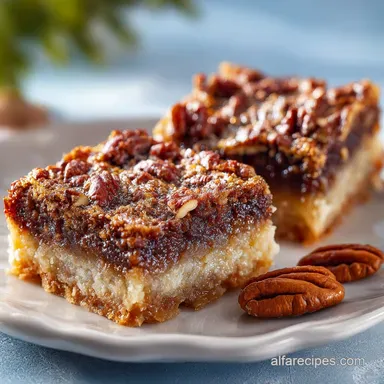
Pecan Butter Tart Squares
Ingredients:
Instructions:
Nutrition Facts:
| Calories | 288 kcal |
|---|---|
| Protein | 3 g |
| Fat | 19 g |
| Carbs | 29 g |
| Fiber | 1 g |
| Sugar | 18 g |
| Sodium | 45 mg |
