Homemade Chili with Beef and Sausage
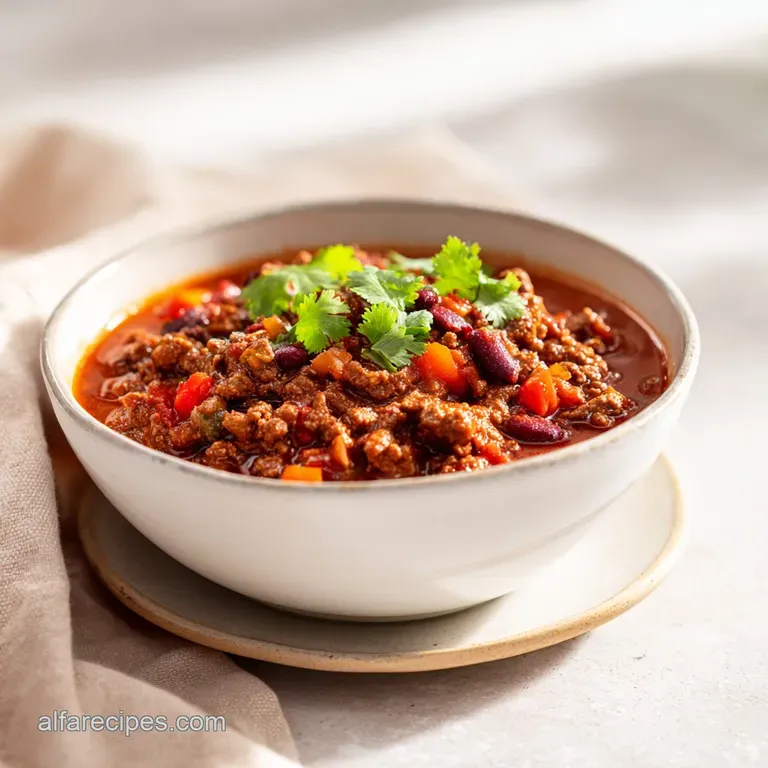
- Time: Active 15 minutes, Passive 30 minutes, Total 45 minutes
- Flavor/Texture Hook: Hearty, smoky, and incredibly savory with a thick, melt in-your mouth consistency.
- Perfect for: Busy weeknight dinners, game day gatherings, or effortless meal prepping.
- Crafting the Heartiest Pot of Savory Homemade Chili
- Understanding the Molecular Magic Behind Deep Stew Flavors
- Critical Recipe Specs for a Crowd Pleasing Result
- Selecting the Freshest Aromatics and Quality Beef Blends
- Essential Kitchen Tools for Effortless One Pot Cooking
- Mastering the Sizzle and Simmer for Maximum Texture
- Troubleshooting Common Texture Errors and Flavor Imbalances
- Creative Variations to Suit Every Family Members Palate
- Scaling Your Batch for Large Groups or Small Households
- Debunking Common Kitchen Legends and Myths
- Efficient Storage Practices and Creative Zero Waste Tips
- Perfect Pairings for a Truly Hearty Family Feast
- High in Sodium
- Recipe FAQs
- 📝 Recipe Card
Crafting the Heartiest Pot of Savory Homemade Chili
The second that first pound of beef hits the hot Dutch oven, the kitchen transforms. You know that specific sound? That rhythmic sizzle that promises a meal capable of warming you from your toes up to your ears. For me, this dish is the olfactory equivalent of a thick wool blanket.
I remember one specific Tuesday it was pouring rain, the kind of gray afternoon that makes you want to hibernate when I realized my regular beef only version felt a bit flat. I reached into the fridge, found some loose Italian sausage, and threw it in on a whim.
The room immediately filled with an aroma so rich and complex that my kids came running from the other side of the house just to ask what was for dinner.
That day, I learned that the best meals aren't found in fancy techniques, but in those small, practical tweaks we make in real life. This Homemade Chili is the result of years of tinkering, failed experiments with "secret" ingredients that didn't work, and finally landing on a balance that hits every single note.
We're talking about a thick, velvety texture that clings to your spoon and a heat level that glows rather than burns. It's a no fuss approach that respects your time while delivering a depth of flavor you'd expect from a restaurant that’s been simmering a pot for three days.
We are going to skip the complicated steps and focus on what actually matters: browning your meat until it's deeply caramelized and letting those spices bloom in the fat. Whether you are feeding a hungry crew after a long soccer practice or just want enough leftovers to get you through a busy work week, this pot has your back.
Trust me, once you taste the difference that the sausage and bone broth make, there is absolutely no going back to the basic version.
Understanding the Molecular Magic Behind Deep Stew Flavors
The Maillard Sizzle: Browning meat at a high temperature creates hundreds of new flavor compounds through the reaction of amino acids and reducing sugars.
Spice Volatilization: Sautéing chili powder and cumin in hot fat rather than liquid releases essential oils that stay trapped in the oil, ensuring the heat is evenly distributed throughout the dish.
Osmotic Exchange: Adding salt early allows it to penetrate the cell walls of the beans and meat, seasoning the ingredients from the inside out instead of just salting the surrounding liquid.
| Beef Fat Content | Visual Texture | Flavor Impact | Best Cook Time |
|---|---|---|---|
| 90/10 Lean | Distinct crumbles | Clean, meaty focus | 30-45 minutes |
| 80/20 Standard | Soft, rich clumps | Deep, buttery mouthfeel | 1 hours+ |
| 70/30 Extra Fat | Silky, oily sheen | Intense beefiness | 1.5 hours+ |
When choosing your protein, I always suggest the 90/10 lean beef because we are adding Italian sausage to the mix. The sausage brings plenty of its own fat and spices to the party, so using leaner beef prevents the final dish from feeling overly greasy on the palate. If you find yourself wanting an even deeper profile, you might consider trying my Classic Slow Cooker recipe which allows for a much longer rendering process for tougher cuts of meat.
Critical Recipe Specs for a Crowd Pleasing Result
| Component | Molecular Role | Chef's Secret |
|---|---|---|
| Tomato Paste | Glutamate Concentration | Fry it until it turns brick red to remove the metallic "tin" taste. |
| Bone Broth | Gelatin Structure | Use bone broth instead of water for a silky, lip smacking texture. |
| Smoked Paprika | Phenolic Compounds | This provides a "fire roasted" depth without needing a literal smoker. |
| Kidney Beans | Starch Stabilization | These act as tiny sponges, absorbing the savory liquid and thickening the base. |
Chef's Tip: Freeze your tomato paste in one tablespoon dollops on a piece of parchment paper. Once frozen, toss them in a bag so you always have exactly what you need without wasting half a can.
Selecting the Freshest Aromatics and Quality Beef Blends
To get the best results, start with fresh ingredients that bring their own personality to the pot. I always look for heavy, firm onions and peppers that don't have any soft spots. If you're short on time, you can often find pre diced mirepoix at the store, but chopping them yourself allows you to control the size I like a fine dice so they almost melt into the sauce.
- 1 lb lean ground beef (90/10): Why this? Provides the core structure without excessive grease. (Sub: Ground turkey)
- 1 lb Italian sausage: Why this? Casings removed; adds fennel and garlic notes naturally. (Sub: Pork sausage)
- 1 large yellow onion: Why this? Offers a sweet, foundational aromatic base. (Sub: White onion)
- 1 red bell pepper: Why this? Adds a subtle sweetness to balance the heat. (Sub: Green pepper)
- 4 cloves garlic: Why this? Freshly minced garlic provides a sharp, pungent kick. (Sub: 1 tsp garlic powder)
- 2 jalapeños: Why this? Deseeded for controlled heat and bright flavor. (Sub: 1 tsp red pepper flakes)
- 3 tbsp chili powder: Why this? The primary driver of that classic dark red color. (Sub: Ancho chili powder)
- 1 tbsp ground cumin: Why this? Essential for that earthy, smoky South Western aroma. (Sub: Caraway seeds)
- 1 tsp smoked paprika: Why this? Gives the illusion of hours spent over wood chips. (Sub: Liquid smoke)
- 1 tsp sea salt: Why this? Enhances every other individual flavor profile. (Sub: Kosher salt)
- 0.5 tsp cracked black pepper: Why this? Adds a lingering, sharp floral bite. (Sub: White pepper)
- 2 tbsp tomato paste: Why this? The "glue" that thickens and adds umami. (Sub: Tomato sauce)
- 28 oz crushed tomatoes: Why this? Provides a consistent, textured sauce base. (Sub: Diced tomatoes)
- 15 oz kidney beans: Why this? High fiber and holds its shape during simmering. (Sub: Pinto beans)
- 15 oz black beans: Why this? Adds visual contrast and a creamy interior. (Sub: Navy beans)
- 1.5 cups beef bone broth: Why this? Richer in protein and collagen than standard stock. (Sub: Beef bouillon)
Essential Kitchen Tools for Effortless One Pot Cooking
You don't need a kitchen full of gadgets to make a world class meal. In fact, keeping things minimal makes the cleanup much faster, which is always a win in my book. A heavy bottomed pot is your best friend here because it distributes heat evenly, preventing the bottom of your chili from scorching while you’re busy elsewhere.
- Large Dutch Oven: A 6 quart cast iron pot (like a Lodge) is ideal for heat retention.
- Wooden Spoon: Perfect for scraping the brown bits (fond) off the bottom of the pot.
- Chef's Knife: A sharp blade makes quick work of the peppers and onions.
- Fine Mesh Strainer: Essential for rinsing the beans to remove excess salt and starch.
If you are looking to round out your meal with something fresh, this chili pairs beautifully with a Mexican Street Corn recipe inspired side dish. The creaminess of the corn cuts right through the richness of the meat.
Mastering the Sizzle and Simmer for Maximum Texture
- Brown the beef. Place the ground beef in your Dutch oven over medium high heat until deeply browned and crumbly. Note: This creates the flavor foundation.
- Add the sausage. Stir in the Italian sausage, breaking it up with your spoon until no pink remains.
- Sauté the aromatics. Toss in the diced onion, red pepper, and jalapeños until the onions are translucent and soft.
- Add the garlic. Stir in the minced garlic for exactly 60 seconds until the aroma fills the room.
- Bloom the spices. Sprinkle the chili powder, cumin, smoked paprika, salt, and pepper over the meat until the spices smell toasted.
- Caramelize the paste. Clear a small circle in the center, add the tomato paste, and cook until it turns a dark mahogany color.
- Deglaze the pot. Pour in the beef bone broth and scrape the bottom of the pot until all the brown bits are incorporated.
- Combine the rest. Stir in the crushed tomatoes, kidney beans, and black beans until the mixture is well combined.
- Simmer it down. Reduce heat to low and let it bubble gently for 30 minutes until the sauce is thick and velvety.
- Final rest. Turn off the heat and let the pot sit for 10 minutes until the flavors have fully married.
Chef's Tip: If you want an even deeper flavor, add a teaspoon of instant espresso powder or a square of dark chocolate during the simmer. It won't taste like coffee, but it makes the beef taste incredibly "beefy."
Troubleshooting Common Texture Errors and Flavor Imbalances
Your Chili is Too Thin
This usually happens if the vegetables release more water than expected or if the lid was kept on for too long. Simmering is a reduction process; the steam needs to escape for the sauce to thicken.
The Flavor is Flat or Dull
If you've followed the recipe but it still feels like it's "missing something," it's likely an acid issue. A heavy meat dish needs a bright note to wake up the taste buds.
| Problem | Root Cause | Solution |
|---|---|---|
| Greasy surface | Sausage fat rendered out | Skim with a spoon or blot with a paper towel. |
| Bitter aftertaste | Burned garlic or spices | Add a teaspoon of honey or brown sugar to balance. |
| Tough beans | Acid added too early | Ensure beans are fully cooked/tender before adding vinegar. |
Common Mistakes Checklist
- ✓ Never skip the browning step; gray meat has no flavor.
- ✓ Rinse your beans thoroughly to avoid a metallic, salty canned taste.
- ✓ Don't overcrowd the pan; if your pot is small, brown the meat in two batches.
- ✓ Use fresh spices; if that chili powder has been in your cabinet since the Obama administration, throw it out.
- ✓ Always scrape the bottom of the pot after adding liquid to catch the "fond."
Creative Variations to Suit Every Family Members Palate
When I am cooking for a big crowd, I like to offer a few "spin offs" depending on who is at the table. If you're hosting someone who prefers a leaner meal, you can easily swap the beef and sausage for ground turkey and chicken sausage. The spices stay the same, so you don't lose that signature kick.
For my friends following a low carb lifestyle, this recipe is already quite friendly. To make it a true Keto Chili, simply omit the beans entirely and double the amount of bell peppers or add some diced zucchini for bulk. It becomes more of a "chili con carne" style that is incredibly satisfying.
| Recipe Style | Protein Choice | Liquid Base | Key Swap |
|---|---|---|---|
| Classic Hearty | Beef & Sausage | Bone Broth | Kidney/Black Beans |
| Budget Friendly | All Ground Beef | Water + Bouillon | Extra Onion/Pinto Beans |
| Lean & Bright | Ground Turkey | Chicken Broth | White Northern Beans |
If you are serving this at a family gathering, it pairs exceptionally well with a Southern Cabbage Recipe on the side for some added crunch and greenery.
Scaling Your Batch for Large Groups or Small Households
- Scaling Down (1/2 Batch): Use a smaller 3 quart pot. Reduce the simmering time by about 5-10 minutes since the smaller volume will heat and reduce faster.
- Scaling Up (Double Batch): You will need a massive 10-12 quart stockpot. Only increase the salt and spices to 1.5x initially, then taste and adjust. Doubling spices can sometimes lead to an overwhelming bitterness.
- Liquid Adjustments: When doubling, reduce the total broth by about 10% because a larger pot retains more moisture and loses less to evaporation.
Debunking Common Kitchen Legends and Myths
"Searing meat seals in the juices." This is a total myth that has been passed down for generations. Searing actually causes the meat to lose a bit of moisture because of the intense heat. However, we do it anyway because it creates "crust" and flavor through the Maillard reaction.
The juiciness comes from the fat content and the simmering process, not the initial sear.
"Chili must have beans to be authentic." If you say this in Texas, you might get kicked out of the state! Authentic "Texas Red" usually forbids beans. However, for a home cook feeding a family, beans are a fantastic, practical way to add fiber, texture, and stretch a meal further.
Authenticity is subjective flavor is universal.
Efficient Storage Practices and Creative Zero Waste Tips
Storage Guidelines: This chili stays fresh in the fridge for up to 4 days. In fact, it's one of those rare dishes that actually tastes better on day two because the starches in the beans continue to break down and thicken the sauce.
If you want to freeze it, use airtight containers or heavy duty freezer bags. It will stay perfect for up to 3 months. When reheating, add a splash of broth or water to loosen it up, as it will naturally thicken while cold.
Zero Waste Tips: Don't throw away those jalapeño seeds! If you like extra heat, dry them out and crush them to make your own red pepper flakes. Also, if you have leftover chili that isn't quite enough for a full meal, use it as a topper for baked potatoes or toss it with some elbow macaroni for a quick "chili mac." The leftover bone broth can be frozen in ice cube trays for future pan sauces or to sauté vegetables.
Perfect Pairings for a Truly Hearty Family Feast
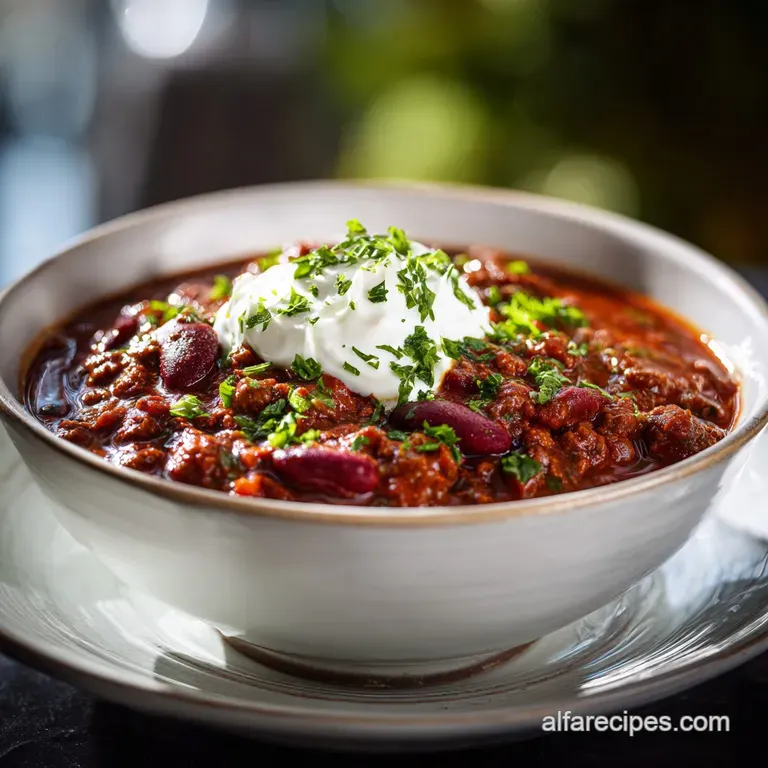
A big bowl of this chili deserves some company. In our house, we usually set out a "toppings bar" so everyone can customize their bowl. Cold sour cream, sharp cheddar cheese, and fresh cilantro are non negotiable.
If you have some extra time, a batch of honey cornbread is the ultimate tool for swiping up every last drop of sauce from the bottom of the bowl.
If you’re looking for a more unique pairing, try serving this over a bed of lime infused rice. It turns the chili into more of a hearty bowl style meal that feels fresh and modern.
Whatever you choose, the goal is to get everyone around the table, sharing stories and enjoying a meal that didn't take all day to make but tastes like it did. That's the real magic of a good homemade recipe.

High in Sodium
945 mg mg of sodium per serving (41% of daily value)
The American Heart Association recommends limiting sodium intake to about 2,300mg per day.
Tips to Reduce Sodium in Your Chili
-
Low-Sodium Broth-30%
Replace the regular beef bone broth with a low-sodium or no-salt added version. This simple swap can significantly reduce the overall sodium content.
-
Choose Low-Sodium Sausage-25%
Select Italian sausage labeled as 'low-sodium' or 'reduced sodium'. You can also use half sausage and half lean ground beef to cut down on sodium and saturated fat.
-
Reduce Added Salt-25%
Eliminate or significantly reduce the added sea salt. Taste the chili before adding any salt and remember that the sausage and broth already contain sodium.
-
No-Salt Added Beans-20%
Use no-salt added canned kidney and black beans, or cook dried beans from scratch. Rinsing canned beans helps, but using no-salt added versions is better.
-
No-Salt Added Tomatoes-15%
Use no-salt added crushed tomatoes. Many brands offer this option, and it's a great way to control sodium levels.
-
Spice it Up!
Enhance the flavor of your chili with a variety of herbs and spices like oregano, bay leaf, or more chili powder. These additions provide complexity without adding sodium.
Recipe FAQs
What is the secret to really good chili?
Searing the meat deeply. You need that dark brown, caramelized crust (the fond) on the bottom of the pan before adding any liquid; this provides deep umami notes that simmering alone cannot achieve.
What secret ingredient makes chili better?
Using a blend of meats, specifically Italian sausage. The fat and fennel from the sausage infuse the entire base, offering a complex savoriness that ground beef alone cannot deliver.
What do I need to make chili from scratch?
Start with two pounds of meat, aromatics, spices, tomatoes, and beans. Specifically, gather lean ground beef, Italian sausage, onion, bell pepper, garlic, chili powder, cumin, and bone broth for the best texture.
Which beans are best for making chili?
Use a combination of kidney and black beans for texture and color contrast. Kidney beans hold their shape well under long simmering, while black beans add a pleasant creaminess to the overall base.
Is it true I should never add acid (like vinegar) until the end?
Yes, this is critical for bean texture. Adding acidic ingredients like vinegar or beer too early will prevent dried or canned beans from softening properly during the cooking process.
How do I make my chili sauce thick instead of watery?
Fry the tomato paste until it turns brick red and simmer with the lid slightly ajar. Frying the paste removes its metallic taste, and leaving the lid cracked allows steam to escape, concentrating the sauce naturally.
What should I serve with homemade chili to balance the richness?
Serve it with something fresh or subtly sweet to cut the fat and heat. A scoop of sharp cheddar and a side of homemade cornbread are classics, or you could try a bright, fresh Mexican Street Corn recipe side dish.
Hearty Homemade Chili Recipe
Ingredients:
Instructions:
Nutrition Facts:
| Calories | 388 kcal |
|---|---|
| Protein | 28.6 g |
| Fat | 18.2 g |
| Carbs | 27.4 g |
| Fiber | 8.1 g |
| Sugar | 5.2 g |
| Sodium | 945 mg |
