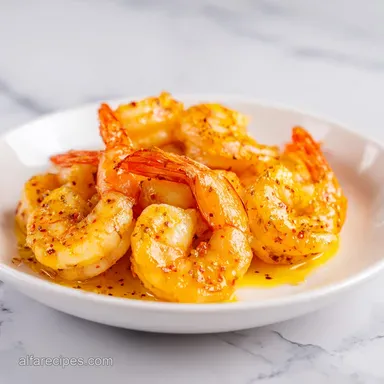
Garlic Butter Shrimp: 15-Minute Recipe
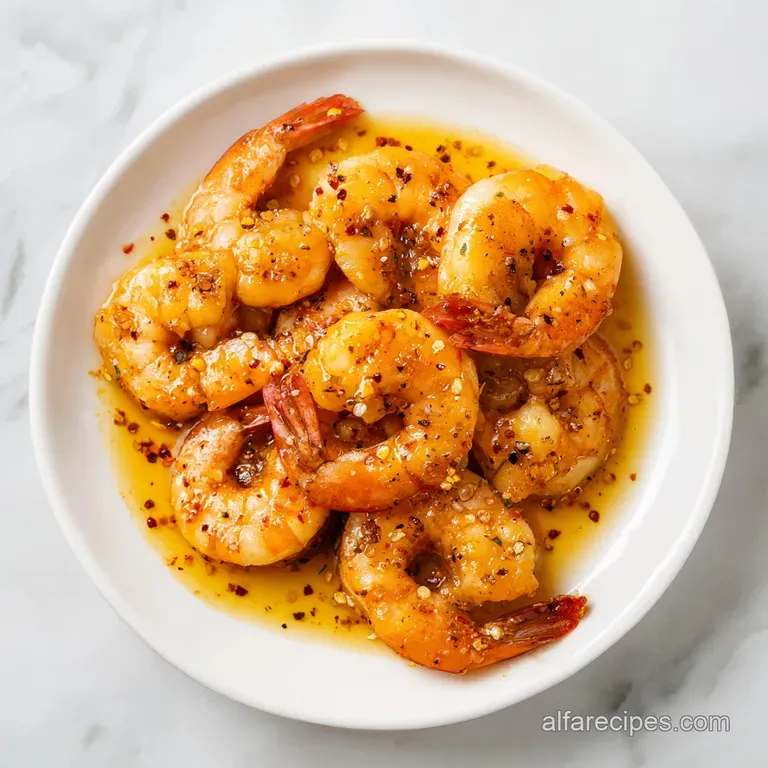
- Time: 10 min prep + 5 min cook = Total 15 mins
- Flavor/Texture Hook: Velvety butter sauce with a bright, tangy lemon finish
- Perfect for: Busy weeknights or a quick date night dinner
Quick Garlic Butter Shrimp Recipe
The second those shrimp hit the shimmering oil, you get that aggressive sizzle that tells you everything is going right. I remember the first time I tried to make this for my family, I just dumped everything in the pan at once. I ended up with a grey, watery mess that tasted more like boiled seafood than a proper meal.
It was a total disaster, but it taught me that the secret is all in the timing and the heat.
Forget the idea that you need a heavy cream reduction or a fancy wine sauce to get that restaurant quality feel. Most people think a "fancy" sauce requires hours of simmering, but that's just not true. You actually want the opposite here.
The magic happens in a matter of seconds when the butter foams and the garlic just barely softens.
This Garlic Butter Shrimp is all about a crowded table and no fuss prep. We're keeping it simple so you can actually enjoy your evening instead of scrubbing pans. Trust me on this, once you see how the butter coats each piece of shrimp in a silky glaze, you'll never go back to the "everything in-one pot" method.
Why These Flavors Click
Instead of a long lecture, here is what's actually happening in your skillet to make this work.
Surface Moisture: Patting the shrimp dry removes the water barrier, allowing them to sear and brown rather than steam.
Staged Cooking: Removing the shrimp before adding the butter prevents them from overcooking while the garlic softens.
Butter Foaming: When butter foams, the water is evaporating, which allows the garlic to fry in the fat without burning.
Acid Balance: Adding lemon juice at the very end cuts through the richness of the butter, brightening the whole dish.
| Source | Prep Effort | Texture | Best For |
|---|---|---|---|
| Fresh Shrimp | Medium | Snappy, firm | High end dinner |
| Frozen (Thawed) | Low | Softer, tender | Weeknight meals |
I've found that using frozen, peeled, and deveined shrimp is a total lifesaver for real life family cooking. According to USDA FoodData, frozen shrimp retains its nutritional value well, and it saves you twenty minutes of tedious peeling. Just make sure they are fully thawed and patted dry, or you'll lose that sear.
The Essential Components
Before we dive into the pan, let's look at what's doing the heavy lifting here.
| Ingredient | Science Role | Pro Secret |
|---|---|---|
| Large Shrimp | Main Protein | Buy 16/20 count for a meatier bite |
| Unsalted Butter | Flavor Carrier | Use European style butter for more fat |
| Fresh Garlic | Aromatic | Mince by hand, not a press, for better texture |
| Lemon Juice | pH Balancer | Always use a real lemon, not the bottled stuff |
For the Shrimp
- 1 lb (450g) Large shrimp, peeled and deveined Why this? Consistent size ensures even cooking
- ½ tsp (1g) Sea salt Why this? Enhances natural sweetness
- ¼ tsp (0.5g) Black pepper Why this? Adds a subtle woody heat
- ¼ tsp (0.5g) Paprika Why this? Gives a rich, golden color
For the Garlic Butter Sauce
- 4 tbsp (57g) Unsalted butter Why this? Provides the velvety base
- 1 tbsp (15ml) Olive oil Why this? Raises the smoke point
- 4 cloves (12g) Garlic, finely minced Why this? The core punch of flavor
- 1 tbsp (15ml) Fresh lemon juice Why this? Brightens the heavy fats
- 2 tbsp (8g) Fresh parsley, chopped Why this? Adds a fresh, grassy finish
| Original Ingredient | Substitute | Why It Works |
|---|---|---|
| Unsalted Butter | Ghee | Higher smoke point. Note: Lacks the milky sweetness |
| Fresh Parsley | Fresh Cilantro | Similar color. Note: Changes profile to a zesty, lime like taste |
| Lemon Juice | Lime Juice | Similar acidity. Note: Gives it a more tropical, sharp edge |
Right then, make sure your garlic is minced finely but not turned into a paste. If the garlic is too fine, it'll burn before the shrimp even return to the pan. I usually do a rough chop first and then mince it, which keeps a few tiny bits larger for a bit of texture.
The Right Gear
You don't need a professional kitchen for this, but a few specific tools make a huge difference in the final result.
I always reach for a 12 inch stainless steel or cast iron skillet. The main goal is surface area. If the pan is too small, the shrimp will crowd each other, releasing moisture and steaming instead of searing. You want enough space so that each shrimp has its own "zone" to get that golden crust.
For the prep, a good set of paper towels is actually your most important tool. If you're feeling fancy, you can use a fish spatula to flip the shrimp without breaking them, but a regular turner works just fine. Just avoid using a non stick pan if you can, as they often don't get hot enough for a proper sear.
Cooking step by step
Let's crack on with the actual process. Follow these steps closely, especially the timing, to avoid the dreaded rubbery texture.
- Pat the shrimp completely dry with paper towels. Note: This is the most important step for a good sear.
- In a bowl, toss them with salt, pepper, and paprika. Note: This creates a light crust.
- Heat the olive oil in a 12 inch skillet over medium high heat until shimmering.
- Add shrimp in a single layer; sear for 2 minutes without moving, until they have a golden, seared bottom.
- Flip the shrimp and sear for 1 more minute. Note: Don't let them sit too long or they'll toughen up.
- Remove shrimp from the pan and set aside on a plate.
- Reduce heat to medium and add the butter to the pan.
- Once the butter is foaming, stir in the minced garlic and sauté for 30 60 seconds until it smells fragrant and golden.
- Return the shrimp to the pan and toss rapidly for 30 seconds to coat.
- Turn off the heat and stir in the fresh lemon juice and chopped parsley. Note: Removing from heat prevents the lemon juice from evaporating.
Chef's Note: If you want a deeper flavor, try adding a pinch of red pepper flakes when you add the garlic. It gives a gentle warmth that doesn't overpower the butter.
Fixing Common Mistakes
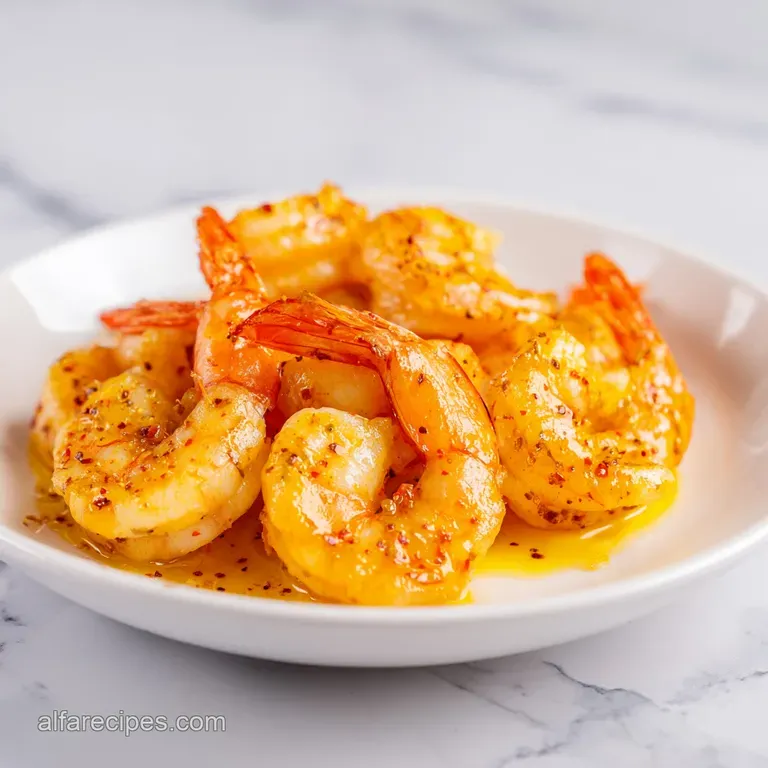
Even the best of us mess up a batch of Garlic Butter Shrimp every now and then. Usually, it comes down to heat management or moisture.
Troubleshooting Common Issues
| Issue | Solution |
|---|---|
| Why Your Shrimp Turned Rubbery | This happens when the proteins tighten up too much from overcooking. Shrimp cook incredibly fast, and even an extra 60 seconds can ruin the texture. The key is to remove them from the pan while they a |
| Why Your Garlic Tastes Bitter | Garlic has a very low burn point. If you add it to the oil at the same time as the shrimp, or leave it in too long, it turns brown and bitter. Always wait until the butter is foaming and keep the garl |
| Why Your Sauce Is Watery | This is almost always caused by wet shrimp or using frozen shrimp that weren't fully thawed. When water hits the hot butter, it emulsifies poorly and creates a thin, greyish liquid instead of a velvet |
Common Mistakes Checklist
- ✓ Pat shrimp bone dry before seasoning
- ✓ Avoid crowding the pan to ensure a sear
- ✓ Remove shrimp before adding butter and garlic
- ✓ Turn off the heat before adding lemon juice
- ✓ Use a large skillet for maximum surface area
Adjusting the Batch Size
If you're cooking for a crowd or just for yourself, you can't always just double the numbers. Here is how to handle the scaling for this Garlic Butter Shrimp.
For a half batch (½ lb), use a smaller 8 inch or 10 inch skillet. You can keep the butter and garlic amounts almost the same, as you need a minimum amount of fat to properly sauté the garlic. Reduce the searing time by about 20% since the pan will hold heat differently.
When doubling or tripling the recipe (2-3 lbs), do NOT cook them all at once. If you crowd the pan, you'll get steamed shrimp instead of seared ones. Work in batches, searing 1 lb at a time, and set them aside on a platter.
Once all the shrimp are seared, make one large batch of garlic butter in the pan and toss all the cooked shrimp back in together at the end.
| Goal | Action | Impact |
|---|---|---|
| More Flavor | Add 1 extra clove garlic | Bolder, punchier sauce |
| Lighter Feel | Swap butter for olive oil | Less rich, more "Mediterranean" |
| Extra Zest | Add lemon zest to the end | More aromatic citrus notes |
If you're planning to serve this over a base, you might want to experiment with the sauce volume. For a side of rice, the current amount is great. But if you're turning this into a quick shrimp pasta, I'd recommend doubling the butter and adding a splash of pasta water to help the sauce cling to the noodles.
Shrimp Myths Debunked
There are a lot of old wives' tales in the kitchen. Let's clear a few up.
First, the idea that searing shrimp "seals in the juices." This is a myth. Searing creates a crust and adds flavor through browning, but it doesn't create a waterproof barrier. Moisture loss happens regardless of how you cook it, so the real goal of searing is taste and color.
Second, many people believe that frozen shrimp are inherently inferior to fresh. In reality, most "fresh" shrimp at the grocery store were frozen at sea anyway. As long as they were flash frozen quickly, the quality is nearly identical. The only real difference is the convenience of the prep.
Keeping Things Fresh
Since this dish is so rich, you want to be careful with how you store it. Garlic butter is fantastic, but shrimp can get a strange texture if they sit too long.
Store any leftovers in an airtight container in the fridge for up to 3 days. When reheating, avoid the microwave if possible, as it will turn the shrimp into rubber. Instead, place them in a pan over low heat with a tiny knob of extra butter. Just warm them through until they are glistening, then stop.
For zero waste, don't throw away the shrimp shells or heads if you bought them whole. Toss them in the freezer in a bag. Once you have a few bags, simmer them with a carrot and some onion to make a simple shrimp stock. This stock is an absolute powerhouse for adding depth to risottos or seafood soups.
Best Side Pairings
This recipe is versatile, but the right side dish can turn a simple meal into a feast. Because the sauce is so rich, you want something that can soak up the butter or something bright to contrast it.
For a hearty meal, I love serving this as Garlic Butter Shrimp and rice. A simple basmati or jasmine rice works best. The grains soak up that lemon garlic glaze, making every bite count. If you're in the mood for something more indulgent, try serving it alongside some garlic pull apart rolls to mop up the remaining sauce.
Another great option is serving it over a bed of sautéed spinach or roasted asparagus. The bitterness of the greens cuts right through the fat of the butter. If you want to go full "scampi" style, toss the finished shrimp with linguine and an extra squeeze of lemon.
It's a family favorite that feels like a treat but takes almost no extra effort.
Recipe FAQs
How to make buttered garlic shrimp?
Pat shrimp dry, season with salt, pepper, and paprika, and sear in olive oil. Remove the shrimp, sauté garlic in butter for 30 60 seconds, then toss the shrimp back in with lemon juice and parsley.
What's the best way to cook garlic shrimp?
Sear the shrimp first and finish with a garlic butter sauce. This technique prevents the garlic from burning and ensures the shrimp get a golden crust without overcooking.
Is it better to cook shrimp in butter?
No, use a combination of olive oil and butter. Olive oil handles the high heat searing better, while butter adds the rich flavor during the final tossing stage.
Is garlic butter good on seafood?
Yes, it is a classic pairing. The richness of the butter balances the natural sweetness of the shrimp and pairs beautifully with a side of creamy corn chowder.
Why did my shrimp turn out rubbery?
You overcooked them. Shrimp cook incredibly fast; remove them from the pan the moment they turn opaque to keep the texture tender.
Why does the garlic taste bitter?
The garlic burned in the pan. Garlic has a low burn point, so only sauté it for 30 60 seconds over medium heat until fragrant before returning the shrimp.
Is it true that you should cook the garlic and shrimp together from the start?
No, this is a common misconception. Cooking them together often results in burnt garlic or rubbery shrimp because they require different heat durations.
Garlic Butter Shrimp 2