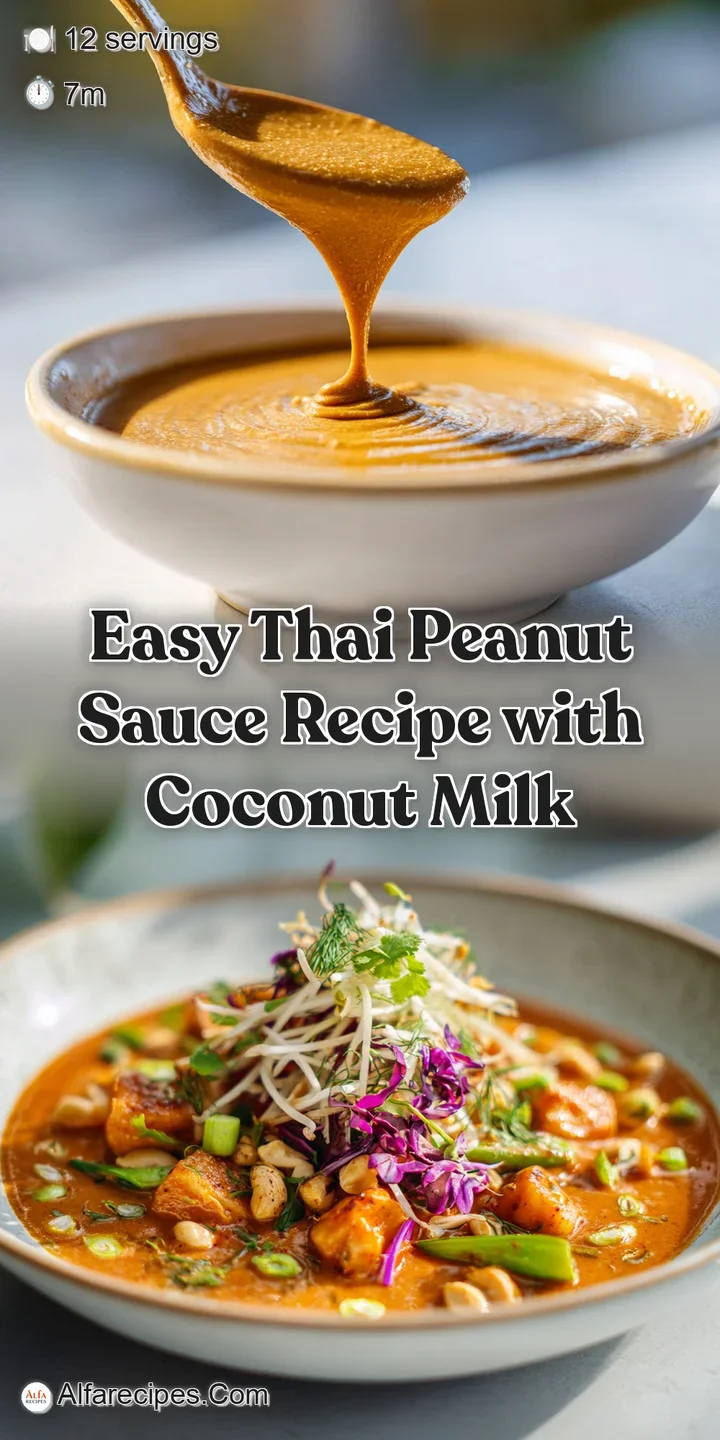
Easy Thai Peanut Sauce Recipe
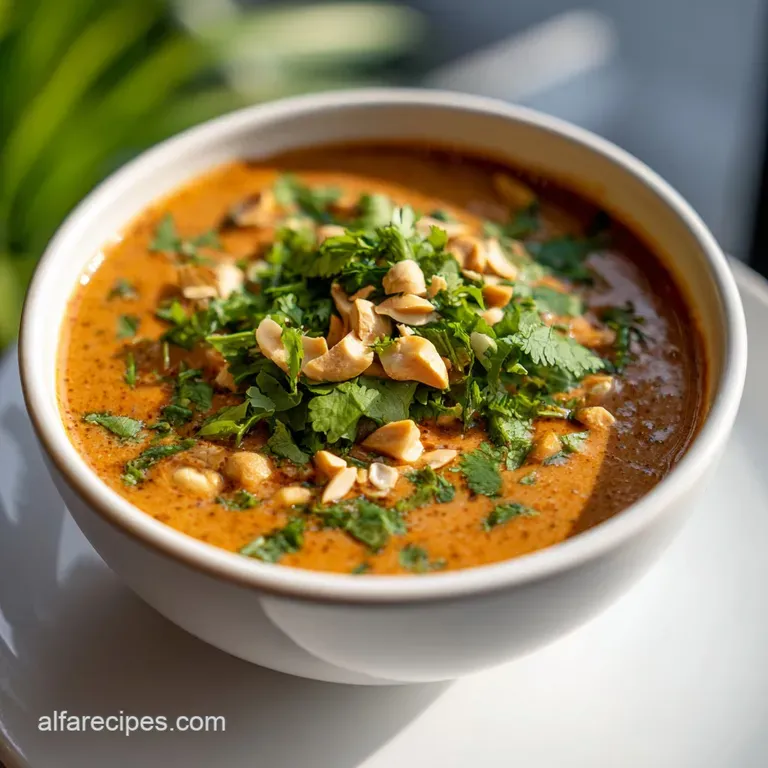
- Time: Active 5 minutes, Passive 2 minutes, Total 7 minutes
- Flavor/Texture Hook: Velvety, savory, and subtly spiced with a nutty finish
- Perfect for: Quick weeknight dinners, meal prep, or family dipping platters
- Making the Best Creamy Thai Peanut Sauce
- Essential Recipe Details and Timing
- Smart Ingredient Selection and Swaps
- Necessary Tools for Smooth Sauce
- Step by Step Mixing Guide
- Troubleshooting Your Sauce Texture
- Creative Family Flavor Variations
- Storage and Zero Waste Tips
- Serving Ideas for Busy Nights
- Debunking Kitchen Myths
- Recipe FAQs
- 📝 Recipe Card
Making the Best Creamy Thai Peanut Sauce
I still remember the first time I tried making this for my family. We’d had a long day at the park, the kids were starving, and the "emergency" takeout we ordered was a complete bust the peanut sauce was basically just sugary brown water.
I stood in my kitchen, looking at a half empty jar of peanut butter and a can of coconut milk, wondering if I could do better. The moment the garlic and ginger hit the warm oil and that sharp, spicy aroma filled the room, I knew we were onto something special.
Now, this has become a staple in our "crowded table" rotation. There is something so satisfying about the way the sauce coats a noodle or clings to a piece of grilled chicken. It’s hearty, no fuss, and honestly, way better than anything that comes in a plastic container.
We've used it for everything from dipping raw veggies to jazzing up a plain bowl of rice, and it never fails to get everyone to the table fast.
The beauty of this version is that it doesn't require a trip to a specialty grocery store. We’re using smart, budget friendly swaps that keep the flavor high without breaking the bank. You’ll get that silky, professional texture right on your own stovetop in less time than it takes to boil a pot of water.
Trust me, once you smell that red curry paste blooming in the pan, you’ll never go back to the bottled stuff.
Essential Recipe Details and Timing
Before we get our hands messy, let’s look at how this sauce comes together. Unlike many labor intensive sauces, this one relies on a quick emulsification process that happens almost instantly once heat is applied.
It is a forgiving recipe, but timing is everything if you want to avoid scorching the delicate fats in the peanut butter.
The Physics of the Emulsion: The natural fats in peanut butter and coconut milk are bonded together by the acetic acid in the rice vinegar. This prevents the oil from separating, resulting in a stable, velvety texture that stays smooth even after cooling.
| Feature | Stovetop Method | Microwave Method |
|---|---|---|
| Texture | Silky and fully integrated | Slightly less cohesive |
| Control | High (can monitor thickness) | Low (can easily boil over) |
| Best For | Large family batches | Single quick servings |
While the microwave is tempting for a "no fuss" meal, I always recommend the stovetop. It allows the garlic and ginger to actually cook, removing that raw, aggressive bite that can overwhelm the other flavors. If you’re in a rush, just remember that the stovetop only takes about two minutes of actual heat.
Smart Ingredient Selection and Swaps
Choosing the right components is the difference between a sauce that’s "okay" and one that’s "can I have the recipe?" I always reach for natural creamy peanut butter because it lacks the added palm oils and excessive sugars found in standard commercial brands.
This allows you to control the sweetness yourself with the maple syrup.
| Original Ingredient | Substitute | Why It Works |
|---|---|---|
| Full fat Coconut Milk | Whole Milk + 1 tsp Coconut Extract | Maintains the fat content but mimics the tropical scent |
| Rice Vinegar | Apple Cider Vinegar | Provides the necessary acidity. Note: Slightly fruitier but works in a pinch |
| Thai Red Curry Paste | Curry Powder + Tomato Paste | Mimics the spice and color without needing a specific paste |
If you are looking for more ways to use that jar of peanut butter, you might enjoy my Low Calorie Peanut recipe for a quick lunch fix. Using the right fats ensures that your Thai Peanut Sauce doesn't break or turn greasy when reheated, which is a common frustration for home cooks.
Necessary Tools for Smooth Sauce
You don't need a high tech kitchen to pull this off. In fact, keeping it simple usually yields the best results. A small saucepan is my go to because it provides enough surface area for the ingredients to meld without the liquids evaporating too quickly.
- Small Saucepan: A 1 quart or 2 quart size is ideal for managing the volume.
- Whisk: A balloon whisk ensures that the peanut butter and coconut milk become one seamless liquid.
- Microplane: This is my "secret weapon" for the ginger and garlic. It turns them into a paste so you don't end up with chunky bits in a smooth sauce.
- Silicone Spatula: Great for scraping every last drop of that "liquid gold" out of the pan.
Chef's Tip: Freeze your fresh ginger for 10 minutes before grating. It makes the fibers much easier to cut through, giving you a fine snow like texture rather than a stringy mess.
step-by-step Mixing Guide
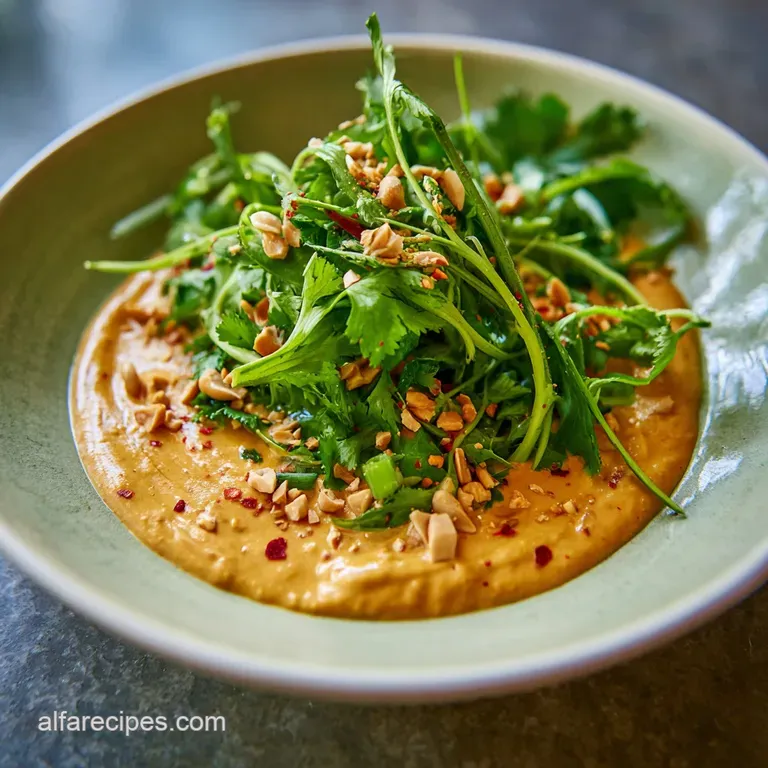
Let’s get into the heart of the process. Remember, we are looking for a specific visual cue the sauce should transition from a separated, watery mix to a unified, glossy coating.
- Prep the aromatics. Grate the 1 teaspoon of fresh ginger and mince the 1 clove of garlic. Note: Using fresh aromatics instead of powder makes a massive flavor difference.
- Bloom the paste. Place the 1 tablespoon of Thai red curry paste in the saucepan over medium low heat for 30 seconds until it smells fragrant and turns a shade darker.
- Add the bases. Stir in the 1/2 cup natural creamy peanut butter and 1/2 cup full fat coconut milk.
- Incorporate the liquids. Add the 2 tablespoons of soy sauce, 1 tablespoon of rice vinegar, and 1 tablespoon of maple syrup.
- Whisk constantly. Use a steady motion to combine the ingredients as the peanut butter melts.
- Simmer gently. Let the mixture reach a low simmer for about 2 minutes until the sauce thickens and coats the back of a spoon.
- Balance the acid. Stir in the 1 tablespoon of fresh lime juice at the very end. Note: Adding lime last preserves its bright, zesty profile.
- Add the heat. Fold in the 1/2 teaspoon of red pepper flakes.
- Check consistency. If it’s too thick, add a splash of water; if too thin, simmer for another 30 seconds.
- Remove and cool. Take it off the heat immediately to prevent the oils from separating.
Troubleshooting Your Sauce Texture
Sometimes things don't go exactly as planned. Maybe the heat was too high, or the peanut butter was a bit drier than usual. Don't panic; almost every "failed" sauce is fixable with a little bit of kitchen science.
If your Thai Peanut Sauce looks grainy, it’s likely because the protein in the peanuts has tightened up from too much heat.
Why Your Sauce Separated
If you see beads of oil floating on top, the emulsion has "broken." This usually happens if the sauce boils too vigorously. To fix this, remove the pan from the heat and whisk in a teaspoon of room temperature water or coconut milk.
The sudden change in temperature and additional liquid helps the fats and solids find their way back together.
| Problem | Root Cause | Solution |
|---|---|---|
| Grainy Texture | Overheating or "old" ginger | Whisk in a splash of warm coconut milk and strain if necessary |
| Too Salty | Excess soy sauce | Add a teaspoon of maple syrup or a squeeze more lime |
| Too Thick | Low moisture in PB | Thin with 1 tablespoon of warm water at a time |
Common Mistakes Checklist
- ✓ Don't skip the "blooming" phase for the curry paste; it unlocks the fat soluble flavors.
- ✓ Never let the sauce reach a rolling boil, as this will cause the peanut oil to separate.
- ✓ Use full fat coconut milk for the best mouthfeel; "lite" versions often result in a watery finish.
- ✓ Pat your ginger dry before grating to avoid adding excess moisture to the pan.
- ✓ Allow the sauce to sit for 5 minutes before serving to let the flavors fully marry.
Creative Family Flavor Variations
This recipe is a fantastic baseline, but my family loves it when I switch things up based on what's in the pantry. For a heartier meal, this sauce pairs beautifully with my Chicken Mushroom Rice recipe, providing a creamy contrast to the earthy mushrooms.
- The Spicy Kick: Double the red pepper flakes or add a teaspoon of Sriracha for a sauce that really wakes up the taste buds.
- The Nut Free Alternative: Substitute the peanut butter with SunButter (sunflower seed butter). It has a similar earthy tone and works perfectly with the coconut milk.
- The Extra Creamy: Use only the thick cream from the top of the coconut milk can for a dip that is thick enough to stand a spoon in.
If you are scaling this for a large party, remember that you don't need to double the salt or spices exactly. For a double batch (24 servings), I suggest using 1.5x the red pepper flakes and soy sauce first, then tasting.
Liquids should be reduced by about 10% to ensure the sauce doesn't become too runny when cooking in larger volumes.
Storage and Zero Waste Tips
In a busy house, leftovers are a gift. This sauce stores remarkably well, but it will firm up in the fridge because of the natural fats in the peanut butter. Don't be surprised if it looks like a solid block the next day!
Storage: Keep the sauce in an airtight glass jar in the fridge for up to 7 days. You can also freeze it for up to 3 months. To reheat, place it in a small pan with a splash of water over low heat, whisking until it regains its silky texture.
Zero Waste: Never toss the "dregs" of the peanut butter jar. Instead, make the sauce right inside the jar! Add your warm coconut milk and other ingredients, give it a vigorous shake, and you've captured every bit of peanut flavor while saving a dish.
If you have leftover ginger root, peel it and store it in a small jar of sherry or vodka in the fridge; it will stay fresh for months.
Serving Ideas for Busy Nights
The versatility of this Thai Peanut Sauce is what makes it a "masterclass" recipe for home cooks. While it's iconic with satay, we love getting creative. It makes an incredible dressing for a cold noodle salad just thin it out with a little extra rice vinegar and lime juice.
One of my favorite "no fuss" nights involves roasting a tray of broccoli and sweet potatoes and drizzling this sauce over the top. It turns humble vegetables into something the kids actually ask for seconds of. You can also use it as a base for a Thai inspired pizza, or even as a bold spread for a turkey wrap.
Whatever you do, make sure you have plenty of extra lime wedges on the table; that final hit of fresh acid right before eating truly makes the flavors sing.
For another comforting meal that the whole family will love, try serving this alongside my Freakin Fantastic Fried recipe. The savory notes of the fried rice and the creamy richness of the peanut sauce are a match made in kitchen heaven. It’s all about creating those moments where everyone is reaching across the table, dipping and sharing that’s where the real magic happens.
Debunking Kitchen Myths
There are a few misconceptions floating around about making peanut sauce at home that often stop people from trying it. Let's clear those up so you can cook with confidence.
- Myth 1: You must use fish sauce for an authentic taste. While fish sauce adds a lovely depth, soy sauce combined with the lime and rice vinegar provides a very similar salty umami profile that is much more accessible for most home cooks.
- Myth 2: Peanut sauce is always high in calories. By using natural peanut butter and controlling the sweetener (using maple syrup instead of refined sugar), we’ve kept this version at 89 kcal per serving while maintaining a rich, satisfying flavor.
- Myth 3: You need a blender for a smooth sauce. While a blender works, a simple whisk and a bit of heat are all you need to emulsify the fats. In fact, doing it by hand gives you better control over the final thickness.
Recipe FAQs
What are the ingredients for Thai peanut sauce?
The core ingredients are peanut butter, coconut milk, soy sauce, rice vinegar, maple syrup, lime juice, garlic, and ginger. You will also need Thai red curry paste for authentic flavor and color. These items combine to create the essential sweet, salty, and tangy balance typical of Thai cuisine.
What are the 5 ingredients in peanut sauce?
The five foundational ingredients are peanut butter, coconut milk, soy sauce, rice vinegar, and sweetener (like maple syrup). While other spices are crucial for Thai flavor, these five components form the necessary base structure, fat, salt, and acid for texture and primary taste.
What is the difference between satay sauce and peanut sauce?
Satay sauce is typically thicker, richer, and contains more distinct aromatics like lemongrass. Thai peanut sauce is often thinner, designed more for drizzling or dressing, and frequently features stronger acidity from lime or vinegar, especially when served cold.
What is the difference between Thai and Vietnamese peanut sauce?
Vietnamese peanut sauce (Tương Chấm Gỏi Cuốn) is generally much thinner, sweeter, and lacks the spicy depth of Thai sauce. Thai sauce relies heavily on curry paste and chiles for heat, whereas the Vietnamese version often uses hoisin sauce and is meant primarily as a mild
dipping agent for fresh spring rolls.
How do I stop my homemade peanut sauce from separating?
Whisk in a teaspoon of room temperature water or coconut milk while gently reheating off the heat. Separation happens when the sauce boils too hard, causing the oils to break away from the emulsion; adding a small amount of temperate liquid helps re-stabilize the bond between the fat and water
components, similar to how you stabilize a dressing.
Can I use crunchy peanut butter instead of creamy?
No, stick with smooth, natural creamy peanut butter for the best texture. Crunchy peanut butter introduces grainy, uneven pieces that prevent the smooth, velvety mouthfeel that defines restaurant quality Thai sauce. If you enjoyed mastering the smooth emulsification technique here, you'll find the same principles of fat blending are vital in recipes like our Creamless Alfredo Sauce recipe.
How do I make the sauce less spicy?
Omit the red pepper flakes entirely and reduce the Thai red curry paste by half. The spice comes almost entirely from these two additions; reducing them will yield a sweeter, savory sauce perfect for those sensitive to heat. If you are looking for a main dish that balances bold spices with sweet notes, consider our Classic Chili Recipe where spice management is key.
Easy Thai Peanut Sauce Recipe
Ingredients:
Instructions:
Nutrition Facts:
| Calories | 89 kcal |
|---|---|
| Protein | 3.1 g |
| Fat | 7.4 g |
| Carbs | 4.3 g |
| Fiber | 0.7 g |
| Sugar | 1.7 g |
| Sodium | 178 mg |
