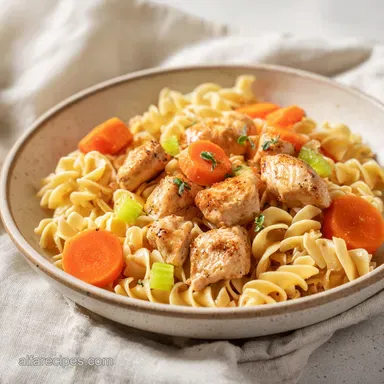
One Pot Chicken and Noodles: Creamy and Hearty
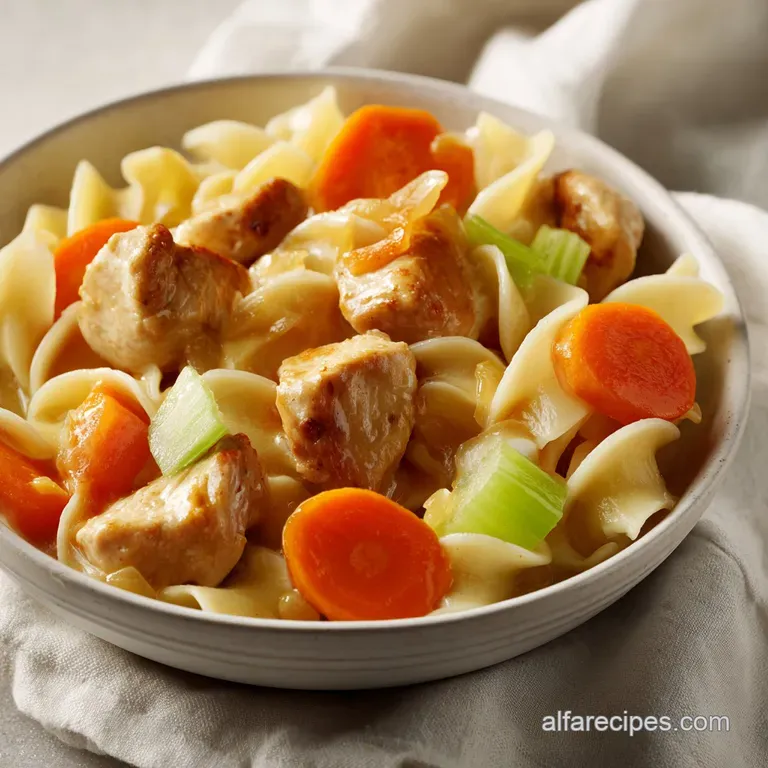
- Time:15 minutes active + 30 minutes cook = Total 45 minutes
- Flavor/Texture Hook: Mahogany seared chicken with a velvety, creamy broth
- Perfect for: A budget-friendly weeknight dinner for the whole family
- Hearty Chicken and Noodles for Family Dinner
- Why This Method Works
- The Essential Recipe Specs
- Gather Your Pantry Staples
- The Right Kitchen Gear
- Step by Step Cooking
- Fixing Common Cooking Blunders
- Troubleshooting Common Issues
- Tasty Twists to Try
- Adjusting the Batch Size
- Truths About This Dish
- Freshness and Zero Waste
- Best Side Dish Pairings
- Recipe FAQs
- 📝 Recipe Card
That first sizzle of chicken thighs hitting hot butter is a sound that takes me right back to my grandmother's kitchen. I can still smell the garlic and onions softening in the pot, filling the whole house with that heavy, warm aroma that practically tells you everything is going to be okay.
It's the kind of smell that makes kids run to the table before the food is even plated.
For years, I believed the myth that you had to let this stuff simmer for an entire day in a crockpot to get that deep, soulful flavor. I'd wait and wait, only to end up with noodles that had turned into a mushy paste and chicken that felt like rubber.
It turns out, the secret isn't about how long you cook it, but how you start the process. When you focus on the sear, you get that rich, concentrated taste in under an hour.
This version of Chicken and Noodles is all about practicality. We're using chicken thighs because they're cheaper than breasts and way more forgiving. You won't have to worry about the meat drying out while the noodles cook.
We're aiming for a hearty, no fuss meal that feels like a hug in a bowl, designed for a crowded table and real life.
Hearty Chicken and Noodles for Family Dinner
Right then, let's get into why this actually works. Most people just throw everything in a pot and hope for the best, but that's how you end up with a bland, watery soup. To get that thick, silky consistency, we have to play with the natural starches and fats.
By searing the meat first, we create a layer of flavor on the bottom of the pot that becomes the foundation of the entire dish.
But what about the noodles? The biggest struggle with any chicken and noodles recipe is the timing. If you put them in too early, they dissolve. If you put them in too late, the broth is too thin. The trick is the "simmer and stir" method.
By adding the noodles directly to the boiling broth, they release just enough starch to thicken the liquid naturally, making it feel rich without needing a flour roux.
And we can't forget the finish. Adding a splash of heavy cream at the very end is the difference between a basic soup and a velvety meal. It ties the savory chicken broth and the buttery noodles together. Trust me on this, don't even bother with low-fat substitutes here.
You want that fat to carry the thyme and parsley flavors across your palate.
Why This Method Works
I'm always curious about why some versions of this dish feel "thin" while others feel "hearty". After a lot of trial and error, I've realized it comes down to a few basic triggers.
- The Brown Crust: Searing the chicken until it's mahogany colored creates a depth of flavor that mimics hours of slow cooking. This is basically creating a flavor base right in the pan.
- Starch Release: Cooking the egg noodles directly in the broth allows the starch to leak out, which naturally thickens the sauce into something silky.
- Fat Balance: Using chicken thighs provides a natural richness that prevents the broth from tasting like salted water.
- The Cream Finish: Adding cream at the end emulsifies the fats and liquids, creating that opaque, velvety look.
Before we move to the ingredients, you need to decide how you want to cook this. While I love the stovetop for speed, some people swear by the oven.
| Feature | Stovetop Method | Oven Bake (Casserole) |
|---|---|---|
| Cook Time | 30 minutes | 45-60 minutes |
| Texture | Silky and fluid | Thick and set |
| Noodle Control | High (easy to hit al dente) | Low (tend to overcook) |
| Best For | Quick weeknight meals | Potlucks and meal prep |
It's worth noting that the stovetop version gives you much better control over the noodle texture. According to Serious Eats, searing meat properly is the most critical step for building a base of flavor in any braise or stew.
The Essential Recipe Specs
When you're prepping this for a family, you want to know exactly what you're getting into. This isn't a "gourmet" production, but it produces a result that feels high end because of the texture. We're focusing on budget friendly ingredients that punch above their weight class.
The goal here is a balance of proteins and carbs. By using a mix of carrots, celery, and onion, we're building a classic aromatic base. This ensures the Chicken and Noodles doesn't just taste like salt and flour, but has a garden fresh undertone that cuts through the richness of the cream.
Component Analysis
| Ingredient | Science Role | Pro Secret |
|---|---|---|
| Chicken Thighs | Flavor & Fat | Cut into uniform 1 inch cubes for even searing |
| Wide Egg Noodles | Thickener | Don't over stir or they'll break apart |
| Chicken Broth | Flavor Base | Use low sodium so you can control the salt |
| Heavy Cream | Texture | Stir in only at the very end to avoid curdling |
Gather Your Pantry Staples
I've listed everything you need below. Keep in mind that since we're going for a budget smart approach, you can swap a few things out without ruining the dish. Just be careful with the noodles, as the starch content varies between brands.
For the Protein and Veg:
- 1 lb boneless, skinless chicken thighs, cut into 1 inch chunksWhy this? More flavor and stays juicy
- 2 tbsp unsalted butterWhy this? Adds a rich, nutty base
- 1 tbsp olive oilWhy this? Raises the smoke point for searing
- 1 medium yellow onion, dicedWhy this? Provides a savory sweetness
- 3 large carrots, sliced into roundsWhy this? Adds color and earthiness
- 2 stalks celery, dicedWhy this? Classic aromatic depth
- 3 cloves garlic, mincedWhy this? Essential pungent punch
For the Sauce and Noodles:
- 6 cups low sodium chicken brothWhy this? The heart of the liquid
- 12 oz wide egg noodlesWhy this? Holds sauce better than thin noodles
- 1/2 cup heavy creamWhy this? For that velvety finish
- 1 tsp dried thymeWhy this? Woody, herbal note
- 1 tsp dried parsleyWhy this? Fresh, grassy finish
- 1 tsp saltWhy this? Basic flavor enhancer
- 1/2 tsp cracked black pepperWhy this? Slight heat and bite
If you find yourself missing an ingredient, don't panic. I've put together a few swaps that actually work well.
| Original Ingredient | Substitute | Why It Works |
|---|---|---|
| Heavy Cream (1/2 cup) | Full fat Coconut Milk (1/2 cup) | Similar fat content. Note: Adds a subtle coconut flavor |
| Chicken Thighs | Chicken Breast | Leaner meat. Note: Cook for 2 mins less to avoid dryness |
| Wide Egg Noodles | Rotini or Penne | Similar starch. Note: Changes the "old fashioned" feel |
| Dried Thyme | Dried Oregano | Similar herbal profile. Note: Slightly more "pizza" flavor |
The Right Kitchen Gear
You don't need a fancy setup for this. In fact, using too many pans just means more cleaning. I prefer a single, large heavy bottomed pot. A Dutch oven is the gold standard here because it distributes heat evenly, meaning your chicken won't burn in one spot and stay raw in another.
If you don't have a Dutch oven, a deep stainless steel skillet or a stockpot will work just fine. Just make sure it's wide enough that the chicken can lay in a single layer. If you crowd the pan, the chicken will steam instead of sear, and you'll lose that mahogany color we're after.
I also recommend a sturdy wooden spoon or a silicone spatula. You'll be doing a fair amount of scraping (deglazing) to get those brown bits off the bottom, and you don't want to scratch your pot.
Step by step Cooking
Right then, let's crack on. Follow these steps closely, and pay attention to the visual cues. That's how you know you're on the right track.
- Heat the olive oil and butter over medium high heat. Add the chicken chunks in a single layer and sear until mahogany colored brown on all sides (about 5-7 minutes). Remove chicken and set aside on a plate. Note: Don't move the chicken too much; let the crust form.
- In the same pot, add the diced onions, carrots, and celery. Sauté for 5 minutes until the onions are translucent and vegetables are softened.
- Stir in the minced garlic and cook for 60 seconds until you can smell it filling the kitchen. Note: Garlic burns fast, so keep it moving!
- Pour in the chicken broth, scraping the bottom of the pot with your spoon to release all those browned bits. Stir in the thyme, parsley, salt, and pepper. Bring to a boil.
- Add the egg noodles and the seared chicken (along with any juices on the plate) to the boiling broth.
- Reduce heat to a simmer and cook for 8-10 minutes until the noodles are al dente. Note: Taste a noodle! It should have a slight bite to it.
- Stir in the heavy cream and simmer for another 2 minutes until the sauce is velvety and opaque.
- Remove from heat immediately. Note: If you keep boiling it, the cream might separate.
Fixing Common Cooking Blunders
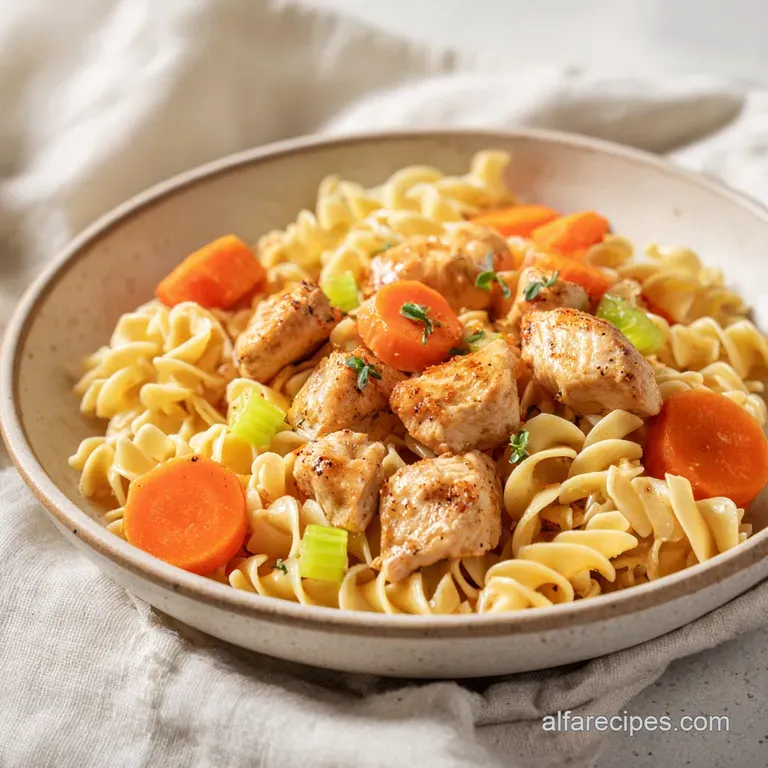
Even for experienced cooks, things can go sideways. Maybe the sauce is too thin, or the noodles turned into mush. Don't toss the pot yet - most of these are easy fixes.
Troubleshooting Common Issues
| Issue | Solution |
|---|---|
| Why Your Noodles Are Mushy | This usually happens if the noodles simmered too long or if you stirred them too aggressively. Egg noodles are delicate. If they've overcooked, you can't "un mush" them, but you can balance the textur |
| Why Your Sauce Is Too Thin | If your broth looks more like a soup than a sauce, you probably didn't get enough starch out of the noodles or didn't simmer them long enough. You can fix this by whisking in a tiny bit of cornstarch |
| Why Your Chicken Is Rubber | This is the classic "breast meat" problem. If you used breasts instead of thighs, they likely overcooked during the noodle simmer. To avoid this, sear the chicken, remove it, and only add it back in f |
Common Mistakes Checklist:
- ✓ Did you sear the chicken without crowding the pan?
- ✓ Did you scrape the brown bits (fond) off the bottom?
- ✓ Did you check the noodles for "al dente" texture?
- ✓ Did you add the cream at the very end?
- ✓ Did you use chicken thighs for maximum juiciness?
Tasty Twists to Try
Once you've got the basic Chicken and Noodles down, you can start playing with the flavor profile. This is where the recipe becomes your own. I often change the herbs depending on the season. In the winter, I add a pinch of nutmeg to the cream for a warmer feel.
The "Crockpot" Slow Simmer Twist
If you really want that slow cooked vibe, you can use a slow cooker. Brown the chicken and sauté the veg in a pan first, then dump everything except the noodles and cream into the crockpot. Cook on low for 6 hours. Add the noodles and cream in the last 30 minutes of cooking.
This is a great option if you're hosting and want the house to smell amazing all day.
The "Instant Pot" Pressure Method
For the truly rushed, a pressure cooker works wonders. Sauté the chicken and veg using the "Sauté" function. Add broth and herbs, then pressure cook on high for 5 minutes.
Quick release the steam, stir in the noodles, and use the sauté function for 8 minutes to cook them. Finish with the cream.
The Low Carb Swap
If you're avoiding grains, swap the egg noodles for spiralized zucchini or cauliflower florets. Keep in mind that these don't release starch, so you'll need to add a tablespoon of butter or a bit more cream to get that same thickness.
The dairy-free Alternative
For a dairy-free version, replace the butter with olive oil and the heavy cream with full fat coconut milk or a cashew based cream. It changes the flavor slightly, but it's still a hearty, comforting meal. If you love this kind of comfort but want something different, you might enjoy a Tuna Noodle Casserole which uses similar pantry staples.
Adjusting the Batch Size
Cooking for two is very different from cooking for ten. If you're scaling this recipe, you can't just multiply everything by four and hope for the best.
Scaling Down (½ batch): Use a smaller pot to prevent the broth from evaporating too quickly. Reduce the simmering time by about 20%, as a smaller volume of liquid heats up and cools down faster. If a recipe calls for one egg (though not in this one), beat it first and use half.
Scaling Up (2x-4x batch): Don't quadruple the salt and pepper - start at 1.5x and taste as you go. Liquids can be reduced by about 10% because you'll have less evaporation in a larger pot. The most important thing is to work in batches when searing the chicken.
If you put 4 lbs of chicken in one pot, it will boil in its own juices and you'll never get that mahogany sear.
Baking adjustments: If you decide to turn this into a casserole and bake it, lower your oven temp by about 25°F and extend the time by 15 minutes. This prevents the top from burning before the center is hot.
Truths About This Dish
There are a few things people always say about this recipe that just aren't true. Let's clear the air.
Myth: Searing "seals in" the juices. Actually, searing doesn't create a waterproof barrier. Moisture loss happens regardless of whether you sear or not. The reason we sear is for the flavor - that browned crust adds a complex, savory taste that you just can't get from boiling.
Myth: You must use a slow cooker for "traditional" flavor. As I've found, the "old fashioned" taste comes from the combination of butter, aromatics, and starch. You can achieve that in 45 minutes on a stove if you use the right techniques.
Myth: All egg noodles are the same. They aren't. Wide noodles have more surface area to catch the sauce, and they tend to hold their shape better than thin noodles, which often turn into mush in creamy sauces.
Freshness and Zero Waste
To keep this meal budget smart, we have to look at the waste. Those chicken thighs usually come with a bit of trim, and you'll have a few carrot ends and celery leaves left over.
Storage Guidelines: Store leftovers in an airtight container in the fridge for 3-4 days. Be warned: the noodles will continue to soak up the broth as they sit. When you go to eat it the next day, it might look more like a thick porridge than a soup.
Reheating Tips: When reheating, add a splash of water or more chicken broth. This loosens the sauce back up and restores that velvety texture. Heat it slowly on the stove over medium low heat rather than the microwave to avoid "rubberizing" the chicken.
Freezer Basics: You can freeze the chicken and vegetable base, but I don't recommend freezing the noodles. They lose their structure and become grainy. If you want to freeze this, cook the base, freeze it, and then boil fresh noodles when you're ready to eat.
Zero Waste Tips: Don't throw away your veggie scraps! Put your onion skins, celery ends, and carrot peels in a freezer bag. Once the bag is full, simmer them with water and a bay leaf for 2 hours to make a free, homemade vegetable stock.
If you used bone in thighs, roast the bones first, then simmer them to create a rich bone broth for your next batch of Chicken and Noodles.
Best Side Dish Pairings
Since this is such a heavy, rich meal, you want sides that provide a bit of contrast. Something bright, acidic, or crunchy will balance out the creaminess of the sauce.
I love serving this with a simple side of steamed broccoli or sautéed spinach. The bitterness of the greens cuts through the butter and cream perfectly. A crisp garden salad with a lemon vinaigrette is another great choice because the acidity cleanses the palate between bites of the rich noodles.
If you're feeling extra hungry, a piece of toasted, crusty sourdough bread is a must. It's the perfect tool for mopping up every last drop of that velvety broth from the bottom of the bowl. Just brush the bread with a bit of garlic butter and toast it in the oven for 5 minutes.
When you put it all together, this Chicken and Noodles is more than just a meal - it's a way to bring the family together around a crowded table without spending a fortune or spending all day in the kitchen. It's hearty, no fuss, and exactly what you need on a rainy Tuesday night.
Trust me, once you try the sear first method, you'll never go back to the bland, boiled versions. Happy cooking!
Recipe FAQs
What do you put in chicken and noodles?
Chicken thighs, egg noodles, and a mix of carrots, celery, and onion. These ingredients are simmered in chicken broth with thyme and parsley, then finished with heavy cream.
What sauce to put with chicken and noodles?
A velvety reduction of chicken broth and heavy cream. The starch released by the noodles as they cook naturally thickens the liquid into a rich sauce.
What vegetables go well with chicken and noodles?
Diced carrots, celery, and yellow onion. This classic aromatic combination provides a savory base that complements the chicken and herbs.
Are chicken and noodles healthy for you?
Yes, it is a balanced comfort meal. It combines lean protein and root vegetables; for another nutrient dense option, try our chili with beans.
How to prevent the noodles from getting mushy?
Simmer for only 8-10 minutes. Avoid stirring the delicate egg noodles too aggressively to maintain their texture.
Is it true I need to boil the noodles in a separate pot?
No, this is a common misconception. Cooking them directly in the broth allows the noodles to release starch, which thickens the sauce naturally.
How to get the chicken to brown properly?
Sear the chunks in a single layer over medium high heat. Let them sit undisturbed for 5-7 minutes to achieve a mahogany brown crust.
Creamy Chicken And Noodles