Chess Pie: a Classic Southern Dessert
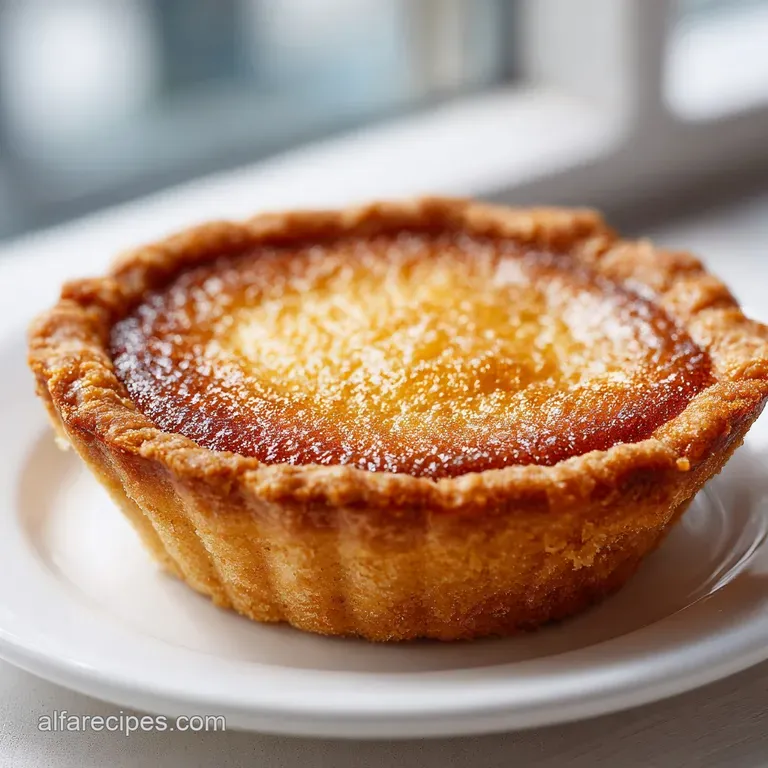
- Time: Active 15 minutes, Passive 45 minutes, Total 1 hours
- Flavor/Texture Hook: A buttery, silky smooth custard with a wafer thin, sugary crust.
- Perfect for: Holiday gatherings, Sunday dinners, or when you need a pantry staple dessert.
- Why Most Chess Pie Recipes Yield Soggy Results
- Why This Works
- Technical Specifications for the Perfect Custard Ratio
- Selecting high-quality Components for a Balanced Filling
- Essential Tools for Consistent Baking Success Every Time
- Executing the Technique for a Flawless Crackly Top
- Diagnosing Common Baking Failures with Precision Solutions
- Scaling This Recipe for Larger Gatherings
- Innovative Flavor Variations for Your Southern Dessert Table
- Myths Regarding the Origin and Chemistry of Chess Pie
- Preserving Texture Through Proper Storage and Temperature Control
- Enhancing the Presentation with Strategic Serving Options
- Summary Checklist for Success
- Recipe FAQs
- 📝 Recipe Card
Why Most Chess Pie Recipes Yield Soggy Results
Imagine walking into a kitchen where the air is thick with the scent of browning butter and the sharp, bright tang of vinegar. You pull a golden disc from the oven, and as it hits the counter, you hear that faint, musical crackle of the sugar crust settling. That is the hallmark of a truly successful bake.
For years, I watched my grandmother whip these up with "a pinch of this" and "a scoop of that," but when I tried to recreate it, I ended up with a weeping, overly sweet mess. It took me years of testing to realize that this isn't just a "dump and stir" recipe; it's a lesson in moisture management and protein stability.
The secret I discovered isn't in a hidden ingredient, but in the sequence of events. When you just throw everything into a bowl, the sugar doesn't fully dissolve, and the eggs can't properly emulsify with the butter. This leads to a pie that tastes like sweetened scrambled eggs rather than a sophisticated custard.
By understanding how the cornmeal interacts with the liquid and how the vinegar prevents the eggs from tightening up too much, we can achieve a texture that is dense yet delicate. This recipe is designed to give you that exact result every single time without the guesswork.
We are aiming for a specific structural outcome here. You want a crust that shatters, a filling that holds its shape but melts on the tongue, and a flavor profile that keeps you coming back for a second slice. I've stripped away the fluff and focused on the mechanics that actually matter.
Whether you're a seasoned baker or this is your first foray into southern pie recipes, this approach guarantees a professional finish that will have everyone asking for your "secret" technique.
Why This Works
- Acidic Protein Relaxation: The vinegar acts as a stabilizer for the egg proteins, preventing them from over coagulating and becoming rubbery or "eggy" in flavor.
- Starch Suspension: Cornmeal provides tiny islands of starch that absorb excess moisture and provide structural "scaffolding" for the heavy sugar butter mixture.
- Emulsification Stability: Slowly streaming melted butter into the egg sugar base creates a permanent fat in-water emulsion, ensuring the pie doesn't separate or become greasy during the bake.
- Sucrose Recrystallization: The high sugar content, when undisturbed in the final stages of baking, migrates to the surface to form a thin, glassy meringue like crust.
- Blind Bake Barrier: Pre sealing the crust with an egg white wash creates a hydrophobic layer that prevents the liquid custard from migrating into the pastry.
| Method | Texture | Flavor Profile | Best Used For |
|---|---|---|---|
| Freshly Whisked | Silky, velvety, uniform | Bright, buttery, clean | Professional dinner parties |
| Shortcut (Store Mix) | Grainy, dense, heavy | Artificially sweet, muted | Quick potlucks |
| No Blind Bake | Soggy, gummy bottom | Diluted by pastry moisture | Never (avoid this method) |
Choosing the right method is the difference between a dessert that is merely edible and one that is memorable. When you take the time to build the emulsion properly, you're not just making a pie; you're conducting a small kitchen experiment that results in a perfectly set custard.
Trusting the process means respecting the cooling times and the temperature of your butter.
Technical Specifications for the Perfect Custard Ratio
In our quest for the ultimate Chess Pie, we have to look at the individual roles each component plays. This isn't just about mixing things together; it's about how the molecules interact under heat.
For instance, the cornmeal isn't just there for a rustic feel; its amylopectin content is vital for thickening the custard at a lower temperature than flour alone could manage. This prevents the eggs from overheating and curdling before the pie is set.
| Component | Science Role | Pro Secret |
|---|---|---|
| Granulated Sugar | Hygroscopic sweetener | Whisk until the mixture turns pale to ensure full dissolution. |
| Yellow Cornmeal | Texture & structural scaffolding | Use a fine grind to avoid a gritty "sand" feel in the custard. |
| White Vinegar | pH regulator & protein stabilizer | This provides the "tang" that cuts through the 300g of sugar. |
| Unsalted Butter | Fat & mouthfeel carrier | Melt and cool to room temp; hot butter will cook the eggs prematurely. |
Selecting high-quality Components for a Balanced Filling
When sourcing your ingredients for this classic chess pie, precision is your best friend. I always recommend using a kitchen scale for the dry ingredients, especially the cornmeal and flour, because a "tablespoon" can vary wildly depending on how you scoop it.
For the butter, high-quality European style butter with a higher fat content will yield a richer mouthfeel, though standard unsalted butter works perfectly well for a traditional old fashioned chess pie.
- Chilled 9 inch Pie Shell: Use a high fat pastry. Why this? A flaky, sturdy base is needed to support the dense filling.
- Large egg white: For the "seal." Why this? Prevents the "soggy bottom" syndrome by waterproofing the crust.
- 3 Large eggs: The structural binder. Why this? Provides the protein network needed for the custard to set.
- 300g granulated sugar: The primary sweetener. Why this? Creates the characteristic crackly top through surface evaporation.
- 115g unsalted butter: The fat source. Why this? Carries the vanilla flavor and provides a silky texture.
- 15g finely ground yellow cornmeal: The thickener. Why this? Gives the pie its iconic Southern body and bite.
- 8g all purpose flour: Secondary binder. Why this? Works with the cornmeal to ensure a clean slice.
- 60ml whole milk: The liquid base. Why this? Thins the custard just enough to keep it pourable and light.
- 15ml white vinegar: The acid. Why this? Essential for flavor balance and egg protein management.
- 5ml pure vanilla extract: The aromatic. Why this? Rounds out the sweetness with floral notes.
- 2g fine sea salt: The enhancer. Why this? Sharpens all other flavors and prevents the sugar from being cloying.
| Original Ingredient | Substitute | Why It Works |
|---|---|---|
| White Vinegar | Lemon Juice | Same acidity levels. Note: Adds a citrus note common in "Lemon Chess." |
| Whole Milk | Heavy Cream | Higher fat content. Note: Results in a much denser, fudgier pie. |
| Yellow Cornmeal | White Cornmeal | Identical starch profile. Note: Filling will be paler and lack the golden hue. |
Using the right substitutions is key. If you decide to go with lemon juice, you're effectively making a version of easy southern desserts often found at church socials. However, the white vinegar is what gives the truly "old fashioned" flavor profile that sets a standard Chess Pie apart from a basic custard tart.
Essential Tools for Consistent Baking Success Every Time
You don't need a lab full of equipment, but a few specific tools will make your life significantly easier. A heavy duty whisk is non negotiable; you need to incorporate air and dissolve the sugar properly.
I prefer a glass or ceramic pie dish because they conduct heat more evenly than thin metal pans, which can cause the edges of your crust to burn before the middle is set.
Chef's Tip: If you don't have pie weights, dry beans or even granulated sugar (placed in parchment) work perfectly to keep the crust from bubbling up during the blind bake.
If you’re planning on making a Tomato Pie recipe later in the week, keep that pie dish handy, as the thermal properties of ceramic are just as beneficial for savory bakes as they are for this sweet custard. Consistent heat is the enemy of a runny pie, so choosing the right vessel is half the battle.
Executing the Technique for a Flawless Crackly Top
- Preheat the oven to 375°F (190°C). Note: Starting hot ensures the pastry "sets" its shape immediately.
- Prick the bottom of your chilled pie shell with a fork and blind bake with weights for 10 minutes.
- Brush the par baked crust with the egg white. Note: This creates the moisture barrier we discussed earlier.
- Bake for an additional 2 minutes until the egg white is dry and shiny.
- Whisk the 3 eggs and 300g sugar in a large bowl until the mixture is pale and thick.
- Stream in the 115g melted (and cooled!) butter while whisking constantly.
- Sift in the 15g cornmeal, 8g flour, and 2g salt, then stir until no lumps remain.
- Incorporate the 60ml milk, 15ml vinegar, and 5ml vanilla until the custard is completely smooth.
- Lower the oven temperature to 350°F (175°C) and pour the filling into the crust.
- Bake for 35 to 40 minutes until the edges are set and the center has a slight, jelly like jiggle.
Diagnosing Common Baking Failures with Precision Solutions
Why Your Filling Is Runny
If you pull the pie out and the center sloshes like water, it hasn't reached the necessary internal temperature for the proteins and starches to lattice. This usually happens if the oven wasn't properly calibrated or if the butter was added while it was still piping hot, which can "scramble" parts of the egg and prevent a cohesive set.
| Problem | Root Cause | Solution |
|---|---|---|
| Soggy Bottom | Steam trapped under filling | Always blind bake and use an egg white wash to seal the pastry. |
| Greasy Surface | Emulsion broke | Whisk the butter in very slowly. Ensure butter is room temp, not hot. |
| Grains in Custard | Undissolved sugar | Whisk eggs and sugar for at least 2 minutes before adding other liquids. |
Why The Top Didn't Crackle
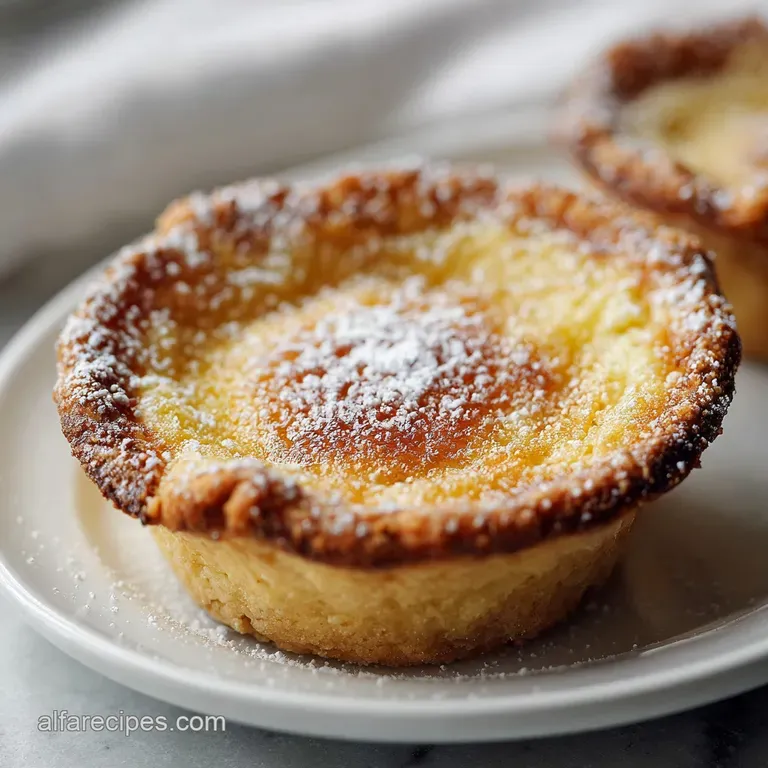
The "crackly top" is a thin layer of sugar that has migrated to the surface and dried out. If your kitchen is very humid, or if you didn't whisk the eggs and sugar long enough, this layer won't form.
Also, avoid over stirring once the pie is in the oven; you want that surface to remain undisturbed so the sugar crust can develop.
Common Mistakes Checklist:
- ✓ Skipping the blind bake (this is the #1 cause of failure).
- ✓ Adding the butter too fast (breaks the emulsion).
- ✓ Over baking until the center is hard (it should still jiggle slightly!).
- ✓ Using "coarse" cornmeal instead of fine (creates a gritty texture).
- ✓ Not allowing the pie to cool completely before slicing.
Scaling This Recipe for Larger Gatherings
When you need to feed a crowd, scaling a custard pie requires a bit of math to maintain the texture. You can't just double everything and hope for the best, especially with the spices and the acid.
For a double batch, I recommend using two separate 9 inch pie pans rather than one giant one, as the middle of a larger pie will never set before the edges burn.
- To Double (2 Pies): Double the eggs, sugar, butter, and milk. However, only use 1.5x the vinegar and salt to avoid an overpowering sharp flavor.
- To Half (Small Tart): Use 2 small eggs instead of 1.5. Reduce the bake time by about 10 minutes, as the shallower filling will set much faster.
| Servings | Ingredient Adjustments | Pan Size | Cook Time |
|---|---|---|---|
| 4 people | Half ingredients (use 2 eggs) | 6 inch pan | 25 minutes |
| 8 people | Standard recipe | 9 inch pan | 45 minutes |
| 16 people | Double recipe | Two 9 inch pans | 45 minutes |
If you find yourself needing more easy pie recipes for a big event, remember that the prep time for two pies is barely more than for one. Since the custard is so stable, you can have both shells blind baked and ready to go, then just whisk up the filling in one large bowl and split it between the two.
Innovative Flavor Variations for Your Southern Dessert Table
While the classic version is iconic, the "Chess" framework is incredibly versatile. It's essentially a blank canvas for fats and acids. You can swap the vinegar for citrus or add cocoa to turn this into a homemade chocolate chess pie. The key is keeping the moisture ratios consistent so the custard still sets.
1. Homemade Chocolate Chess Pie
To make a chocolate version, sift 30g of high-quality unsweetened cocoa powder in with the flour and cornmeal. You may want to increase the milk by 10ml to compensate for the drying effect of the cocoa. This results in a fudgy, brownie like interior with that same signature crackly top.
It's one of the best holiday dessert recipes for those who find the original a bit too "vanilla."
2. The Bourbon and Pecan Swap
For a more "grown up" version, replace the vanilla extract with 15ml of high-quality bourbon. You can also sprinkle 50g of finely chopped toasted pecans onto the bottom of the crust before pouring in the filling. The nuts will rise slightly, creating a textured layer just beneath the sugar crust.
This variation is a staple among southern pie recipes for Thanksgiving.
Myths Regarding the Origin and Chemistry of Chess Pie
One of the biggest misconceptions is that the name comes from "Chest Pie" (because it kept well in a pie chest) or "It's jes' pie" (in a Southern accent). While these are charming stories, the chemistry suggests it’s a descendant of the English lemon curd pie.
When lemons were unavailable in the American South, vinegar was substituted to provide the necessary acid for the custard to set.
Another myth is that you need to use cornstarch instead of cornmeal. While cornstarch will thicken the pie, it removes the "bite" and the characteristic golden color that makes a chess pie recipe authentic. The cornmeal isn't just a thickener; it's a texture agent.
Without it, you simply have a plain custard pie, which lacks the rustic soul of this Southern classic.
Finally,, many people believe that you must refrigerate the pie immediately. In reality, the high sugar and acid content make this pie quite shelf stable. In fact, the texture is often much better when enjoyed at room temperature, as the butter stays soft and the custard remains velvety.
Cold temperatures can make the butter seize, resulting in a firmer, less luxurious mouthfeel.
Preserving Texture Through Proper Storage and Temperature Control
Storage Guidelines: You can keep your Chess Pie at room temperature, covered loosely with foil or a pie dome, for up to 2 days. The sugar crust will eventually soften due to humidity, so if you live in a damp climate, the fridge might be necessary after the first 24 hours.
In the refrigerator, the pie will stay fresh for up to 5 days.
Freezing Instructions: Surprisingly, Chess Pie freezes beautifully. Wrap the fully cooled pie tightly in plastic wrap, then a layer of aluminum foil. It will keep for up to 3 months.
To serve, thaw it overnight in the fridge and then let it come to room temperature on the counter for 2 hours to restore that silky texture.
Zero Waste Tip: Don't throw away the egg white from the eggs used in the filling! Since you only need one egg white for the crust seal, you can save the remaining whites to make a small batch of meringues or add them to your morning omelet.
Plus,, if you have leftover crust scraps, toss them in cinnamon sugar and bake them alongside the pie for a quick "chef's snack."
Enhancing the Presentation with Strategic Serving Options
While a slice of this pie is a powerhouse on its own, a few simple additions can balance the sweetness. A dollop of unsweetened whipped cream or a spoonful of tart crème fraîche provides a cooling contrast to the dense, sugary custard.
If you've made the chocolate version, a sprinkle of flaky sea salt on top right before serving will make the chocolate flavor pop.
For a true Southern experience, serve a slice slightly warm with a cup of strong, black coffee. The bitterness of the coffee cuts right through the richness of the butter and sugar, cleaning your palate between every decadent bite.
If you’re looking for a fruit pairing, fresh raspberries or blackberries provide a necessary burst of acidity that complements the vinegar tang in the filling. Whatever you choose, keep it simple the pie is the star of the show.
Summary Checklist for Success
Before you start, make sure you've checked these three vital points: - Is your butter melted and cooled to room temperature? - Have you set your oven to 375°F for the blind bake, then lowered it to 350°F for the filling?
- Do you have fine ground cornmeal rather than coarse polenta?
Once those are in order, you are ready to create a masterpiece. This recipe is more than just a dessert; it’s a piece of culinary history that, when executed with precision, remains one of the most satisfying bakes in the repertoire of any home cook. Enjoy the crackle!
Recipe FAQs
Why is this Southern staple called a chess pie?
The name likely stems from a linguistic shift from "cheese" to "chess." It is commonly believed that because this pie lacks cheese, early bakers referred to it as "just pie," which eventually evolved into "chess pie" through regional dialect.
Is it true Bill Clinton considered chess pie his favorite dessert?
Yes, he has frequently expressed his fondness for this Southern classic. It is widely documented as one of his favorite comfort foods that reminds him of his Arkansas roots.
How does a chess pie differ from a buttermilk pie?
Focus on the acid and liquid ratios. While both use a cornmeal thickened custard, chess pie relies on a small amount of vinegar for tang, whereas buttermilk pie uses the buttermilk itself as the primary acidic, liquid base.
Is Barack Obama known for choosing chess pie as a personal favorite?
No, this is a common misconception. While he enjoys many classic American desserts, chess pie is not documented as his specific favorite.
How to ensure the top of the pie develops a signature crackly crust?
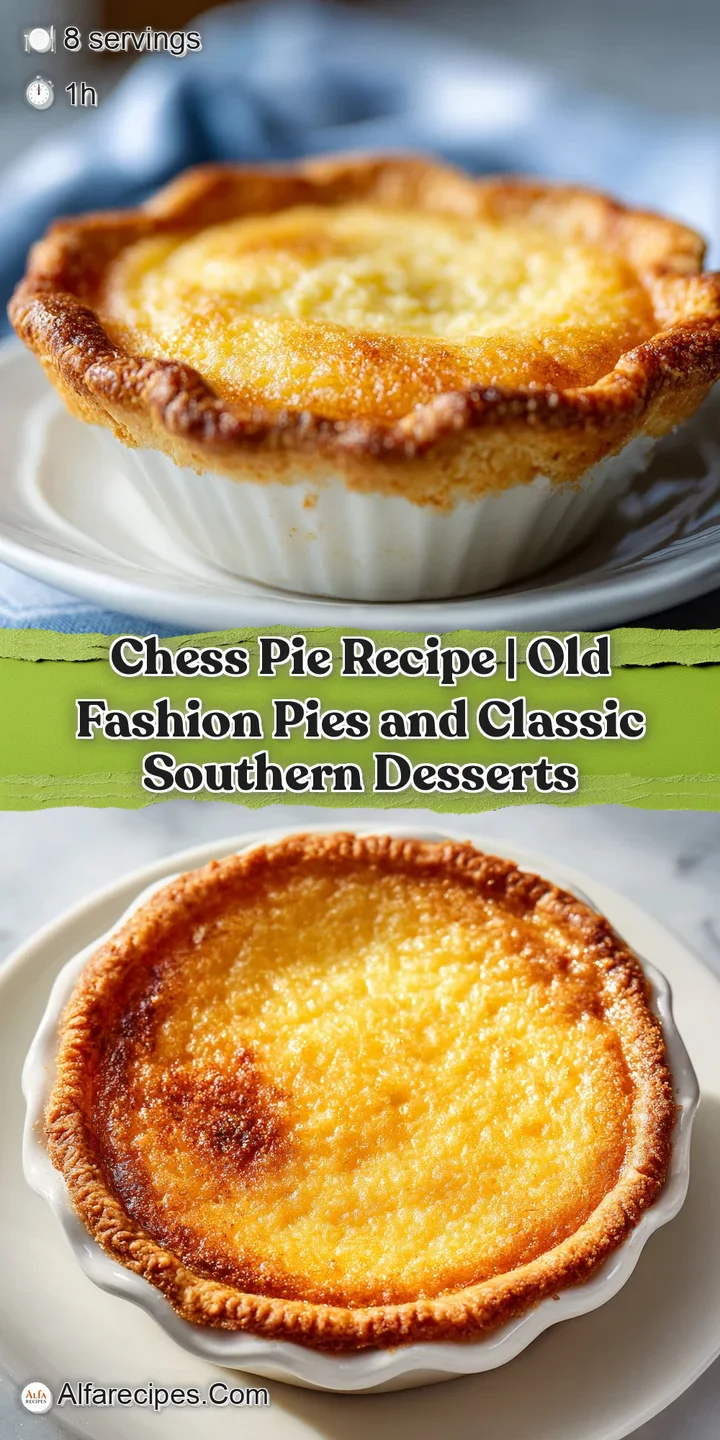
Whisk the eggs and 300g sugar vigorously until the mixture lightens in color. This aeration combined with the specific 15g cornmeal and 8g flour ratio is essential for forming that delicate, shatter top finish during the 35 40 minute bake time.
How to avoid a soggy crust when baking?
Blind bake the shell for 10 minutes before adding the filling. Brushing the crust with an egg white and baking for an additional 2 minutes creates a necessary moisture barrier that prevents the custard from soaking into the pastry.
How to tell when the pie is finished baking?
Look for set edges and a slight jiggle in the center. Remove the pie from the oven after 35 40 minutes at 350°F (175°C); the center will firm up as it cools completely on a wire rack.
Classic Southern Chess Pie
Ingredients:
Instructions:
Nutrition Facts:
| Calories | 418 kcal |
|---|---|
| Protein | 4.9 g |
| Fat | 21.2 g |
| Carbs | 53.4 g |
| Fiber | 0.6 g |
| Sugar | 37.8 g |
| Sodium | 205 mg |
