The Gold Standard Homemade Shortbread Cookies
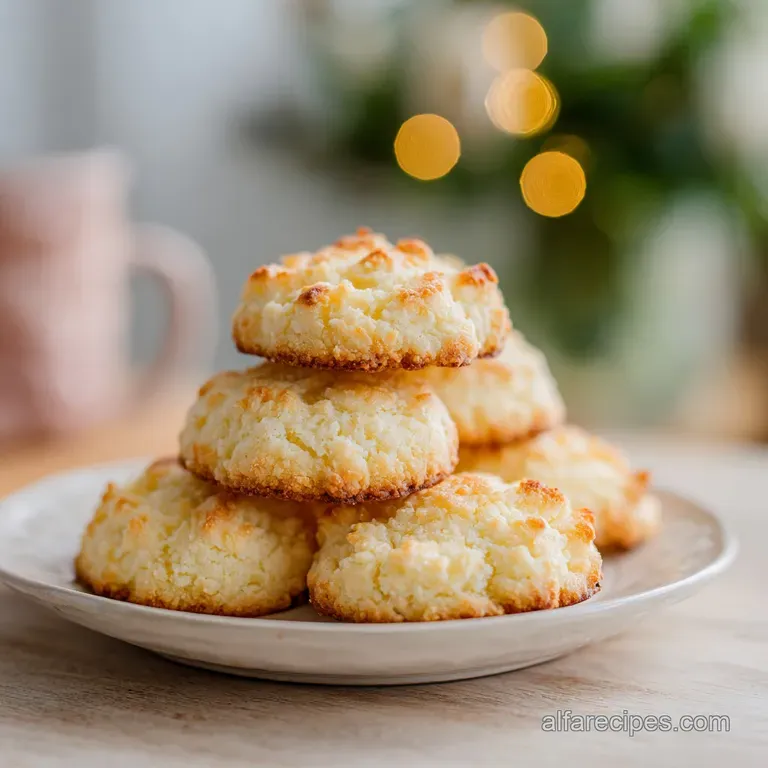
- Time: Active 80 minutes, Passive 25 minutes, Total 105 minutes
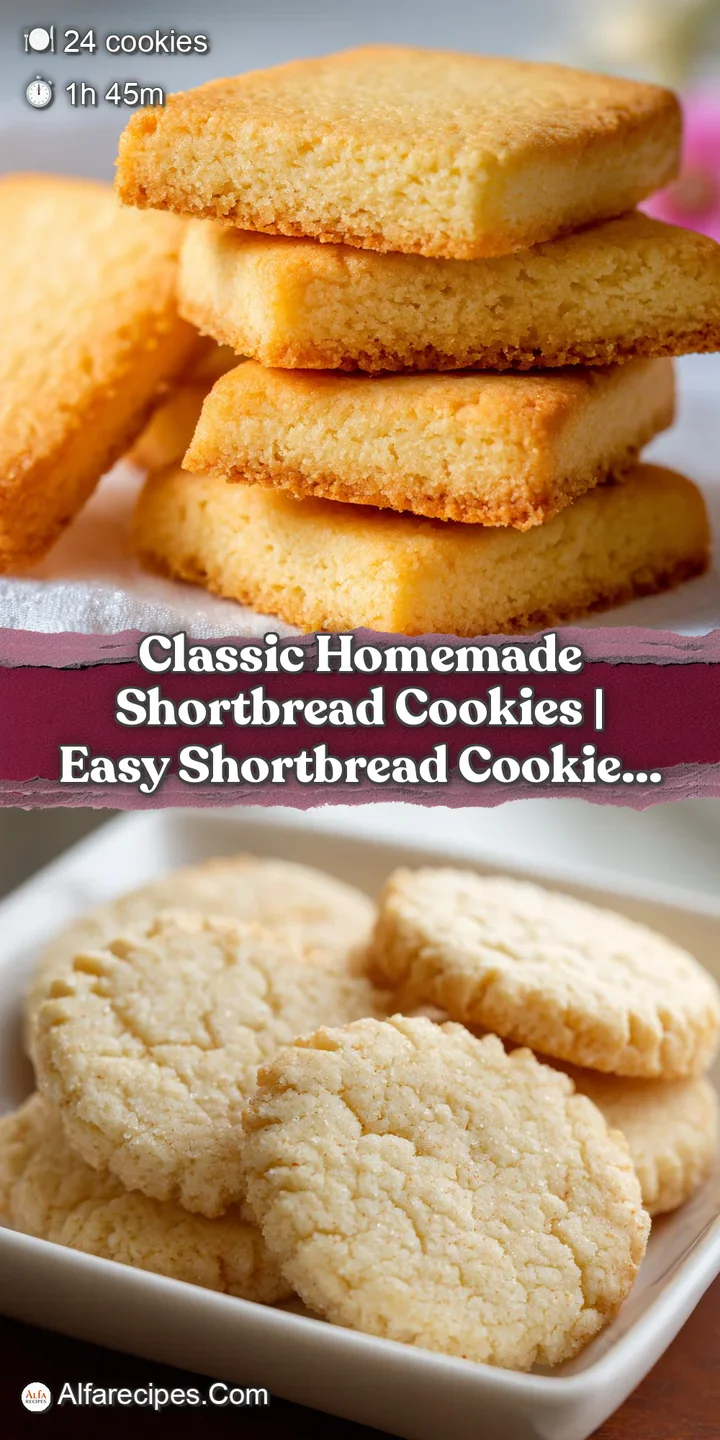
- Flavor/Texture Hook: Buttery, crisp, and sandy with a delicate vanilla finish
- Perfect for: Holiday gifting, afternoon tea, or scientific baking practice
- Scientific Secrets Behind a Shortbread Cookies Recipe
- Technical Specifications for Baking Success
- Analyzing the Essential Component Science
- Required Equipment for Precision Results
- Executing the Phase Based Preparation
- Correcting Common Structural Failures
- Adapting the Formula for Diversity
- Myths Regarding the Shortbread Process
- Preservation and Integrity Maintenance
- Presentation Strategies for Maximum Impact
- Recipe FAQs
- 📝 Recipe Card
Scientific Secrets Behind a Shortbread Cookies Recipe
The aroma of cold butter hitting granulated sugar is a specific sensory marker in my kitchen that signals the start of the holiday season. I remember standing in my grandmother’s drafty kitchen, watching her work the dough by hand until her knuckles were red, insisting that the heat from her palms was the "secret ingredient." While I loved that sentiment, my inner scientist eventually realized that human warmth was actually the enemy of a crisp, short crumb.
After switching to a methodical, temperature controlled approach, I finally achieved that legendary "shatter" that makes a shortbread cookies recipe truly world class.
This isn't just about mixing flour and fat; it is about managing the structural integrity of a delicate lipid starch matrix. We aren't looking for the chewy stretch of a brownie or the airy lift of a sponge cake. We are aiming for a refined, sandy texture that dissolves on the tongue.
By keeping the butter at exactly 65°F, we ensure it is soft enough to integrate but firm enough to coat the flour proteins, preventing them from bonding into tough gluten strands.
The result of this precision is a cookie that feels substantial but breaks with the slightest pressure. It is a masterclass in minimalism, where the quality of your vanilla bean paste and the exactness of your oven temperature dictate the final outcome.
Whether you are baking these for a neighborhood exchange or just to test your technical skills, this method removes the guesswork and replaces it with repeatable, clinical success.
Technical Specifications for Baking Success
Understanding the "why" behind this shortbread cookies recipe allows us to move from following instructions to mastering the medium. This recipe works because we are intentionally inhibiting gluten. Usually, in bread or pizza, we want gluten to be strong and elastic.
In shortbread, we want the "short" a term that historically refers to the fat "shortening" or breaking up the protein chains.
- Lipid Coating: When we mix butter with flour before adding liquid, the fat surrounds the flour particles. This creates a physical barrier that prevents water (from the butter or vanilla) from reaching the flour proteins, which is the only way gluten can form.
- Starch Gelatinization: During the 25 minutes in the oven, the starches in the flour absorb the melting butter and expand. Since there is very little moisture, they don't fully "explode," which keeps the cookie dense and crumbly rather than light and cakey.
- Sugar Recrystallization: Using granulated sugar instead of powdered sugar provides a slight structural "grit" that enhances the snap. As the cookie cools, the sugar re hardens, locking the butter coated flour in place.
- Thermal Rest: The 60 minutes of chilling is non negotiable. It allows the flour to fully hydrate and the butter to re solidify. This ensures that when the heat hits the dough, the cookies don't spread into a greasy puddle but instead maintain their sharp, defined edges.
Fast vs Classic Comparison
| Feature | Fast Method (Room Temp) | Classic Science (Chilled) | Texture Result |
|---|---|---|---|
| Butter State | Soft/Melted | Cool (65°F) | Classic is crisp; Fast is greasy |
| Gluten Rest | 0 minutes | 80 minutes | Classic is tender; Fast is tough |
| Visual Cue | Spread edges | Sharp, clean lines | Classic is professional grade |
This table illustrates why we prioritize the 105 minutes of total time. Rushing the process changes the molecular behavior of the fats, resulting in a cookie that lacks that signature "snap."
Analyzing the Essential Component Science
Selecting the right ingredients for this shortbread cookies recipe is about purity and protein content. Because there are so few elements, any sub par component will be immediately detectable in the final flavor profile.
| Ingredient | Science Role | Pro Secret |
|---|---|---|
| Unsalted Butter | Primary lipid/flavor | Use European style for higher fat and lower water content. |
| All Purpose Flour | Structural scaffold | Sift twice to ensure even distribution of fat without overmixing. |
| Granulated Sugar | Sweetener and texturizer | Rub the sugar with vanilla bean paste first to release aromatic oils. |
| Fine Sea Salt | Flavor enhancer | Salt cuts through the fat, making the butter taste "brighter." |
One of the most common questions I get is whether we can skip the sifting. In this scientific approach, sifting is a requirement. It aerates the flour, ensuring that when it hits the butter, it incorporates instantly.
This prevents you from having to over work the dough, which would otherwise lead to a tough, bready cookie.
Ingredient List and Substitutions
- 1 cup (225g) unsalted butter: Slightly cool (65°F). Why this? Provides the structural fat and signature melt in-mouth feel.
- Sub: Vegan butter sticks (high fat). Note: Results in a softer, more fragile crumb.
- 1/2 cup (100g) granulated sugar: Standard white sugar. Why this? Creates a crisp snap unlike the softness of powdered sugar.
- Sub: Superfine sugar. Works beautifully for an even more delicate texture.
- 2 cups (250g) all purpose flour: Sifted. Why this? Provides the perfect protein balance (10-11%) for a tender biscuit.
- Sub: Eggless cookie recipe techniques often use similar starch ratios.
- 1/2 tsp (3g) fine sea salt: Non iodized. Why this? Balances the sweetness and enhances the dairy notes of the butter.
- Sub: Table salt. Use 1/4 tsp to avoid over salting due to grain size.
- 1 tsp (4g) pure vanilla bean paste: Or extract. Why this? Adds depth and visual "specks" of vanilla for a premium look.
- Sub: Almond extract. Adds a nutty, floral profile that pairs well with tea.
- 1 tbsp (12g) coarse sanding sugar: For topping. Why this? Adds a necessary crunch and professional aesthetic finish.
- Sub: Demerara sugar. Adds a slight molasses undertone and golden color.
Required Equipment for Precision Results
To achieve laboratory grade results with this shortbread cookies recipe, your tools need to be as precise as your ingredients. Using a scale is the only way to guarantee the 250g of flour is accurate, as measuring by volume (cups) can vary by as much as 20% depending on how tightly the flour is packed.
- Digital Kitchen Scale: Essential for the 250g flour and 225g butter measurements.
- Stand Mixer or Handheld Mixer: Used to create the "pale paste" without incorporating too much air.
- Fine Mesh Sieve: For the mandatory sifting of the 2 cups of flour.
- Parchment Paper: Prevents sticking and facilitates the 60 minutes of chilling.
- Rolling Pin with Spacer Rings: Ensures an even 3/4 inch thickness across the entire batch.
- Bench Scraper: Perfect for cutting traditional "fingers" with clinical precision.
Chef's Tip: Freeze your flour for 15 minutes before sifting. Cold flour helps keep the butter from softening too quickly during the mixing phase, preserving the "short" texture.
Executing the Phase Based Preparation
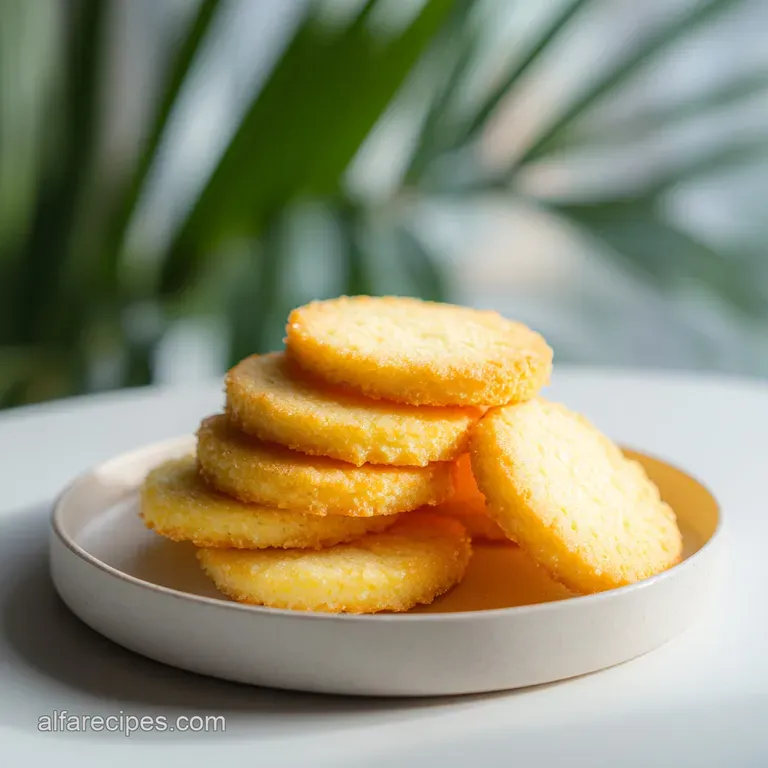
- Prepare the base: In a large bowl, beat the 1 cup of cool room butter and 1/2 cup of granulated sugar together. Aim for a pale, smooth paste rather than a fluffy cake like consistency.
- Infuse flavor: Mix in the 1 tsp of vanilla bean paste at the end of the creaming step until just combined.
- Sift the dry goods: Sift the 2 cups of all purpose flour and 1/2 tsp of fine sea salt directly into the creamed butter mixture. Note: This ensures no lumps and immediate integration.
- Integrate carefully: Use a low mixer speed or spatula to fold the flour in. Stop immediately once the dough resembles damp sand and begins to clump together.
- Shape for chilling: Turn the dough onto parchment paper and press into a disk or rectangle approximately 3/4 inch thick.
- Seal and rest: Wrap tightly and chill in the refrigerator for at least 60 minutes until the dough feels firm and cold.
- Calibrate the environment: Preheat oven to 325°F (160°C). Prepare a baking sheet with fresh parchment paper.
- Define the cookies: Cut chilled dough into desired shapes. If making fingers, use a fork to prick the surface for even steam release.
- Add texture: Sprinkle with 1 tbsp of coarse sanding sugar across the top of all 24 cookies.
- Bake for success: Bake for 25 minutes until the edges are just barely a pale mahogany hue. Let cool completely on a wire rack to set the crumb.
If you are a fan of more textured bakes, you might also enjoy experimenting with a crunchy oatmeal cookies formula which uses similar principles of fat to starch ratios but adds whole grains for a different structural experience.
Correcting Common Structural Failures
Shortbread is deceptively simple, which means when something goes wrong, the cause is usually related to temperature or timing. The most frequent issue is the "greasy spread," which happens when the butter melts before the flour structure has had time to set in the oven.
Troubleshooting Structural Issues
| Problem | Root Cause | Solution |
|---|---|---|
| Cookies are tough | Overworking the dough | Stop mixing as soon as the "damp sand" stage is reached. |
| Greasy, flat cookies | Butter was too warm | Ensure the 60 minutes of chilling is strictly followed. |
| Crumbly/Falling apart | Not enough hydration | Ensure the butter is exactly 225g; don't use "light" butter. |
Common Mistakes Checklist
- ✓ Ensure the oven is fully preheated to 325°F before the cookies go in; a cool oven causes slow melting and spreading.
- ✓ Don't skip the "docking" (pricking with a fork), as this allows steam to escape and prevents the center from puffing.
- ✓ Use a metal baking sheet rather than glass, as metal conducts heat more efficiently for a crisper bottom.
- ✓ Let the cookies cool completely on the pan for 10 minutes before moving to a rack; they are fragile when hot.
- ✓ Avoid using powdered sugar if you want the classic snap; the cornstarch in powdered sugar makes them too soft.
Adapting the Formula for Diversity
While the classic shortbread cookies recipe is a masterpiece of simplicity, it serves as an excellent blank canvas for scientific variation. You can modify the flavor profile without compromising the structural integrity of the 1:2:4 ratio (one part sugar, two parts butter, four parts flour by weight).
Scaling the Recipe
- Scaling Down (12 cookies): Use 1/2 cup butter, 1/4 cup sugar, and 1 cup flour. Reduce the 60 minutes of chilling to 40 minutes as the smaller mass cools faster.
- Scaling Up (48 cookies): Double all ingredients but increase salt only to 3/4 tsp. Work in two batches for the 25 minutes of baking to avoid overcrowding the oven, which can lead to uneven temperature distribution.
- Altitude Adjustments: Above 3,000 feet, increase the oven temp to 335°F and reduce sugar by 1 tablespoon to prevent the structure from collapsing.
If you are looking for a completely different profile, you might try a traditional Mexican cookies recipe, which often uses different fats like lard or shortening to achieve a unique, crumbly texture that is distinct from the European butter heavy style.
Decision Shortcuts
- If you want a "melt away" texture: Replace 1/4 cup of the flour with cornstarch. This lowers the protein content even further.
- If you want "whipped" shortbread: Beat the butter for 5 full minutes before adding sugar to incorporate micro air bubbles.
- If you want a savory twist: Replace the vanilla with 1 tbsp of finely chopped rosemary and increase the sea salt to 1 tsp.
Myths Regarding the Shortbread Process
One common misconception is that you need "special" shortbread flour. In reality, standard all purpose flour is perfectly calibrated for this. The trick isn't the flour type, but how you treat the proteins within it. Another myth is that the dough needs to be "kneaded" to be smooth.
In truth, the less you touch the dough, the better. Your hands are roughly 98°F, which is 33 degrees higher than our target butter temperature. Every second you handle the dough, you are risking a greasy finish.
Finally,, many people believe that shortbread should be dark brown. Real shortbread should be a pale, sandy gold. If it looks like a standard chocolate chip cookie in color, it has been overbaked, and the delicate notes of the butter will be replaced by bitter, toasted flour.
Preservation and Integrity Maintenance
Because this shortbread cookies recipe has a very low moisture content (high "shelf stability" in scientific terms), it stores remarkably well. The fats in the butter are the primary concern for long term storage, as they can eventually oxidize if exposed to too much air.
- Room Temperature: Store in an airtight container for up to 7 days. The flavor actually "ripens" and improves after the first 24 hours.
- Freezer Storage: These cookies freeze beautifully for up to 3 months. Wrap them in groups of four in plastic wrap, then place them in a heavy duty freezer bag.
- Reheating: To restore the snap of a stored cookie, place it in a 300°F oven for 3-5 minutes. This "recrisps" the starches and refreshes the butter aromas.
- Zero Waste Tip: If you have broken pieces or "crumbs" at the bottom of the jar, pulse them in a food processor. This makes an incredible buttery crust for cheesecakes or a topping for fruit crumbles. You can even use the leftover 1 tbsp of sanding sugar to sweeten your morning coffee.
Presentation Strategies for Maximum Impact
Serving this shortbread cookies recipe is about highlighting its clean lines and minimalist aesthetic. I prefer to serve these on a dark slate board or a simple white porcelain plate to contrast the pale golden hue of the biscuits.
Because they are quite rich due to the 1 cup of butter, they pair best with acidic or bitter beverages that can cut through the fat.
A strong Earl Grey tea with its bergamot notes or a dark roast coffee are the traditional choices. For a modern scientific pairing, try a dry sparkling cider; the effervescence and acidity act as a palate cleanser between bites of the buttery dough.
When gifting, stack the 24 cookies in a glass jar tied with a simple linen ribbon. Since they don't have sticky frostings or gooey centers, they stay looking pristine and professional for days.
Remember that the 25 minutes of baking is a guideline. Your visual cue that pale mahogany edge is the ultimate authority. Once you see that color, the structure is set, the sugars have caramelized just enough, and your shortbread is ready to be the star of the show.
Enjoy the process of precision, and your taste buds will certainly thank you for the scientific rigor.
Recipe FAQs
What is the secret to making good shortbread?
The secret is minimal mechanical action. Stop mixing immediately once the dough resembles damp sand so you avoid developing gluten, which ensures the short, melt-in-the-mouth texture you want.
What is the 321 rule for shortbread?
This refers to a ratio of 3 parts flour, 2 parts fat, and 1 part sugar by weight. Following this proportion creates the classic crumbly structure that defines authentic shortbread.
What are the 4 ingredients in traditional shortbread recipe?
The four core components are unsalted butter, granulated sugar, all-purpose flour, and fine sea salt. Pure vanilla bean paste is also commonly added for depth of flavor.
What is the difference between Scottish shortbread and normal shortbread?
There is no functional difference, as both rely on the same fundamental high fat, low-moisture technique. If you enjoyed mastering the fudgy texture achieved through fat control in our brownie recipe, you will recognize the same principle applied here to keep the shortbread tender.
How to fix cookies that are too greasy or flat?
Chill the dough for at least 60 minutes before baking. This solidifies the butter, which prevents the cookies from spreading too rapidly in the 325°F oven.
How to tell when shortbread is finished baking?
Remove them from the oven when the edges show a pale mahogany hue. Bake for 25 minutes and allow them to cool completely on a wire rack so the crumb structure sets properly.
How to avoid tough or chewy shortbread?
Do not overwork the dough during the mixing phase. Stop the mixer or spatula the moment the flour is incorporated to keep the texture delicate rather than dense or bread like.
Classic Homemade Shortbread Cookies
Ingredients:
Instructions:
Nutrition Facts:
| Calories | 124 kcal |
|---|---|
| Protein | 1.1 g |
| Fat | 7.7 g |
| Carbs | 12.6 g |
| Fiber | 0.3 g |
| Sugar | 4.7 g |
| Sodium | 48 mg |
