Pineapple Cucumber Salad: Zesty & Crisp
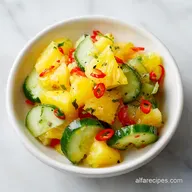
Fresh pineapple brings a tropical sweetness that cuts through the cooling crunch of cucumbers, making this an ideal pairing for grilled chicken or pork.
refreshing tropical flavors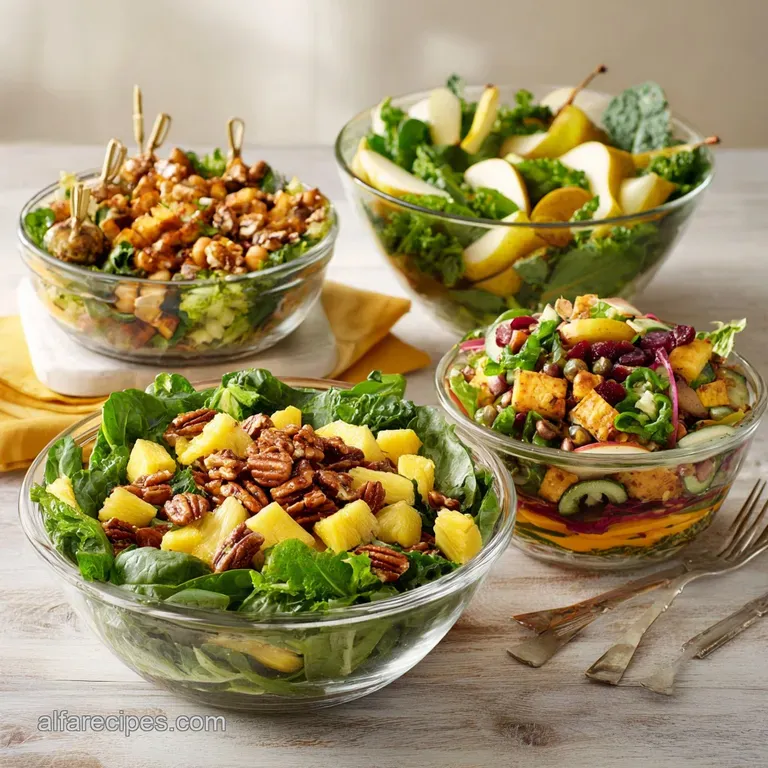
Salads often get a bad reputation as boring side dishes, but they're actually one of the most versatile ways to get nutrient-dense ingredients onto your plate. By focusing on varying textures—like the crunch of pecans or the snap of fresh asparagus—you can create a meal that feels both light and filling.
These recipes move beyond standard greens, incorporating fruits, legumes, and layered vegetables to keep things interesting. Whether you need a 10-minute side for a BBQ or a protein-packed lunch that travels well, these options rely on fresh produce and simple dressings to deliver consistent results.
Incorporating fruit into savory salads adds a natural sweetness that balances sharp vinaigrettes and earthy vegetables. These recipes use crisp pears and tropical pineapple to create refreshing profiles that work well as side dishes for grilled proteins or as light standalone lunches.
Vegetable preparation is just as important as the dressing itself. Using a quick steam for asparagus or a thin slice for cucumbers ensures every bite has the right texture. These methods keep the vegetables vibrant and tender-crisp rather than mushy, which is essential for a fresh-tasting salad.
Fresh pineapple brings a tropical sweetness that cuts through the cooling crunch of cucumbers, making this an ideal pairing for grilled chicken or pork.
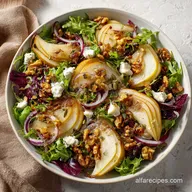
refreshing tropical flavorsCrisp autumn pears and crunchy pecans are tossed together in this elegant side dish, offering a sophisticated balance of sweet and earthy seasonal ingredients.
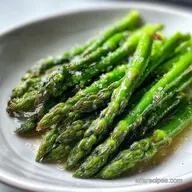
seasonal fall produceThis method produces tender-crisp spears that work beautifully as a warm salad base when drizzled with fresh lemon juice and a touch of olive oil.
steamed vegetable baseWhen a salad needs to serve as a main course, look toward legumes and layered proteins to provide staying power. Bean-based salads are particularly useful because they hold up well in the refrigerator, allowing the flavors of the tangy balsamic or herb dressings to meld without the ingredients becoming soggy.
Layered presentations are another way to keep ingredients fresh until you're ready to serve. By stacking heavier items like beans or yogurt-based layers at the bottom and keeping lighter elements near the top, you maintain the structural integrity of the dish.
This approach is ideal for transportable appetizers and hearty potluck sides.
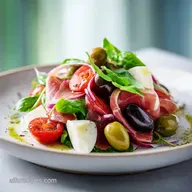
This Italian-inspired bowl combines cured meats and cheeses with a sharp balsamic dressing for a filling meal that comes together in only fifteen minutes.
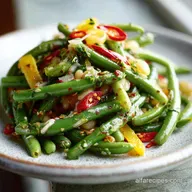
bold Italian meatsMultiple types of beans provide a fiber-heavy foundation for this salad, which stays crisp and tangy even after several days in the refrigerator.
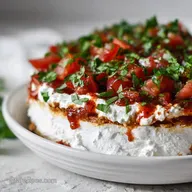
fiber-rich proteinA lighter take on a classic party favorite, this version uses Greek yogurt for the creamy layers to create a protein-rich, shareable appetizer dish.
yogurt-based layered appetizer| # | Recipes | Best For | Time | Difficulty |
|---|---|---|---|---|
| 1 | Pineapple Cucumber Salad | Summer BBQ side dish | 10 Minutes | Easy |
| 2 | Pear Salad with Pecans | Holiday dinner sides | 18 Minutes | Easy |
| 3 | Steamed Asparagus | Warm vegetable salad base | 20 Minutes | Beginner |
| 4 | Antipasto Salad | Quick high-protein lunch | 15 Minutes | Easy |
| 5 | Bean Salad with Tangy Vinaigrette | Meal prep and potlucks | 15 Minutes | Easy |
| 6 | Healthy 7-Layer Dip | Healthy party appetizers | 20 Minutes | Intermediate |
Discover more curated recipe collections
Explore more recipe collections →