Korean Vegetable Pancake Yachaejeon Recipe
- Time: Active 10 mins, Passive 0 mins, Total 20 mins
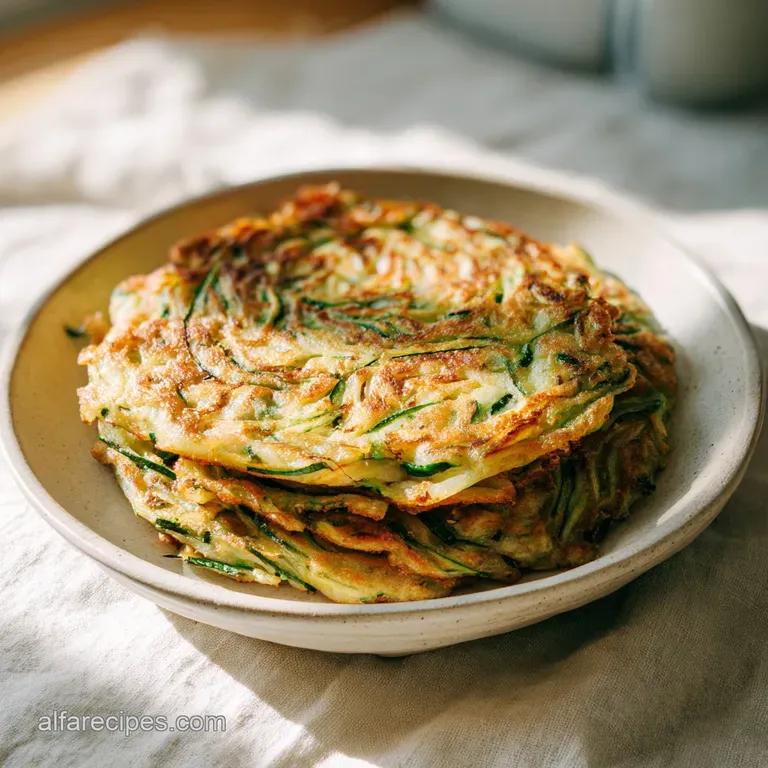
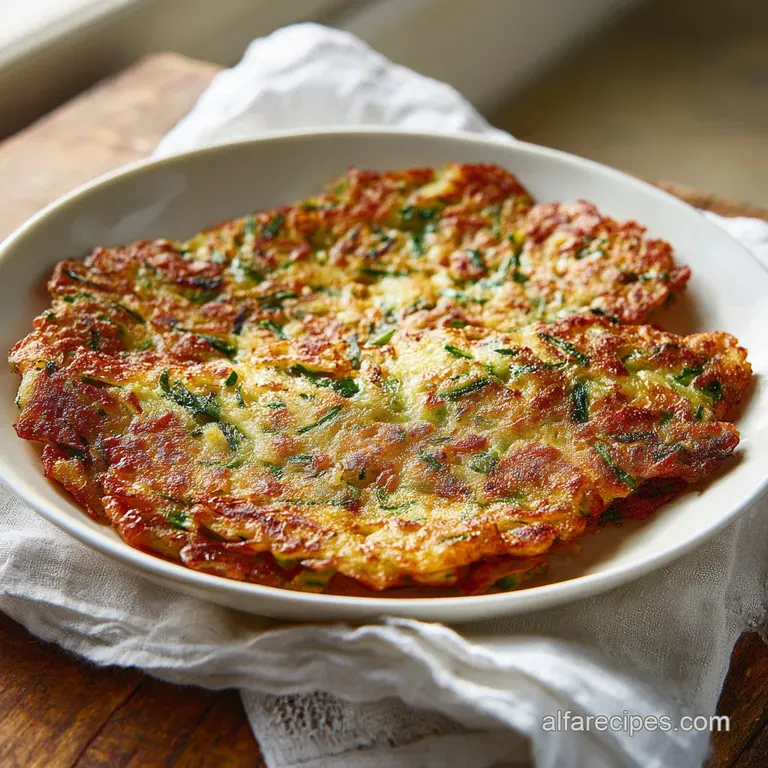
- Flavor/Texture Hook: Shatter crispy edges with tender, savory vegetable ribbons
- Perfect for: Fast weeknight dinners or a crowded family table
- Achieving the Perfect Crunch for Korean Vegetable Pancake Yachaejeon
- Why This Specific Method Works
- Understanding Your Ingredients and Their Roles
- Planning Your Prep for a Fast and Hearty Meal
- Assembling the Essential Elements for Your Vegetable Pancake Yachaejeon
- The Basic Tools for Your Kitchen Counter Success
- Step-by-Step Guide to Searing This Korean Vegetable Pancake
- Solving Texture Issues for Your Homemade Yachaejeon
- Adjusting the Ingredients to Fit Your Family's Table
- Common Kitchen Myths Debunked
- Keeping Your Leftover Pancakes Crispy and Ready to Eat
- Finding the Best Side Dishes for a Crowded Table
- Very High in Sodium
- Recipe FAQs
- 📝 Recipe Card
Achieving the Perfect Crunch for Korean Vegetable Pancake Yachaejeon
The first time I tried making this at home, I ended up with a sad, limp pile of oily vegetables. I remember standing over the stove, poking at the mushy center, wondering where I went wrong.
It turns out I was treating it like a standard breakfast pancake, but this dish is more about the sizzle and the structural integrity of the batter.
The magic happens when the cold batter hits the hot oil. You hear that immediate, aggressive hiss, and you know you're on the right track. My kids actually compete for the "shatter" pieces on the edges, which is why I've learned to spread the batter as thin as humanly possible.
This isn't just a side dish at our house, it's often the main event because it's so hearty and satisfying.
Why This Specific Method Works
- Gluten Suppression: Ice cold water prevents gluten from developing in the all purpose flour, which ensures the texture remains light rather than bread like.
- Starch Hybridization: Combining rice flour with wheat flour creates a thinner, more brittle crust that stays crispy for longer.
- Vapor Release: Thinly julienned vegetables create tiny air pockets in the batter, allowing steam to escape while the pancake fries.
| Method | Time | Texture | Best For |
|---|---|---|---|
| Cast Iron Skillet | 10 mins | Maximum shatter crisp edges | Authentic restaurant results |
| Non Stick Pan | 12 mins | Even browning, less oil needed | Easy cleanup and beginners |
| Air Fryer | 15 mins | Drier, more like a cracker | Low oil health conscious |
If you want a more substantial meal, this pancake pairs beautifully with my Korean Steak Bites recipe. The savory beef balances the fresh, bright crunch of the vegetables perfectly.
Understanding Your Ingredients and Their Roles
| Ingredient | Science Role | Pro Secret |
|---|---|---|
| Rice Flour | Inhibits gluten structure | Use fine milled flour for a lighter finish |
| Ice Cold Water | Temperature differential | Add a single ice cube to the batter bowl |
| Sweet Potato | Natural starch binder | Julienne into matchsticks for structural support |
Planning Your Prep for a Fast and Hearty Meal
To get this on the table in under 20 mins, focus on your knife skills first. The goal is uniformity. If the carrots are thick and the zucchini is thin, one will be crunchy while the other turns to mush.
I like to prep the dipping sauce while the pan is preheating so the sugar has time to dissolve into the rice vinegar and soy sauce.
The Secret to the Shatter
This involves the Maillard reaction and moisture evaporation. By keeping the batter cold and the pan hot, you create a thermal shock that sets the starch immediately. This prevents the oil from soaking into the flour, which is the main cause of greasiness.
Use a over high heat oil like grapeseed or canola to avoid smoking.
Assembling the Essential Elements for Your Vegetable Pancake Yachaejeon
For the Vegetable Base: 1 medium zucchini, julienned Why this? Provides moisture and a mild, earthy base flavor. 1 large carrot, julienned Why this? Adds sweetness and a firm, structural crunch. 0.5 medium yellow onion, thinly sliced 6 scallions, cut into
2 inch lengths 1 small sweet potato, julienned Why this? The starch helps the batter cling to the veggies. 1 Korean green chili, sliced
For the Batter: 0.75 cup all purpose flour 0.25 cup rice flour Why this? Essential for that characteristic Korean pancake shatter. 0.5 tsp garlic powder 0.5 tsp fine sea salt 0.75 cup ice cold water
For the Tangy Dipping Sauce: 2 tbsp soy sauce 1 tbsp rice vinegar 1 tsp sugar 1 tsp toasted sesame oil 0.5 tsp gochugaru
| Original Ingredient | Substitute | Why It Works |
|---|---|---|
| Rice Flour | Cornstarch | Provides similar crispness but a slightly more powdery finish |
| Korean Green Chili | Jalapeño | Similar heat level, though jalapeño is slightly more "green" tasting |
| All Purpose Flour | gluten-free 1:1 blend | Works well, though the pancake may be slightly more fragile |
The Basic Tools for Your Kitchen Counter Success
You don't need fancy equipment for a great yachaejeon, but a heavy bottomed pan is non negotiable. I prefer a 12 inch cast iron skillet because it holds heat like a champ. When you drop that batter in, the temperature of the pan doesn't plummet, which is the secret to a golden brown crust.
A sharp chef's knife or a mandoline will also save you ten minutes of prep time.
Chef's Tip: Freeze your sweet potato for 10 minutes before julienning. It makes it much easier to get those perfect, thin matchsticks without it slipping under the blade.
step-by-step Guide to Searing This Korean Vegetable Pancake
- Prep vegetables. Julienne the zucchini, carrot, and sweet potato into thin matchsticks about 2 inches long.
- Slice aromatics. Cut the scallions into lengths and thinly slice the onion and green chili.
- Mix dry ingredients. Whisk the all purpose flour, rice flour, garlic powder, and salt in a large bowl.
- Combine batter. Pour the ice cold water into the flour mixture. Note: Stir gently until just combined; a few lumps are fine.
- Coat vegetables. Toss all the prepared vegetables into the batter until every strand is lightly coated.
- Heat the pan. Add 3 tbsp of oil to a large skillet over medium high heat until the oil shimmers and swirls.
- Fry the pancake. Spread half the mixture into the pan, pressing it down firmly with a spatula into a thin layer.
- Golden brown sear. Cook for 4 to 5 minutes until the edges are visibly dark gold and crispy.
- Flip and finish. Carefully flip and cook for another 3 to 4 minutes until the underside is charred and firm.
- Whisk the sauce. Mix the soy sauce, vinegar, sugar, sesame oil, and gochugaru in a small bowl while the pancake rests.
Solving Texture Issues for Your Homemade Yachaejeon
Preventing Pancake Structural Failure
If your pancake falls apart when you flip it, you likely have too many vegetables and not enough "glue." The batter should look like a thin coating on the veggies, not a thick cake. If it feels loose, add one tablespoon of flour at a time until it holds together.
Also, make sure you don't flip too early; that bottom crust needs to be fully set.
Fixing Soft Center Issues
A mushy middle usually means the heat was too high, burning the outside before the inside could cook, or the pancake was too thick. Next time, try pressing the center down harder with your spatula to thin it out.
You can also finish it in a 200°C oven for 3 minutes if the outside is perfect but the inside still feels doughy.
| Problem | Root Cause | Solution |
|---|---|---|
| Greasy texture | Oil wasn't hot enough | Wait for the oil to shimmer before adding batter |
| Bland flavor | Not enough salt in batter | Season the batter directly, not just the dipping sauce |
| Soggy after 5 mins | Trapped steam | Place finished pancake on a wire rack, never a flat plate |
Common Mistakes Checklist
- ✓ Using room temperature water (leads to a chewy, bread like texture)
- ✓ Overmixing the batter (activates gluten and makes it tough)
- ✓ Crowding the pan (steams the vegetables instead of frying them)
- ✓ Using too little oil (you need enough to actually fry the edges)
- ✓ Forgetting to press down with the spatula (creates thick, mushy spots)
Adjusting the Ingredients to Fit Your Family's Table
If you're cooking for a larger group, you can easily double this recipe. Just be sure to fry in batches. Keeping the first pancake in a warm oven on a wire rack while you fry the second one ensures everyone gets a hot, crispy piece. For a different vibe, you might try a Roasted Sheet Pan recipe if you're looking for a hands off vegetable side.
| Servings | Ingredient Adjustments | Pan Size | Cook Time |
|---|---|---|---|
| 2 people | Use quantities as listed above | 10-12 inch skillet | 10 mins |
| 4 people | Double all ingredients | Two 10 inch pans | 15 mins (concurrent) |
| 6 people | Triple ingredients; use 1.5x salt | Work in three batches | 25 mins total |
Common Kitchen Myths Debunked
Many people think you need an egg to bind a yachaejeon, but that's a mistake if you want maximum crunch. Eggs add moisture and create a softer, more omelet like texture. The starch from the flour and the sweet potato is more than enough to hold everything together while allowing for a much crispier finish.
Another myth is that you need "specialty" Korean pancake mix (buchimgae). While those mixes are convenient, they often contain artificial flavorings and preservatives. A simple mix of AP flour and rice flour, as we use here, actually yields a cleaner flavor and a superior shatter crisp texture.
Keeping Your Leftover Pancakes Crispy and Ready to Eat
Storage: You can keep these in the fridge for up to 3 days. Store them in an airtight container with a piece of parchment paper between layers to prevent them from sticking together.
Freezing: These freeze surprisingly well! Wrap individual slices in foil and place them in a freezer bag for up to 2 months.
Reheating: Never use a microwave it will turn your beautiful pancake into a rubbery mess. Instead, reheat in a dry skillet over medium heat for 2 minutes per side or pop them into a 200°C air fryer for 3 minutes.
Zero Waste Tip: Don't throw away those broccoli stalks or cabbage hearts! You can julienne almost any firm vegetable and throw it into the batter. This is the ultimate "clean out the crisper drawer" meal. Even the woody ends of asparagus work if sliced very thinly.
Finding the Best Side Dishes for a Crowded Table
Yachaejeon is traditionally served as a snack (anju) or a side dish, but it holds its own as a light lunch. If you're looking for more ways to use up your garden harvest, this dish is a great companion to a Vegetable Recipe with. The roasted flavors complement the fried notes of the pancake beautifully.
For a full Korean spread, I usually serve this alongside some spicy kimchi and a bowl of steamed rice. The acidity of the kimchi cuts through the richness of the fried batter, making every bite feel fresh.
If you have guests over, try cutting the pancake into small squares instead of wedges for an easy to grab appetizer.
Very High in Sodium
1385 mg mg of sodium per serving (60% of daily value)
The American Heart Association recommends limiting sodium intake to about 2,300mg per day for optimal health.
Easy Tips to Reduce Sodium in Your Vegetable Pancake (Jeon):
-
Reduce Added Salt-25%
Carefully measure or eliminate the fine sea salt in the batter. Start with half the amount and taste as you go. Remember, you can always add more, but you can't take it away.
-
Lower Sodium Soy Sauce-20%
Use a lower sodium soy sauce, or tamari, which can reduce sodium content significantly. Look for varieties labeled 'reduced sodium' or 'low sodium'.
-
Adjust Soy Sauce Dip-15%
Reduce the amount of soy sauce in the dipping sauce. Instead of 2 tbsp, try 1 tbsp and increase the rice vinegar to 2 tbsp and sesame oil to 2 tsp for flavor. This will lower the overall sodium.
-
Spice it Up!
Emphasize flavors from spices and aromatics! Instead of salt, boost the flavor with additional gochugaru (Korean chili flakes), black pepper, or a tiny pinch of cayenne pepper.
Recipe FAQs
What is a Korean vegetable pancake called?
Yachaejeon is the Korean vegetable pancake. Yachae means vegetable, and jeon refers to a pan-fried dish, making it the direct translation for a vegetable fritter.
What is the difference between pajeon and yachaejeon?
Pajeon specifically features green onions as the primary ingredient. Yachaejeon is the broader term encompassing any mix of vegetables, including carrots, zucchini, and sweet potato, rather than just scallions.
Why are my Korean vegetable pancakes not crispy?
No, your batter was likely too warm or too thick. Use ice-cold water to suppress gluten development, and ensure your oil is hot enough to create immediate thermal shock upon contact.
What is the meaning of yachaejeon?
It literally translates to vegetable pancake. Yachae means vegetable, and Jeon refers to the family of Korean pan-fried or deep fried foods.
How to achieve a true shatter crisp crust like in restaurants?
Combine all-purpose flour with rice flour and keep the batter ice cold. The rice flour inhibits chewiness, and the cold temperature ensures a rapid, brittle set when it hits hot oil.
Is it true I must use an egg to bind the vegetables together?
No, this is a common misconception. Eggs introduce moisture, which actually works against achieving that signature crisp texture; the starches in the flour and sweet potato suffice for binding.
How to prevent the center from being soggy after cooking?
Spread the mixture as thinly as possible across the hot pan surface. Too much batter depth traps steam, which results in an undercooked, doughy center.
Yachaejeon Korean Vegetable Pancake
Ingredients:
Instructions:
Nutrition Facts:
| Calories | 568 kcal |
|---|---|
| Protein | 10.8 g |
| Fat | 25.2 g |
| Carbs | 76.4 g |
| Fiber | 7.9 g |
| Sugar | 11.2 g |
| Sodium | 1385 mg |
