Authentic Beef Braciole Recipe
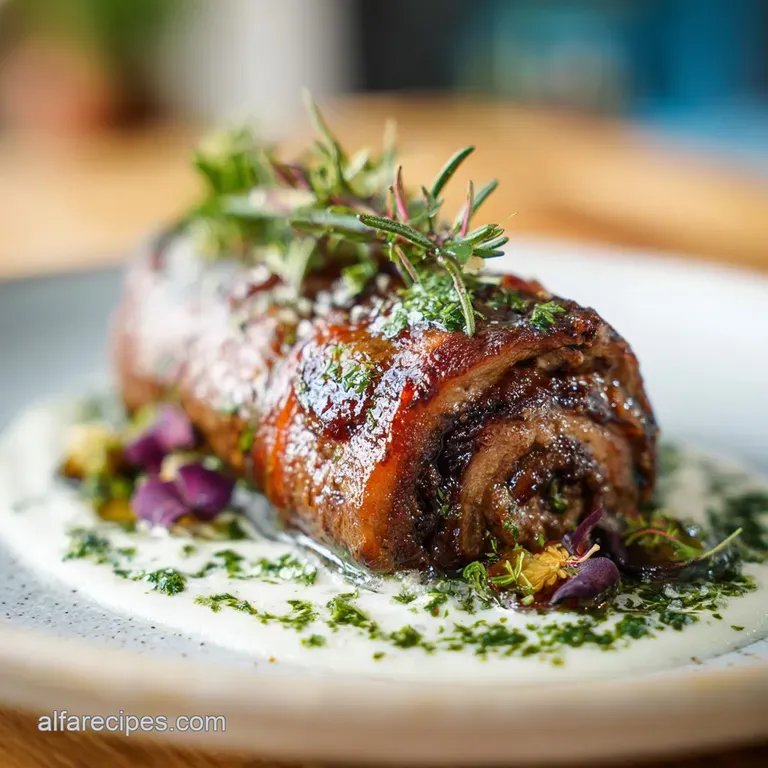
- Time: Active 30 minutes, Passive 1 hours 30 mins, Total 2 hours
- Flavor/Texture Hook: Velvety tomato sauce with savory, cheesy beef rolls
- Perfect for: A hearty family Sunday dinner or a special weekend treat
- Mastering the Art of Authentic Beef Braciole
- A Hearty Family Heirloom Dish
- Why Families Love This Meal
- Precision Milestones for Perfect Meat
- Fresh Elements for the Filling
- Essential Tools for Easy Prep
- Steps for Rolling and Searing
- Fixing Common Beef Cooking Errors
- Swaps for Different Dietary Needs
- Storing and Using Your Scraps
- Best Sides for Crowded Tables
- High in Sodium
- Recipe FAQs
- 📝 Recipe Card
Mastering the Art of Authentic Beef Braciole
The first time I tried making this, my kitchen smelled like a dream but my beef rolls looked more like abstract art than dinner. I remember the sizzle as the meat hit the hot oil and that deep, mahogany crust forming on the edges.
But then, half of them unraveled in the sauce because I was too impatient with the kitchen twine. We still ate them meat scraps-in sauce style and it was incredible, but I've learned a few tricks since then to keep things together.
This isn't one of those fussy recipes where you need a degree in culinary arts. It's about taking a relatively tough cut of meat and showing it some love. We're going to pound it thin, stuff it with a mix of sharp cheeses and toasted breadcrumbs, and let it simmer until it’s so tender you barely need a knife.
It’s the kind of meal that demands a crowded table and plenty of crusty bread to swipe up every last drop of that velvety sauce.
You might think rolling beef sounds complicated, but it’s actually quite therapeutic. Once you get the rhythm of the tuck and roll, you'll feel like an Italian grandma in no time. We’re going to focus on simple steps that guarantee the meat stays juicy and the filling stays right where it belongs.
Let's get the pan heating and get into the real life way to make this work for your family.
A Hearty Family Heirloom Dish
Beef Braciole is essentially an Italian "meat roll up" that has been a staple of Sunday Gravy for generations. While every family has their secret ingredient, the core remains the same: thinly sliced beef wrapped around a savory center.
It’s a dish that transforms humble pantry staples like breadcrumbs and dried herbs into something that feels deeply special.
The beauty of this recipe is how the flavors meld together over time. As the beef simmers in the San Marzano tomatoes, it releases its juices into the sauce, while the sauce works its way into the meat. It’s a symbiotic relationship that results in a depth of flavor you just can’t get from a quick sear. If you’ve ever enjoyed a Classic Slow Cooker recipe, you know that time is the best seasoning.
Why Families Love This Meal
The Physics of the BraiseCollagen Conversion: Low, steady heat slowly breaks down the tough collagen fibers in the flank steak, turning them into silky gelatin. This process ensures the meat becomes tender enough to cut with a fork while adding body to the tomato sauce.
- Mechanical Tenderization: Pounding the meat breaks the muscle fibers physically, allowing the filling flavors to penetrate deeper.
- Fat Emulsification: The Pecorino and Provolone melt into the breadcrumbs, creating a moist barrier that prevents the beef from drying out internally.
- Deglazing Magic: Using red wine to lift the "fond" (browned bits) from the pan adds a complex, fermented sweetness that balances the tomato acidity.
- Aromatic Infusion: Simmering the basil sprigs whole releases oils slowly, preventing the herb from turning bitter during the long cook.
| Cooking Method | Active Time | Texture Outcome | Best For |
|---|---|---|---|
| Stovetop Simmer | 30 minutes | Extremely tender meat; thick, concentrated sauce | Maximum flavor development |
| Oven Braise | 20 minutes | Even cooking; slightly more "roasted" beef flavor | Set it and forget it ease |
| Slow Cooker | 15 minutes | Falling apart meat; thinner sauce consistency | Busy weekdays |
The stovetop method is my personal favorite because you can keep an eye on the sauce thickness. If it gets too thick, just splash in a little more broth. It’s very forgiving for real life cooking.
Precision Milestones for Perfect Meat
To get that "Authentic Italian Braciole" texture, you need to hit a few specific marks. These aren't just suggestions; they are the difference between a chewy dinner and a velvety one.
- Thickness Check: Your flank steak must be pounded to exactly 6 mm (1/4 inch). Any thicker and it won't roll; any thinner and it might tear.
- The Mahogany Sear: Sear the rolls for 3 minutes per side. You want a deep brown crust, not a light tan, to develop that Maillard reaction flavor.
- Simmer Temp: The sauce should have "lazy bubbles" one or two popping every second. A rolling boil will toughen the meat fibers instantly.
Fresh Elements for the Filling
Component Analysis
| Ingredient | Science Role | Pro Secret |
|---|---|---|
| Flank Steak | Structural base | Chill for 15 mins before slicing to get cleaner cuts |
| Pecorino Romano | Flavor & Binding | Use freshly grated; pre shredded has cellulose that prevents melting |
| San Marzano Tomatoes | Acidic Braising Base | Crush them by hand for a rustic, chunky texture that clings to meat |
- 680g Flank Steak: You can also use top round or "London Broil" if flank is too pricey.
- 3g Kosher salt: Enhances the natural beefiness.
- 3g Freshly cracked black pepper: Provides a subtle heat.
- 45ml Extra virgin olive oil: For that initial over high heat sear.
- 120ml Italian breadcrumbs (toasted): Why this? Toasting adds a nutty depth that raw crumbs lack.
- 50g Grated Pecorino Romano cheese: Why this? Its salty punch stands up to the rich tomato sauce.
- 30g Shredded Provolone cheese: Adds the "cheese pull" and creamy texture.
- 30ml Fresh Italian parsley: Brightens up the heavy fats.
- 2 cloves Garlic: Mince into a paste so you don't get a big chunk of raw garlic in a bite.
- 5g Dried oregano: Provides that classic "Italian Grandma Braciole" aroma.
- 30ml Extra virgin olive oil (for filling): Binds the dry ingredients into a paste.
- 1 small Yellow onion: Diced fine to melt into the sauce.
- 120ml Dry red wine: Use something you'd actually drink, like a Chianti.
- 794g San Marzano crushed tomatoes: The gold standard for "Braciole with Tomato Sauce."
- 240ml Beef bone broth: Adds body and protein to the braising liquid.
- 2 Fresh basil sprigs: Added at the end for a floral finish.
Essential Tools for Easy Prep
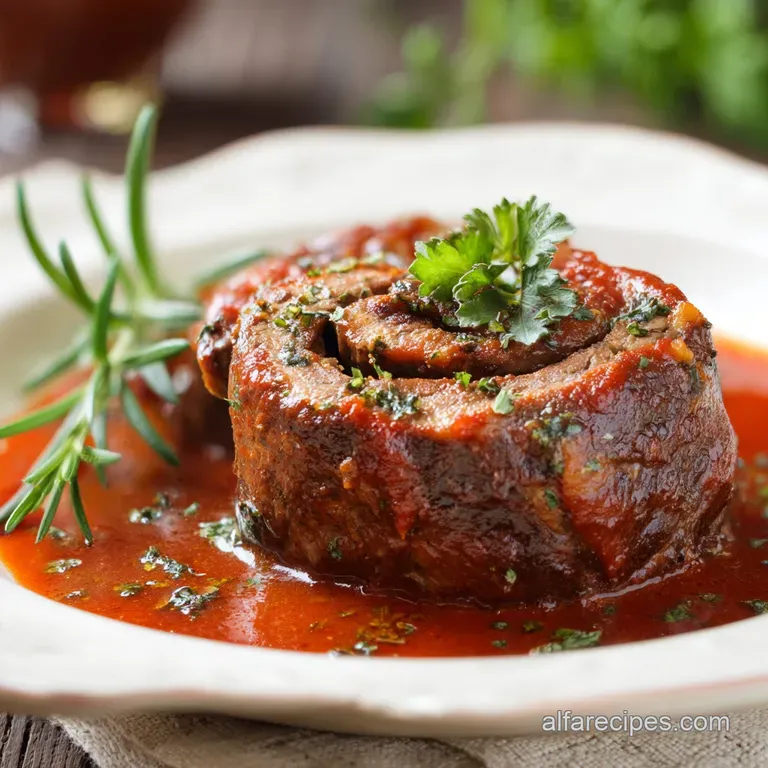
You don't need a kitchen full of gadgets for "Best Braciole Recipe" results. A heavy bottomed pot, like a Dutch oven, is your best friend here because it holds heat evenly. You’ll also need a meat mallet for the pounding if you don't have one, a heavy rolling pin or even the bottom of a small cast iron skillet works in a pinch.
Don't forget the kitchen twine! I’ve tried using toothpicks, and honestly, don't even bother. They often snap or get lost in the sauce, which is a literal pain for your guests. Twine gives you a secure, even wrap that keeps the cheese from leaking out the sides.
Steps for Rolling and Searing
1. Preparing the Beef Canvas
Lay the 680g flank steak flat and pound it evenly. Season both sides with salt and pepper. Note: Pounding also evens out the thickness so all rolls cook at the same rate.
2. Crafting the Umami Filling
In a bowl, mix toasted breadcrumbs, Pecorino, Provolone, parsley, garlic, oregano, and 30ml olive oil until it looks like wet sand.
3. The Roll and Secure Phase
Spread the filling over the beef, leaving a 1cm border. Roll the meat tightly like a sleeping bag and tie with twine at 2cm intervals.
4. Achieving the Mahogany Sear
Heat 45ml oil in your pot. Brown the rolls until a deep mahogany crust forms on all sides, about 8 minutes total.
5. Building the Braising Liquid
Remove meat. Sauté the diced onion in the same pot. Pour in the red wine, scraping the bottom until the wine reduces by half.
6. The Long Simmer
Add the tomatoes and bone broth. Return the beef to the pot, cover, and simmer on low for 1 hours 30 mins until the meat is fork tender.
7. The Finishing Touch
Stir in the fresh basil sprigs during the last 10 minutes. Note: This keeps the basil flavor fresh rather than cooked out.
8. Resting and Serving
Let the meat rest for 10 minutes before snipping the twine. Slice into rounds to reveal the beautiful spiral inside.
Fixing Common Beef Cooking Errors
Meat Remaining Tough and Chewy
If your "Sicilian Braciole" feels like rubber, it simply hasn't cooked long enough. Flank steak is fibrous. If the 90 minutes are up and it’s still tough, give it another 20 minutes. The meat will tell you when it's ready by losing its resistance to a fork.
Beef Falling Apart in Sauce
This usually happens if you pounded the meat too thin or didn't tie the twine tight enough. If it falls apart, don't panic! It still tastes the same. Just serve it as a "deconstructed" ragu over pasta.
| Problem | Root Cause | Solution |
|---|---|---|
| Filling leaks out | Ends weren't tucked or tied | Use more twine or sear the ends first to "plug" them |
| Sauce is too thin | Too much broth or lid kept moisture in | Simmer uncovered for the last 15 mins to reduce |
| Bitter aftertaste | Burned garlic or cheap wine | Sauté garlic only until fragrant (30 seconds); use drinkable wine |
Common Mistakes Checklist
- ✓ Never skip the searing step; it’s where 80% of the meat's flavor comes from.
- ✓ Don't overcrowd the pot when browning, or the meat will steam instead of sear.
- ✓ Always toast your breadcrumbs; raw crumbs can become gummy inside the roll.
- ✓ Tie the twine firmly but don't cut into the meat, as it expands slightly while cooking.
- ✓ Let the meat rest before slicing to keep the juices from flooding the cutting board.
Swaps for Different Dietary Needs
If you need an "Easy Braciole Recipe" but have dietary restrictions, it's very adaptable. For a gluten-free version, swap the breadcrumbs for almond flour or gluten-free panko. The almond flour adds a lovely richness, though it won't soak up the juices quite as much as traditional bread.
If you’re watching your sodium, replace the Pecorino with a low sodium Parmesan. Since the cheese provides a lot of the salt, you might want to add a pinch more fresh herbs to keep the flavor profile high. For a different twist, check out this Way to Cook recipe for ideas on alternative beef seasonings.
Storing and Using Your Scraps
Storage Guidelines You can keep the cooked braciole in the fridge for up to 4 days. In fact, like most braised dishes, it actually tastes better the next day once the flavors have truly settled. If you want to freeze it, place the meat and sauce in an airtight container for up to 3 months.
Thaw it overnight in the fridge before reheating slowly on the stovetop.
Zero Waste Tips Don't throw away those onion peels or parsley stems! Toss them into a freezer bag to make your own beef broth later. If you have leftover sauce but no meat, it makes an incredible topping for a quick polenta or a base for a "Ground Beef Stir recipe" twist the following night.
Best Sides for Crowded Tables
When thinking about "What to Serve with Braciole," you want something that can handle that rich, heavy sauce. A classic choice is a long pasta like rigatoni or pappardelle the ridges are perfect for catching the tomato gravy.
If you want something lighter, a simple arugula salad with a sharp lemon vinaigrette provides a nice acidic contrast to the savory beef.
If you're looking for a low carb option, creamy cauliflower mash or sautéed broccoli rabe with plenty of garlic works beautifully. The bitterness of the rabe cuts through the richness of the Provolone and Pecorino inside the beef.
Whatever you choose, make sure you have enough to go around, because nobody ever eats just one slice!
High in Sodium
1120 mg 1120 mg of sodium per serving (49% 49% of daily value)
The American Heart Association recommends limiting sodium intake to about 2,300mg per day for overall cardiovascular health.
Tips to Reduce Sodium in This Recipe
-
Low-Sodium Broth-30%
Replace regular beef bone broth with low-sodium or no-salt added beef broth. This simple swap can significantly reduce the overall sodium content.
-
Reduce Added Salt-25%
Cut the amount of added kosher salt in half, from 3g to 1.5g, or eliminate it completely. You can compensate for the loss of flavor with herbs and spices.
-
Lower Sodium Cheese-15%
Substitute Pecorino Romano (high in sodium) with a lower sodium hard cheese option such as Parmesan or Gruyere, and use less of it.
-
No-Salt Added Tomatoes-15%
Use no-salt added San Marzano crushed tomatoes instead of regular. This helps control the sodium levels without sacrificing flavor.
-
Flavor with Herbs & Spices
Experiment with a variety of sodium free herbs and spices to enhance the flavor of the dish. Consider adding more garlic, pepper, oregano, and fresh basil to compensate for the reduced salt.
-
Skip the Wine-10%
Dry red wine is often a significant source of sodium, especially in cooking. Consider using a low-sodium tomato paste and beef broth mixture instead, or simply skip the wine altogether.
Recipe FAQs
What cut of meat is traditionally used for Beef Braciole?
Flank steak is the best choice. You need a large, relatively thin, lean cut that can be pounded down and rolled tightly without tearing.
What does the word braciole mean in Italian?
It refers to meat rolls cooked in sauce. The name derives from the Neapolitan dialect word braciola, meaning a small piece of rolled meat or chop.
What is Giada De Laurentiis's most famous dish?
This is not a signature dish for Giada De Laurentiis. While she has many popular recipes, Braciole is generally considered a classic Southern Italian Sunday gravy staple, not specifically linked to her repertoire.
What is Giada's signature dish?
Her signature dishes often focus on lighter Italian fare. Recipes like Lemon Spaghetti or Brown Butter Sage Sauce are commonly associated with her style, rather than slow braised dishes like Braciole.
How thin should I pound the flank steak before rolling?
Pound the meat to exactly 6 millimeters (1/4 inch) thick. This physical tenderization ensures even cooking and makes the meat pliable enough to roll securely around the filling.
How do I prevent the filling from leaking out while the braciole simmers?
Use butcher’s twine and ensure you tuck the ends tightly. Roll the meat firmly, like a jelly roll, and secure it with twine every 2 centimeters; mastering this secure wrapping technique will help keep everything contained, similar to the trussing used in our Filet Mignon in recipe.
Is it true that Braciole tastes better the next day?
Yes, the flavor deepens significantly overnight. As the meat rests in the sauce, the gelatin and complex savory flavors continue to meld together, which is why slow cooked meats always benefit from a day of rest.
Traditional Beef Braciole Recipe
Ingredients:
Instructions:
Nutrition Facts:
| Calories | 481 kcal |
|---|---|
| Protein | 32.4 g |
| Fat | 28.5 g |
| Carbs | 18.2 g |
| Fiber | 3.1 g |
| Sugar | 6.4 g |
| Sodium | 1120 mg |
