Velvety Steak and Noodles Recipe
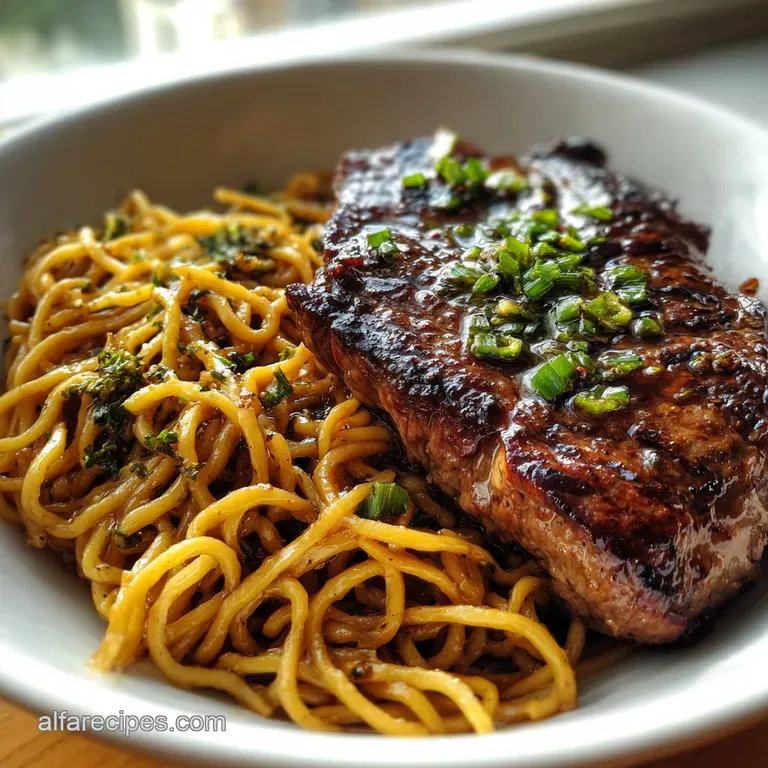
- Time: Active 10 mins, Passive 10 mins, Total 20 mins
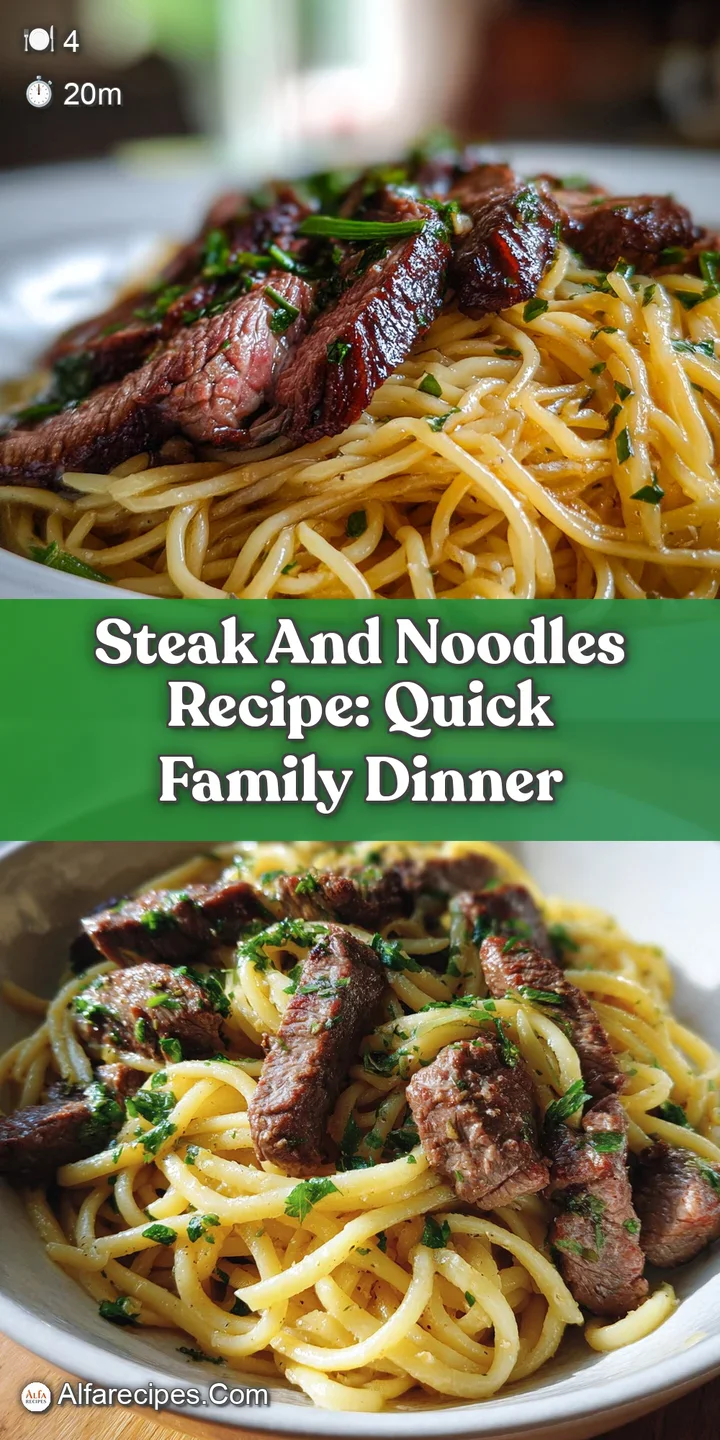
- Flavor/Texture Hook: Sizzling garlic butter meets velvety, melt in-your mouth beef
- Perfect for: Busy weeknights when you need a crowd pleaser fast
- Why Your Family Will Love This Hearty Steak and Noodles Recipe
- Quick Specs for a Crowded Family Table
- Troubleshooting Common Issues
- The Component Analysis for Your Elements
- The Simple Ingredients Behind These Velvety Noodles
- The Minimal Kitchen Gear You Will Need
- Simple Steps for Sizzling Beef and Tender Noodles
- Fixing Sogginess or Tough Beef with Easy Solutions
- Smart Ingredient Swaps for Different Dietary Needs
- Troubleshooting Common Issues
- Scaling This Dish for Groups or Solo Meals
- Keeping Your Leftovers Fresh and Flavorful
- Hearty Sides to Fill Up the Table
- Debunking Kitchen Myths About Steak
- High in Sodium
- Recipe FAQs
- 📝 Recipe Card
Why Your Family Will Love This Hearty Steak and Noodles Recipe
There is a specific sound that happens when cold, cubed butter hits a hot stainless steel pan and meets a splash of beef broth. It is a high pitched hiss that instantly turns into a rich, nutty aroma that fills the whole house. I remember the first time I stumbled onto this combination.
It was one of those "empty fridge" Tuesdays where I had some stray sirloin and a bag of egg noodles. I was tired, the kids were hungry, and I just wanted something that didn't taste like a compromise.
That night, I learned that you don't need expensive ribeye to make a restaurant quality meal. By using a little cornstarch and some pantry staples, I turned a basic steak and noodles recipe into something my family now asks for every single week.
It is the kind of dish that makes everyone actually sit down at the table and stop looking at their phones.
The magic here is in the contrast. You get that deeply seared, savory beef paired with wide, bouncy noodles that soak up every drop of the garlic butter sauce. It’s not fancy, it’s not "gourmet" in the way that requires a culinary degree, but it is exactly what a home cooked meal should be: filling, reliable, and seriously good.
Quick Specs for a Crowded Family Table
- Mechanism: The cornstarch creates a protective barrier on the beef, which prevents the proteins from tightening up too fast in the heat. This "velveting" technique keeps cheap cuts tender while helping the sauce cling to the meat.
| Steak Thickness | Internal Temp | Rest Time | Visual Cue |
|---|---|---|---|
| 0.5 cm strips | 145°F (63°C) | 3 mins | Deep brown crust with no pink liquid |
| 1 cm strips | 145°F (63°C) | 4 mins | Opaque center with glistening edges |
| 2 cm cubes | 150°F (65°C) | 5 mins | Firm to touch, dark mahogany exterior |
When you are trying to feed a hungry group, timing is everything. If you like the technique of quick seared beef, you might also enjoy my Beef Sirloin Tips recipe which uses a similar over high heat method for maximum flavor.
Troubleshooting Common Issues
| Issue | Solution |
|---|---|
| How does the steak stay so tender | The secret is the "velveting" process. By tossing the thin slices in cornstarch and soy sauce before they hit the pan, you are basically giving them a little coat of armor. This keeps the juices insid |
| Why is the sauce so glossy | We use cold, cubed butter at the very end. When cold fat meets a hot liquid and you stir it quickly, it creates an emulsion. Instead of just having oily noodles, you get a velvety sauce that coats eve |
| Why use wide egg noodles | Standard pasta works, but egg noodles have a higher protein content which gives them a better "chew." They also have those wide, flat surfaces that act like little spoons for the garlic butter sauce. |
The Component Analysis for Your Elements
| Ingredient | Science Role | Pro Secret |
|---|---|---|
| Cornstarch | Protein Protection | It prevents the beef fibers from over contracting and becoming "rubbery." |
| Worcestershire | Umami Catalyst | The fermented anchovies in the sauce act as a natural flavor multiplier for beef. |
| Cold Butter | Emulsification | Adding it cold at the end creates a thick, glossy sheen instead of a greasy puddle. |
Using high-quality basics makes a huge difference. For instance, I always reach for unsalted butter so I can control the seasoning myself. It’s a small trick, but it stops the dish from becoming a salt bomb.
The Simple Ingredients Behind These Velvety Noodles
Here is exactly what you need to get this on the table. I've included some budget friendly swaps because, let's be honest, grocery prices aren't getting any lower.
- 1.5 lbs (680g) sirloin steak: Sliced thin against the grain. Why this? Sirloin is lean and flavorful but stays tender when sliced thin.
- 1 tbsp cornstarch: Used for the velveting coating.
- 1 tbsp soy sauce: Adds depth and saltiness to the meat.
- 1 tsp black pepper: Use freshly cracked for a better punch.
- 5 cloves garlic: Minced finely. Don't use the pre jarred stuff here; it tastes metallic.
- 1 tbsp fresh ginger: Grated. It adds a zing that cuts through the rich butter.
- 12 oz (340g) wide egg noodles: The perfect vehicle for the sauce.
- 1/4 cup beef broth: Low sodium is best so you can control the salt.
- 2 tbsp Worcestershire sauce: The backbone of the savory flavor.
- 1 tbsp brown sugar: Just enough to balance the acidity and help the beef caramelize.
- 4 tbsp unsalted butter: Keep it cold and cubed until the very last second.
- 1/4 cup green onions: Sliced for a fresh, sharp finish.
| Original Ingredient | Substitute | Why It Works |
|---|---|---|
| Sirloin Steak | Flank Steak | Similar lean profile, but must be sliced very thin to avoid chewiness. |
| Wide Egg Noodles | Fettuccine | Same flat shape for sauce clinging. Note: Texture will be firmer. |
| Soy Sauce | Tamari | Keeps the dish gluten-free while maintaining that deep umami base. |
The Minimal Kitchen Gear You Will Need
You don't need a pantry full of gadgets for this. A solid large skillet or wok is your best friend here. I prefer a heavy bottomed cast iron or stainless steel pan because they hold heat better. When you drop that steak in, you want it to sizzle, not steam.
You'll also need a large pot for the noodles. A little tip from my kitchen to yours: always salt your noodle water until it tastes like the sea. It’s your only chance to season the actual pasta! If you're doing a side of greens, you might want to try this Roasted Sheet Pan recipe which uses the oven so your stovetop stays clear for the main event.
Finally, grab a microplane or fine grater for the ginger and garlic. It turns them into a paste that disappears into the sauce, so you don't end up biting into a big chunk of raw ginger.
Simple Steps for Sizzling Beef and Tender Noodles
1. The Prep & "Velveting"
Whisk the cornstarch, soy sauce, and black pepper in a bowl. Toss your thinly sliced steak in this mixture until every piece is coated. Let it sit for 10 minutes. Note: This short rest allows the soy sauce to penetrate the fibers while the starch creates a silky coating.
2. Boil the Base
Bring a large pot of salted water to a boil. Drop in your 12 oz of wide egg noodles and cook according to the package directions until just shy of al dente. They will finish cooking in the sauce later.
3. The over High heat Sear
Heat a drizzle of oil in your skillet over high heat until it’s shimmering. Add the steak in a single layer. Don't crowd the pan! Sear for 2 minutes per side until deep brown and crispy on the edges. Remove the steak from the pan and set aside.
4. Sauté the Aromatics
Reduce the heat to medium. Add the minced garlic and grated ginger to the same pan. Sauté for about 30 seconds until the fragrance hits your nose and the garlic turns pale gold.
5. Build the Flavor Base
Pour in the beef broth, Worcestershire sauce, and brown sugar. Use a wooden spoon to scrape up all those brown bits (the fond) from the bottom of the pan. That is where the flavor lives!
6. The Butter Emulsion
Turn the heat to low. Whisk in the cold, cubed butter one piece at a time. Keep the sauce moving until it becomes thick, glossy, and velvety.
7. The Grand Marriage
Add the cooked noodles and the seared steak (along with any juices) back into the skillet. Toss everything together for 1-2 minutes. Note: This allows the noodles to absorb the sauce and the steak to warm through without overcooking.
8. The Final Touch
Turn off the heat. Scatter the sliced green onions over the top. Serve immediately while the sauce is at its creamiest.
Fixing Sogginess or Tough Beef with Easy Solutions
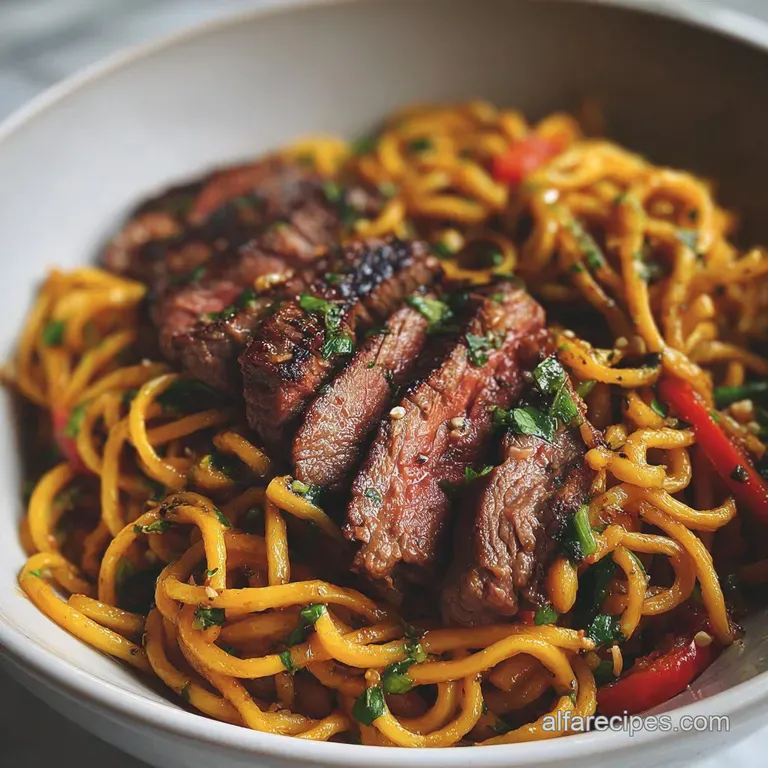
The most common mistake I see is people overcooking the steak because they are afraid of a little pink. Trust the sear! If you slice it thin, it cooks in seconds.
Why is my steak tough and chewy?
This usually happens if you cut the meat with the grain instead of against it. Look for the lines in the meat and slice perpendicular to them. This breaks up the tough muscle fibers before they ever hit the pan.
Why is the sauce thin and watery?
If your sauce won't thicken, you might have had too much water clinging to your noodles. Make sure to drain them well. You can also let the sauce simmer for an extra minute before adding the butter to reduce the liquid further.
| Problem | Root Cause | Solution |
|---|---|---|
| Tough Steak | Sliced with the grain | Always slice against the grain to shorten muscle fibers. |
| Gray Meat | Overcrowded pan | Sear in batches so the temperature doesn't drop and steam the meat. |
| Bland Sauce | Not enough salt in pasta water | Salt the water heavily; it seasons the noodles from the inside out. |
Common Mistakes Checklist:
- ✓ Pat the steak strips dry with a paper towel before coating them (helps the sear).
- ✓ Don't skip the brown sugar - it’s essential for the Maillard reaction.
- ✓ Use cold butter only; warm butter will break the sauce and make it oily.
- ✓ Pull the noodles 1 minute early so they don't turn to mush in the pan.
Smart Ingredient Swaps for Different Dietary Needs
I’m all for making recipes work for your specific life. If you’re looking for a similar vibe but with different protein, you might check out this Ground Beef Stir recipe which is even faster and lighter on the wallet.
Troubleshooting Common Issues
| Issue | Solution |
|---|---|
| Make this gluten-free | Absolutely. Swap the soy sauce for Tamari or coconut aminos. Use a gluten-free wide noodle or even rice noodles. Just watch the cook time on rice noodles as they soften much faster. |
| Make this Low Carb/Keto | Replace the egg noodles with zucchini noodles (zoodles) or shirataki noodles. Skip the brown sugar or use a tiny bit of monk fruit sweetener instead. The fat from the steak and butter makes it very ke |
| Is there a spicy version | If your family likes a kick, add 1 teaspoon of red chili flakes when you sauté the garlic and ginger. You can also drizzle some sriracha or chili oil over the finished bowl for a "heat on demand" appr |
Scaling This Dish for Groups or Solo Meals
Chef's Note: If you are doubling this recipe for a big family gathering, sear the meat in three or four batches. If you put 3 lbs of cold meat into a pan at once, the temperature will plummet and you'll end up with gray, boiled beef instead of a crusty sear.
To Scale Down (1-2 People): Use half the steak and noodles. Use 1 small egg (whisked) and take half if you are using it in the coating, though for this specific recipe, the cornstarch/soy mixture scales down easily without eggs.
Reduce the sauce simmer time by 2 minutes as smaller volumes evaporate faster.
To Scale Up (8 People): Double everything except the spices and salt start with 1.5x and taste as you go. You can easily over salt a large batch. Use two pans if possible to keep the heat high, or just keep the first batches of steak warm in a low oven while you finish the rest.
| Servings | Steak Amount | Noodle Amount | Pan Size |
|---|---|---|---|
| 2 People | 0.75 lbs (340g) | 6 oz (170g) | 10 inch Skillet |
| 4 People | 1.5 lbs (680g) | 12 oz (340g) | 12 inch Skillet |
| 8 People | 3 lbs (1.36kg) | 24 oz (680g) | Large Wok or 2 Pans |
Keeping Your Leftovers Fresh and Flavorful
Storage: Store any leftovers in an airtight container in the fridge for up to 3 days. The noodles will continue to absorb the sauce, so they might be a little softer the next day, but the flavor actually deepens.
Zero Waste Tip: If you have leftover steak strips but no noodles, toss them into a salad the next day. If you have leftover sauce at the bottom of the pan, don't wash it away! Toss in some steamed broccoli or leftover rice to soak up that liquid gold.
Freezing: I don't recommend freezing the cooked noodles as they tend to become mushy when thawed. However, you can freeze the "velveted" raw steak strips in a freezer bag for up to 3 months. When you're ready to eat, thaw them overnight and you're halfway to dinner!
Reheating: Avoid the microwave if you can; it makes the beef rubbery. Instead, put the leftovers in a pan with a splash of beef broth or water. Cover and heat over medium low until warmed through. This "steams" the noodles back to life and keeps the sauce creamy.
Hearty Sides to Fill Up the Table
While this is a complete meal on its own, I usually like to add something green to break up the richness of the garlic butter. A simple side of steamed snap peas or a crisp cucumber salad works wonders.
If you want a more substantial spread, a crusty loaf of bread is great for wiping up any leftover sauce at the bottom of the bowl. Honestly, I’ve also served this with a simple side of roasted carrots, and it was a massive hit. The sweetness of the carrots complements the savory Worcestershire sauce perfectly.
For those who want a bit of a fusion feel, try serving this alongside a simple Asian style slaw with a sesame vinaigrette. The crunch and acidity provide a beautiful balance to the soft, buttery noodles.
Debunking Kitchen Myths About Steak
One thing I hear all the time is that you have to use "expensive" cuts like filet mignon for noodles. That is simply not true! In fact, leaner, "tougher" cuts like sirloin or flank actually have more "beefy" flavor.
The trick isn't the price of the meat; it’s the technique of slicing it thin and using the cornstarch coating.
Another myth is that you shouldn't salt steak until the very end. I've found that seasoning the meat in the "velveting" stage (via the soy sauce) helps the salt penetrate the fibers, making the whole dish taste more seasoned rather than just salty on the surface.
Finally, don't believe the idea that you can't get a good sear on a non stick pan. While cast iron is king, a good heavy non stick pan can still give you a beautiful crust if you let it get hot enough before adding the oil. Just make sure you aren't using metal utensils that could scratch the coating!
This steak and noodles recipe has saved my sanity more times than I can count. It's fast, it’s cheap, and it’s genuinely satisfying. Give it a try tonight your family (and your wallet) will thank you.
High in Sodium
895 mg mg of sodium per serving (39% of daily value)
American Heart Association recommends limiting sodium intake to about 2,300mg per day.
Sodium Reduction Tips
-
Broth Upgrade-30%
Ensure you're using a no-sodium beef broth. Many 'low-sodium' options still contain significant amounts. No sodium broth can reduce sodium significantly.
-
Soy Sauce Swap-25%
Replace regular soy sauce with a low-sodium or sodium free alternative. This can substantially reduce the dish's overall sodium content.
-
Worcestershire Watch-20%
Worcestershire sauce is a significant source of sodium. Use it sparingly or experiment with homemade alternatives using ingredients like tamarind paste, vinegar, and molasses to control sodium.
-
Omit Salt-15%
This recipe does not list salt as an ingredient but be mindful of adding it to the steak, vegetables, or noodle water. Instead, rely on other flavors.
-
Flavor Boost
Enhance the dish's flavor using sodium free herbs and spices. Garlic, ginger, and black pepper add depth, while other options such as red pepper flakes, onion powder, or smoked paprika can amplify the taste without adding sodium.
Recipe FAQs
What type of noodles go well with steak?
Wide egg noodles are the best choice. Their larger, flatter surface area is perfect for clinging to thick, buttery sauces like the one used with steak.
What spices go well with beef and noodles?
Garlic, fresh ginger, Worcestershire sauce, and black pepper are ideal. These aromatics provide a deep savory base that complements the richness of the seared beef.
What is the best cut of steak for noodles?
Sirloin or flank steak provides the best balance of flavor and texture. Since the meat is sliced thin and quickly velveted, leaner but flavorful cuts work better than high fat steaks.
What meat to use for beef and noodles?
Thinly sliced sirloin is recommended for tenderness and flavor. Ensure you slice it very thinly against the grain, or the meat will become chewy when seared.
Which veggies taste great with this?
Green onions, garlic, and ginger are essential aromatics included in the sauce. For a substantial green side, steamed broccoli or a crisp slaw works wonderfully to cut the richness.
How to ensure the steak stays tender when cooking quickly?
Coat the thin slices in a cornstarch slurry (velveting) before searing. This technique locks in moisture and keeps the protein fibers from seizing up under high heat, a principle similar to what we use when mastering texture control in our breakfast casserole with recipe.
Is it true that I must use a large skillet over a wok for this dish?
No, this is a common misconception. A heavy bottomed stainless steel skillet or a wok both work effectively because they retain the high heat needed for a proper sear.
Tender Steak And Noodles
Ingredients:
Instructions:
Nutrition Facts:
| Calories | 562 kcal |
|---|---|
| Protein | 41.5 g |
| Fat | 24.8 g |
| Carbs | 42.1 g |
| Fiber | 2.2 g |
| Sugar | 4.8 g |
| Sodium | 895 mg |
