Tender Chicken in Broth
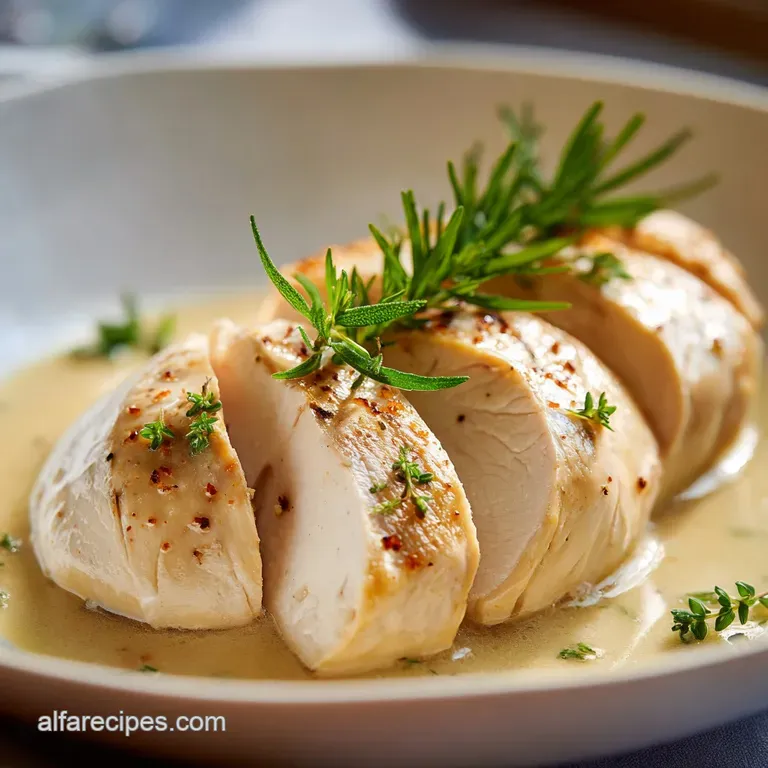
- Time: Active 10 mins, Passive 20 mins, Total 30 mins
- Flavor/Texture Hook: Velvety, infused, and clean
- Perfect for: Healthy meal prep or a comforting family "reset" meal
- Master the Silky Texture of Chicken in Broth
- The Physics of the Cold Start
- Recipe Specs and Efficiency Metrics
- Choosing the Best Aromatics and Protein
- Essential Tools for Minimal Cleanup
- Step-by-Step Guide to Poaching Perfection
- Common Pitfalls and Troubleshooting Tactics
- Smart Substitutions and Ingredient Swaps
- Storage Guidelines and Zero Waste Tips
- Creative Serving and Pairing Suggestions
- Recipe FAQs
- 📝 Recipe Card
Master the Silky Texture of Chicken in Broth
The kitchen smells like a spa day honestly. There is something about the steam rising from a pot of leeks, ginger, and thyme that just settles the nerves. I remember the first time I tried making Chicken in Broth properly.
I’d spent years basically "laundry boiling" my poultry, tossing it into a rolling boil until it was as tough as a hiking boot. It was a disaster every single time until a friend showed me the "cold start" trick.
That afternoon changed everything for our family dinners. Instead of a dry, stringy mess, I pulled out a piece of meat that was so tender it practically melted. It’s the kind of hearty, reliable meal that makes a crowded table feel peaceful.
We use this as a base for everything from grain bowls to the best sandwiches you've ever had.
Trust me, once you see how the meat stays juicy when you treat it with a little patience, you'll never go back to the over high heat method. It's not about being a gourmet chef; it's about real life practical steps that actually work for a busy Tuesday night.
We're going for clean flavors and a texture that is nothing short of velvety.
The Physics of the Cold Start
Gentle Denaturation: Starting with cold liquid allows the protein fibers to relax and heat up gradually rather than seizing instantly in boiling water. This prevents the "clench" that squeezes out all the moisture, keeping the internal structure soft and hydrated.
Recipe Specs and Efficiency Metrics
Before we get the pot on the stove, let's look at how this dish scales and performs. Whether you are feeding a toddler or a house full of teenagers, these numbers help you plan.
| Servings | Chicken Amount | Total Liquid | Best For |
|---|---|---|---|
| 2 People | 340g (0.75 lbs) | 750ml | Quick solo lunch |
| 4 People | 680g (1.5 lbs) | 1.5 Liters | Standard family dinner |
| 8 People | 1.3kg (3 lbs) | 3 Liters | Weekly meal prep batch |
If you are looking for a different vibe for your weekly planning, this method pairs brilliantly with a Meal Prep Lunch recipe to keep things interesting.
Choosing the Best Aromatics and Protein
When we talk about broth and chicken, the quality of your liquid matters just as much as the meat. I always reach for low sodium broth because it gives me total control over the seasoning.
- 1 quart low sodium chicken broth
- Why this? Provides a deep, savory foundation without excess salt.
- 2 cups filtered water
- Why this? Dilutes the broth slightly to let the aromatics shine.
- 1 large leek
- Use only the white and light green parts, sliced thin.
- 3 cloves garlic
- Smash them with the side of your knife to release the oils.
- 1 inch fresh ginger
- Slice into coins; no need to peel.
- 2 teaspoons sea salt
- To season the meat from the inside out.
- 1 teaspoon whole black peppercorns
- Provides a subtle, woody heat.
- 2 sprigs fresh thyme
- Adds a classic, earthy herbal note.
Component Analysis
| Ingredient | Science Role | Pro Secret |
|---|---|---|
| Ginger | Protease Enzymes | Slicing thin exposes more surface area to tenderize meat. |
| Leeks | Sulfur Compounds | Provide a milder, sweeter depth than harsh yellow onions. |
| Sea Salt | Osmotic Pressure | Seasons the chicken to the bone while retaining water. |
Essential Tools for Minimal Cleanup
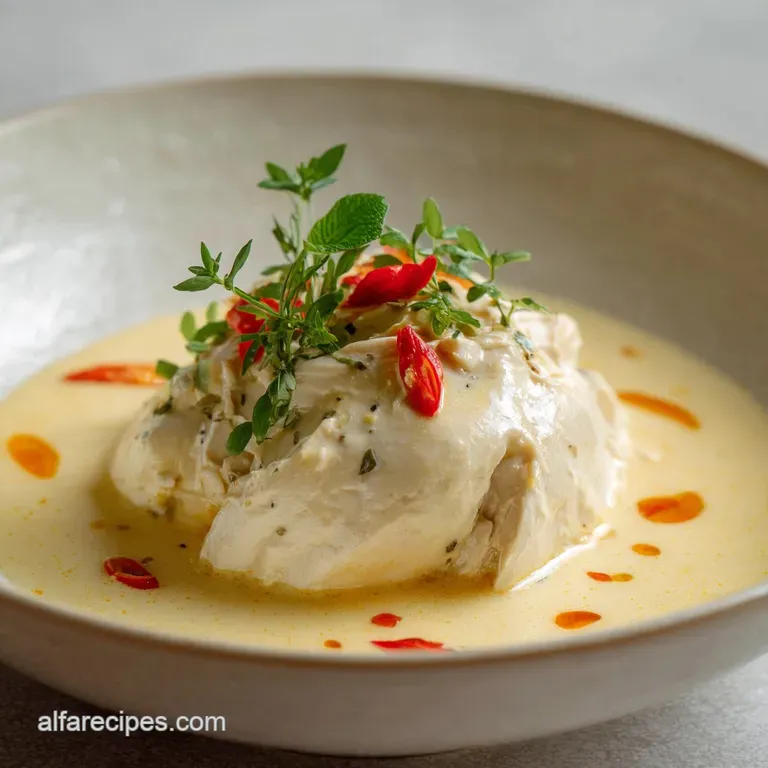
We are keeping this simple. You don't need a pantry full of gadgets to get this right. In fact, fewer tools often mean a better result because you’re focusing on the temperature.
- Large Pot or Dutch Oven: A heavy bottomed pot (like a Lodge) holds heat steadily.
- Digital Meat Thermometer: This is the only way to be 100% sure you aren't overcooking.
- Fine Mesh Strainer: Essential if you want to save that liquid gold (the broth) afterward.
- Chef's Knife: For those quick slices of ginger and leek.
Chef's Tip: Freeze your ginger root and grate it directly into the pot with a microplane if you want a more aggressive ginger punch without the chunks.
step-by-step Guide to Poaching Perfection
Right then, let's crack on with the actual cooking. Follow these steps closely especially the part about the heat levels.
- Prep the aromatics. Slice your leek and ginger, and smash the garlic. Note: Smashing garlic releases allicin for better flavor.
- Combine the liquids. Pour the 1 quart chicken broth and 2 cups water into your pot.
- Add the seasonings. Stir in the leeks, garlic, ginger, salt, peppercorns, and thyme sprigs.
- Nestle the chicken. Place the 1.5 lbs of chicken breasts into the cold liquid. Note: Ensure they are in a single layer for even cooking.
- Heat slowly. Turn the stove to medium heat until the liquid reaches a very gentle simmer.
- Maintain the simmer. Look for small bubbles just breaking the surface; never a rolling boil.
- Monitor the temp. Cook for about 12-15 minutes until the internal temperature hits 71°C (160°F).
- The Flavor Soak. Remove the pot from the heat and let the chicken sit in the liquid for 5 minutes. Note: This carryover cooking finishes it to a perfect 74°C (165°F).
- Remove and rest. Transfer the meat to a cutting board.
- Strain the broth. Pour the liquid through a strainer to use for soup or grains later.
If you enjoy this clean, citrusy profile, you'll love the brightness in this Lemon Pepper Chicken recipe.
Common Pitfalls and Troubleshooting Tactics
The biggest mistake I ever made was walking away from the stove. Poaching is a "stay in the kitchen" kind of job, even if it's only for twenty minutes.
Why Your Chicken Might Feel Tough
If the meat feels bouncy or rubbery, the heat was likely too high. Boiling causes the proteins to contract violently. Next time, keep the water at a "shimmer" rather than a bubble.
| Problem | Root Cause | Solution |
|---|---|---|
| Cloudy Broth | Liquid boiled too hard | Keep at a bare simmer; don't stir aggressively. |
| Bland Meat | Not enough salt in base | Increase salt to 3 teaspoons next time to penetrate meat. |
| Dry Center | Overcooked | Use a thermometer and pull at 71°C (160°F). |
Common Mistakes Checklist
- ✓ Never start with boiling water; always start cold.
- ✓ Don't skip the resting period it’s where the juices redistribute.
- ✓ Use a pot that isn't too large; the chicken should be fully submerged.
- ✓ Avoid low-fat broth if possible; the tiny bit of fat carries the herb flavors.
- ✓ Don't slice the chicken immediately; wait at least 5 minutes.
Smart Substitutions and Ingredient Swaps
Sometimes the grocery store is out of leeks, or you've realized you're out of thyme. Don't panic; this chicken broth and chicken recipe is very forgiving.
| Original Ingredient | Substitute | Why It Works |
|---|---|---|
| Large Leek | 1 Small White Onion | Similar sweetness, though slightly more pungent. |
| Fresh Ginger | 1 tsp Ground Ginger | Provides heat, but lacks the fresh "zing" of the root. |
| Fresh Thyme | 1 tsp Dried Oregano | Earthy vibes. Note: Use less as dried is more concentrated. |
If you're looking for a bolder flavor profile that still uses these basics, check out this Orange Chicken Recipe for a fun twist.
Storage Guidelines and Zero Waste Tips
Storage: Keep the cooked chicken in an airtight container with a splash of the poaching liquid for up to 4 days in the fridge. This prevents it from drying out. You can freeze it for up to 3 months, though the texture is best when fresh.
Zero Waste: Don't you dare throw away those leek tops or the poaching liquid! The dark green parts of leeks are great for making a more robust vegetable stock later. The leftover poaching liquid is basically "liquid gold" use it to cook rice, quinoa, or as the base for a quick noodle soup.
I even freeze the broth in ice cube trays to pop into pan sauces later.
Creative Serving and Pairing Suggestions
This dish is a blank canvas. While it's hearty and no fuss on its own, how you serve it can change the whole mood of the meal.
- The Family Style: Slice it thick and serve over a bed of buttery mashed potatoes with the strained broth poured over like a light jus.
- The Health Kick: Shred the chicken while warm and toss with a light lemon vinaigrette over crunchy kale.
- The Shortcut: If you're in a rush, this is the perfect base for a 30 Minute One recipe style dinner where you just add some steamed greens.
Debunking Kitchen Myths
One big myth is that you need to "sear" meat to lock in juices before poaching. That's totally false for this method. Searing creates a crust (Maillard reaction) which is great for flavor, but it actually toughens the exterior. For the most velvety Chicken in Broth, you want to avoid over high heat searing entirely.
Another one? "You have to boil the chicken to make it safe." Nope. 74°C (165°F) is the safety mark regardless of whether the water is bubbling or still.
Honestly, don't even bother with pre cooked frozen strips once you've mastered this. The difference in texture is like comparing a fresh baguette to a piece of cardboard. Happy cooking!

Recipe FAQs
Is there a difference between chicken broth and chicken?
Yes, they are fundamentally different ingredients. Chicken broth is the savory liquid byproduct of simmering chicken, bones, and aromatics, used as a cooking medium or soup base, while raw chicken is the protein source being cooked.
Why cook chicken in chicken broth?
To infuse flavor and retain moisture during cooking. Cooking chicken directly in broth adds a deep, savory layer to the meat that water cannot replicate, resulting in significantly more tender poultry.
Can you mix bone broth with chicken broth for poaching?
Yes, absolutely, this is recommended for deeper flavor. Bone broth adds richer collagen content and a more intense mouthfeel compared to standard broth, making your final poaching liquid very luxurious.
What can I use the leftover chicken broth in?
Use it as a liquid base for grains or soup. The strained poaching liquid is packed with nutrients and flavor; try using it to cook rice or as the foundation for a future soup, similar to how we build flavor in the Chicken Mushroom Rice recipe.
How long does chicken poached in broth take to cook safely?
Poach until the internal temperature reaches 71°C (160°F). For standard breast sizes, this usually takes about 12 to 15 minutes over a gentle simmer, followed by a short resting period off the heat.
Is it true you should avoid boiling the liquid when poaching chicken?
Yes, vigorous boiling makes chicken tough and dry. High heat causes the muscle fibers to seize and expel moisture rapidly; instead, maintain a very low, gentle simmer with only a few small bubbles breaking the surface.
Can I use frozen chicken breasts instead of fresh in the broth?
No, thaw chicken completely before poaching for best results. Frozen meat releases excessive water when heating up, diluting your broth and often leading to uneven cooking times and texture disparities.
Tender Chicken In Broth
Ingredients:
Instructions:
Nutrition Facts:
| Calories | 234 calories |
|---|---|
| Protein | 40.5 g |
| Fat | 4.4 g |
| Carbs | 4.3 g |
| Fiber | 0.6 g |
| Sugar | 1.2 g |
| Sodium | 580 mg |
