Simple Balsamic Reduction
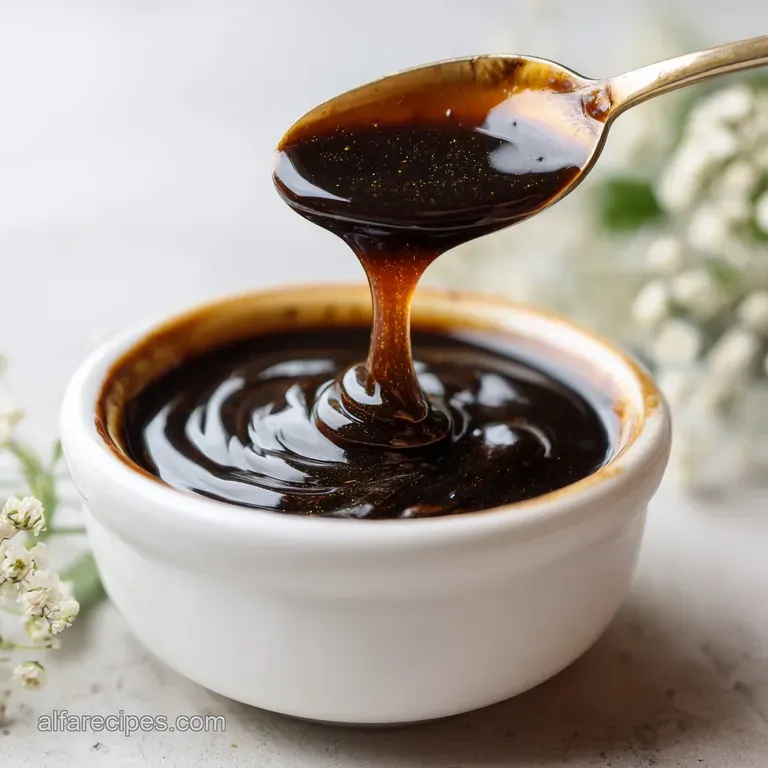
- Time: Active 2 minutes, Passive 20 minutes, Total 22 minutes
- Flavor/Texture Hook: A silky, syrupy glaze with a concentrated sweet and tangy punch.
- Perfect for: Dressing up weeknight salads, drizzling over roasted meats, or brightening fresh fruit.
- The Magic of Simmering a Perfect Balsamic Reduction
- Understanding the Simple Specs for Your Glaze
- Essential Components for a Deeply Flavorful Reduction
- The Right Kitchen Tools for a Smooth Process
- Step by Step Guide to a Silky Finish
- How to Fix Common Texture and Flavor Mistakes
- Adjusting Your Glaze for Different Dietary Needs
- Keeping Your Reduction Fresh for Future Family Meals
- Best Ways to Enjoy Your Homemade Balsamic Glaze
- Myths Regarding Vinegar Reductions
- Scaling Your Production for Large Groups
- Recipe FAQs
- 📝 Recipe Card
The Magic of Simmering a Perfect Balsamic Reduction
I’ll never forget the first time I tried to make a reduction. I walked away for just a second or so I thought to fold a basket of laundry. When I came back, my kitchen didn't smell like a Tuscan villa; it smelled like a burnt rubber factory.
The vinegar had turned into a literal sheet of black carbon fused to my favorite saucepan. I spent three days scrubbing that pan, but I learned a massive lesson: patience and a watchful eye are the two most important ingredients in your kitchen.
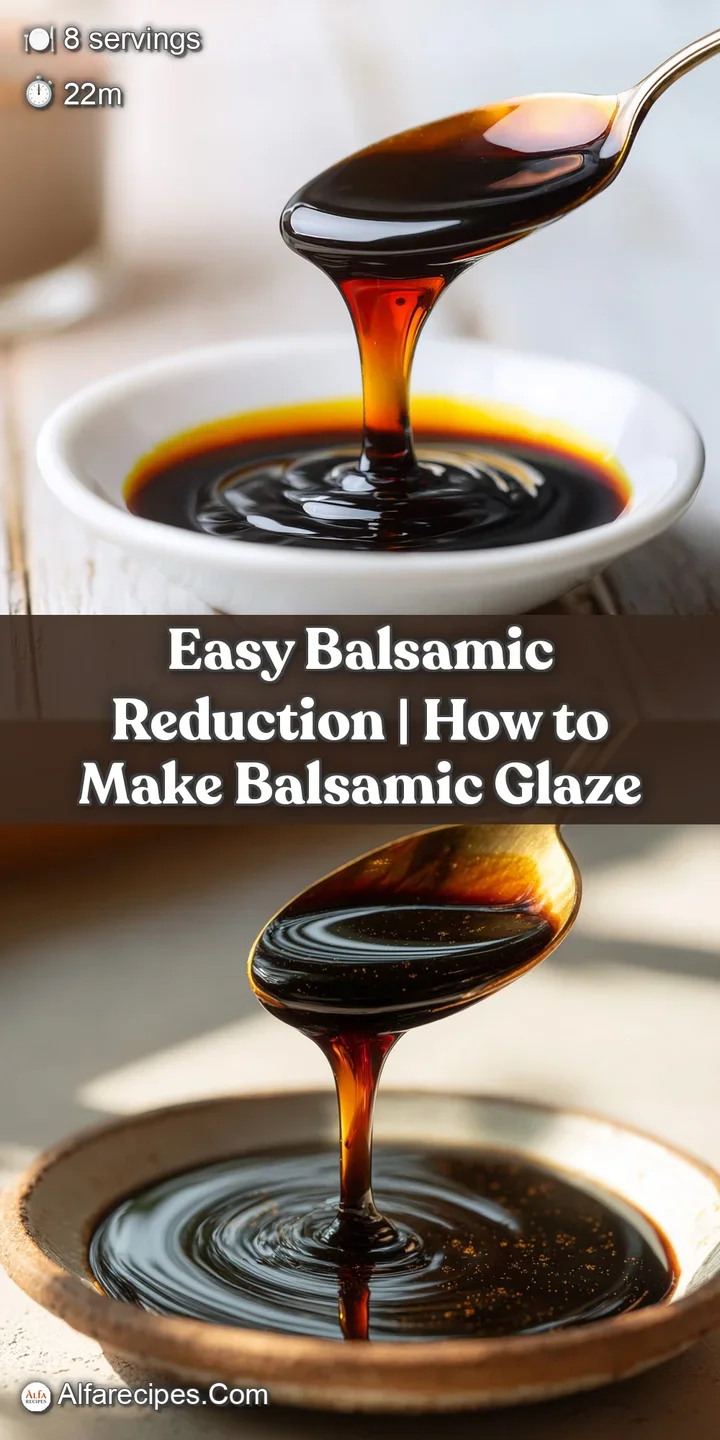
When you get it right, though, the reward is incredible. The sharp, nose stinging aroma of raw vinegar mellows out into something rich and complex. It becomes a thick, velvety liquid that coats the back of a spoon and leaves a glossy trail on the plate.
It’s the kind of trick that makes your family think you’ve spent hours on a "gourmet" sauce when you really just let a pot simmer while you prepped the rest of the meal. We’re talking about real life kitchen wins here.
Right then, let's get into how we make this work without ruining your pans. This isn't about fancy techniques; it's about understanding how heat interacts with the natural sugars in the vinegar.
Once you see that first slow bubble and the way the liquid begins to cling to the sides of the pot, you’ll never go back to those overpriced, preservative filled store bottles again. It’s no fuss, hearty cooking at its best.
Understanding the Simple Specs for Your Glaze
Before we turn on the burner, let's look at why this process is actually a bit of a kitchen miracle. We aren't just heating up liquid; we are performing a controlled evaporation that changes the very structure of the vinegar.
- Concentration Power: As the water evaporates, the acetic acid and natural grape sugars become more concentrated, creating a much deeper flavor profile.
- Viscosity Control: The reduction process increases the sugar to liquid ratio, which is what gives us that "nappe" consistency where the sauce is thick enough to coat a spoon.
- Aromatic Infusion: Adding aromatics like rosemary and orange zest allows the heat to extract essential oils, layering the tanginess with herbal and citrus notes.
- Acidity Mellowing: The intense heat helps dissipate some of the harsher volatile acids, leaving behind a smoother, more palatable finish.
| Method | Time | Texture | Best For |
|---|---|---|---|
| High Heat Boil | 10 minutes | Often bitter or burnt | Not recommended |
| Gentle Simmer | 20 minutes | Silky and glossy | Standard salads and meats |
| Slow Reduction | 35 minutes | Thick, candy like | Desserts and aged cheeses |
This table shows why we aim for that middle ground. Going too fast ruins the flavor, and going too slow might lead to a texture that's too hard to pour once it cools down.
Essential Components for a Deeply Flavorful Reduction
To get the best results, you need to start with the right base. While you don't need a hundred dollar bottle of vintage vinegar, the quality of your Balsamic Vinegar of Modena matters because its flaws will only be magnified as it reduces.
- 2 cups Balsamic Vinegar of Modena: Look for one where "grape must" is the first ingredient. Why this? Higher sugar content leads to a thicker, sweeter glaze without adding extra refined sugar.
- 1 sprig fresh rosemary: Adds a piney, earthy backbone to the sweetness. Why this? Fresh herbs release oils slowly during the simmer without clouding the sauce.
- 1 strip orange zest: Provides a bright, citrusy lift that cuts through the heavy syrup. Why this? The oils in the peel offer a cleaner flavor than using acidic juice.
- 1 pinch sea salt: Just enough to make the other flavors pop. Why this? Salt balances the natural sugars and prevents the reduction from tasting one dimensional.
| Original Ingredient | Substitute | Why It Works |
|---|---|---|
| Balsamic Vinegar | Apple Cider Vinegar + Honey | Higher acidity. Note: Needs honey to mimic the thickness of balsamic. |
| Fresh Rosemary | Dried Thyme (1/2 tsp) | Earthy notes. Note: Strain carefully to avoid a gritty texture. |
| Orange Zest | Lemon Zest | Bright acidity. Note: Lemon is sharper and less sweet than orange. |
Using these fresh additions is a massive step up from the basic versions. If you're looking for a fresh start to a meal, this glaze is incredible drizzled over an Antipasto Salad in recipe. It adds that hit of acidity that wakes up the whole palate.
The Right Kitchen Tools for a Smooth Process
You don't need a laboratory, but using the right pot can be the difference between a successful Balsamic Reduction and a sticky mess. Avoid reactive metals like unlined aluminum or copper, as the acid in the vinegar can pick up a metallic taste.
| Component | Science Role | Pro Secret |
|---|---|---|
| Acetic Acid | Flavor & Preservation | Reduces over time to mellow out the "bite." |
| Grape Must | Natural Sweetener | High must content creates a thicker glaze naturally. |
| Essential Oils (Zest) | Aromatic Layering | Adding the zest at the start allows deep infusion. |
For a no fuss setup, a small stainless steel saucepan is your best friend. It allows you to see the color change clearly and provides even heat distribution. A silicone spatula is also better than a metal spoon for scraping the sides without scratching the pan or reacting with the acid.
Chef's Tip: Use a wide saucepan rather than a deep, narrow one. The increased surface area allows water to evaporate much faster, cutting your cook time down significantly without needing to raise the heat to dangerous levels.
step-by-step Guide to a Silky Finish
Now, let's get cooking. Remember, we are looking for a gentle bubble, not a violent boil. The aroma should be pleasant, not enough to make your eyes water from across the room.
- Pour the 2 cups Balsamic Vinegar of Modena into a small saucepan. Note: Do this before turning on the heat to prevent splashing.
- Add the rosemary sprig, orange zest strip, and pinch of salt to the cold liquid. Note: Starting cold allows the aromatics to infuse as the temperature rises.
- Place over medium heatuntil the liquid begins to sizzle and show small bubbles.
- Lower the heat to a simmer once the first big bubbles appear. Note: It should look like a "lazy" simmer, not a rolling boil.
- Cook for 20 minutes until the liquid has reduced by half and looks syrupy.
- Test the consistency by dipping a spoon into the pot. It should coat the back of the spoon without immediately running off.
- Remove the aromatics using tongs or a slotted spoon. Note: Do this while the liquid is still hot so you don't lose too much glaze stuck to the rosemary.
- Pour into a glass jar and let it cool completely at room temperature. The glaze will thicken significantly as it cools.
Leveraging Natural Concentration
The key here is watching the volume. If you started with 2 cups, you want to end with roughly 1 cup. I usually use a wooden skewer to mark the initial height of the liquid so I can easily see how much has evaporated.
Testing for the Perfect Finish
Don't wait until it looks like thick honey in the pan. If it's that thick while it's hot, it will turn into a rock hard "shatter" texture once it hits room temperature. It should still be quite pourable when you take it off the heat.
How to Fix Common Texture and Flavor Mistakes
Even the best cooks have days where the stove runs a little too hot. If you find yourself with a sauce that isn't quite right, don't throw it out just yet. Most balsamic issues are easy to fix with a little bit of patience.
Rescuing Over Reduced "Candy"
If you cooked it too long and it’s turning into a sticky, tacky mess that won't pour, you’ve essentially made balsamic candy. You can usually save this by adding a tablespoon of water or more raw vinegar and whisking it over very low heat until it thins out again.
Fixing a Thin or Watery Sauce
If your 20 minutes are up and it still looks like thin juice, you likely didn't have the heat high enough or your vinegar has a very high water content. Continue to simmer in 2 minute increments, checking the spoon test frequently.
| Problem | Root Cause | Solution |
|---|---|---|
| Bitter Aftertaste | Heat was too high | Add a teaspoon of honey or maple syrup to balance. |
| Rock Hard When Cold | Over reduction | Re heat with a splash of water and stir until smooth. |
| Cloudy Appearance | Impurities in vinegar | Strain through a fine mesh sieve or cheesecloth. |
Common Mistakes Checklist:
- ✓ Never leave the kitchen while the vinegar is simmering; it turns from syrup to burnt in seconds.
- ✓ Avoid using a lid; we need the steam to escape for the sauce to thicken.
- ✓ Don't use a "Balsamic Vinaigrette" bottle by mistake; it contains oil and won't reduce properly.
- ✓ Ensure the sprig of rosemary is fresh; dried needles are hard to strain out later.
- ✓ Use a glass storage container, as the acid can react with plastic over long periods.
For another savory application, try spooning a little extra over a Bobby Flays Salisbury recipe. The acidity of the reduction cuts through the rich mushroom gravy beautifully.
Adjusting Your Glaze for Different Dietary Needs
This recipe is naturally vegan and gluten-free, which makes it a fantastic "real life" staple for crowded tables with various dietary needs. However, you can tweak it to fit specific lifestyle goals.
Creating a Keto Friendly Infusion
Most balsamic vinegars have a fair amount of natural sugar. If you are strictly keto, you can use a smaller amount of reduction or look for a "low carb" balsamic, though these are often less flavorful. The key is to avoid adding any supplemental sweeteners like honey or brown sugar, which some recipes suggest.
Whole30 and Vegan Compliance
As long as your vinegar doesn't have added caramel color or thickeners (which cheap ones often do), this is perfectly Whole30 and vegan. Always check the label for "Caramel Color" true Balsamic of Modena doesn't need it.
Keeping Your Reduction Fresh for Future Family Meals
Because of the high acidity and sugar concentration, this glaze stays fresh for a surprisingly long time. It’s the ultimate meal prep hack for adding flavor to no fuss weeknight dinners.
- Fridge: Store in an airtight glass jar for up to 3 weeks. The cold will make it very thick, so you might need to let it sit on the counter for 10 minutes before using.
- Freezer: I don't recommend freezing this. The texture can become grainy as the sugars crystallize, and since it lasts so long in the fridge, freezing isn't really necessary.
- Reheating: If it’s too thick to drizzle, place the glass jar in a bowl of warm water for a few minutes. Avoid microwaving it, as it can overheat very quickly and become bitter.
Zero Waste Tip: Don't throw away that orange zest strip! Even after simmering, it will be "candied" in balsamic. Chop it up finely and toss it into a batch of roasted carrots or beets for a concentrated burst of flavor.
Best Ways to Enjoy Your Homemade Balsamic Glaze
Once you have a jar of this in your fridge, you'll find yourself reaching for it constantly. It’s the "secret sauce" that makes a simple family dinner feel special.
The Ultimate Balsamic Glaze Recipe for Chicken
Brush the glaze over grilled or roasted chicken during the last 5 minutes of cooking. The sugars will caramelize under the heat, creating a beautiful, glossy crust that stays juicy inside. It’s also a great pairing for a Side Dish with recipe involving roasted potatoes or asparagus.
Elevating Fresh Produce and Desserts
Don't stop at savory dishes. A tiny drizzle over fresh strawberries or even a high-quality vanilla bean ice cream is a total game changer. The tanginess of the vinegar makes the sweetness of the fruit pop in a way you wouldn't believe until you try it.
Chef's Tip: Grate a little frozen butter into your finished, warm reduction if you want a "Beurre Rouge" style sauce for steak. It adds a velvety richness that feels incredibly indulgent without much extra work.
Myths Regarding Vinegar Reductions
There are a lot of old wives' tales about making glazes, and most of them just make the process more complicated than it needs to be. Let's clear a few things up.
- Myth: You must add sugar to get it to thicken.
- Truth: A good quality balsamic has enough natural grape sugars to thicken perfectly on its own. Adding sugar often makes it cloyingly sweet and prone to burning.
- Myth: The "Balsamic Glaze" in the store is the same as homemade.
- Truth: Most store-bought versions use cornstarch or xanthan gum as thickeners. Homemade reduction relies on pure evaporation, leading to a much cleaner, more intense flavor.
- Myth: You can't use "cheap" vinegar.
- Truth: While you shouldn't use the absolute bottom shelf stuff that tastes like pure acid, a standard $5-8 bottle of Balsamic of Modena works beautifully for reduction. The process is very forgiving!
Scaling Your Production for Large Groups
If you're hosting a big family gathering, you can easily double or triple this recipe. Just be mindful that the more liquid you have in the pan, the longer it will take to evaporate.
- Doubling (4 cups): Use a much wider pan (like a large skillet) to maintain a high surface area. The time will likely increase to about 30-35 minutes.
- Halving (1 cup): Be extremely careful. With such a small amount of liquid, it can reduce and burn in under 10 minutes. Watch it like a hawk.
- Party Prep: If you’re making this for a crowd, do it a day in advance. The flavor actually settles and improves after 24 hours in the fridge.
This is the kind of recipe that embodies what I love about cooking taking a simple, everyday ingredient and, with just a little bit of time and heat, turning it into something that brings everyone together at the table. It’s practical, it’s real, and it’s absolutely velvety.
Trust me, once you smell that rosemary and balsamic simmering on your stove, you'll know exactly what I mean.
Recipe FAQs
What is a balsamic reduction?
It is a thick, syrupy glaze made by simmering balsamic vinegar. This process evaporates the water content, concentrating the natural sugars and mellowing the sharp acidity into a rich, tangy sauce.
How long does balsamic vinegar take to reduce?
Typically between 15 and 25 minutes on a gentle simmer. The exact time depends heavily on the width of your pan and the initial quality of the vinegar. You are aiming to reduce the volume by half.
What's the difference between balsamic vinegar and balsamic reduction?
Vinegar is the thin, liquid base; reduction is the concentrated final product. Reduction is simply vinegar that has had most of its water removed through heat, changing its texture from watery to viscous and sweetening the flavor.
What can I use instead of balsamic reduction?
You can substitute with a glaze made from red wine vinegar and honey, but the flavor won't be identical. For a similar sweet tart profile in a savory dish, you could use a store-bought pomegranate molasses, similar to how we balance flavors in the Instant Pot Steak recipe.
Is it true I must use a wide pan to make the reduction faster?
Yes, this is entirely true for efficiency. A wider surface area increases evaporation, allowing the water to escape quickly so you don't have to use unnecessarily high heat, which can burn the sugars.
How do I know when the balsamic reduction is thick enough?
Test consistency by dipping a spoon in the hot liquid. When you lift it out, the glaze should coat the back of the spoon evenly and not run off immediately; remember, it thickens significantly as it cools down!
Should I stir the balsamic vinegar constantly while it simmers?
No, continuous stirring is unnecessary and inefficient. Stir only occasionally, perhaps every 5 minutes, to ensure even heating and prevent any hot spots from forming on the bottom of the pan.
Simple Balsamic Reduction Sauce
Ingredients:
Instructions:
Nutrition Facts:
| Calories | 56 kcal |
|---|---|
| Protein | 0.3 g |
| Fat | 0 g |
| Carbs | 11 g |
| Fiber | 0 g |
| Sugar | 10 g |
| Sodium | 18 mg |
