Roasted Sheet Pan Vegetables with Garlic
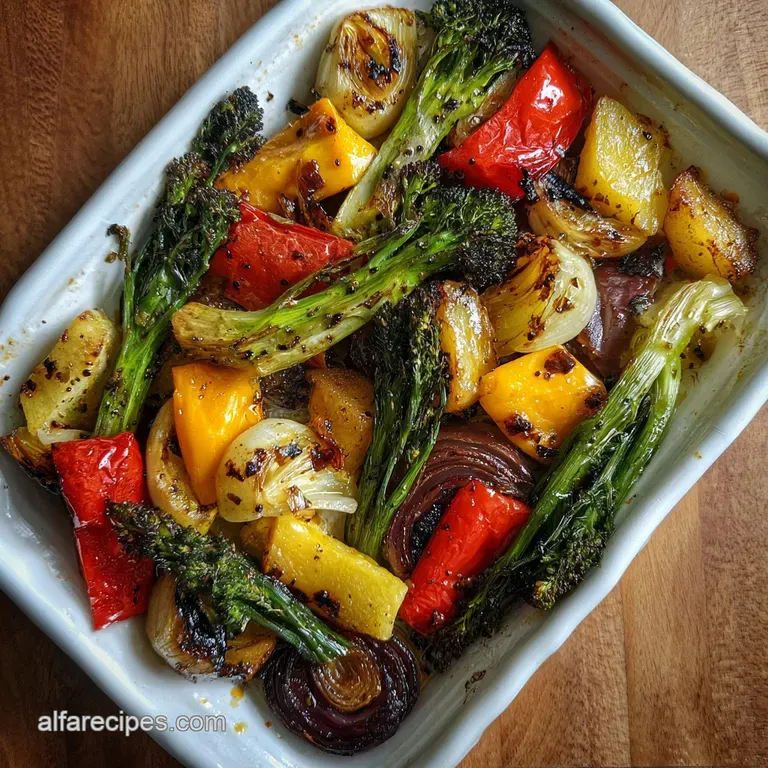
- Time: Active 15 minutes, Passive 25 minutes, Total 40 minutes
- Flavor/Texture Hook: Earthy, caramelized edges with a velvety garlic finish
- Perfect for: Healthy weeknight dinners or simple holiday meal prep
- Perfect Roasted Sheet Pan Vegetables With Garlic
- Fast Stats For Busy Families
- Simple Ingredients For Better Flavor
- Essentials For A Golden Crunch
- Mastering The Easy Cooking Flow
- Troubleshooting Common Roasting Mistakes
- Tasty Variations For Any Meal
- Proper Storage And Reheating Tips
- Hearty Pairings For Family Dinner
- Debunking Common Roasting Myths
- Recipe FAQs
- 📝 Recipe Card
Perfect Roasted Sheet Pan Vegetables With Garlic
There is nothing quite like the sound of a hot sheet pan hitting the counter, the sizzle still whispering as the steam rises. I remember the first time I actually got this right. For years, I’d just toss whatever was in the crisper drawer onto a tray and hope for the best. The result?
A pile of gray, mushy disappointment that my kids would politely push around their plates. I thought I was being healthy, but I was really just being boring.
The turning point came on a rainy Tuesday when I decided to stop overcrowding the pan and actually cranked the heat up. I heard that distinct "pop" of a Brussels sprout leaf crisping up, and the aroma of nine cloves of garlic hitting the oil was better than any candle you could buy.
When I pulled that tray out, the vegetables weren't just cooked - they were transformed. They had these dark, sweet edges that tasted like candy but felt like a hearty meal.
Now, this has become the backbone of our family dinners. It’s the kind of dish that makes a crowded table go quiet because everyone is too busy hunting for the "good bits" - those little crispy garlic slivers or the charred corners of a sweet potato. It’s real life on a tray, messy and imperfect, but absolutely satisfying. We've even started pairing it with our favorite 30 Minute One recipe for a complete meal that feels like a Sunday feast on a weekday.
Fast Stats For Busy Families
Understanding how heat interacts with moisture is the key to moving away from boiled tasting veggies. When we roast, we aren't just heating food - we're engaging in a battle against water. The goal is to evaporate the surface moisture as fast as possible so the natural sugars can start to brown.
This process, which we home cooks love for the flavor it brings, requires three specific things: space, fat, and heat.
- Maillard Reaction
- High heat causes a chemical reaction between amino acids and reducing sugars, creating that savory "browned" flavor.
- Moisture Evaporation
- Using a flat, wide surface area allows steam to escape quickly rather than trapping it under the vegetables.
- Cell Wall Breakdown
- The dry heat softens the tough cellulose in root vegetables while concentrated sugars become syrupy.
- Aromatic Infusion
- Fats like olive oil act as a solvent, pulling the oils out of the garlic and rosemary to coat every inch of the produce.
| Cooking Method | Time | Texture Outcome | Best For |
|---|---|---|---|
| High Heat (400°F) | 25 mins | Crispy edges, tender centers | Maximum flavor and "char" |
| Low Heat (325°F) | 50 mins | Soft, uniform, steamed | Purees or baby food |
| Air Fryer | 15 mins | Extra crunchy, small batches | Quick lunches for two |
Choosing the right method depends on how much time you have, but for a family of five, the sheet pan is the undisputed king. It handles the volume without making you cook in three different batches.
Just make sure your oven is truly up to temperature before that tray goes in, or you'll lose that initial sizzle that locks in the texture.
Simple Ingredients For Better Flavor
When you’re making something this simple, the quality of your produce really matters. I always look for Brussels sprouts that feel heavy for their size and sweet potatoes that are firm to the touch.
The garlic is the star here - using nine large cloves might seem like an overkill, but they mellow out significantly in the oven, turning into soft, buttery bites that aren't sharp at all.
| Ingredient | Science Role | Pro Secret |
|---|---|---|
| Garlic Cloves | Sulfuric compounds provide depth | Smash them to release allicin before roasting |
| Balsamic Vinegar | Acid balances the heavy fats | The sugars in the vinegar help with browning |
| Extra Virgin Olive Oil | Heat conductor and flavor carrier | Don't skimp; it prevents the "dry" parched texture |
| Sweet Potato | High starch for structural integrity | Cut into 3/4 inch cubes for even cooking |
Getting the balance of flavors right is easier than it looks. The rosemary adds a piney, earthy note that cuts through the sweetness of the carrots and sweet potatoes. If you're out of fresh herbs, the dried rosemary works perfectly fine here because the oil rehydrates it during the roasting process.
Hearty Base Ingredients
- 1 lb Brussels sprouts (halved) - Why this? They provide a wonderful bitter contrast to the sweet roots.
- 2 large carrots (peeled and sliced into 1/2 inch coins) - Why this? Carrots become incredibly sweet and candy like when roasted.
- 1 large sweet potato (peeled and cut into 3/4 inch cubes) - Why this? Adds bulk and a creamy texture to the mix.
- 1 red bell pepper (cut into 1 inch chunks) - Why this? Provides a pop of color and juicy acidity.
Garlic And Aromatics
- 9 large garlic cloves (smashed and peeled) - Why this? Smashed cloves roast better than minced ones, which burn too fast.
- 3 tbsp extra virgin olive oil
- 1 tbsp balsamic vinegar
- 1 tsp dried rosemary
- 1.5 tsp flaky sea salt
- 0.5 tsp cracked black pepper
Chef Tip: For the absolute best results, place your empty baking sheet in the oven while it preheats. When you toss the vegetables onto the hot metal, they start searing the moment they touch the pan, giving you a head start on those crispy bottoms.
Essentials For A Golden Crunch
You don't need a kitchen full of gadgets for this, but the quality of your pan makes a difference. A thin, flimsy cookie sheet will warp under high heat and distribute heat unevenly. I highly recommend a heavy duty half sheet pan (like those from Nordic Ware).
They stay flat and hold heat beautifully, which is exactly what we need for that "shatter crisp" texture on the sprouts.
Beyond the pan, a good sharp chef's knife is your best friend. Since we are dealing with dense vegetables like carrots and sweet potatoes, you want clean cuts. If you tear the vegetables with a dull blade, they release more moisture and are more likely to turn out soggy.
A large mixing bowl is also non negotiable; you need enough room to really move the vegetables around so every single piece gets a thin, even coat of oil and vinegar.
| Item | Fresh | Shortcut | Flavor Impact |
|---|---|---|---|
| Garlic | Whole Cloves | Jarred Minced | Huge; jarred garlic often tastes bitter when roasted |
| Carrots | Whole, Peeled | Bagged Baby Carrots | Minimal; baby carrots are wetter and take longer to brown |
| Herbs | Dried Rosemary | Fresh Rosemary | Fresh is brighter, but dried is more concentrated |
Mastering The Easy Cooking Flow
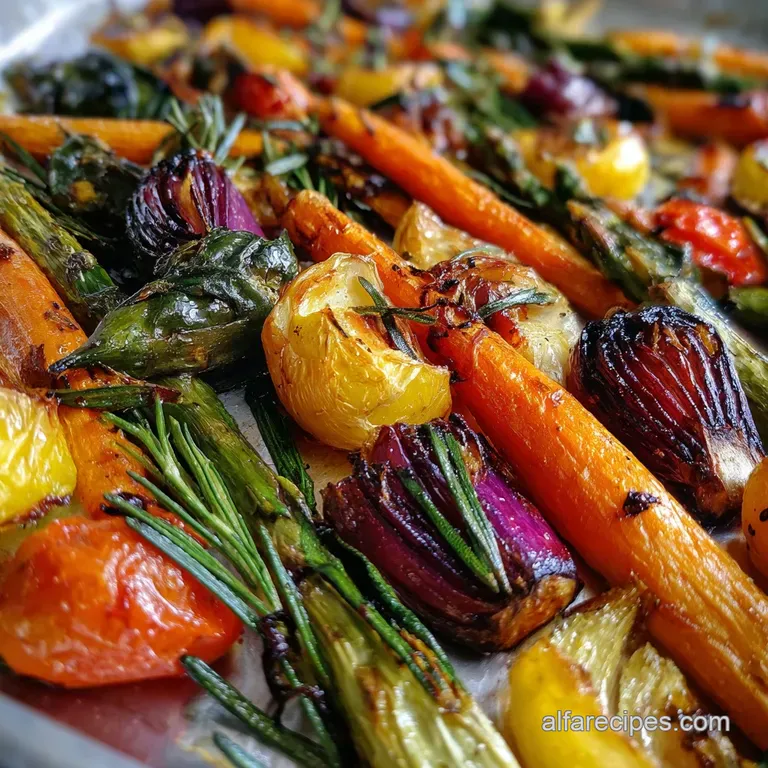
Success with roasted sheet pan vegetables with garlic is all about the "prep flow." If you try to cut as you go, your oven will be running for 20 minutes before you're even ready. I like to get all my chopping done first, toss everything in one big bowl, and then hit the pan.
Here are the steps to get it right every single time.
- Preheat the oven. Set it to 400°F and place your empty sheet pan inside. Note: This ensures the vegetables sizzle immediately.
- Prepare the vegetables. Halve the Brussels sprouts, coin the carrots, and cube the sweet potato.
- Smash the garlic. Use the flat side of your knife to crush the 9 cloves. Note: Keep them whole but flattened to prevent burning.
- Mix the emulsion. In a large bowl, whisk together the olive oil, balsamic vinegar, rosemary, salt, and pepper.
- Coat thoroughly. Dump all the vegetables and garlic into the bowl and toss vigorously until every surface is glossy.
- Arrange the pan. Carefully pull out the hot sheet pan and spread the vegetables in a single layer.
- Create space. Ensure the vegetables are not touching too much. Note: Air needs to circulate to create the crunch.
- Roast the mix. Slide the tray into the center rack for 25 minutes.
- Check for doneness. Roast until the sprouts are charred and the potatoes are fork tender.
- Rest and serve. Let the pan sit for 2 minutes until the sizzling stops before scraping them off with a spatula.
Troubleshooting Common Roasting Mistakes
The most common frustration I hear from friends is that their veggies came out "limp." Usually, it's a temperature issue or a crowding issue. If you put too many vegetables on one pan, they don't roast - they steam in their own juices. It's better to use two pans than to pile them high on one.
Solving Soggy Bottoms
If your vegetables are soft but not brown, your oven might be running cold, or you used too much oil. Oil is a heat conductor, but too much of it creates a greasy film that prevents the "crunch." Make sure you're measuring your oil exactly.
Also, ensure you're using the middle or lower middle rack of the oven where the heat is most intense.
Preventing Burnt Garlic
Garlic burns faster than root vegetables. This is why we smash the cloves rather than mincing them. A whole, smashed clove has less surface area exposed to the direct heat than tiny minced bits.
If you find your garlic is still getting too dark, try tucking the cloves under a larger piece of sweet potato or a bell pepper chunk to shield them for the first 10 minutes.
Fixing Uneven Cuts
If your carrots are still hard while your peppers are mushy, it’s a sizing issue. Carrots and sweet potatoes take longer to cook than peppers. To fix this, cut the harder vegetables into smaller pieces (1/2 inch coins) and the softer ones into larger chunks (1 inch pieces).
This levels the playing field so everything finishes at the same time.
| Problem | Root Cause | Solution |
|---|---|---|
| Vegetables are mushy | Pan is overcrowded | Use two sheet pans or cook in batches |
| Garlic tastes bitter | Garlic is burnt | Use whole smashed cloves instead of minced |
| Carrots are still crunchy | Pieces are too large | Slice carrots into thinner 1/2 inch coins |
Common Mistakes Checklist:
- ✓ Pat the vegetables dry after washing to remove surface water.
- ✓ Never use a "silpat" or silicone mat if you want maximum crispiness; bare metal is better.
- ✓ Don't skip the balsamic; the sugar is what drives the caramelization.
- ✓ Use a flat edged metal spatula to flip the veggies halfway through if you want browning on both sides.
Tasty Variations For Any Meal
One of the reasons I love this roasted sheet pan vegetables with garlic recipe is that it’s a blank canvas. Depending on what we're having for dinner, I can tweak the seasonings to match. If you want a bit of a "kick," a pinch of red pepper flakes goes a long way.
Or, if you're serving this alongside a Mediterranean dish, swapping the rosemary for oregano and finishing with a squeeze of lemon juice is brilliant.
The Umami Bomb
Add 2 tablespoons of freshly grated Parmesan cheese during the last 5 minutes of roasting. The cheese melts into the crevices of the Brussels sprouts and creates a salty, savory crust that is completely irresistible.
Mediterranean Style Twist
Swap the rosemary for dried oregano and use lemon juice instead of balsamic vinegar. After roasting, top the hot vegetables with 1/4 cup of crumbled feta cheese and some fresh parsley. It transforms the dish into something bright and tangy.
Low Carb Substitution
If you are watching your carb intake, you can easily swap the sweet potato for cauliflower florets. Cauliflower roasts beautifully and absorbs the garlic flavor just as well as the potato does.
| Original Ingredient | Substitute | Why It Works |
|---|---|---|
| Sweet Potato | Cauliflower Florets | Lower in carbs; Note: Roasts faster, so check at 20 mins |
| Brussels Sprouts | Broccoli Florets | Similar texture; Note: Ends can char quickly |
| Rosemary | Thyme | Similar earthy profile but slightly more floral |
Proper Storage And Reheating Tips
Roasted vegetables are best eaten fresh off the pan, but they do make for great leftovers if handled correctly. Store them in an airtight container in the fridge for up to 4 days. I don't recommend freezing them, as the texture of the Brussels sprouts and peppers becomes quite watery once thawed.
To reheat, avoid the microwave if you can. It will turn your beautifully roasted gems into a mushy pile. Instead, toss them back onto a sheet pan and pop them into a 400°F oven for 5 to 7 minutes. This will revive the crispy edges.
If you're in a rush, a dry skillet over medium high heat also works wonders to bring back that "sizzle."
For a zero waste tip, don't throw away those little loose leaves that fall off the Brussels sprouts! Toss them right onto the pan with everything else. They turn into "sprout chips" that are incredibly crunchy and flavorful.
Also, if you have leftover roasted garlic cloves, mash them into some softened butter the next morning for the best garlic toast you've ever had.
Hearty Pairings For Family Dinner
These vegetables are substantial enough to be a light lunch on their own, especially if you serve them over a bed of quinoa or farro. However, in our house, they usually play the supporting role to a big protein.
They are the perfect partner for a roast chicken or a seared steak because they soak up any juices left on the plate.
If you are feeling like a cozy night in, try serving these alongside my no knead homemade recipe. We often make a "veggie night" where we have the roasted pan in the center of the table with some fresh bread and a bowl of hummus. It’s a simple, rustic way to eat that feels special without the effort of a multi course meal.
Savory Protein Partners
- Roasted Chicken: The classic choice. The fats from the chicken and the garlic in the veggies are a match made in heaven.
- Grilled Salmon: The acidity of the balsamic vinegar in the vegetables cuts through the richness of the fish perfectly.
- Chickpeas: For a vegan option, toss a can of drained chickpeas onto the pan with the vegetables. They get crispy and add a great boost of protein.
Whole Grain Bases
- Quinoa: Toss the warm roasted vegetables directly into cooked quinoa for an instant grain bowl.
- Farro: The chewy texture of farro stands up well to the hearty root vegetables.
- Polenta: Serve the vegetables over a creamy bed of polenta for a comforting, velvety meal.
Decision Shortcut: If you want extra crunch, preheat the pan for 10 minutes before adding the vegetables. If you want more sweetness, double the balsamic vinegar and add a teaspoon of honey to the oil mix.
If you want a faster meal, cut all vegetables into smaller 1/4 inch pieces to reduce roasting time to 15 minutes.
Debunking Common Roasting Myths
One of the biggest myths is that you need to flip your vegetables every 5 minutes. Honestly, every time you open that oven door, you're letting out the precious heat needed for caramelization. Leave them alone! Let that bottom side get dark and golden.
You only need to flip them once, halfway through, and even that is optional if you have a good convection fan.
Another misconception is that "more oil equals more crisp." In reality, too much oil saturates the vegetable and leads to a heavy, soggy result. You want just enough to create a thin, glistening coat. The goal is to roast, not shallow fry.
Stick to the 3 tablespoons mentioned in the recipe for the perfect balance of flavor and texture.
Finally, some people think you have to peel everything. For carrots and sweet potatoes, the skin actually contains a lot of flavor and nutrients. If you give them a good scrub, you can leave the skins on for a more "rustic" look and a slightly earthier taste.
It also saves you 5 minutes of prep time, which is always a win in my book!
Recipe FAQs
Can I use frozen vegetables for this recipe?
No, it's best to use fresh. Frozen vegetables release too much moisture when cooked, which will steam the vegetables rather than roast them, preventing that desired crispy texture and caramelization.
How do I get crispy roasted vegetables?
Ensure good airflow around each piece. Don't overcrowd the sheet pan, and preheat your oven and the pan itself to a high temperature (400°F or 200°C). This initial blast of heat helps start the crisping process immediately.
What's the best way to cut the vegetables?
Cut harder vegetables like carrots and sweet potatoes into smaller, uniform pieces (about 1/2 inch). Softer vegetables like bell peppers can be cut into larger chunks (about 1 inch). This ensures everything cooks evenly in the same amount of time.
My garlic burnt, how can I prevent this?
Use whole, smashed cloves instead of minced garlic. Smashed cloves have less surface area exposed to direct heat, and you can also tuck them under larger vegetable pieces during roasting to shield them.
Is it necessary to flip the vegetables while roasting?
Flipping is optional but recommended for even browning. If you want caramelization on all sides, flip them halfway through. However, if your oven has a good convection fan, leaving them undisturbed can also yield great results on the bottom.
How long do roasted vegetables last in the refrigerator?
They are best within 3-4 days. Store them in an airtight container to maintain freshness. Reheating in an oven or dry skillet is better than the microwave to restore crispness.
Can I substitute the vegetables listed in the recipe?
Yes, most firm vegetables can be substituted. Consider broccoli, cauliflower, zucchini, or red onions. Just ensure they are cut to a similar size to the original recipe for even cooking, and adjust cooking times as needed.
Roasted Sheet Pan Veggies
Ingredients:
Instructions:
Nutrition Facts:
| Calories | 216 kcal |
|---|---|
| Protein | 5.4 g |
| Fat | 8.9 g |
| Carbs | 32.1 g |
| Fiber | 7.7 g |
| Sugar | 8.4 g |
| Sodium | 712 mg |
