Restaurant Baked Potatoes: Steakhouse Style
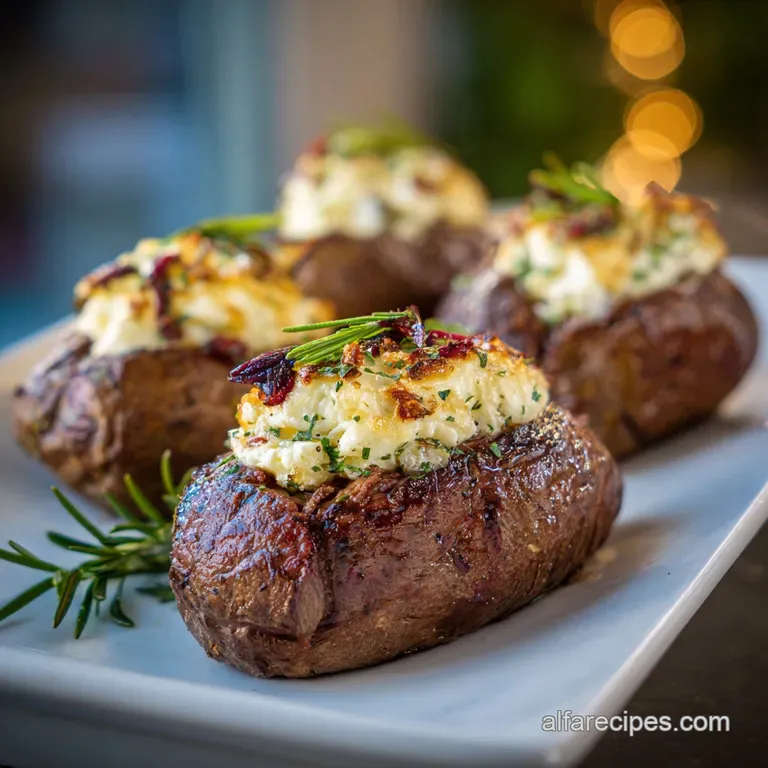
- Time: Active 10 minutes, Passive 1 hours, Total 1 hours 10 mins
- Flavor/Texture Hook: Shattering salt crust with a velvety, snow white center
- Perfect for: Sunday family dinners or reproducing that fancy steakhouse vibe at home
- Master the Ultimate Restaurant Baked Potatoes
- Why These Techniques Deliver Better Results
- Essential Stats for Your Potato Success
- high-quality Ingredients for Better Flavor
- Simple Tools for a Better Bake
- Step-By-Step Guide to the Best Potatoes
- Fixing Common Potato Baking Issues
- Fun Topping Ideas to Try
- Scaling This Recipe for Crowds
- Storing and Reheating Your Leftovers
- Best Ways to Serve Your Potatoes
- Debunking Baked Potato Myths
- Critical Level of Sodium
- Recipe FAQs
- 📝 Recipe Card
Master the Ultimate Restaurant Baked Potatoes
I still remember sitting in a dimly lit steakhouse in Chicago, watching a server slice open a potato that literally hissed with steam. The skin didn't look like the sad, shriveled grey jackets I grew up with. It looked like dark parchment, shimmering with salt crystals.
When my fork hit it, the skin didn't just tear it shattered. I spent the next year trying to replicate that exact moment in my own kitchen, and trust me, I failed a lot before I got it right.
The biggest mistake I ever made was thinking "soft equals good." We've been conditioned to wrap our potatoes in foil like little silver burritos, but all that does is steam the skin. It makes it tough and leathery.
If you want a real restaurant baked potatoes experience, you have to let the heat actually touch the vegetable. You want the moisture to leave the skin while the starch inside expands and fluffs up.
Right then, we're going to treat these potatoes with the same respect you'd give a prime rib. We aren't just "baking" them; we’re essentially curing the skin and aerating the middle. It’s no fuss, but it requires a bit of patience and the right temperature.
Once you see that puffy, white interior against the dark, salty crust, you’ll never go back to those soggy foil wrapped versions again. Let’s crack on.
Why These Techniques Deliver Better Results
- over High heat Dehydration: Baking at 200°C (approx 400°F) forces moisture out of the skin, creating a brittle, crispy exterior rather than a chewy one.
- Starch Gelatinization: Sustained heat breaks down the potato's internal cell walls, allowing the starch granules to swell and separate into a light, airy texture.
- Osmotic Pressure: Using sea salt on the wet skin draws out surface moisture immediately, helping the skin crisp up the moment it hits the oven.
- The Oil Delay: Applying oil only at the very end prevents the skin from becoming greasy and heavy, ensuring the "shatter" factor remains.
| Potato Weight | Oven Temp | Cook Time | Doneness Cue |
|---|---|---|---|
| 250g (Small) | 200°C | 45 minutes | Soft when squeezed |
| 300g (Medium) | 200°C | 55 minutes | Skin looks papery |
| 350g+ (Large) | 200°C | 1 hours 5 mins | Internal temp 96°C |
If you are planning a big family get together, it's worth noting that the cook time doesn't change much whether you have two potatoes or six in the oven, provided they aren't touching each other.
For a crowded table, I always recommend using a wire rack over a baking sheet to ensure the hot air can circulate under the bottom of the tuber, otherwise, you'll end up with a flat, soggy spot where the potato meets the metal.
Essential Stats for Your Potato Success
| Component | Science Role | Pro Secret |
|---|---|---|
| Russet Variety | High starch content | Choose potatoes that feel heavy for their size but have dry, dusty skin. |
| Sea Salt | Moisture extraction | Use a coarse grain; it provides a better textural contrast against the skin. |
| Grape Seed Oil | High smoke point | This oil stays stable at high heat, preventing a "burnt oil" aftertaste on the skin. |
| Unsalted Butter | Fat emulsification | Melt it first so it soaks deep into the starch fibers rather than sitting on top. |
high-quality Ingredients for Better Flavor
- 4 large Russet potatoes (approx. 280 340g each). Why this? Russets have the high starch needed for a fluffy, non waxy interior.
- 2 tbsp Sea salt. Why this? The coarse texture creates that iconic steakhouse crust we're after.
- 2 tbsp Grape seed oil. Why this? It has a neutral flavor and won't smoke at high oven temperatures.
- 1 tbsp Melted unsalted butter. Why this? Adding fat to the fluff creates a richer, more velvety mouthfeel.
- 0.5 cup High fat sour cream. Why this? The acidity cuts through the heavy starch of the potato perfectly.
- 4 strips Thick cut bacon. Why this? Provides a smoky, salty crunch to contrast the soft potato.
- 2 tbsp Fresh chives. Why this? Adds a bright, oniony finish that looks beautiful on the plate.
- 1 tsp Freshly cracked black pepper. Why this? Sharpness balances the richness of the butter and sour cream.
| Original Ingredient | Substitute | Why It Works |
|---|---|---|
| Russet Potato | King Edward / Maris Piper | Similar high starch profile that fluffs up well when roasted. |
| Grape Seed Oil | Avocado Oil | Both have high smoke points and neutral flavors for over high heat roasting. |
| Sour Cream | Greek Yogurt (Full fat) | Offers the same tang and creamy texture but with more protein. |
| Chives | Green Onion Tops | Provides a similar mild Allium flavor just slice them very thin. |
When you're picking your potatoes at the store, try to find ones that are roughly the same shape and size. It sounds fussy, but it makes a huge difference in making sure they all finish at the same time. If you have one massive potato and one tiny one, the small one will be a brick by the time the big one is ready. If you love this kind of hearty, no fuss side, you might also enjoy my Smoked Sausage with recipe which uses a similar over high heat roasting technique for the veggies.
Simple Tools for a Better Bake
You don't need a kitchen full of gadgets for this, but a few basics make it easier. A sturdy wire cooling rack set inside a rimmed baking sheet is the "secret weapon" here. It lets the heat hit the potato from 360 degrees. You'll also want a fork for pricking the skin this is non negotiable.
Without those steam vents, the pressure inside can build up, and while exploding potatoes are a great story, they’re a nightmare to clean out of your oven.
A digital meat thermometer is another one of those things I didn't think I needed for a potato until I actually used one. We’re aiming for an internal temperature of about 96°C to 98°C.
At this temperature, the starch has fully hydrated and the interior is at its peak fluffiness. If you pull it out too early, the center will be "waxy" or solid.
step-by-step Guide to the Best Potatoes
- Preheat your oven to 200°C and set a wire rack inside a large baking sheet.
- Scrub the 4 large Russet potatoes under cold water until the skin feels gritty and clean. Note: Don't use soap, just a clean vegetable brush.
- Pat the potatoes completely dry with a lint free towel. Note: Excess water will steam the potato instead of crisping it.
- Prick each potato 6 8 times with a fork. until you feel the tines hit the center.
- Rub the damp skins with the 2 tbsp sea salt. until they are evenly coated in white grains.
- Place potatoes on the wire rack and bake for 45 minutes until the skin looks slightly darkened.
- Remove the tray and brush each potato with the 2 tbsp grape seed oil. Note: This is where the magic happens for the texture.
- Return to the oven for 10–15 minutes until the skin is crisp and sizzling.
- Remove and immediately slice a line down the center. until steam billows out of the opening.
- Fluff the interior with a fork, then stir in 1 tbsp melted unsalted butter and 1 tsp black pepper.
Chef's Tip: To get that "explosive" fluff, don't just cut the potato open. Use your thumbs (wrapped in a towel!) to squeeze the ends of the potato toward the center after you make the initial slit. This forces the starch upward and creates more surface area for your toppings to cling to.
Once you've mastered this fluffing technique, you'll realize it's the same base logic used in my Mashed Potatoes with recipe, where we focus on keeping the starch granules intact while adding fat for that velvety finish.
Fixing Common Potato Baking Issues
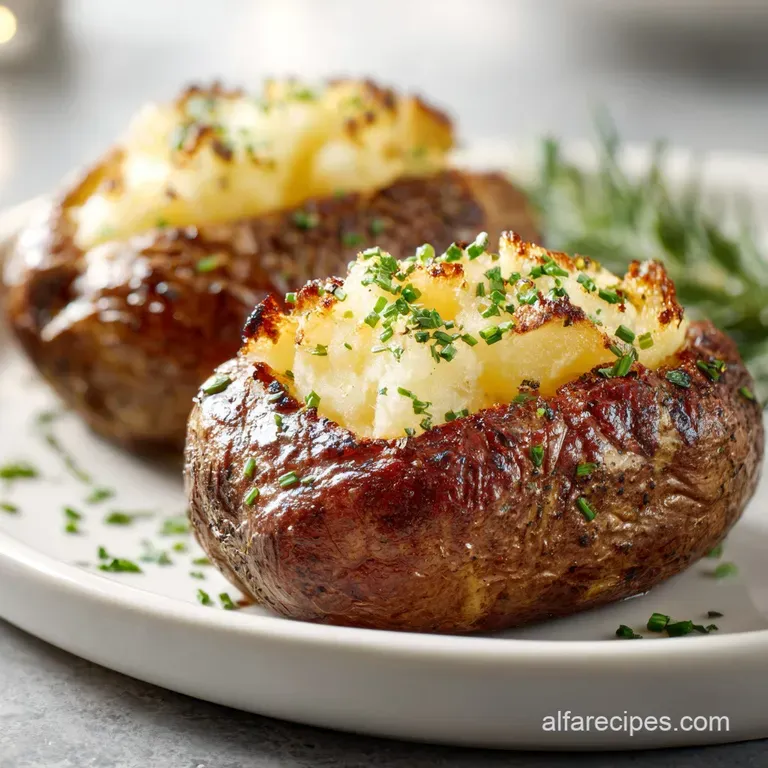
Why Your Potato Skin is Chewy
This usually happens because of moisture. If you didn't dry the potato well enough after washing, or if you wrapped it in foil, the skin steams. Steam softens the pectin in the skin rather than drying it out. The fix is simple: never use foil and always bake them on a rack so air can circulate.
If they've already come out chewy, you can sometimes save them by cranking the oven up and giving them another 10 minutes of "naked" baking.
Why the Center is Gummy
A gummy or dense center means the potato didn't reach a high enough internal temperature. The starch needs to hit at least 95°C to fully "blossom." If your oven runs cold, or if you took the potato out the moment it felt "soft," you likely missed that window. Next time, use a thermometer.
It’s the only way to be 100% sure you’ve reached peak fluffiness.
| Problem | Root Cause | Solution |
|---|---|---|
| Burnt Bottoms | Direct pan contact | Use a wire rack to lift the potato off the hot metal surface. |
| Bland Interior | No salt inside | Season the "fluff" with salt and pepper immediately after opening. |
| Greasy Exterior | Oiled too early | Wait until the last 10 minutes of cooking to apply the oil. |
Common Mistakes Checklist:
- ✓ Never wrap the potatoes in foil (this creates a "boiled" flavor).
- ✓ Don't skip the fork pricking (it prevents the potato from bursting).
- ✓ Use Russets only (waxy potatoes like Red Bliss will stay dense).
- ✓ Add the butter while the potato is screaming hot (it needs to emulsify).
- ✓ Scrub the skins well (people love eating the salty, crispy skin!).
Fun Topping Ideas to Try
While the classic bacon and sour cream combo is hard to beat, you can take these restaurant baked potatoes in a dozen different directions. For a Mediterranean vibe, I love stuffing them with feta cheese, kalamata olives, and a drizzle of high-quality olive oil.
The saltiness of the feta plays incredibly well against the sweet, earthy potato.
If you’re looking for a "meal in a skin," try topping the fluffed interior with leftover chili or even a scoop of pulled pork. Honestly, don't even bother with low-fat cheese here; you want something that melts into a gooey pool.
A sharp white cheddar or a smoked gouda adds a layer of complexity that makes the dish feel like a gourmet main course rather than just a side.
Scaling This Recipe for Crowds
Scaling Down
If you are just cooking for yourself, you can easily do a single potato. Use the same temperature and time, but you might find the potato finishes about 5 minutes faster since there's more air volume in the oven for one object.
Use a small toaster oven if you have one that reaches 200°C it’s more energy efficient for a single tuber.
Scaling Up
For a family of 8 or more, you'll need two baking sheets. Do not overcrowd one tray; leave at least 5cm of space between each potato. If you pack them in like sardines, the air can't circulate, and you'll end up with those dreaded chewy skins.
Increase the total cook time by about 10 minutes to account for the heat loss when you open the oven door to load it up.
| Group Size | Potato Count | Prep Flow |
|---|---|---|
| 2 People | 2 Large | Standard rack, no adjustments needed. |
| 6 People | 6 Large | Use a full size sheet pan with a large rack. |
| 10 People | 10 Large | Rotate trays halfway through for even browning. |
Storing and Reheating Your Leftovers
Storage: You can keep leftover baked potatoes in the fridge for up to 4 days. Store them in an airtight container once they have cooled to room temperature. Avoid wrapping them in plastic wrap while they are still warm, as the trapped steam will make the skin slimy and the interior dense.
Zero Waste: If you find yourself with just the skins left over, don't toss them! You can fry them in a little oil until they are extra crispy and serve them as "potato skin chips." If you have leftover potato flesh, it's the perfect base for a quick gnocchi or can be folded into a soup to act as a natural thickener.
Reheating: To get that crunch back, avoid the microwave. Reheat the potatoes in a 200°C oven or air fryer for 10–12 minutes. This dries out the skin again and restores the fluffiness of the interior.
If you must use a microwave, do it in 30 second bursts, but accept that the skin will be soft.
Best Ways to Serve Your Potatoes
These potatoes are the natural partner for a seared steak or a roasted chicken. Because they are so rich and salty, they pair beautifully with a crisp green salad tossed in a sharp vinaigrette. The acidity of the dressing cleanses your palate between bites of the buttery potato. It’s all about balance.
If you are hosting a casual get together, a "Baked Potato Bar" is a total winner. Set out bowls of the 4 strips of crumbled bacon, 2 tbsp chives, and 0.5 cup sour cream, then let everyone build their own.
It’s real life entertaining that doesn't require you to be stuck at the stove while everyone else is chatting. Just pull the hot potatoes out of the oven, fluff them up, and let the guests do the rest.
Debunking Baked Potato Myths
"Foil keeps the potato moist." This is a half truth that ruins the texture. While foil does prevent moisture loss, it traps the steam against the skin, which makes it wet and chewy. A potato is about 80% water; it has plenty of internal moisture to stay "juicy" without the foil shield.
The goal of a restaurant style bake is to let that surface moisture escape.
"You should soak potatoes in salt water first." Some people swear by a brine, but in my experience, it doesn't penetrate the skin deeply enough to flavor the interior. It also makes it much harder to get the skin dry and crispy.
A simple rub of salt on a damp skin provides all the seasoning and crust building power you need without the extra hour of soaking time.

Critical Level of Sodium
1140 mg 1140 mg of sodium per serving (50% 50% of daily value)
The American Heart Association recommends limiting sodium intake to about 2,300mg per day.
Tips to Reduce Sodium in Your Loaded Baked Potato:
-
Bacon Be Gone!-25%
Bacon is a significant source of sodium. Reduce the amount used or, for a lower sodium alternative, consider using unsalted, shredded chicken or smoked paprika for smoky flavor.
-
Salt Swap-20%
Sea salt contributes heavily to the sodium content. Significantly reduce the amount used for seasoning the potatoes, using only a pinch or omit it altogether and salt to taste after cooking.
-
Sour Cream Switch-15%
Even high fat sour cream contains sodium. Try substituting with plain Greek yogurt, which has significantly less sodium and adds a similar creamy texture. Alternatively, use a reduced sodium sour cream option if available.
-
Unsalted is Key-10%
Ensure the butter used is truly unsalted. Even a small amount of salted butter can contribute to the sodium content. If needed, you can enhance the flavor with garlic powder or onion powder.
-
Herb Power!
Enhance flavor without adding sodium by experimenting with fresh herbs such as dill, parsley, or thyme. These add depth and complexity to the dish.
Recipe FAQs
How do restaurants make their baked potatoes so good?
They skip the foil and bake at high heat. Restaurants focus on dehydrating the skin using high heat (around 400°F) on a wire rack, which creates the desired shattering crust while the inside steams properly.
What potatoes do restaurants typically use for baked potatoes?
Russet potatoes are the industry standard. Their high starch content is crucial because it results in a fluffy, airy interior texture once cooked completely, unlike lower starch waxy varieties.
What makes Texas Roadhouse baked potatoes so good?
They are double baked and utilize specific fats. After the initial bake, the inside is scooped, mixed heavily with butter and sour cream, and then returned to the oven in the skin to achieve maximum fluffiness.
How to cook a baked potato in the oven like a restaurant?
Rub the damp skins with coarse salt and bake directly on a wire rack. Prick the potato thoroughly, dry the skin completely after washing, and apply oil only for the last 10 15 minutes of cooking to maximize crispness.
Is it true that wrapping potatoes in foil keeps them moist?
No, this is a common misconception that leads to soggy skin. Foil traps steam against the potato surface, which softens the skin and makes it chewy instead of brittle.
What internal temperature should a restaurant quality baked potato reach?
Aim for 96°C (205°F) internally for perfect fluffiness. Hitting this temperature ensures the starch granules have fully separated, leading to a light, non-waxy texture inside.
Can I use a substitute for Russet potatoes if I don't have them?
Yes, look for other high starch varieties like King Edward or Maris Piper. The key is a high starch-to-moisture ratio; waxy potatoes will remain dense, much like the texture we avoid in our Soft and Chewy recipe.
Restaurant Baked Potatoes Recipe
Ingredients:
Instructions:
Nutrition Facts:
| Calories | 472 kcal |
|---|---|
| Protein | 11.2 g |
| Fat | 19.6 g |
| Carbs | 65 g |
| Fiber | 6.2 g |
| Sugar | 2.8 g |
| Sodium | 1140 mg |
