Paleo Chicken Yakitori Japanese Skewers with Ginger
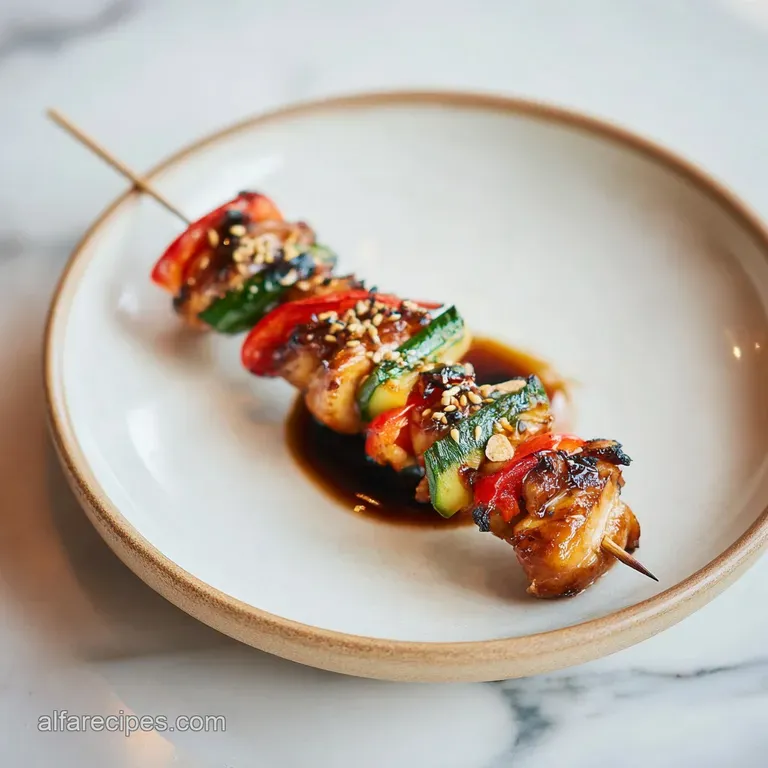
- Time: Active 20 minutes, Passive 10 minutes, Total 30 minutes
- Flavor/Texture Hook: Glossy, ginger spiked glaze over charred, tender poultry
- Perfect for: Healthy meal prep or a fun backyard BBQ alternative
- Mastering Paleo Chicken Yakitori Japanese Chicken Skewer with Ginger
- The Science of Achieving a Glossy Char
- Deciphering the Role of Key Ingredients
- Essential Components for Your Skewer Kit
- Master the Skewer Prep Flow
- Executing the Perfect Baste and Char
- Solving Texture and Temperature Hurdles
- Adaptations for Dietary Needs and Preferences
- Scaling for Large Groups or Meal Prep
- Maximizing Freshness and Reducing Kitchen Waste
- Debunking Traditional Grilling Misconceptions
- Curating the Ideal Vibrant Plate
- Very High in Sodium
- Recipe FAQs
- 📝 Recipe Card
Mastering Paleo Chicken Yakitori Japanese Chicken Skewer with Ginger
The sizzle of meat hitting a hot grate is basically my favorite song, especially when it's followed by that sharp, spicy aroma of fresh ginger. I remember the first time I tried a traditional yakitori stall, watching the chef rhythmically flip skewers over glowing coals.
The smoke was thick, the glaze was mahogany, and the flavor was something I couldn't stop thinking about for weeks. I wanted that same experience at home, but without the processed sugars and soy found in most bottled sauces.
This recipe delivers perfectly grilled Paleo Chicken Yakitori Japanese Chicken Skewers with a zesty ginger kick. We're using coconut aminos and raw honey to create a thick, sticky glaze that rivals any restaurant version, while keeping things completely clean and nutrition focused.
It's the kind of meal that makes you feel like a pro in the kitchen, even on a busy Tuesday night when you've only got 30 minutes to spare.
You'll love how the scallions get all charred and sweet, providing a vibrant contrast to the savory chicken. Whether you're a veteran meal prepper or just someone looking for a budget friendly way to spice up your protein routine, this dish is a total winner.
We've stripped away the fluff and kept the technique simple so you can focus on getting that perfect, glossy finish every single time. Trust me, once you smell that ginger and garlic hitting the heat, you'll be hooked just like I was.
The Science of Achieving a Glossy Char
To get that restaurant quality finish, we have to understand how our ingredients react to heat. Traditional yakitori relies on "tare," a basting sauce that thickens as it cooks. In our version, we're manipulating the sugars in honey and the natural amino acids in coconut aminos to create a similar effect without the cornstarch or refined additives.
- Maillard Reaction: The honey and aminos react with the chicken protein under high heat, creating hundreds of new flavor compounds and that characteristic dark brown color.
- Fat Insulation: Using chicken thighs instead of breasts provides intramuscular fat, which protects the meat from drying out during the intense, direct heat of grilling.
- Viscosity Control: Reducing the marinade into a glaze concentrates the solutes, allowing it to cling to the meat rather than dripping off into the coals.
- Enzymatic Tenderizing: The fresh ginger contains zingibain, a protease that gently breaks down protein fibers, ensuring every bite is tender and juicy.
| Thickness of Meat | Internal Temp | Rest Time | Visual Cue |
|---|---|---|---|
| 1 inch cubes | 165°F | 3 minutes | Juices run clear, glaze is bubbly |
| 1.5 inch cubes | 165°F | 5 minutes | Firm to the touch with slight spring |
| 0.5 inch strips | 160°F | 2 minutes | Edges are crisp and deeply browned |
Since we are focusing on healthy, high protein meals, you might also enjoy my Chicken Teriyaki Recipe which uses a similar flavor profile for a quick stovetop meal. Both recipes rely on that perfect balance of sweet and savory to keep things interesting.
Deciphering the Role of Key Ingredients
Understanding why we use specific components helps you become a more intuitive cook. It's not just about flavor, it's about the chemistry that happens inside the pan or on the grill.
| Ingredient | Science Role | Pro Secret |
|---|---|---|
| Coconut Aminos | Umami & Salt Source | Naturally sweeter than soy, it caramelizes faster at lower temps. |
| Raw Honey | Glaze Thickener | Acts as a humectant, keeping the chicken moist while providing "stickiness." |
| Fresh Ginger | Protein Relaxer | Use a microplane to create a paste; this releases more juice for better coverage. |
| Rice Vinegar | pH Balancer | The acidity cuts through the richness of the chicken thighs for a balanced palate. |
When you're shopping for these items, look for organic ginger with smooth skin, it's much easier to peel and has a more vibrant, spicy punch. If the ginger is shriveled, it'll be woody and bitter, which can ruin that delicate balance we're aiming for.
Essential Components for Your Skewer Kit
To get the job done right, you don't need a professional yakitori grill, but a few specific tools make the process much smoother and prevent common headaches like burnt sticks or sticking meat.
- Bamboo Skewers: The standard choice. Just make sure to soak them for at least 20 minutes so they don't turn into toothpicks of fire on the grill.
- Cast Iron Grill Pan: If you aren't firing up the outdoor grill, a seasoned cast iron pan (like a Lodge) gives you those beautiful char marks and even heat distribution.
- Microplane Grater: This is essential for the ginger and garlic. You want a fine paste so the flavors distribute evenly through the glaze without leaving chunky bits that might burn.
- Silicone Basting Brush: Much easier to clean than the old school hair brushes, and it holds onto the thick paleo glaze much better.
- Kitchen Shears: I find these way faster for cutting scallions into perfect 1 inch lengths than using a knife and board.
If you find yourself making a lot of poultry dishes, having a reliable meat thermometer is the best investment you can make for your kitchen. It's the difference between a dry dinner and a vibrant, juicy meal. I use mine for everything, from these skewers to my Lemon Pepper Chicken recipe.
Master the Skewer Prep Flow
This 3 step timeline will keep you organized and ensure you aren't rushing when the grill is hot.
- The Prep (15 mins): Soak your skewers, cube the 1.5 lbs of chicken thighs, and chop your scallions. Whisk the marinade together.
- The Build (10 mins): Thread the chicken and scallions, then let them sit for a few minutes while the grill preheats. This allows the salt to start penetrating the meat.
- The Fire (10 mins): Grill with a constant eye, basting frequently in the final 4 minutes to build that thick, mahogany crust.
Executing the Perfect Baste and Char
Follow these steps carefully. The secret to great yakitori isn't just the ingredients, but the timing of the glaze application.
Phase 1: Crafting the Paleo Tare
In a small saucepan, combine 0.5 cup coconut aminos, 2 tbsp raw honey, 1 tbsp rice vinegar, 2 tsp freshly grated ginger, 2 cloves smashed garlic, and 0.5 tsp toasted sesame oil. Simmer over medium heat for about 5-7 minutes until the liquid reduces by a third and looks syrupy.
Note: This concentration step is vital for the glaze to actually stick to the chicken. Set aside half of this mixture for final basting to avoid cross contamination with raw meat.
Phase 2: Mastering the Skewer Technique
Take your 1.5 lbs of cubed chicken thighs and 2 bunches of chopped scallions. Thread them onto the soaked skewers, alternating one piece of chicken with one piece of scallion. Pack them tightly together so they stay juicy, but don't smash them so hard that the centers can't cook.
Sprinkle 1 tsp sea salt evenly over the finished skewers.
Phase 3: The Sear and Baste Method
Preheat your grill or pan to medium high and brush with 1 tbsp avocado oil. Place skewers down and cook for 3 minutes without moving them until you hear a consistent sizzle and see char marks. Flip and cook for another 3 minutes.
Now, start brushing on that reduced glaze. Flip every 60 seconds, applying more glaze each time, until the chicken is glossy and reaches 165°F.
Solving Texture and Temperature Hurdles
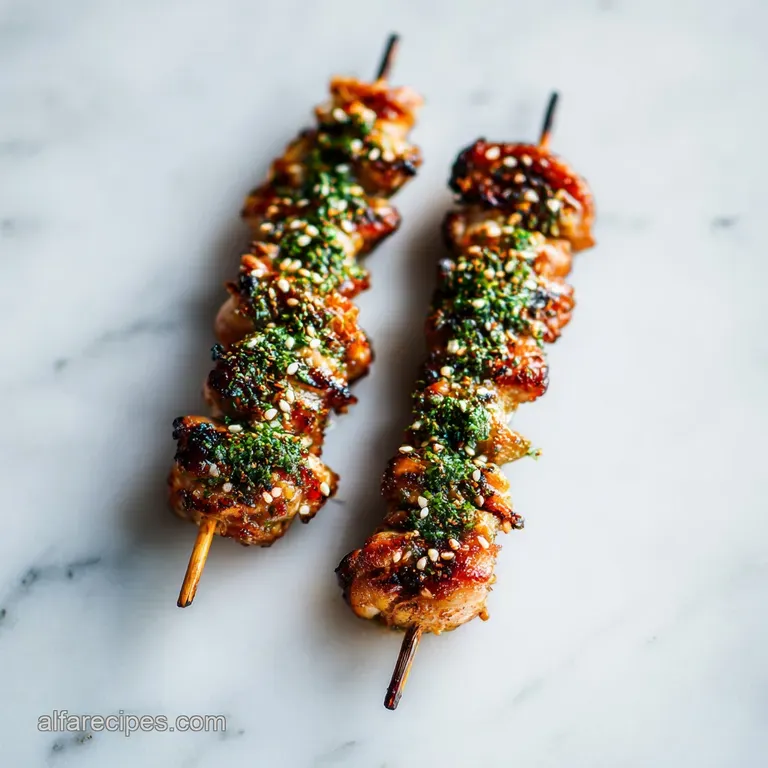
Even for a pro, things can go sideways. The most common issue with paleo grilling is the lower burning point of natural sweeteners like honey compared to refined sugar.
Why Your Skewers Are Burning
If your glaze is turning black before the chicken is cooked through, your heat is likely too high, or you started basting too early. Honey caramelizes quickly. Always wait until the chicken is mostly cooked through before applying the bulk of your sauce.
Why Your Meat is Rubbery
This usually happens with chicken breasts, but even thighs can get tough if overcooked. Using a thermometer is the only way to be 100% sure. Also, make sure you aren't skipping the rest period; those 3-5 minutes allow the fibers to relax and reabsorb juices.
| Problem | Root Cause | Solution |
|---|---|---|
| Glaze is too thin | Not enough reduction | Simmer the sauce for 3-5 more mins until it coats a spoon. |
| Chicken is dry | Overcooked or lean meat | Switch to thighs and pull at 160°F (carryover will hit 165°F). |
| Scallions are burnt | Heat is too direct/high | Move skewers to a cooler part of the grill for the final basting. |
Common Mistakes Checklist
- ✓ Soak skewers for 30 mins: Prevents the wood from splintering and catching fire.
- ✓ Pat chicken dry: Use paper towels before seasoning to ensure a hard sear rather than steaming.
- ✓ Don't skip the fat: Thighs are essential here for flavor and budget friendliness.
- ✓ Separate the glaze: Always pour half into a separate bowl for the final "clean" baste.
- ✓ Preheat the surface: Wait for the oil to shimmer before adding the meat.
Adaptations for Dietary Needs and Preferences
I'm all about making recipes work for your specific lifestyle. Whether you're doing a strict Whole30 or just trying to save a few dollars at the grocery store, there's always a way to tweak things without losing that vibrant essence.
| Original Ingredient | Substitute | Why It Works |
|---|---|---|
| Raw Honey | Medjool Date Paste | Keeps it Whole30 compliant. Note: It will be thicker and less "clear" but very sweet. |
| Rice Vinegar | Apple Cider Vinegar | Provides a similar tang. Use slightly less as ACV is more pungent. |
| Chicken Thighs | Pork Tenderloin | Similar cook time and lean protein profile. Note: Can dry out faster than thighs. |
If you want a different flavor profile entirely, you could try using the spice blend from my White Chicken Chili recipe as a dry rub before glazing. It adds a smoky depth that pairs surprisingly well with the ginger.
The Whole30 "No Honey" Hack
If you are cutting out all sweeteners, you can still get a sticky glaze! Blend two soaked Medjool dates with a tablespoon of warm water and mix that into your coconut aminos and ginger. It provides the sugar needed for caramelization without the added honey.
It won't be quite as "shiny," but the flavor is incredible and totally nutrition approved.
Scaling for Large Groups or Meal Prep
One of the best things about this recipe is how easily it scales. I often double this on Sundays so I have a high protein lunch ready for the rest of the week.
- Scaling Down (1-2 people): You can easily halve the ingredients, but keep the sauce measurements the same. It's hard to reduce a tiny amount of liquid without it burning. Just save the extra sauce for dipping!
- Scaling Up (8-12 people): Double or triple the chicken and scallions. For the sauce, don't triple the honey or sesame oil exactly; use 1.5x the spices and liquids, then taste. You usually need less than a direct multiplication to get the same punch. Work in batches on the grill to avoid "crowding," which lowers the pan temp and prevents that beautiful char.
If you are cooking for a crowd, keep the finished skewers in a 200°F oven on a wire rack to stay warm while you finish the rest. This prevents them from getting soggy in their own juices.
Maximizing Freshness and Reducing Kitchen Waste
We all hate throwing food away, and this recipe is great for using up those "end of the week" items.
- Storage: These skewers keep beautifully in the fridge for up to 4 days. Store them in an airtight glass container to keep the glaze from drying out.
- Freezing: You can freeze the chicken and scallions already threaded on the skewers in a freezer bag for up to 3 months. Just don't freeze the glaze; make that fresh for the best texture.
- Reheating: Avoid the microwave if you can - it makes the chicken rubbery. Instead, pop them under the broiler for 2-3 minutes or in an air fryer at 350°F for 4 minutes to crisp back up.
- Zero Waste Tip: Don't toss those scallion roots! Put them in a jar of water on your windowsill, and they’ll regrow in about a week. Also, save your ginger peels in a bag in the freezer to boil for a spicy, healthy tea later.
Debunking Traditional Grilling Misconceptions
There are a lot of "rules" in the kitchen that just aren't true. Let's clear a few up so you can cook with more confidence.
- "You must marinate overnight for flavor." Actually, with a high sugar glaze like this, the flavor is mostly on the surface. A 10 minute rest is plenty. Prolonged marinating in vinegar can actually turn the chicken mushy as the acid breaks down the protein too much.
- "High heat seals in the juices." Searing is about flavor (Maillard reaction), not moisture retention. Moisture is kept in by not overcooking the meat and letting it rest after it comes off the heat.
- "Soy sauce is the only way to get umami." Coconut aminos are a powerhouse of savory flavor. While slightly sweeter, when combined with sea salt and toasted sesame oil, they provide a deep, complex profile that most people can't distinguish from traditional soy.
Curating the Ideal Vibrant Plate
Serving this isn't just about the meat. To make it a full, healthy meal, I like to think about color and texture.
- The Base: Serve over cauliflower rice or a bed of shredded cabbage. The extra glaze will soak into the veggies and make them taste amazing.
- The Crunch: Top with toasted sesame seeds and a few extra sliced raw scallions for a fresh bite.
- The Side: A quick cucumber salad with a splash of rice vinegar and a pinch of chili flakes provides a cooling contrast to the warm, spicy ginger chicken.
- The Dip: If you have extra tare sauce left over (the "clean" half you set aside!), serve it in small ramekins for dipping.
Honestly, don't even bother with low-fat sides here. A little healthy fat from avocado or the sesame oil in the sauce helps your body absorb the nutrients from the ginger and garlic. It's a vibrant, budget friendly meal that feels like a total indulgence without the sugar crash.
Now, let's crack on and get that grill hot!
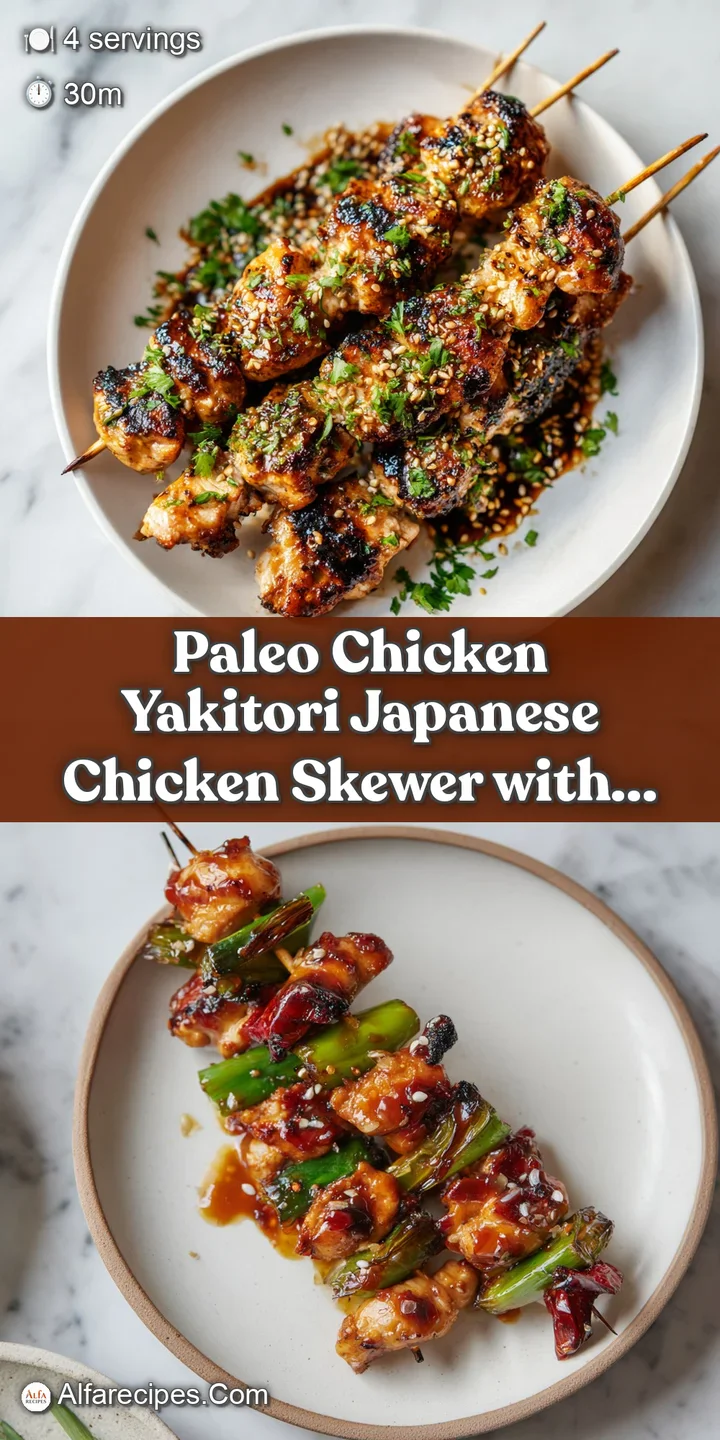
Very High in Sodium
1180 mg mg of sodium per serving (51% of daily value)
The American Heart Association recommends limiting sodium intake to about 2,300mg per day for overall health.
Tips to Reduce Sodium
-
Reduce Sea Salt-25%
Halve the amount of sea salt used from 1 tsp to 0.5 tsp. Even a small reduction can make a significant difference in sodium content. Taste as you go to ensure the flavors are balanced.
-
Low-Sodium Coconut Aminos-20%
Opt for a low-sodium coconut aminos brand. Many brands offer reduced sodium options that can substantially lower the total sodium in your dish.
-
Omit Salt-15%
Completely eliminate the added sea salt from the recipe. The coconut aminos and other ingredients provide enough flavor to the dish, eliminating the need for additional salt. Taste and adjust other seasonings as needed.
-
Acid Boost-5%
Increase the amount of rice vinegar by 1 teaspoon. The extra acidity will enhance the flavors and help to balance the dish if you reduce the salt content. Taste test at the end and adjust as needed.
-
Flavorful Herbs & Spices
Experiment with sodium free herbs and spices like black pepper, red pepper flakes (if you like heat), or dried oregano to enhance the flavor profile. These additions can help compensate for the reduced saltiness without adding sodium.
Recipe FAQs
Can I substitute chicken breast for the thighs in this Paleo Yakitori?
No, it is highly recommended to use thighs. Chicken thighs contain necessary intramuscular fat which protects them from drying out under the intense direct heat required for proper charring.
How to achieve the necessary glossy, sticky glaze without refined sugar?
Simmer the coconut aminos and honey until reduced by one third. This concentration process increases the viscosity, allowing the natural sugars to cling to the meat and achieve caramelization without burning immediately.
Is it true that soaking bamboo skewers is optional if using a gas grill?
No, soaking skewers is crucial regardless of the heat source. Soaking the bamboo for at least 20 minutes prevents them from burning or splintering when exposed to high temperatures.
How do I incorporate the fresh ginger most effectively for maximum flavor transfer?
Use a microplane to create a fine paste of the ginger. This technique releases significantly more juice and aromatic oils than mincing, ensuring the flavor is evenly distributed throughout the glaze.
What is the ideal internal temperature for pulling the chicken skewers off the heat?
Pull the skewers when the internal temperature reaches 160°F. Allow a 3-5 minute rest period, as carryover cooking will bring the meat safely to the required 165°F without overcooking the exterior.
If I don't have a grill, how can I still get char marks on my Paleo Yakitori?
Use a well seasoned cast iron grill pan over medium high heat. The heavy metal transfers intense, direct heat, mimicking the grate marks; mastering this stable heat transfer is key, similar to how we ensure even cooking in our pan-fried Chicken recipe.
Can I use an alternative to coconut aminos if I am avoiding soy derivatives entirely?
Yes, you can substitute with a date paste reduction for sweetness. If you need a savory replacement, look for certified soy-free Worcestershire sauce, although it changes the fundamental flavor profile.
Paleo Chicken Yakitori Skewers
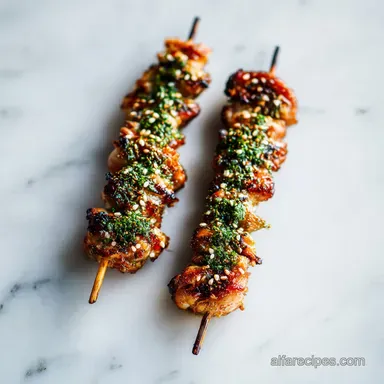
Ingredients:
Instructions:
Nutrition Facts:
| Calories | 338 kcal |
|---|---|
| Protein | 34g |
| Fat | 12g |
| Carbs | 21g |
| Fiber | 1g |
| Sugar | 17g |
| Sodium | 1180mg |
