Filet Mignon in the Oven
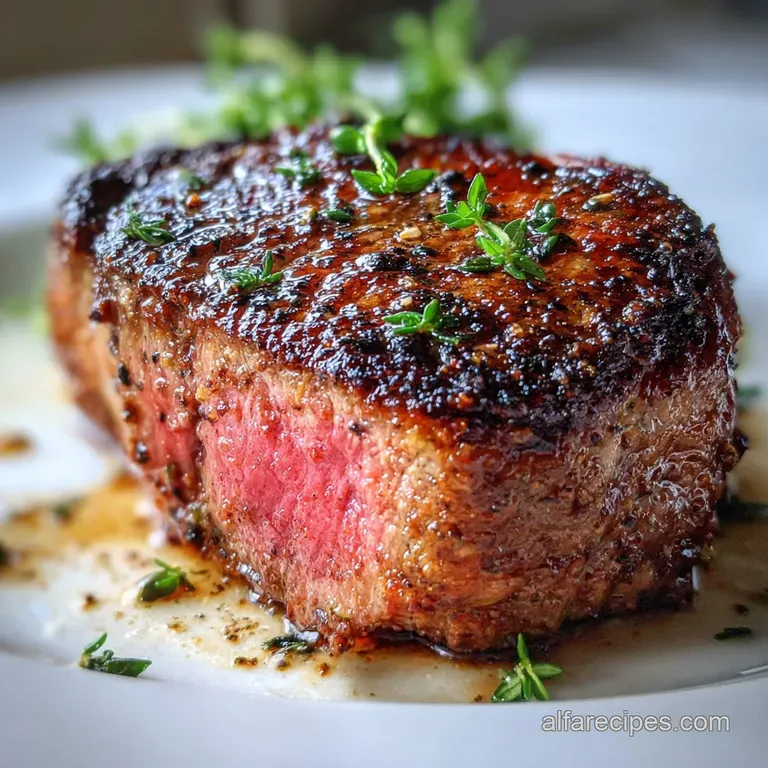
- Time: Active 10 minutes, Passive 45 minutes, Total 55 minutes
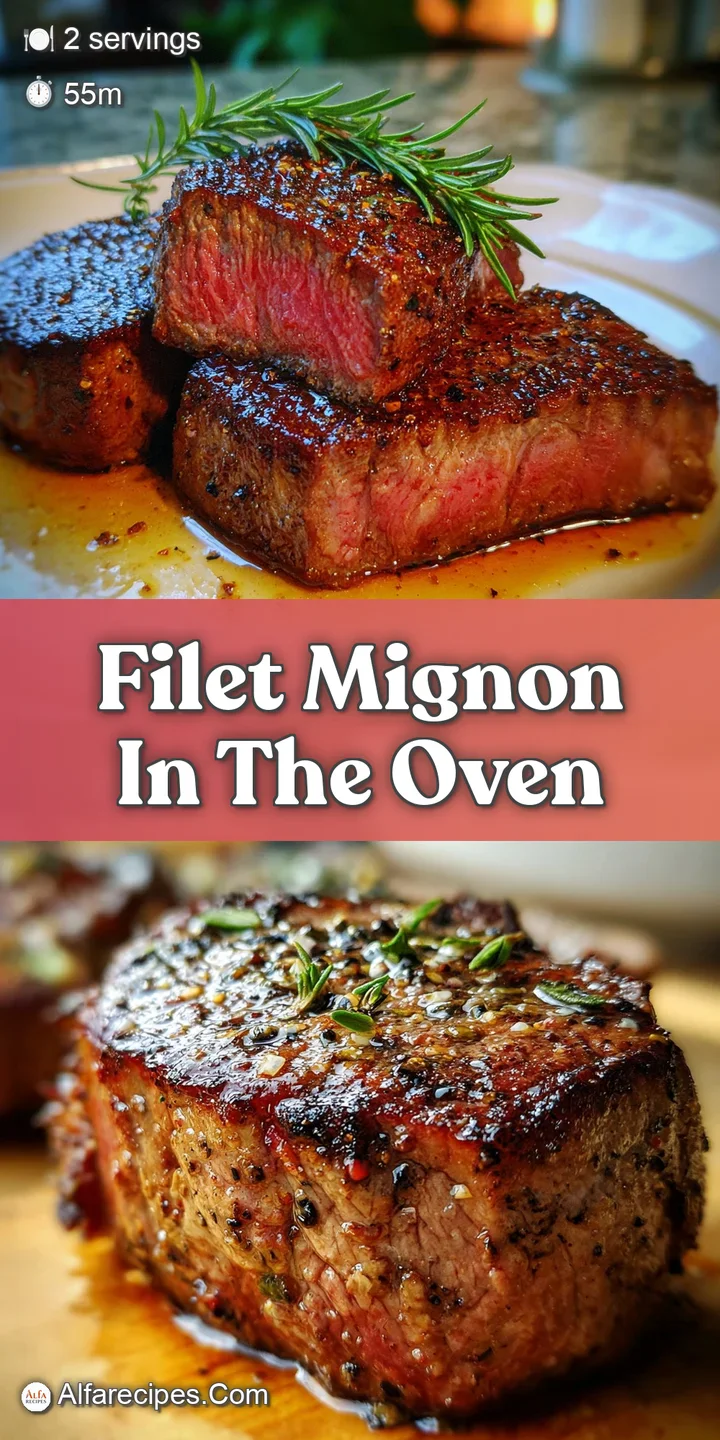
- Flavor/Texture Hook: Velvety, melt in-your mouth center with a salty, herb infused crust.
- Perfect for: Anniversary dinners, celebrating big wins, or a fancy Sunday meal.
- Achieving the Perfect Sear on Your Filet Mignon
- The Practical Logic Behind This No Fuss Steak Method
- Critical Numbers for Your Signature Steak Dinner Success
- Choosing Your Elements for a Hearty Home Cooked Meal
- The Few Simple Tools Needed for Professional Results
- Executing the Sear and Oven Finish with Total Confidence
- Fixing Common Mistakes for a Flawless Velvety Texture
- Swapping Flavors to Keep Your Family Table Exciting
- Keeping Leftovers Fresh and Using Every Last Scrap
- Hearty Side Dishes That Make This Meal a Feast
- High in Sodium
- Filet Mignon FAQs
- 📝 Recipe Card
Achieving the Perfect Sear on Your Filet Mignon
The first time I tried to cook a high end steak at home, I was terrified. I stood there in my kitchen, staring at these two beautiful, expensive cuts of meat, worried I’d turn them into expensive shoe leather.
But then, the oil hit the shimmering cast iron, and that first sizzle changed everything. The aroma of searing beef mixed with the earthy scent of fresh thyme is something that honestly never gets old. It’s the smell of a meal that says "I love you" or "we made it."
We’ve all been there, hovering over a pan, second guessing the internal temp, and praying for that mahogany crust. I’ve made the mistakes so you don't have to like using the wrong oil or skipping the rest period.
This recipe is all about bringing that high end steakhouse experience to your crowded table without the stress. It’s hearty, it’s reliable, and it’s going to make you feel like a pro.
This isn't just about a recipe; it’s about a method that works every single time. Whether you’re cooking for a spouse or treating yourself after a long week, this approach focuses on the logic of heat. You’ll get that shatter-crisp exterior while the inside stays buttery and tender.
Trust me on this, once you hear that crust crackle under your fork, you’ll never go back to basic grilling.
The Practical Logic Behind This No Fuss Steak Method
The Physics of the Crust: The initial sear triggers the Maillard reaction, where proteins and sugars transform into hundreds of flavor compounds. By finishing the filet mignon in the oven, we ensure the thick center reaches the target temperature without burning the outside.
- Surface Desiccation: Salting 45 minutes early draws out moisture, then allows the brine to reabsorb, seasoning the meat deeply while leaving the surface bone dry for a better sear.
- Thermal Buffer: Starting with a room temperature steak reduces the temperature gap between the pan and the meat, preventing the "grey band" of overcooked beef.
- Fat Soluble Aromatics: Basting with butter at the end carries the flavor of garlic and thyme into every crevice of the meat, creating a velvety mouthfeel.
- Carryover Cooking: Heat continues to move toward the center even after the steak leaves the pan, which is why resting is a non negotiable step.
| Method | Total Time | Texture | Best For |
|---|---|---|---|
| Stovetop Only | 12 minutes | Very charred | Thin cuts (< 1 inch) |
| Oven Finish | 10 minutes | Evenly pink | Thick center cut filets |
| Reverse Sear | 60 minutes | Edge to edge pink | Ultra thick prime cuts |
This comparison shows why the oven finish method is the gold standard for home cooks. It provides the most control over the final doneness while still giving you that restaurant style crust. If you are looking for more quick protein ideas, you might also enjoy my Beef Sirloin Tips recipe.
Critical Numbers for Your Signature Steak Dinner Success
| Component | Science Role | Pro Secret |
|---|---|---|
| Grapeseed Oil | High smoke point | Won't turn bitter or smoke out your kitchen at high heat. |
| Unsalted Butter | Emulsification | Use cold butter to slow down browning while basting. |
| Flaky Sea Salt | Osmosis | Large flakes create "pockets" of salt that don't overwhelm the palate. |
| Fresh Thyme | Aromatic volatile oils | Gently bruise the leaves before adding to release more oil. |
Chef Tip: Freeze your butter for 10 minutes before the basting step. It sounds weird, but it prevents the milk solids from burning too quickly, giving you more time to spoon that liquid gold over the meat.
Choosing Your Elements for a Hearty Home Cooked Meal
When shopping, look for steaks that are at least 1.5 inches thick. If they’re too thin, they’ll overcook before you even get a good crust. I always go for Choice or Prime grade if the budget allows the marbling (those little white flecks of fat) is what makes the steak tender.
- 2 Filet Mignon Steaks: (6 8 oz each, at least 1.5 inches thick) Why this? The center cut provides the most consistent shape for even cooking.
- Substitute: Ribeye (similar luxury, but much fattier and richer).
- 1 tbsp Grapeseed oil: Why this? Neutral flavor that handles intense heat without scorching.
- Substitute: Avocado oil (high smoke point, very neutral).
- 1.5 tsp Flaky Sea Salt: Why this? Provides texture and a cleaner salt flavor than table salt.
- Substitute: Kosher salt (use slightly less as it's denser).
- 1 tsp Freshly cracked black pepper: Why this? Pre ground pepper loses its spicy punch; fresh is essential.
- Substitute: White pepper (more floral, less bite).
- 2 tbsp Unsalted butter: Why this? Allows you to control the salt level during the final baste.
- Substitute: Ghee (gives a nutty flavor and doesn't burn).
- 3 sprigs Fresh Thyme: Why this? Adds a subtle, woody fragrance that cuts through the richness.
- Substitute: Fresh Rosemary (stronger, more pine like aroma).
- 2 cloves Garlic: Why this? Smashed cloves release juices without burning as easily as minced garlic.
- Substitute: Shallots (sweeter, more delicate onion flavor).
The Few Simple Tools Needed for Professional Results
You don't need a kitchen full of gadgets for this. A heavy duty cast iron skillet is my top choice because it holds heat like a beast, but a high-quality stainless steel pan will also work.
Just avoid non stick; it can't handle the heat needed for a proper sear and won't give you that shatter-crisp crust we're after.
A reliable digital meat thermometer is your best friend here. Don't try the "finger poke" test unless you've cooked a thousand steaks. Real life is busy, and a quick temp check takes the guesswork out of the equation.
Also, get a long handled spoon for basting you'll want to keep your hands away from the sizzle of the hot butter.
For those who enjoy experimenting with different cuts, knowing the Way to Cook recipe for flat iron steak is another great skill to have in your arsenal. It uses similar butter basting techniques but for a different texture of meat.
Executing the Sear and Oven Finish with Total Confidence
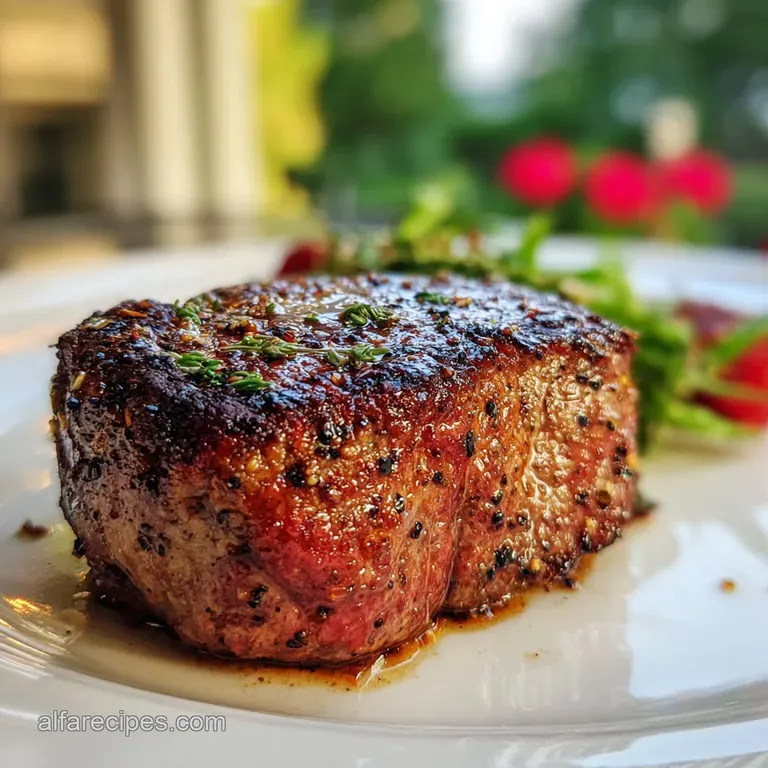
1. The Temper and Dry Phase
Remove the 2 Filet Mignon Steaks from the fridge 45 minutes before cooking. Generously coat all sides with 1.5 tsp Flaky Sea Salt and 1 tsp Freshly cracked black pepper. Note: This allows the meat to reach a uniform temperature and seasoned deeply.
2. The over High heat Sear
Preheat your oven to 200°C (400°F). Heat 1 tbsp Grapeseed oil in a cast iron skillet over high heat until the oil is shimmering and just starting to wisps of smoke.
3. The Sear
Carefully place the steaks in the pan. Sear for 2 minutes until a deep brown crust forms. Don't move them! Let that crust build.
4. The Flip
Flip the steaks using tongs. Sear the other side for another 2 minutes until the meat releases easily from the pan.
5. The Oven Finish
Place the entire skillet into the preheated oven. Bake for 4–6 minutes until the internal temperature hits 52°C (125°F) for medium rare.
6. The Aromatic Baste
Carefully remove the pan (use an oven mitt!) and place it back on the stove over medium low heat. Add 2 tbsp Unsalted butter, 3 sprigs Fresh Thyme, and 2 cloves Garlic.
7. The Spooning
Tilt the pan slightly so the melting butter pools at the bottom with the herbs. Spoon the foaming butter over the steaks repeatedly for 1 minute until the aroma is nutty and fragrant.
8. The Essential Rest
Transfer the steaks to a warm plate. Pour the remaining pan juices over them. Let them rest for 5–10 minutes until the juices redistribute throughout the meat.
Fixing Common Mistakes for a Flawless Velvety Texture
Why Your Steak is Grey
If you find a thick grey band of overcooked meat around the pink center, it’s usually because the pan wasn't hot enough or you didn't temper the meat. A cold steak in a lukewarm pan results in a slow cook rather than a fast sear. To fix this, ensure the oil is literally shimmering before the meat touches it.
Why the Garlic is Bitter
Burning the garlic is a classic mistake. If you add it too early during the over high heat sear, it turns into black, bitter charcoal. Always wait until the basting stage at the very end when the heat is lower to add your aromatics.
| Problem | Root Cause | Solution |
|---|---|---|
| No Crust | Surface moisture | Pat the steak bone dry with paper towels before searing. |
| Tough Meat | Skipping the rest | Let it sit for at least 5 mins to allow fibers to relax. |
| Burned Butter | Heat too high | Add butter only at the end and keep it foaming, not smoking. |
Common Mistakes Checklist
- ✓ Never use a cold steak straight from the fridge; it won't cook evenly.
- ✓ Pat the meat with paper towels until it's completely dry before seasoning.
- ✓ Don't use extra virgin olive oil for the sear; its smoke point is too low.
- ✓ Use a timer for the oven finish to avoid overshooting your preferred doneness.
- ✓ Always cut across the grain to ensure every bite is tender.
Swapping Flavors to Keep Your Family Table Exciting
1. The Peppercorn Umami Twist
For a bolder flavor, crush whole black peppercorns coarsely and press them into the meat to create a "crust." You can also add a splash of cognac to the pan after removing the steaks to make a quick pan sauce. It adds a sophisticated, smoky depth that feels very "steakhouse."
2. The Blue Cheese Compound Finish
If you want something truly indulgent, skip the thyme and top the resting steak with a disk of blue cheese butter. The funkiness of the cheese melts into the beef, creating a rich, savory sauce that is absolutely incredible with a glass of red wine.
| Original Ingredient | Substitute | Why It Works |
|---|---|---|
| Fresh Thyme | Fresh Rosemary | Stronger, woodier flavor that stands up well to beef. |
| Grapeseed Oil | Beef Tallow | Enhances the natural "beefy" flavor of the cut. |
| Garlic | Shallots | Provides a milder, sweeter aromatic profile. Note: Shallots caramelize beautifully. |
When scaling this recipe down for one person, you can use a smaller skillet to prevent the butter from spreading too thin and burning. If you're doubling it for a family of four, work in batches for the searing step so you don't crowd the pan.
Crowding drops the temperature and leads to steaming rather than searing, which ruins that shatter-crisp exterior we worked so hard for.
Keeping Leftovers Fresh and Using Every Last Scrap
Filet mignon is best eaten fresh, but if you have leftovers, they’ll keep in the fridge for up to 3 days. To reheat without making it tough, do it slowly in a 120°C (250°F) oven until just warm. Please, for the love of good food, stay away from the microwave!
It will turn your beautiful steak into rubber.
Don't toss those steak scraps or the leftover herb butter. The fat left in the pan is liquid gold. I love to toss some leftover cold rice or even some diced potatoes into the pan the next morning. The "steak fat fried rice" is a breakfast of champions in our house.
You can also thinly slice cold steak for the best salad topper you've ever had.
Freezing: You can freeze raw steaks for up to 6 months if vacuum sealed. If they are already cooked, I don't recommend freezing them as the texture of the mignon in the oven will degrade significantly upon thawing.
Hearty Side Dishes That Make This Meal a Feast
1. Silky Garlic Mashed Potatoes
There is nothing more classic than a big scoop of buttery mashed potatoes next to a steak. The key is to pass the potatoes through a ricer for that perfectly smooth, velvety texture.
Use the same garlic cloves you used for basting the steak to infuse your cream for the potatoes it ties the whole meal together.
2. Charred Lemon Asparagus
To balance the richness of the beef, something bright and green is essential. I like to throw asparagus into a hot pan with a squeeze of lemon and some red pepper flakes. The acidity cuts right through the butter and makes the whole meal feel balanced rather than heavy.
Another great option is a simple wedge salad with a heavy pour of blue cheese dressing. It provides a cold, crunchy contrast to the hot, savory steak. Whether it's a birthday or just a Tuesday where you need a win, this meal brings everyone to the table with a smile.
It's about real life, real flavor, and the joy of sharing something special with the people you love. Right then, let's get that pan heating up!
High in Sodium
890 mg of sodium per serving (39% of daily value)
American Heart Association recommends limiting sodium intake to approximately 2,300mg per day for most adults.
Tips to Reduce Sodium in Your Filet Mignon
-
Reduce Added Salt-25%
Flaky sea salt contributes significantly to the sodium content. Reduce the amount of flaky sea salt used from 1.5 tsp to 0.75 tsp, or eliminate it entirely and season after cooking to taste. Remember that you can always add more, but you can't take it away! Consider using a salt substitute.
-
Use Unsalted Butter Mindfully-10%
While the recipe already calls for unsalted butter, using it sparingly will further reduce sodium. Consider reducing the amount of unsalted butter from 2 tbsp to 1 tbsp.
-
Consider Sodium in the Steak-5%
While Filet Mignon is naturally low in sodium, ensure the steaks haven't been pre-treated with a sodium solution. Ask your butcher to be sure.
-
Enhance Flavor with Herbs & Spices
Freshly cracked black pepper, thyme, and garlic are excellent flavor enhancers. Experiment with other herbs and spices like rosemary, oregano, or smoked paprika to boost flavor without adding sodium.
Filet Mignon FAQs
How long do you cook a filet mignon in the oven?
It depends entirely on the desired doneness, typically 4 6 minutes for medium rare. After searing, finish the steak in a 400°F oven until the internal temperature reaches 125°F for medium rare. Always verify with a meat thermometer.
How does Gordon Ramsay cook filet mignon in the oven?
He typically uses a very hot pan sear followed by an oven finish, similar to this method. Ramsay emphasizes achieving a dark crust first, then transferring the pan to a high heat oven (around 400°F) to gently bring the thick center up to temperature.
Can you cook filet mignon in the oven at 400 degrees?
Yes, 400°F is an excellent temperature for the oven finishing phase. This heat level provides sufficient thermal energy to cook the center evenly without burning the exterior crust you established on the stovetop.
What is the ideal internal temperature for a filet mignon?
Medium rare (125°F 130°F) is generally considered ideal for this tender cut. This temperature ensures the filet remains buttery and melts in your mouth without drying out during the essential resting period.
Should I rest the filet mignon after cooking?
Yes, resting for 5 to 10 minutes is a non-negotiable step for tenderness. This allows the contracted muscle fibers to relax and redistribute the internal juices throughout the steak.
What is the best way to get a shatter crisp crust on a filet?
Pat the steak surface bone dry before seasoning and use a smoking hot cast iron skillet. Moisture on the surface inhibits the Maillard reaction, leading to steaming instead of a hard, flavorful sear.
Is it necessary to sear the steak before putting it in the oven?
No, searing first is critical, not optional, for flavor development. The initial high heat sear develops the Maillard reaction, creating the signature brown crust; otherwise, you risk a grey, steamed exterior.
Oven Finished Filet Mignon
Ingredients:
Instructions:
Nutrition Facts:
| Calories | 448 kcal |
|---|---|
| Protein | 41g |
| Fat | 31g |
| Carbs | 1g |
| Fiber | 0.3g |
| Sugar | 0.1g |
| Sodium | 890mg |
