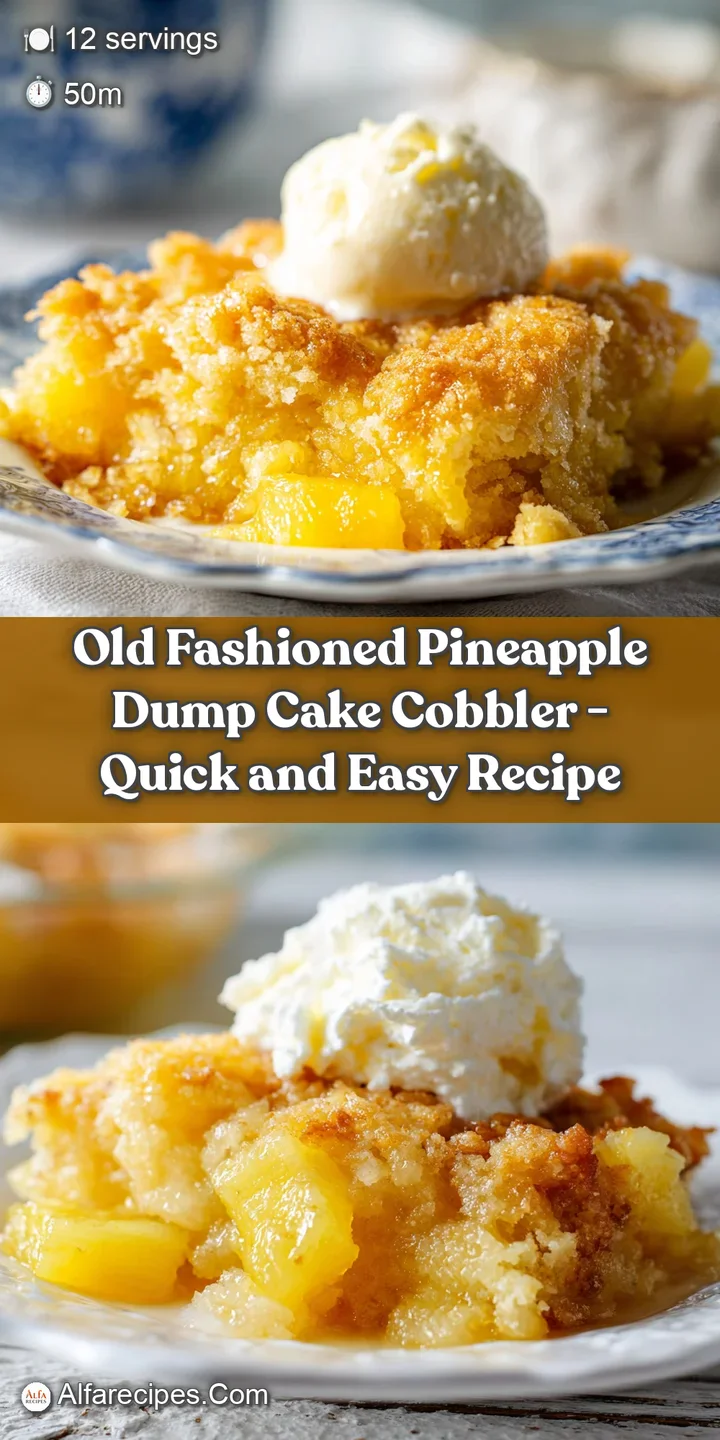
Old Fashioned Pineapple Dump Cake Cobbler
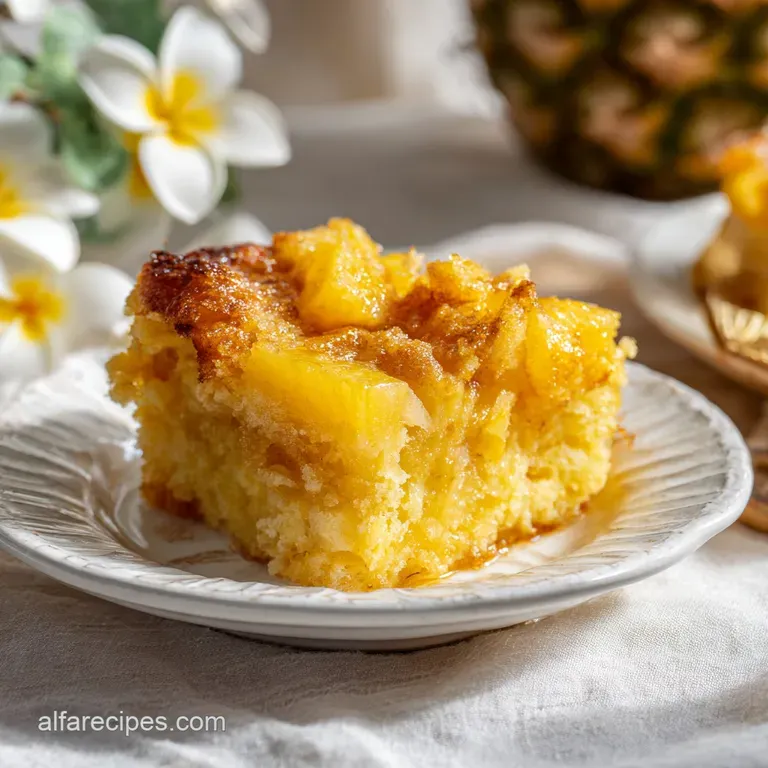
- Time: Active 5 minutes, Passive 45 minutes, Total 50 minutes
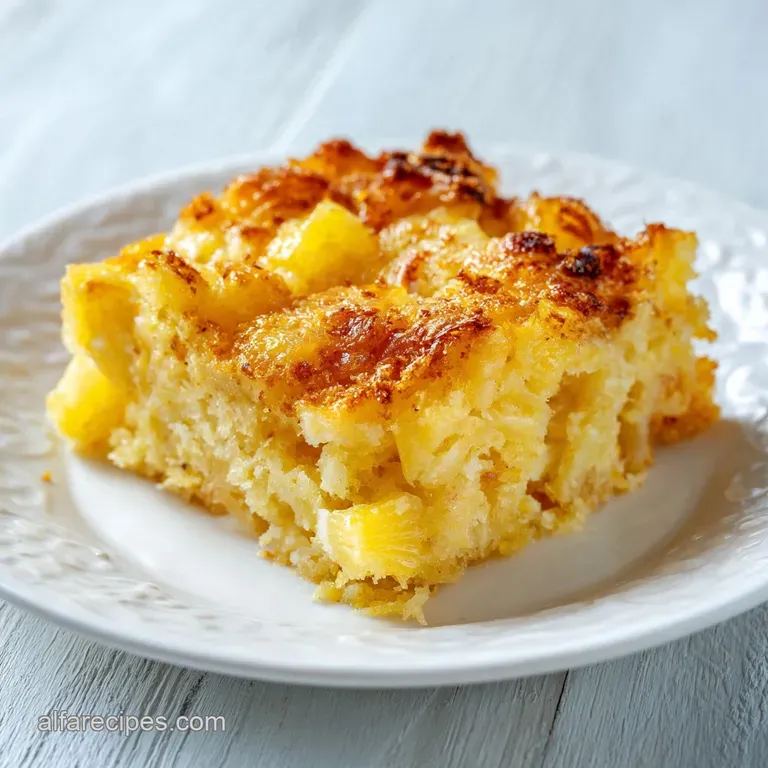
- Flavor/Texture Hook: A shatter crisp mahogany crust over velvety, syrupy fruit
- Perfect for: Last minute potlucks and hearty family gatherings
- Golden Crust Secrets for Pineapple Dump Cake Cobbler
- The Surprising History of Easy Desserts
- Essential Data for Every Baker
- Analyzing the Core Dessert Components
- Tools for the Perfect Bake
- Executing the Five Step Method
- Fixing Common Texture Problems
- Customizing Your Tropical Treat
- Freshness and Warming Guidelines
- Enhancing Your Plate with Toppings
- Recipe FAQs
- 📝 Recipe Card
Golden Crust Secrets for Pineapple Dump Cake Cobbler
Imagine the sound of a heavy glass baking dish hitting the counter, the thick syrup inside still sending up frantic little bubbles through a crust so golden it looks like burnished copper.
That's the first thing you notice about a pineapple dump cake cobbler the aroma of caramelized sugar and warm butter hitting your nose before you even grab a spoon. It's a scent that reminds me of my Aunt Jo’s kitchen back in the late nineties, where the "dump and bake" method was less of a shortcut and more of a social necessity for women who had better things to do than temper eggs or sift flour for three hours.
This isn't just a recipe; it's a piece of mid century Americana that has survived every food trend because it works. It’s the ultimate no fuss solution for a crowded table. I remember one specific summer BBQ where I tried to get fancy with a multi layered torte that collapsed in the humidity.
Meanwhile, my neighbor brought this exact dish, and people were scraping the corners of her pan with their fingers to get every last bit of that buttery, crispy topping. It was a humbling moment for my inner pastry chef, but it taught me that sometimes, the simplest methods yield the most satisfying results.
We are talking about a dessert that defies the laws of traditional baking. You don't stir it. You don't knead it. You just layer, bake, and wait for the alchemy to happen. The way the pineapple juice migrates upward to hydrate the cake mix while the butter melts downward to fry the surface into a cobbler like texture is nothing short of brilliant.
If you’ve ever felt intimidated by baking, this is your entry point. Trust me on this: once you see that mahogany crust shatter under your spoon, you'll never look at a box of yellow cake mix the same way again.
The Surprising History of Easy Desserts
The cultural weight of this dish is surprisingly heavy for something that takes five minutes to prep. It rose to fame in the post war era when convenience was king and pantry staples were the backbone of the American home.
It represents a time when sharing a meal didn't require a three day "journey" through a gourmet grocery store. It was about what was on the shelf and who was around the table. People loved it because it was reliable; it didn't matter if you were at high altitude or in a humid basement, the results stayed consistent.
Chef's Tip: For a deeper flavor profile, toast the dry cake mix in a skillet for 3 minutes over medium heat until it smells slightly nutty before sprinkling it over the fruit.
This specific style of cobbler bridges the gap between a traditional fruit buckle and a steamed pudding. In the South, we call anything with a thick, cake like top a cobbler, but the "dump" method is a specific sub genre that prioritizes the interaction between fat and dry starch.
It’s a testament to the resourcefulness of home cooks who wanted something sweet and hearty without the labor of a lattice crust.
- Moisture Migration
- The heavy syrup from the cans acts as the primary hydrating agent, moving through the dry mix via capillary action.
- Starch Saturation
- Unstirred flour particles absorb fat and sugar at different rates, creating a varied texture of soft cake and crunchy bits.
- Maillard Reaction
- The high sugar content in the yellow cake mix, combined with the proteins in the butter, produces that deep brown, mahogany finish at 350°F.
- Acid Balance
- The natural acidity of the pineapple cuts through the intense sweetness of the brown sugar, keeping the flavor profile from being one note.
| Servings | Pineapple (20oz Cans) | Cake Mix (Boxes) | Butter (Sticks) | Pan Size |
|---|---|---|---|---|
| 6 People | 1 Can | 0.5 Box | 1/2 Stick | 8x8 Square |
| 12 People | 2 Cans | 1 Box | 1.5 Sticks | 9x13 Rect. |
| 24 People | 4 Cans | 2 Boxes | 3 Sticks | Two 9x13 Pans |
Essential Data for Every Baker
Before we get into the assembly, let's look at why these specific ingredients matter. You aren't just dumping things in; you're building a structural dessert. The choice between crushed pineapple and chunks, for instance, changes everything about how the juice interacts with the flour.
Crushed pineapple provides a more uniform surface area, ensuring no dry spots are left behind.
If you're looking for another easy treat that hits those tropical notes, you might want to try an Almond Joy Chia Pudding for a lighter morning option, but for the main event, stay focused on the weight of the syrup. The "heavy syrup" is crucial here it has the viscosity needed to support the cake mix without turning it into a soggy mess.
| Component | Science Role | Pro Secret |
|---|---|---|
| Crushed Pineapple | Provides structural bulk and essential hydration | Use the "heavy syrup" version to ensure the crust sets firmly |
| Yellow Cake Mix | Acts as the starch base and flavor enhancer | Sift the mix directly over the pan to avoid dense clumps |
| Salted Butter | Supplies the fat for "frying" the top layer | Freeze the butter for 10 minutes before slicing for ultra thin pats |
Analyzing the Core Dessert Components
Let's break down the shopping list. You probably have half of this in your pantry already, which is the beauty of a no fuss family meal. We are keeping it budget friendly but aiming for high end results by being picky about the quality of the basics.
- Crushed Pineapple (2 cans, 20 oz each): Why this? The small pieces create a level base and release juice evenly for hydration.
- Light Brown Sugar (1/2 cup): Why this? Adds molasses notes and helps the pineapple caramelize during the 45 minute bake.
- Pure Vanilla Extract (1 tsp): Why this? Bridges the gap between the fruit acidity and the buttery cake mix.
- Yellow Cake Mix (15.25 oz box): Why this? The custard like flavor of yellow mix beats white or lemon for this specific cobbler.
- Salted Butter (3/4 cup/1.5 sticks): Why this? Chilled butter prevents the topping from melting too quickly into a grease puddle.
| Original Ingredient | Substitute | Why It Works |
|---|---|---|
| Yellow Cake Mix | gluten-free Yellow Mix | High starch content still creates a crisp crust. Note: May be slightly more crumbly. |
| Salted Butter | Coconut Oil (Solid) | High fat content mimics butter's frying effect. Note: Adds a more intense tropical flavor. |
| Light Brown Sugar | Coconut Sugar | Similar caramelization point. Note: Results in a darker, more earthy sweetness. |
Actually, if you find yourself with extra fruit, you could even pivot and make a Blueberry Crisp Dump Cake using the same logic, but the pineapple version is the undisputed heavyweight champion of the "dump" world because of its high acidity and juice volume.
Tools for the Perfect Bake
You don't need a stand mixer such as a KitchenAid for this one. In fact, if you use one, you've already made a mistake. This is a one pan job.
- 9x13 Inch Baking Dish: Glass or ceramic is preferred here. It distributes heat more slowly than metal, which prevents the bottom from burning before the top is mahogany.
- Sharp Knife: To get those butter pats as thin as humanly possible.
- Large Spoon: Just for a quick stir of the pineapple and sugar don't overthink it.
- Offset Spatula (Optional): Helps level the cake mix without compressing it, which is vital for air circulation.
Executing the Five Step Method
Follow these steps exactly. The temptation to stir is the biggest enemy of a successful dump cake. If you stir it, you’re making a dense, weird cake. If you leave it alone, you’re making a cobbler.
- Preheat your oven to 350°F (175°C). Pour both cans of crushed pineapple juice and all into the bottom of your ungreased 9x13 inch baking dish.
- Spread the pineapple into an even layer with the back of a spoon. If using vanilla extract and brown sugar, stir them directly into the pineapple layer now until the sugar is mostly dissolved.
- Evenly sprinkle the dry cake mix over the top of the pineapple layer. Do not stir. Note: Resist the urge to press down; keeping the powder light allows the steam to rise through it.
- Arrange the chilled, thinly sliced butter pats in a single layer over the cake mix, covering as much surface area as possible to ensure a crisp crust.
- Bake for 45 minutes until the top is a deep mahogany color and the fruit juices are bubbling up around the edges.
- Allow to cool for at least 15 minutes before serving. Note: This resting period is when the syrup thickens and the crust finishes setting.
| Method | Time | Texture | Best For |
|---|---|---|---|
| Standard Oven | 45 minutes | Shatter crisp top | Traditional family dinners |
| Convection | 35 minutes | Ultra crunchy edges | Those who love the corner bits |
| Slow Cooker | 4 hours (High) | Soft, pudding like | Potlucks with limited oven space |
Fixing Common Texture Problems
The most common heartbreak with this dish is finding a pocket of dry flour in the middle of your serving. It's usually a result of uneven butter distribution. But don't panic; it's easily avoidable if you know what to look for.
The Problem of Dry Flour Pockets
If you pull the cake out and see white, powdery spots, it means the butter didn't reach that area and the pineapple juice wasn't strong enough to make the climb. This usually happens if the butter was sliced too thick.
To fix it mid bake, you can quickly spray those spots with a bit of butter flavored cooking spray or add a tiny sliver of extra butter and give it 5 more minutes.
A Texture That Is Too Mushy
On the flip side, if the whole thing looks like a soggy sponge, you might have used "pineapple in juice" rather than "pineapple in heavy syrup," or perhaps you accidentally stirred the mix. The heavy syrup has a higher density which helps keep the cake mix "floating" on top long enough to crisp up.
Dealing with an Overly Sweet Base
Since we are using cake mix and canned fruit, the sugar levels are high. If you find it cloying, a pinch of sea salt on top of the butter before baking can work wonders. The salt cuts the sugar and highlights the richness of the butter.
| Problem | Root Cause | Solution |
|---|---|---|
| Dry flour spots | Butter slices too thick or spaced too far apart | Use a cheese grater to shred cold butter for total coverage |
| Soggy center | Stirring the layers together | NEVER stir. Layer ingredients and let gravity do the work |
| Burnt edges | Oven running too hot or thin metal pan | Switch to glass and check doneness 5 mins early |
Common Mistakes Checklist
- ✓ Never drain the pineapple cans; that juice is your only liquid source.
- ✓ Don't use a "sugar-free" cake mix unless you're prepared for a much softer, less crunchy topping.
- ✓ Ensure the butter is chilled; warm butter soaks in too fast and prevents the "fry" effect.
- ✓ Pat the cake mix down gently if it's lumpy, but do not compress it into a puck.
- ✓ Wait the full 15 minutes before serving to avoid a "lava" consistency.
Customizing Your Tropical Treat
Once you’ve mastered the base version, you can start playing with the "budget smart" swaps. For instance, if you don't want to buy vanilla extract, a splash of bourbon or spiced rum in the pineapple layer adds a sophisticated, smoky depth that makes this taste like a $15 restaurant dessert.
- Tropical Twist: Add 1/2 cup of sweetened shredded coconut over the cake mix before adding the butter. It toasts up beautifully and adds a nice "shredded" texture.
- Nutty Crunch: A handful of chopped pecans or walnuts scattered on top provides a much needed earthy contrast to the sweetness.
- The "Lush" Version: Swap 1/4 cup of the pineapple juice for maraschino cherry juice and dot the top with cherries before baking. It looks stunning and tastes like a classic fruit punch.
Chef's Note: If you're out of yellow cake mix, a spice cake mix works incredibly well with pineapple, creating a flavor profile similar to a hummingbird cake.
If you want a truly decadent experience, serving this alongside a slice of Strawberry Crunch Ice Cream Cake for a summer party is a move your friends won't soon forget.
Freshness and Warming Guidelines
This is one of those rare desserts that actually tastes better the next day. The flavors meld, and the pineapple syrup really permeates the cake layer, turning it into something reminiscent of a dense bread pudding.
- Storage
- Keep it in the baking dish, covered tightly with foil or plastic wrap. It will stay fresh at room temperature for 2 days or in the fridge for up to 5 days.
- Freezing
- You can freeze the baked cobbler! Slice it into individual portions, wrap them in parchment paper, and store in a freezer bag for up to 3 months.
- Reheating
- To get that crust back to its former glory, avoid the microwave if possible. Put a slice in the oven at 350°F for about 10 minutes. If you're in a hurry, the microwave works (45 seconds), but the crust will be soft rather than snappy.
- Zero Waste
- If you have leftover syrup from the cans (though you should use it all here!), don't toss it. Simmer it down with a bit of chili flakes to make a glaze for grilled chicken the next night.
Enhancing Your Plate with Toppings
While this pineapple dump cake cobbler is a powerhouse on its own, the right garnish can take it from "tasty pantry bake" to "request only favorite." The contrast between the hot, bubbling fruit and something cold and creamy is the hallmark of a great cobbler experience.
The Classic Pairing
You cannot go wrong with a massive scoop of high-quality vanilla bean ice cream. As the ice cream melts, it mingles with the pineapple syrup to create a velvety sauce that coats every bite of the crispy crust. If you’re feeling adventurous, a coconut milk ice cream reinforces those island vibes perfectly.
The Modern Garnish
For a lighter touch, try a dollop of unsweetened Greek yogurt mixed with a little lime zest. The tanginess of the yogurt and the citrus oil from the lime zest cut through the heavy sugar of the cake mix, providing a bright, clean finish to a very rich dessert.
Right then, that’s everything you need to know. No more excuses about baking being "too hard." Grab those two cans of pineapple, that box of mix, and let the oven do the heavy lifting. Your kitchen is about to smell like a tropical paradise, and your family is going to think you spent hours at the counter.
Let them think that it’ll be our little secret. Don't forget to scrape those corners; those are the best parts!
Recipe FAQs
What is the biggest mistake to avoid when making a dump cake?
Avoid stirring the cake mix into the pineapple. The secret to that shatter crisp crust is leaving the dry mix as a uniform layer on top so the butter can soak through evenly during the 45-minute bake.
What is the difference between a dump cake and a cobbler?
They are essentially the same dish, just named differently based on the region. Both rely on a fruit base topped with a starch that creates a crust, though if you appreciate the texture control used in our other fruit based desserts, you will recognize the same principles of fruit-to-topping balance here.
Do you drain the crushed pineapple for dump cake?
No, never drain the pineapple. You need all that liquid in the heavy syrup to hydrate the cake mix and create the bubbling, syrupy base that defines this recipe.
Can I add a can of crushed pineapple to a box cake mix?
Yes, that is the core requirement for this recipe. Simply layer your two cans of pineapple, brown sugar, and vanilla in the dish, then top with the dry mix and butter as directed.
How to ensure the top gets a deep mahogany color?
Cover the entire surface area of the cake mix with thinly sliced, chilled butter pats. If you leave large dry spots of cake mix, they will remain powdery rather than transforming into the deep, crispy crust that occurs after 45 minutes at 350°F.
How to fix a runny or watery dump cake?
Let the cake sit for at least 15 minutes after removing it from the oven. This cooling period allows the fruit juices and melted butter to thicken as they interact with the cake mix, ensuring the center sets properly.
Is it true I should stir the butter into the mix for a better crust?
No, this is a common misconception. Stirring the butter into the dry mix will result in a heavy, clumpy batter rather than the signature light, crispy topping created by allowing the butter to melt slowly over the top layer.
Old Fashioned Pineapple Dump Cake
Ingredients:
Instructions:
Nutrition Facts:
| Calories | 338 kcal |
|---|---|
| Protein | 1.6 g |
| Fat | 13.0 g |
| Carbs | 55.8 g |
| Fiber | 0.9 g |
| Sugar | 45.2 g |
| Sodium | 342 mg |
