Mexican Noodle Soup: Toasted Pasta Comfort
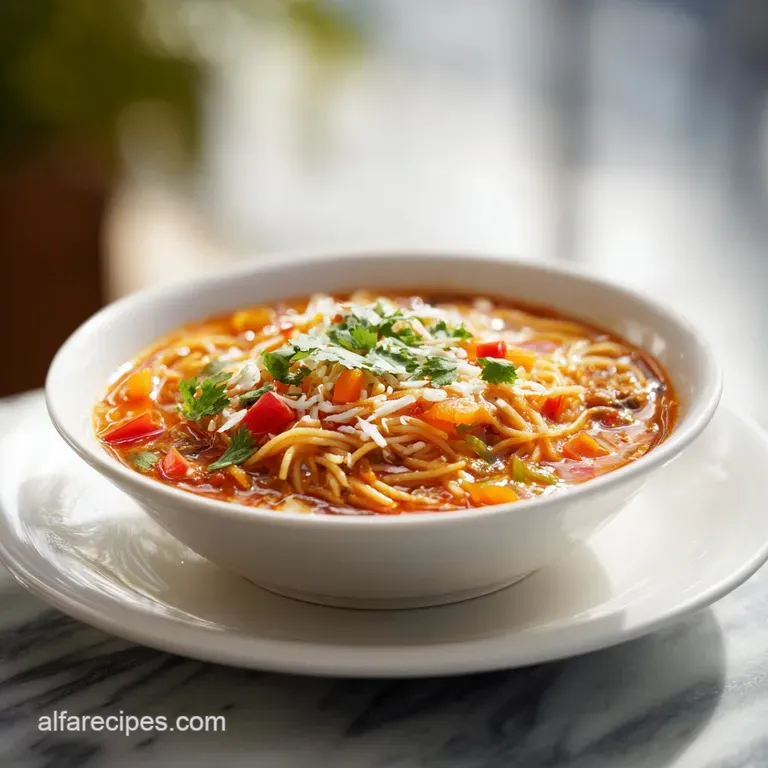
- Time: Active 10 minutes, Passive 15 minutes, Total 25 minutes
- Flavor/Texture Hook: Nutty, toasted pasta in a velvety tomato garlic broth
- Perfect for: Quick weeknight dinners or a cozy rainy day lunch
- Traditional Mexican Noodle Soup for Busy Weeknights
- Science Behind the Savory Broth
- Essential Components for Rich Flavor
- Minimal Tools for Maximum Efficiency
- Shopping List Breakdown
- Step by Step Cooking Guide
- Solving Common Sopa de Fideo Issues
- Flavor Variations and Dietary Swaps
- Scaling for a Crowded Table
- Keeping Your Leftovers Fresh Longer
- Creative Toppings for Your Bowl
- Recipe FAQs
- 📝 Recipe Card
Traditional Mexican Noodle Soup for Busy Weeknights
The first thing you notice isn't the steam, it's that incredible nutty aroma that fills every corner of the house the moment those thin noodles hit the hot oil. It’s a scent that means comfort is only 15 minutes away.
I remember the first time I tried making this, I didn't toast the noodles long enough and ended up with a pale, sad bowl of mush. Learning to wait for that deep mahogany color changed everything.
This isn't just a simple pasta dish, it's a staple in Mexican households for a reason. It is hearty, no fuss, and perfect for when you need to feed a family without spending hours at the stove.
Whether you call it sopa de fideo or just "the noodle soup," it’s the kind of meal that brings everyone to a crowded table, reaching for the lime wedges and extra cilantro.
We’ve all had those nights where the fridge looks empty and energy is low. That’s when this recipe shines. It uses basic Roma tomatoes and shelf stable pasta to create something that feels like a hug in a bowl.
It’s real life food for real life schedules, and once you master the golden toast of the noodles, you'll never go back to the boxed stuff again.
Science Behind the Savory Broth
The Physics of the Golden Toast: Toasting the dry pasta causes dextrinization, breaking down starches into flavorful pyrazines that provide a nutty base. This process also creates a protective coating that prevents the noodles from absorbing too much liquid and turning into a soggy mess.
| Method | Time | Texture | Best For |
|---|---|---|---|
| Stovetop | 25 minutes | Firm noodles, vibrant broth | The authentic, classic experience |
| Instant Pot | 12 minutes | Softer noodles, deeper infusion | Busy weeknights when you're multitasking |
| Slow Cooker | 4 hours | Very soft, stew like consistency | Meal prepping for later in the day |
Toasting is non negotiable here. If you skip it, the pasta releases its starch directly into the broth, making it gummy rather than silky. Much like the base of a Mexican Street Corn recipe, the balance of sweet tomatoes and savory aromatics is what makes the liquid gold.
Essential Components for Rich Flavor
The magic of this dish lies in how such a small list of ingredients can create such a complex profile. We aren't just boiling pasta; we are building layers of flavor starting with the aromatics and ending with the bright pop of citrus.
| Ingredient | Science Role | Pro Secret |
|---|---|---|
| Roma Tomatoes | Acid and Umami | Use very ripe ones for natural sweetness |
| Fideo Noodles | Structural Base | Toast until they look like dark wood |
| Garlic Cloves | Aromatic Depth | Blend whole for a smoother flavor release |
| Chicken Broth | Liquid Savory Body | Use low sodium to control the salt finish |
Every component serves a purpose. The onion provides a subtle sweetness when blended, while the cumin adds that earthy undertone that defines the traditional profile. Don't be tempted to use canned tomato sauce; the fresh Roma tomatoes provide a brightness that processed versions just can't replicate.
Minimal Tools for Maximum Efficiency
You don't need a gourmet kitchen for this. A simple blender and one heavy bottomed pot are all that stand between you and a steaming bowl of soup. I prefer using a high speed blender to ensure the tomato and onion base is completely smooth, which results in a more velvety mouthfeel.
For the pot, a Dutch oven or a heavy stainless steel saucepan works best. You want something that distributes heat evenly so the noodles don't burn in one spot while staying pale in another. A wooden spoon is your best friend here, helping you move the noodles constantly during the toasting phase.
Shopping List Breakdown
- 3 large Roma tomatoes: These provide the body and color. Why this? They have low water content and high solids for a thicker broth.
- 0.5 medium white onion: For a sharp yet sweet aromatic base. Why this? White onions are traditional and cleaner in flavor than yellow.
- 2 cloves garlic: The soul of the savory profile. Why this? Fresh garlic provides a punch that powder simply lacks.
- 1 tsp ground cumin: To add warmth and earthiness.
- 0.5 cup water: To help the blender catch the vegetables.
- 7 oz fideo noodles: The star of the show. Why this? These thin, short noodles are designed for quick even toasting.
- 2 tbsp neutral vegetable oil: For over high heat browning.
- 6 cups low sodium chicken broth: The savory liquid foundation.
- 1 tsp kosher salt: To pull all the flavors together.
- 0.5 cup fresh cilantro: For a bright, herbaceous finish.
- 2 medium limes: Essential for cutting through the richness.
Chef's Tip: If you can't find fideo, grab a box of thin vermicelli or angel hair pasta and break it into 1 inch pieces. It’s the exact same thing and works perfectly.
step-by-step Cooking Guide
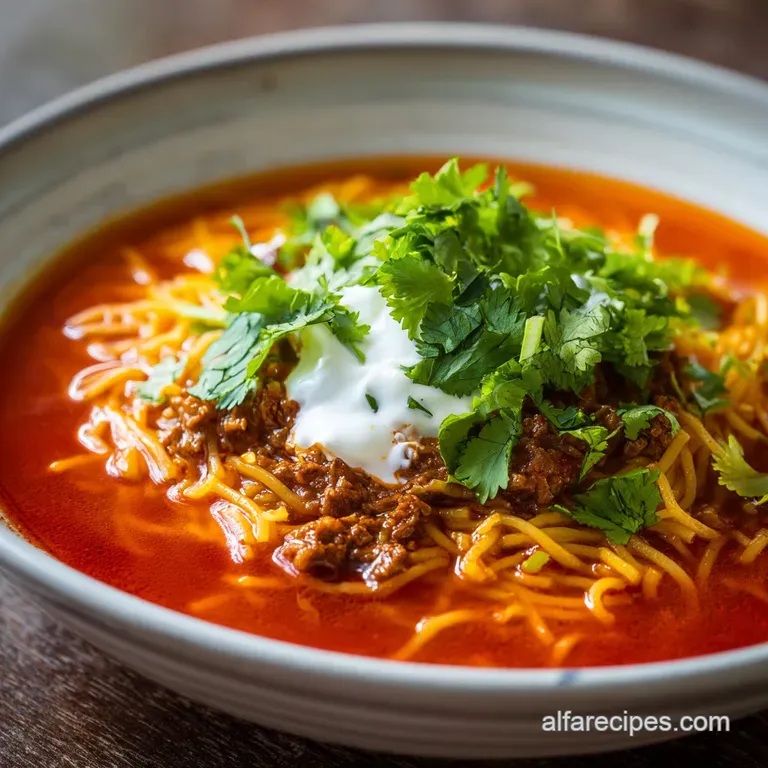
Prepare the Tomato Base
Place your 3 quartered Roma tomatoes, 0.5 chopped onion, 2 garlic cloves, 1 tsp cumin, and 0.5 cup water into a blender. Pulse until the mixture is completely smooth and liquid. Note: Any chunks left will float in the soup, so don't be afraid to let the blender run for a full minute.
Achieving the Mahogany Toast
Heat the 2 tbsp vegetable oil in a large pot over medium heat. Add the 7 oz fideo noodles and stir constantly. Fry for 3-5 minutes until the noodles are a deep golden brown and smell nutty. Note: This happens fast; don't walk away or the pasta will burn and turn bitter.
The Sizzle and Simmer
Carefully pour the blended tomato mixture into the pot with the toasted noodles. It will sizzle and steam. Cook for 2 minutes until the liquid darkens slightly and thickens. This step cooks out the raw onion and garlic flavor.
Building the Broth
Pour in the 6 cups of chicken broth and add 1 tsp salt. Bring the mixture to a boil, then reduce the heat to a low simmer. Cover the pot and cook for about 10 minutes until the noodles are tender but still have a slight bite.
The Final Flavor Finish
Remove the pot from the heat. Stir in the 0.5 cup chopped cilantro. Ladle the soup into bowls and serve immediately with a generous squeeze of fresh lime juice. The acidity of the lime is what makes the flavors shatter across your palate.
Solving Common Sopa de Fideo Issues
One of the most common mistakes is under toasting the noodles. If they are just pale yellow, they will absorb too much water and turn the soup into a thick, gloopy porridge. You want a color that looks like polished copper.
Solving Soggy Pasta Problems
If your noodles seem to be disappearing into the broth, it’s likely they were overcooked or sat too long. Fideo continues to absorb liquid as it sits. If you aren't eating right away, it is better to slightly undercook the noodles so they reach perfection in the bowl.
Pale Flavorless Broth Fixes
If the soup looks watery and tastes bland, you might have rushed the step where you cook the tomato puree with the noodles. That two minute fry of the puree is essential for concentrating the tomato sugars and mellowing the raw aromatics.
| Problem | Root Cause | Solution |
|---|---|---|
| Burnt aftertaste | Noodles toasted too fast | Lower heat and stir constantly next time |
| Gummy texture | Skipped the toasting step | Always brown the dry pasta in oil first |
| Broth is too sour | Underripe tomatoes | Add a pinch of sugar or cook puree longer |
Common Mistakes Checklist
- ✓ Never leave the pot while toasting the noodles; they can burn in seconds.
- ✓ Use a heavy pot to prevent hot spots that scorch the pasta.
- ✓ Blend the tomato base until it is silk smooth to avoid a grainy texture.
- ✓ Don't skip the lime at the end; the acid balances the fried flavor of the noodles.
- ✓ If the soup gets too thick while sitting, add a splash of warm broth to loosen it.
Flavor Variations and Dietary Swaps
If you want to turn this into a full meal, it is easy to adapt. Many families enjoy a sopa de fideo con pollo by adding shredded rotisserie chicken during the last 5 minutes of simmering. It’s a great way to use up leftovers while adding a big hit of protein.
For something even heartier, a sopa de fideo with ground beef is a classic variation. Brown the beef in the pot before starting the noodles, remove the meat, and then use the remaining fat to toast your fideo. Stir the beef back in at the end for a rich, filling dinner. This technique is similar to how we layer flavors in a Poblano Chicken Tortilla recipe.
| Original Ingredient | Substitute | Why It Works |
|---|---|---|
| Chicken Broth | Vegetable Broth | Makes it vegetarian. Note: Lacks some depth, so add a splash of soy sauce. |
| Fideo Noodles | Alphabet Pasta | Fun for kids. Note: Same cook time and toasting rules apply. |
| Roma Tomatoes | Canned Whole Tomatoes | Use when fresh aren't ripe. Note: Results in a slightly sweeter, darker broth. |
Scaling for a Crowded Table
When you need to feed a larger group, this recipe scales beautifully. For a double batch (10 servings), you can double the noodles and the broth, but I recommend only using 1.5x the amount of salt and cumin initially. You can always add more at the end, but too much spice can overpower the delicate tomato base.
If you are cooking for just two people, the math is easy. Use half the ingredients and a smaller saucepan. Since you'll be using half an egg for many baked goods, here you just use half an onion and a smaller splash of oil.
The cook time remains almost the same because the noodles are so thin they reach temperature quickly regardless of the volume.
| Servings | Fideo Amount | Broth Amount | Pan Size |
|---|---|---|---|
| 2 people | 3 oz | 2.5 cups | 2 quart saucepan |
| 5 people | 7 oz | 6 cups | 4 quart pot |
| 10 people | 14 oz | 11 cups | 8 quart Dutch oven |
Keeping Your Leftovers Fresh Longer
Storage: This soup keeps well in the fridge for up to 3 days. However, be aware that the noodles will continue to drink up the broth. By day two, it might look more like a pasta dish than a soup. Simply add a half cup of water or broth when reheating to bring back that velvety consistency.
Freezing: I don't usually recommend freezing this dish. The thin noodles tend to break down and become very soft after thawing and reheating. If you must freeze, do it for no more than 1 month and expect a softer texture.
Zero Waste: Don't throw away those cilantro stems! Throw them into the blender with the tomatoes and onions. They have a ton of flavor and the blender will break them down completely. Also, if you have half an onion left over, chop it finely and serve it raw on top of the soup for an extra crunch.
Creative Toppings for Your Bowl
While the soup is amazing on its own, the toppings are where you can really have some fun. In my house, a bowl of sopa de fideo isn't complete without a few slices of creamy avocado to contrast the warm broth. The way the avocado slightly melts into the liquid creates a buttery texture that is pure heaven.
Some people love a sprinkle of crumbled queso fresco or even a dollop of Mexican crema on top. If you like heat, a few slices of fresh jalapeño or a drizzle of your favorite hot sauce provides a nice kick. It’s all about making it work for your family's specific tastes.
The Truth About Searing Liquid A common misconception is that the oil used to toast the noodles "seals" them. In reality, the oil facilitates the Maillard reaction, creating those complex nutty flavors.
The noodles still absorb liquid, but the heat changes the starch structure on the surface so they don't fall apart as easily.
Another myth is that you need to boil the pasta in water first. Doing this would completely ruin the dish. Toasting the dry pasta in oil is the definitive step that gives Mexican noodle soup its unique identity. Without that fry, you just have plain pasta in tomato water.
Right then, you're ready to get toasting! Trust me, once that aroma hits your kitchen, you'll know exactly why this has been a favorite for generations. Grab your blender and let's get cooking.
Recipe FAQs
What is sopa de fideo made of?
Primarily toasted fideo pasta, a rich tomato broth, garlic, and onion. The foundation relies on frying the thin pasta noodles in oil until deeply golden before simmering them in the blended tomato liquid and stock.
What does sopa de fideo mean in English?
It translates directly to "noodle soup" in English. "Sopa" means soup and "fideo" refers specifically to the very thin, short, broken strands of pasta used in this traditional Mexican dish.
How is fideo different from spaghetti?
Fideo is much thinner and shorter than standard spaghetti. It is often sold in nests or broken into small, inch long pieces specifically designed to toast evenly and cook quickly in soup broth.
What do you call fideo in English?
The best English equivalent is thin vermicelli or broken angel hair pasta. If you cannot find true fideo, breaking up angel hair pasta into small pieces mimics the texture and size needed for proper toasting.
Is it true that you must toast the noodles before adding the liquid?
Yes, toasting the noodles is a critical step for authentic flavor. Frying them in oil until they are deep golden brown creates nutty, caramelized flavors through dextrinization, which forms the signature taste of this soup.
How should I adjust the cooking time if I use shredded chicken?
Add pre-cooked shredded chicken during the last five minutes of simmering. This allows the meat to heat through and absorb the broth flavor without becoming dry or tough, similar to how you incorporate meats into our [Layer Taco Salad recipe with Ground Beef in 30 Min].
Can I use canned crushed tomatoes instead of fresh Roma tomatoes?
No, using fresh Roma tomatoes is strongly recommended for the best result. Canned tomatoes are often too watery and lack the slight natural sweetness that fresh, ripe Romas provide when blended and cooked down into the broth.
Mexican Noodle Soup Recipe
Ingredients:
Instructions:
Nutrition Facts:
| Calories | 243 kcal |
|---|---|
| Protein | 9.2 g |
| Fat | 6.8 g |
| Carbs | 37.4 g |
| Fiber | 2.9 g |
| Sugar | 4.1 g |
| Sodium | 592 mg |
