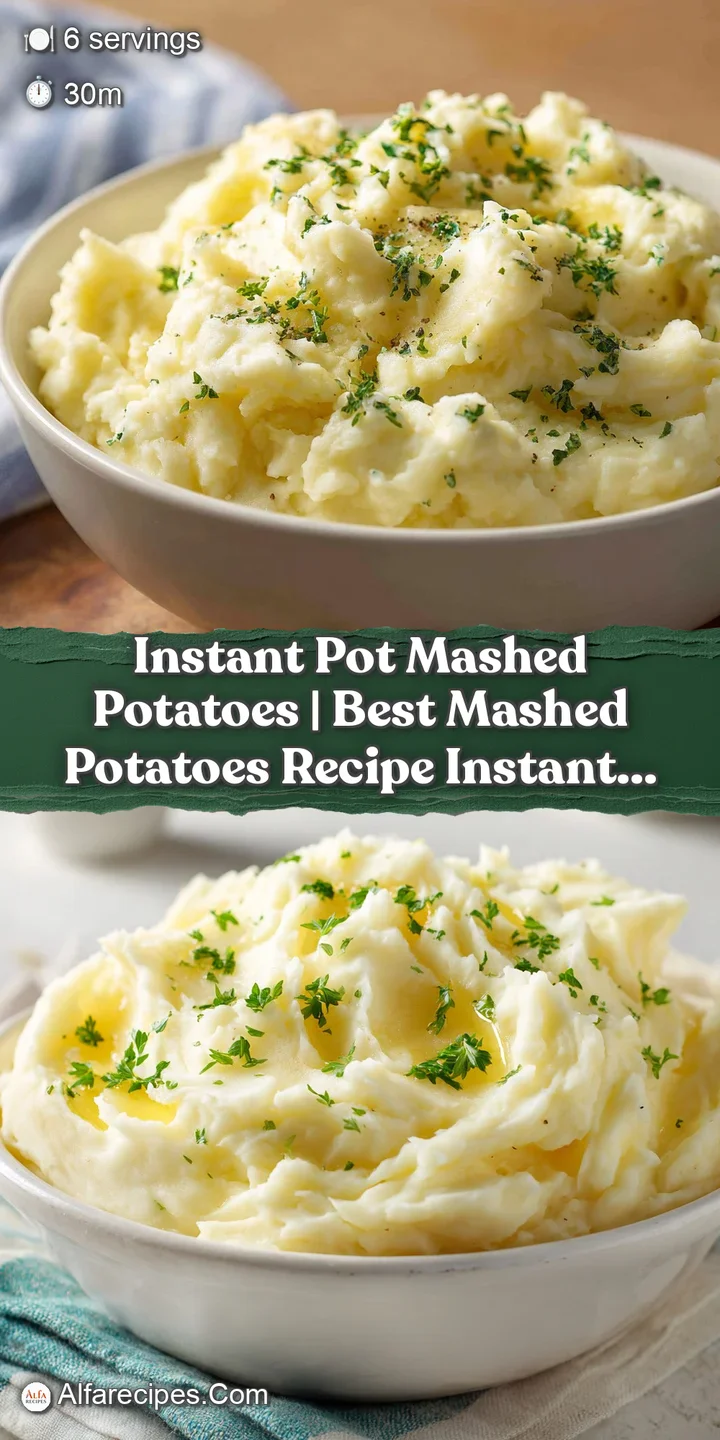
Instant Pot Mashed Potatoes: Creamy and Savory
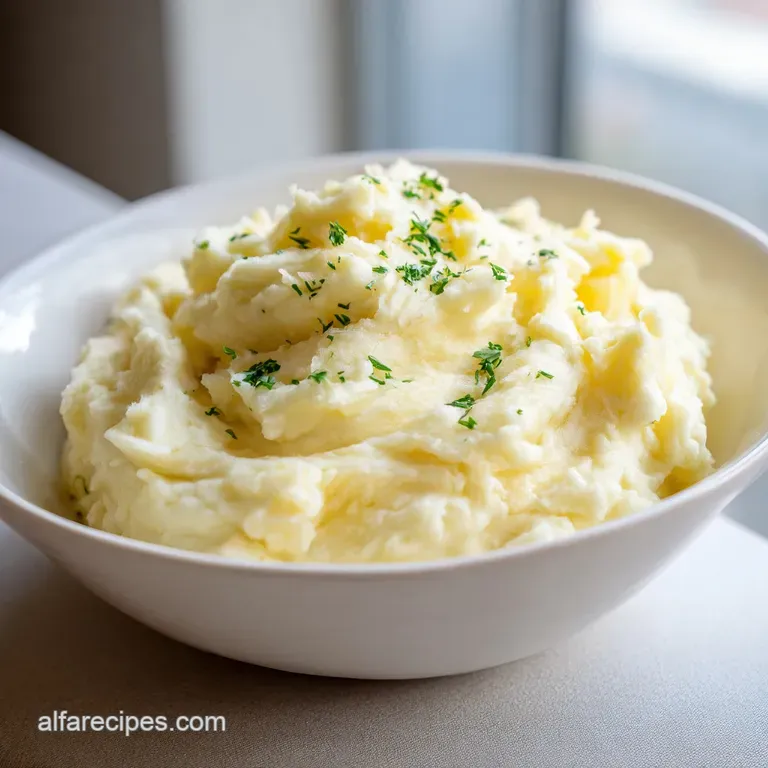
- Time: Active 10 minutes, Passive 20 minutes, Total 30 minutes
- Flavor/Texture Hook: Silky smooth texture with a deep, savory buttery finish.
- Perfect for: Busy weeknight family dinners or a crowded holiday table.
- Mastering the Art of Making Silky Instant Pot Mashed Potatoes
- Why Pressure Cooking Potatoes with Broth Creates Superior Depth
- The Essential Time Plan for Serving Hot Potatoes Fast
- An Analysis of the Components Required for Velvety Potatoes
- Selecting the Best Kitchen Gear for Smooth Potato Success
- Mastering the Sequence of Pressure Cooking and Proper Mashing
- Simple Solutions for Common Texture Problems in Mashed Potatoes
- Personalizing Your Spuds with Savory Additions and Dietary Substitutes
- Effective Ways to Save and Refresh Your Leftover Potatoes
- Finding the Best Main Courses to Serve Alongside Potatoes
- Recipe FAQs
- 📝 Recipe Card
Mastering the Art of Making Silky Instant Pot Mashed Potatoes
Did you know that a potato is actually about eighty percent water? It seems wild when you look at a dusty, brown Russet, but that high water content is exactly why the way we cook them matters so much.
If you’ve ever wondered why some restaurant side dishes taste so much more intense than what we make at home, the answer usually lies in how much extra moisture they let in versus how much flavor they pack back out.
Most of us grew up watching a big pot of water boil over on the stove, but the Instant Pot changes the game by using pressure to force flavor into the potato cells rather than just washing the starch away.
I remember one specific Tuesday night when the kids were hovering around the kitchen island like hungry hawks. I was trying to multitask, helping with a math worksheet while peering into a steaming pot of boiling water. I drained the potatoes, but I was in such a rush that I didn't let them dry properly. The result?
A watery, bland mess that even a stick of butter couldn't save. It was a total flop, and that’s when I realized that control is everything. Switching to the pressure cooker wasn't just about saving time, it was about creating a closed environment where the potatoes could steam in their own glory along with a bit of salty broth.
This recipe is the result of many family dinners where I tested ratios until the texture was just right. We’re talking about that specific velvety feel where the potatoes hold their shape on the fork but melt the second they hit your tongue.
We’re moving away from the "gluey" disasters of the past and embracing a method that’s consistently reliable, even when the house is chaotic. You won't find any fancy, complicated techniques here, just real life cooking that works every single time for a hungry crowd.
Why Pressure Cooking Potatoes with Broth Creates Superior Depth
The magic of this method isn't just about speed, it's about the physics of how heat interacts with starch in a sealed environment. When we simmer potatoes on a traditional stovetop, the outside often becomes overcooked and mushy before the center is tender, leading to uneven texture.
The Instant Pot fixes this by surrounding every single chunk of potato with high pressure steam, ensuring the heat penetrates to the core of each piece at the exact same rate.
- Pressure Infusion: High pressure forces the chicken broth into the potato's cellular structure, flavoring the starch from the inside out.
- Starch Retention: Cooking in a small amount of liquid prevents excessive starch loss, which is what keeps the final dish feeling hearty and substantial.
- Thermal Consistency: The sealed pot maintains a steady 240°F (115°C), which breaks down pectin more efficiently than boiling water at 212°F (100°C).
- Steam Saturation: Using a controlled amount of liquid ensures the potatoes are steamed rather than boiled, preserving their natural earthy aroma.
| Method | Total Time | Texture | Flavor Impact |
|---|---|---|---|
| Instant Pot | 30 minutes | Velvety and dense | High (broth is absorbed) |
| Traditional Boil | 45 minutes | Fluffy but can be watery | Low (flavor lost in water) |
| oven-roasted | 1 hour 15 mins | Chunky and rustic | Medium (nutty flavor) |
When you are deciding which method to use for your next family gathering, consider how much space you have on the stovetop. The Instant Pot is a lifesaver because it frees up a burner for your main course or gravy.
It also keeps the potatoes warm for hours without them drying out, which is a massive win when dinner plans inevitably get delayed by ten or twenty minutes.
The Essential Time Plan for Serving Hot Potatoes Fast
Managing a kitchen means managing the clock, and this recipe is designed to fit into a tight thirty minute window. While the potatoes are under pressure, you have a solid ten minute block to prep your main protein or set the table.
I always tell my friends to treat the "venting" stage as a forced break; don't rush it, but don't let the potatoes sit in the hot liquid too long after the timer beeps, or they can start to absorb too much moisture and lose their structural integrity.
The prep flow is straightforward: peel and chop first, then let the machine do the heavy lifting. If you’re working with a 6 quart or 8 quart model, the time it takes to come to pressure will vary slightly, usually taking about 10 minutes.
This is the "hidden" time that many recipes forget to mention, so I always factor it in. Once that silver pin drops after the quick release, the finish is a whirlwind of mashing and folding that takes less than five minutes.
| Servings | Potato Weight | Broth Amount | Cook Time (High) |
|---|---|---|---|
| 4 People | 3.5 lbs | 1 cup | 10 minutes |
| 6 People | 5 lbs | 1.5 cups | 10 minutes |
| 10 People | 8 lbs | 2.5 cups | 12 minutes |
If you are scaling this up for a big holiday meal, remember that the "fill line" on your inner pot is your hard limit. Potatoes expand slightly, and you need enough headspace for the steam to circulate.
For a massive crowd, I usually recommend doing two separate batches rather than risking an uneven cook by overstuffing the pot. It’s better to have two perfect batches than one giant pot of disappointment.
An Analysis of the Components Required for Velvety Potatoes
Selecting the right potato is the most important decision you'll make before you even turn on the machine. For this recipe, we are using 5 lbs of either Yukon Gold or Russet potatoes. Yukon Golds are my personal favorite because they have a naturally buttery yellow flesh and a creamy consistency that rarely goes gummy.
Russets, on the other hand, are the kings of fluffiness; they have a high starch content that shatters beautifully when mashed, but they are more sensitive to over working.
| Ingredient | Science Role | Pro Secret |
|---|---|---|
| Yukon Gold Potatoes | Medium starch content | Use these for a naturally "buttery" flavor without extra fat. |
| Chicken Broth | Flavorful cooking medium | Sub with vegetable broth for a lighter, earthier profile. |
| Unsalted Butter | Fat emulsification | Add butter before the milk to coat the starch and prevent gumminess. |
| Sour Cream | Acidic fat | Provides a subtle tang that cuts through the heavy starch. |
For the liquid, we use 1.5 cups of chicken broth and 1 cup of whole milk. The chicken broth is there for the cooking phase, while the milk is reserved for the final mashing. Why this? Broth adds umami that water lacks, making the potatoes taste "seasoned" throughout. If you find yourself out of milk, heavy cream is a decadent swap, or you can even use a bit of the leftover cooking liquid if you want to keep it lighter.
When it comes to the fat, 1/2 cup of unsalted butter is our baseline. Using unsalted butter is a trick I learned early on because it allows you to control the salt levels perfectly. We also include 1/2 cup of sour cream.
Why this? The lactic acid in sour cream helps break down the richness, making the dish feel less heavy. Finish it off with 1 tsp of sea salt and 0.5 tsp of black pepper to bring all those savory notes to life.
Selecting the Best Kitchen Gear for Smooth Potato Success
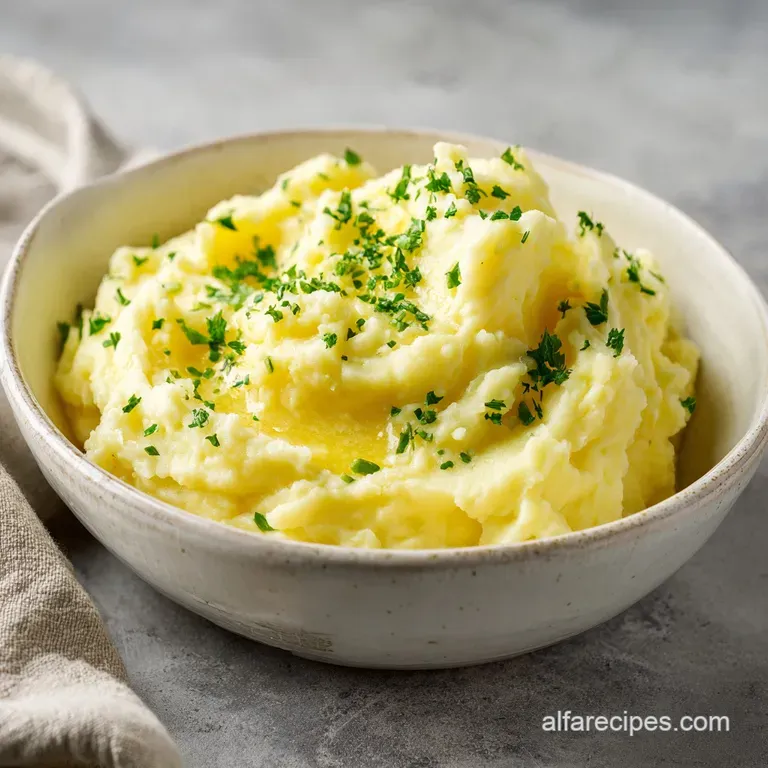
You don't need a professional kitchen to make world class potatoes, but a few specific tools will make your life much easier. The obvious centerpiece is the Instant Pot (or any reliable electric pressure cooker). I use a 6 quart model, which is the perfect size for 5 lbs of potatoes.
If you have a 3 quart model, you'll need to halve the recipe to avoid overfilling it.
Beyond the pot, the tool you use to mash will define the final texture. A traditional wire masher is great for a rustic, chunky feel. However, if you want that restaurant style "velvety" finish, a potato ricer is your best friend.
It forces the cooked potato through tiny holes, eliminating every single lump without over working the starch. Over working is the enemy; it’s what turns potatoes into wallpaper paste. If you use a hand mixer, keep it on the lowest speed and stop the very second the lumps are gone.
For the prep stage, a sharp Y peeler makes quick work of those five pounds of spuds. I also recommend having a large colander ready in the sink. Even though the Instant Pot method uses less liquid than stovetop boiling, you’ll still want to drain off any residual broth before mashing.
This ensures your liquid to potato ratio stays exactly where we want it, preventing a soup like consistency.
Mastering the Sequence of Pressure Cooking and Proper Mashing
- Peel the 5 lbs of potatoes and cut them into uniform 2 inch cubes. Note: Uniformity ensures every piece cooks at the same rate.
- Place the potato chunks into the inner pot of the Instant Pot.
- Pour in 1.5 cups of chicken broth and sprinkle with 1 tsp of sea salt. Check that the liquid doesn't exceed the max fill line.
- Secure the lid and move the steam release valve to the Sealing position.
- Select Manual/Pressure Cook on High and set the timer for 10 minutes.
- Wait about 10 minutes for the pot to reach full pressure and start counting down.
- When the timer beeps, carefully perform a quick pressure release by shifting the valve to Venting.
- Drain the potatoes into a colander, then return them immediately to the warm inner pot.
- Turn on the Sauté function for 1 minute and add 1/2 cup of butter and 1 cup of warmed milk. Watch for the butter to melt and the milk to simmer slightly.
- Turn off the heat and mash the potatoes until no large lumps remain.
- Gently fold in 1/2 cup of sour cream and 0.5 tsp of black pepper. Taste and add more salt only if needed.
Getting that final texture right is all about the "fold." Once you’ve mashed the potatoes, don't keep stirring them vigorously. Treat the sour cream like you're folding egg whites into a cake batter. Use a large silicone spatula to turn the potatoes over on themselves.
This keeps the air in the mixture, resulting in a lighter, fluffier end product that feels cloud like on the tongue.
Simple Solutions for Common Texture Problems in Mashed Potatoes
Even with the best intentions, things can sometimes go sideways in the kitchen. The most common heartbreak with mashed potatoes is the dreaded "gluey" texture. This usually happens because the starch molecules have been smashed too aggressively, releasing a sticky substance that binds everything together into a rubbery mass.
If this happens, don't panic. You can't un glue them, but you can transform them into a delicious [bratwurst and potato recipe] bake by spreading them in a dish, topping with cheese, and broiling until crispy.
Another frequent issue is blandness. If your potatoes taste like nothing, it’s usually a salt problem. Remember that potatoes are starch sponges; they soak up salt like crazy. Always taste your potatoes after adding the dairy, as the fats will mellow out the saltiness.
If they still lack punch, a tiny splash of apple cider vinegar or a squeeze of lemon juice can brighten the flavors without making them taste sour.
Why Your Potatoes Are Gummy
This is almost always caused by using a food processor or over mixing with an electric beater. High speed blades tear the starch cells apart. To fix a mild case, fold in a little extra melted butter to lubricate the strands, but avoid adding more liquid, which will only make the "glue" more apparent.
Why Your Potatoes Are Watery
If your mash is looking more like soup, you likely didn't drain the cooking liquid thoroughly enough. To rescue them, turn the Sauté function back on for a few minutes. The heat will evaporate the excess moisture while you stir gently. Just be careful not to let the bottom scorch.
| Problem | Root Cause | Solution |
|---|---|---|
| Grainy Texture | Potatoes were undercooked | Return to pressure for 2 mins with 1/4 cup broth. |
| Too Salty | Over seasoned broth | Add more plain boiled potatoes or a dollop of unsalted Greek yogurt. |
| Cold Center | Milk/Butter added cold | Always warm your dairy before mixing to keep the temperature up. |
Common Mistakes Checklist
- ✓ Never use a blender or food processor (unless you want edible glue).
- ✓ Don't skip the "drying" step; let the steam rise off the drained potatoes for 30 seconds.
- ✓ Always warm the milk and butter before adding them to the hot potatoes.
- ✓ Avoid "keep warm" mode for more than 2 hours, as it can yellow the dairy.
- ✓ Cut your potatoes into 2 inch chunks; smaller pieces absorb too much water.
Personalizing Your Spuds with Savory Additions and Dietary Substitutes
Once you’ve mastered the base recipe, the kitchen becomes your playground. My family loves what we call "The Works," where we stir in crispy bacon bits, shredded sharp cheddar, and a handful of fresh chives right at the end. It turns a simple side dish into the star of the show.
If you're looking for something a bit more sophisticated, try roasting a head of garlic in the oven while the potatoes cook. Squeeze the softened cloves directly into the pot before mashing for a deep, caramelized flavor that pairs perfectly with a [garlic mashed potatoes] profile.
For those watching their dairy intake, you can easily pivot this recipe without losing the soul of the dish. Use a high-quality chicken or vegetable broth for the cooking, and swap the butter for a rich olive oil.
For the creaminess, full fat coconut milk (the canned kind) works surprisingly well, though it does add a slight tropical hint. Alternatively, unflavored almond milk combined with a bit of nutritional yeast can mimic that savory, cheesy depth we all crave in a good mash.
Infusing Roasted Garlic
To do this right, cut the top off a garlic bulb, drizzle with oil, and wrap in foil. Bake at 400°F (200°C) for 40 minutes.
When you mash the potatoes, the garlic will be like a soft paste that disappears into the mix, leaving behind a sweet, mellow aroma that is absolutely intoxicating. It’s a simple upgrade that makes people think you’ve spent hours in the kitchen.
Going dairy-free (Vegan Swap)
| Original | Substitute | Why It Works |
|---|---|---|
| Whole Milk | Unsweetened Cashew Milk | High fat content provides a similar mouthfeel to dairy. |
| Unsalted Butter | Extra Virgin Olive Oil | Adds a fruity, peppery note that complements the earthiness. |
| Sour Cream | Plain Vegan Yogurt | Provides the necessary acidity and thickness for the fold. |
Scaling this recipe down for a quiet dinner for two is simple. Just cut all the ingredients in half. You don't need to change the cooking time, as the pressure stays the same regardless of volume.
However, because there is less mass in the pot, it will come to pressure much faster usually in about 5 or 6 minutes. For the mashing stage, just use a fork if you don't want to wash the big masher.
Effective Ways to Save and Refresh Your Leftover Potatoes
Leftover mashed potatoes are a gift, but they need to be handled with care to stay fresh. Store them in an airtight container in the fridge for up to 4 days. When it comes time to reheat, the microwave is often the enemy, as it can create hot spots that dry out the edges while leaving the center cold.
Instead, place them in a small saucepan over low heat. Add a splash of milk or a tiny knob of butter and stir constantly until they are creamy again. This "re emulsifies" the fats and brings back that velvety texture.
If you have a large amount left over, you can actually freeze them! Most people don't realize that the high fat content from the butter and sour cream helps mashed potatoes survive the freezing process quite well.
Scoop them into muffin tins to freeze into individual portions, then pop the frozen pucks into a freezer bag. They’ll stay good for up to 2 months. To use them, just thaw overnight in the fridge and reheat on the stove.
Zero waste tip: Don't toss those potato peels! If you have organic potatoes, toss the peels with a little oil, salt, and paprika, then air fry them at 400°F (200°C) for 8 minutes.
They become incredibly crispy "potato straws" that you can use as a garnish on top of the finished mash. It adds a wonderful crunch that contrasts beautifully with the soft interior. It's a "no fuss" way to use every part of the vegetable while adding a bit of flair to your table.
Finding the Best Main Courses to Serve Alongside Potatoes
Mashed potatoes are the ultimate culinary canvas; they play well with almost everything, but there are some pairings that just feel like home. A classic pot roast with plenty of thin, salty gravy is the gold standard. The potatoes act like a sponge, soaking up all those beefy juices.
I also love serving these alongside a simple roasted chicken or even a pan seared steak. The richness of the sour cream in the potatoes provides a nice counterpoint to the charred, salty crust of a good piece of meat.
In our house, we often lean into the "hearty" side of things. There is something so comforting about a big bowl of these potatoes served next to some oven baked sausages. The snap of the sausage casing followed by the creamy mash is a texture combination that never gets old.
If you're looking for more inspiration for your weeknight rotation, consider how these spuds can balance out a spicy dish or provide a soft base for a chunky vegetable stew.
There’s a common myth that you should never salt the water or in this case, the broth until the end of the cooking process. People say it makes the potatoes "tough." That’s actually a total myth.
Salting the cooking liquid allows the salt to penetrate the potato as it softens, seasoning it from the inside. If you wait until the end, you’re just seasoning the outside of the starch, which often leads to a dish that tastes salty but lacks depth.
Another myth is that you need to soak the potatoes for hours to remove starch. While that works for fries, for mashed potatoes, we actually want some of that starch to help with the creaminess. A quick rinse after peeling is all you need to keep things clean and ready for the pot.
Give this method a try, and I promise you’ll never go back to the stovetop again. Enjoy the process, and more importantly, enjoy that first buttery bite!
Recipe FAQs
How long does it take to boil potatoes for mashed potatoes in an Instant Pot?
Set your Instant Pot to Manual or Pressure Cook on High for 10 minutes. Note that you must also factor in approximately 10 minutes for the unit to reach full pressure before the timer begins.
Can diabetics have mashed potatoes?
Consult your medical provider for specific dietary advice. Because potatoes have a high glycemic index, many individuals managing blood sugar prefer alternatives like cauliflower based dishes which offer a lower carbohydrate profile.
How do you cook mashed potatoes in the Instant Pot?
Peel and cut your potatoes into 2 inch chunks, then place them in the inner pot with 1.5 cups of chicken broth and 1 teaspoon of sea salt. Secure the lid, cook on High pressure for 10 minutes, perform a quick release, and then fold in your butter, milk, and sour cream after mashing.
Can I eat mashed potatoes on a renal diet?
No, mashed potatoes are typically restricted on a renal diet due to their high potassium content. Please work with a registered dietitian or your doctor to find safe, lower potassium starch substitutes that fit your specific kidney health requirements.
Is it true I must boil potatoes until they are falling apart?
No, this is a common misconception. You should cut your potatoes into uniform 2 inch chunks; this size ensures they cook evenly within the 10-minute pressure cycle without becoming waterlogged or mushy.
Why is my mashed potato texture gummy?
Avoid using a blender or food processor, which overworks the starch and creates a gluey consistency. Always use a manual potato masher or ricer to maintain a light, fluffy texture.
How do I keep mashed potatoes warm without ruining them?
Use the "keep warm" setting, but do not exceed two hours of holding time. Leaving them on heat longer than this will cause the dairy ingredients to yellow and affect the overall flavor profile.
Instant Pot Mashed Potatoes
Ingredients:
Instructions:
Nutrition Facts:
| Calories | 487 kcal |
|---|---|
| Protein | 9.2 g |
| Fat | 20.1 g |
| Carbs | 66.9 g |
| Fiber | 8.3 g |
| Sugar | 4.2 g |
| Sodium | 587 mg |
