Buttery Garlic Pull-Apart Bread
- Time: Active 15 minutes, Passive 25 minutes, Total 40 minutes
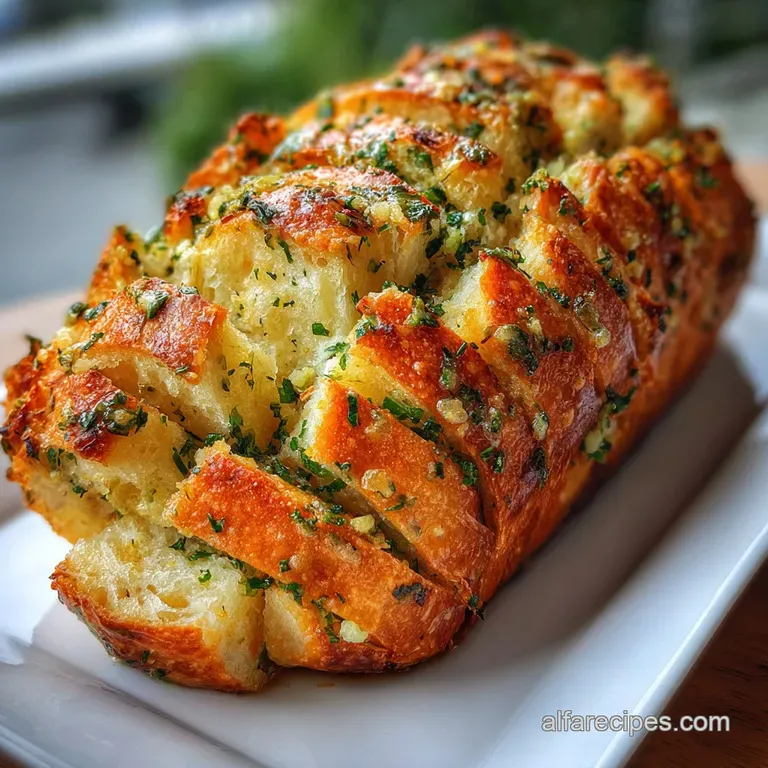
- Flavor/Texture Hook: A buttery, velvety center with a golden crust that offers a satisfying shatter
- Perfect for: A crowded table at holiday dinners or a hearty Sunday family feast
- Cooking with rhodes frozen bread dough
- The Science of Better Bread
- Ingredient Deep Dive Analysis
- Essential Ingredients and Substitutions
- Step-by-Step Baking Instructions
- Solving Common Dough Problems
- Guidelines for Scaling Up
- Bread Quality Myths Debunked
- Storage and Zero Waste Tips
- Recipe FAQs
- 📝 Recipe Card
Cooking with rhodes frozen bread dough
The scent of roasting garlic and yeasty dough hitting the oven is basically the universal signal for a big family gathering. I remember my first Thanksgiving hosting duty; I was so stressed about the turkey that I completely forgot the bread.
In a total panic, I grabbed a bag of rhodes frozen bread dough from the back of the freezer. By the time those rolls hit the table, glistening with herb butter, my aunt was already asking for my "artisan secret."
Honestly, I didn't have the heart to tell her I hadn't spent five hours kneading. That’s the beauty of this shortcut it’s the ultimate no fuss solution that actually tastes like real life, not some store-bought sponge.
We’ve all had those kitchen fails where the center stays raw or the crust turns into a rock, but once you learn how to handle this dough, it’s a total win.
Today we are making a garlic herb pull apart loaf that uses 1 lb Rhodes frozen bread dough as the base. It’s hearty, it’s rich, and it fills the house with an aroma that brings everyone running to the kitchen.
Forget those tiny, fancy portions; we’re making something meant to be shared by hand right out of the pan.
The Science of Better Bread
Yeast Dormancy: Freezing keeps the yeast in a suspended state, but it needs a gradual wake up call to produce the carbon dioxide required for a light, airy crumb.
Maillard Reaction: The combination of melted butter and Parmesan on the surface speeds up browning, creating that distinctively savory, toasted flavor profile.
Gluten Relaxation: Unlike the no knead homemade recipe where you build structure from scratch, this dough is already developed, meaning it just needs proper hydration to stay soft.
Fat Barrier: The 1/2 cup unsalted butter acts as a lubricant between the dough pieces, preventing them from fusing into a solid mass so they pull apart easily.
Comparison of Methods
| Feature | Fast (Frozen) | Classic (Scratch) |
|---|---|---|
| Kneading Time | 0 minutes | 15 minutes |
| Texture | Soft and pillowy | Dense and chewy |
| Success Rate | Very high for beginners | Variable based on humidity |
Choosing the frozen method isn't just about saving time; it's about consistency. When you have a house full of people, you don't want to worry about whether your yeast is still alive or if your kitchen is too cold for a rise.
Ingredient Deep Dive Analysis
| Ingredient | Science Role | Pro Secret |
|---|---|---|
| 1 lb Rhodes dough | Structural base | Thaw in the fridge overnight for the best flavor development. |
| 1/2 cup Unsalted Butter | Moisture and fat | Use high-quality butter for a more velvety mouthfeel. |
| 4 cloves Garlic | Aromatic punch | Hand mince for tiny bits that sizzle and brown. |
| 1/4 cup Parmesan | Protein and salt | Freshly grate it so it melts into the dough gaps. |
Using the right aromatics is what separates a basic roll from something spectacular. If you’re looking to branch out, the technique here is very similar to the one used in this Garlic Spread For Bread recipe, where we focus on fat soluble flavors.
Essential Ingredients and Substitutions
To get this right, you need the 1 lb Rhodes frozen bread dough, 1 tbsp extra virgin olive oil, 1/2 cup unsalted butter, 4 cloves garlic, 1 tbsp fresh Italian parsley, 1 tsp fresh rosemary, 1/2 tsp flaky sea salt, and 1/4 cup freshly grated Parmesan cheese.
| Original Ingredient | Substitute | Why It Works |
|---|---|---|
| 1/2 cup Unsalted Butter | Salted Butter | Use it if that's what you have, but skip the added sea salt. |
| 1 tbsp Fresh Parsley | 1 tsp Dried Parsley | Concentrated flavor, but won't provide that bright green pop. |
| 4 cloves Garlic | 1 tsp Garlic Powder | Note: Gives a more uniform flavor but lacks the crunchy bits. |
| 1/4 cup Parmesan | Pecorino Romano | Harder, saltier profile that adds a sharp tang to the crust. |
Chef's Tip: Freeze your butter for 10 minutes before melting it. This might sound weird since we're melting it anyway, but it helps the milk solids stay slightly more stable when you whisk in the garlic, creating a thicker emulsion that clings to the dough.
step-by-step Baking Instructions
- Thaw the dough. Take your 1 lb Rhodes frozen bread dough and let it come to room temperature or thaw it in the fridge overnight. Note: Cold dough won't rise properly in the oven.
- Preheat and prep. Set your oven to 190°C and grease a 12 cup muffin tin or a loaf pan with 1 tbsp extra virgin olive oil.
- Melt the butter. In a small saucepan, melt the 1/2 cup unsalted butter over low heat.
- Infuse the aromatics. Stir in the 4 cloves garlic, 1 tbsp fresh Italian parsley, and 1 tsp fresh rosemary into the warm butter. Wait until you smell the garlic before taking it off the heat.
- Portion the dough. Tear the dough into 12 even pieces, roughly the size of a golf ball.
- Coat the pieces. Dip each piece of dough into the garlic butter, ensuring every nook and cranny is covered.
- Assemble the loaf. Place the dough balls into your prepared pan, layering them loosely.
- Season and cheese. Sprinkle the 1/2 tsp flaky sea salt and 1/4 cup freshly grated Parmesan cheese over the top.
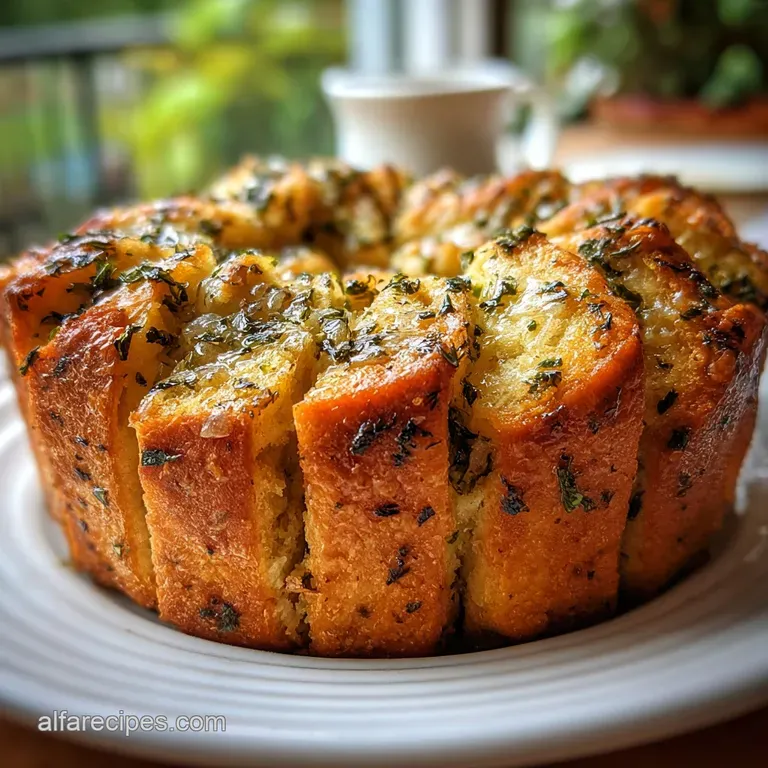
- The final bake. Place in the oven and bake 25 minutes until the tops are deep golden and the cheese is sizzling.
- Rest and serve. Let the bread sit in the pan for 5 minutes before turning it out onto a wooden board.
Solving Common Dough Problems
Getting the perfect rise with frozen products can be tricky if the temperature isn't just right. If your bread feels heavy, it’s almost always a temperature issue during the thaw phase.
Why Your Dough Didn't Rise
If the dough stays flat, it's likely that the yeast was shocked by a sudden temperature change or the dough was still too cold when it hit the oven. Yeast is a living organism; it needs warmth to breathe.
Why Your Bread is Doughy
A raw center usually happens when the oven is too hot on the outside, causing the crust to brown before the middle can set. This is common in smaller ovens or when the dough balls are packed too tightly.
| Problem | Root Cause | Solution |
|---|---|---|
| Hard, dry crust | Oven temperature too high | Tent with foil halfway through baking to block direct heat. |
| Greasy bottom | Butter separated | Whisk the butter infusion thoroughly before dipping dough. |
| Weak garlic flavor | Garlic was burnt | Sauté garlic on the lowest heat possible just until fragrant. |
Common Mistakes Checklist
- ✓ Never microwave the dough to thaw it - this kills the yeast and ruins the texture.
- ✓ Pat the dough pieces dry if they have condensation before dipping in butter.
- ✓ Use a thermometer to ensure your oven is actually at 190°C before the pan goes in.
- ✓ Avoid overcrowding the pan; the dough needs space to expand and "breathe."
- ✓ Let the bread rest for exactly 5 minutes; this allows the steam to redistribute.
Guidelines for Scaling Up
If you're feeding a massive crowd, you can easily double this recipe. Just be aware that you shouldn't just double everything blindly.
- Scaling Down (1/2 lb dough): Use a smaller pan, like a mini loaf tin, and reduce the bake time by about 5 minutes.
- Scaling Up (2 lbs dough): Use two separate pans rather than one large one. This ensures the heat can reach the center of both loaves evenly. For spices, only go to 1.5x the original amount (1.5 tsp rosemary instead of 2 tsp) to avoid an overpowering herbal taste.
- Baking Large Batches: If you are doing three or more loaves, rotate the pans halfway through the 25 minutes bake time to account for hot spots in your oven.
Serving Size Calculator
| Servings | Dough Amount | Pan Size | Butter Needed |
|---|---|---|---|
| 6 people | 0.5 lb | Small Loaf Pan | 1/4 cup |
| 12 people | 1 lb | 9x5 Loaf Pan | 1/2 cup |
| 24 people | 2 lbs | Two 9x5 Pans | 1 cup |
Bread Quality Myths Debunked
Many people believe that frozen dough is "lesser" than fresh, but that's just kitchen folklore. When companies like Rhodes flash freeze their dough, they lock in the yeast activity at its peak. It isn't a "fake" product; it's just a preserved one.
Another myth is that you can't get a crispy crust with frozen dough. The "shatter" of a good crust comes from the moisture evaporation and the fats on the surface. By using the 1/2 cup unsalted butter and 1/4 cup Parmesan, we are creating a surface that fries slightly in the oven, giving you that artisan crunch regardless of the dough's origin.
Storage and Zero Waste Tips
If you have leftovers (though in my house, that’s rare), wrap the bread tightly in foil. It will stay soft at room temperature for about 2 days. To reheat, don't use the microwave unless you want rubbery bread; put it back in a 175°C oven for 5 minutes until the butter sizzles again.
Zero Waste Idea: If the bread gets a little stale, don't toss it! Cut it into cubes and bake them at 150°C for 15 minutes to make the most incredible garlic herb croutons you’ve ever had.
You can also pulse the stale bits in a food processor for savory breadcrumbs that are perfect for topping a mac and cheese or a casserole. Using every bit of the 1 lb Rhodes frozen bread dough is not just budget friendly, it’s just smart cooking.

Recipe FAQs
How do you cook Rhodes frozen bread dough?
Thaw completely, then dip in garlic butter and bake. Take the frozen dough out to thaw at room temperature until soft, tear into pieces, coat them thoroughly in melted garlic herb butter, arrange in a pan, and bake at 190°C until deeply golden brown.
Does Rhodes still make frozen bread dough?
Yes, Rhodes continues to manufacture various lines of frozen dough products. They are widely available in the freezer section of most major grocery retailers, confirming their ongoing production status.
How long does it take for Rhodes frozen bread dough to rise?
It requires 1 to 3 hours at room temperature to proof, or overnight in the refrigerator. The dough must first be thawed, and then the yeast needs time in a warm, draft free spot to double in volume before baking.
How long does it take to thaw Rhodes frozen bread dough?
Thawing takes approximately 3 to 4 hours on the counter or 8 hours in the refrigerator. For best results and flavor development, I highly recommend the slow refrigerator method; mastering this controlled softening technique is key to an airy crumb, similar to the slow hydration process in a Overnight Oats with recipe.
Can I bake Rhodes dough straight from frozen without thawing?
No, you should never attempt to bake it directly from frozen. The yeast activity required for a proper rise will be arrested, resulting in dense, unrisen, and likely doughy bread.
What temperature should the oven be for baking Rhodes rolls?
Preheat your oven to 190°C (375°F) for the primary bake. If your crust is browning too quickly before the center cooks, loosely tent the pan with foil for the final 10 minutes to allow the interior to finish setting.
Is it true that you should brush frozen dough with an egg wash?
No, this is a common misconception when using Rhodes dough. Because this dough already contains fats and often produces its own moist crust, using an egg wash tends to make the final product too stiff; melted butter infusion works better for flavor penetration.
Garlic Pull Apart Rolls
Ingredients:
Instructions:
Nutrition Facts:
| Calories | 186 kcal |
|---|---|
| Protein | 3.8 g |
| Fat | 10.6 g |
| Carbs | 19.3 g |
| Fiber | 0.8 g |
| Sugar | 1.4 g |
| Sodium | 167 mg |
