French Onion Fondue Dip: Slow-Cooked and Creamy
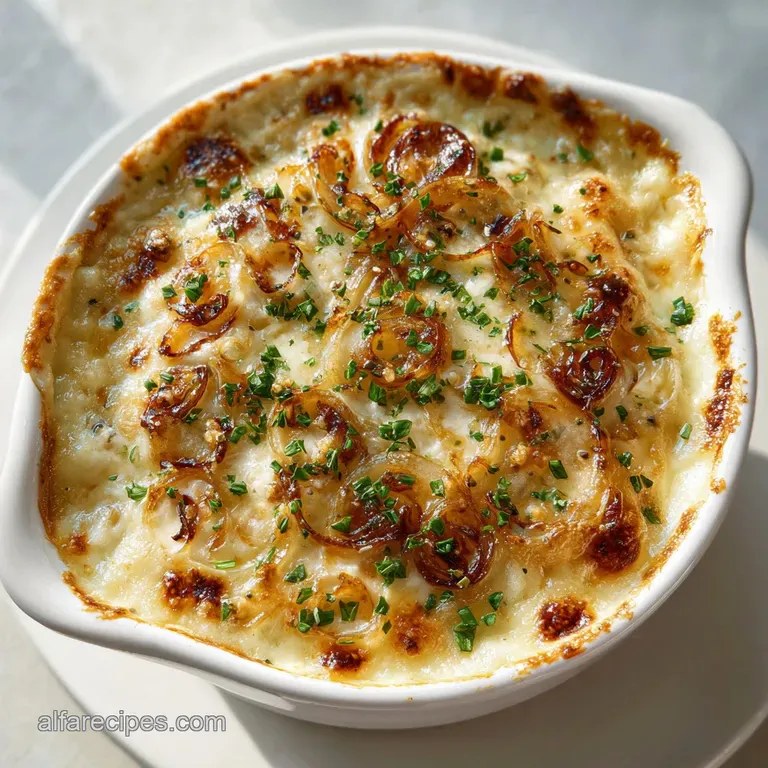
- Time: Active 15 minutes, Passive 50 minutes, Total 65 minutes
- Flavor/Texture Hook: Jammy, sweet savory onions suspended in a velvety, molten cheese pull
- Perfect for: Cozy family game nights or a hearty winter appetizer
- Crafting a Hearty and Velvety French Onion Fondue Dip
- The Reason This Melty Pot Stays Silky and Smooth
- Finding the Best Elements for Your Savory Onion Spread
- Choosing the Right Vessels for a Crowded Family Table
- Step by Step Guide to a Jammy Onion Masterpiece
- Fixing Common Snags for a Smooth and Velvety Texture
- Smart Swaps for a Budget-Friendly Gourmet Experience
- Debunking Kitchen Tales About Cheese and Onions
- Keeping Leftovers Fresh and Reducing Kitchen Waste
- Best Ways to Enjoy Your Warm Savory Cheese Pot
- Recipe FAQs
- 📝 Recipe Card
Crafting a Hearty and Velvety French Onion Fondue Dip
The house smelled like a French bistro on a rainy Tuesday, and honestly, that was the only thing keeping me sane. I remember the first time I tried to turn my favorite soup into a dip for a family gathering; I thought I could just toss some onions and cheese together and call it a day.
The result was a greasy, stringy mess that looked more like a science project than a snack. It was a real life lesson in the importance of patience and the magic of a little cornstarch.
But when you get it right, the way that first piece of crusty bread breaks through the surface, pulling a long, golden thread of Gruyère with it it's pure comfort. This French Onion Fondue Dip isn't about rushing; it's about the slow transformation of three large onions into a deep mahogany jam.
It’s the kind of dish that brings everyone to the table, shoulders relaxing as the aroma of thyme and toasted cheese fills the room. It’s no fuss once the prep is done, making it the ultimate centerpiece for a crowded table.
We’re going for a texture that is thick enough to scoop but fluid enough to stretch. You won’t find any "gourmet" pretension here, just honest ingredients working together.
Whether you’re huddled around a board game or just looking for a hearty treat to share with the kids, this dip hits that sweet spot between a meal and a snack. Trust me, the 40 minutes you spend watching those onions turn amber is the best investment you’ll make all week.
The Reason This Melty Pot Stays Silky and Smooth
The real magic happens during the long, slow cook of the onions, where they undergo a deep transformation that provides the foundation for the entire flavor profile. This isn't just about heat; it's about breaking down the cellular structure of the Vidalias until they release their natural sugars and create a savory base that balances the heavy fats of the cheese.
- Starch Stabilization: Tossing the cheese in cornstarch before melting creates a protective barrier that prevents the proteins from clumping together and the fats from separating into an oily pool.
- Acidity and Emulsion: The dry white wine and a splash of brandy don't just add depth; the tartaric acid in the wine helps keep the cheese proteins fluid, ensuring a velvety texture rather than a rubbery one.
- Fond Recovery: Deglazing the pan after caramelizing the onions pulls up all the brown bits the "fond" incorporating that concentrated umami directly into the liquid base of the fondue.
- Controlled Hydration: Reducing the wine by half ensures the dip is concentrated in flavor while providing just enough liquid to maintain a dippable consistency without becoming a soup.
| Cooking Method | Total Time | Texture Outcome | Best Occasion |
|---|---|---|---|
| Stovetop (Classic) | 65 minutes | Silky, ultra smooth emulsion | Total control for family dinner |
| Oven Finished | 75 minutes | Bubbling, browned cheese crust | Set it and forget it for parties |
| Slow Cooker | 4 hours | Deeply jammy, soft onions | Hands off for busy game days |
When choosing between these methods, I usually stick to the stovetop for the best control over the cheese emulsion. However, if you're serving a larger crowd and want that "shatter" of a browned cheese top, transferring the finished dip to a broiler for two minutes works wonders. If you are looking for a different style of spread for a quicker night, you might enjoy this Cream Cheese Dip, which is a bit faster but just as satisfying.
Finding the Best Elements for Your Savory Onion Spread
Selecting your ingredients is where the budget smart approach really shines. You don't need the most expensive vintage wine to make this work, but you do need ingredients that play well together under heat.
| Ingredient | Science Role | Pro Secret |
|---|---|---|
| Vidalia Onions | High sugar content for deep caramelization | Slice them root to stem for better texture retention |
| Gruyère Cheese | High fat and moisture for a classic melt | Grate it yourself; pre shredded has anti clumping wood pulp |
| Cornstarch | Acts as an emulsifier and thickener | Whisk it into the cold cheese so it doesn't form lumps later |
| Dry White Wine | Provides acidity to keep proteins relaxed | Use a Sauvignon Blanc for a crisp, clean finish |
When you’re at the store, look for the onions that feel heavy for their size. If Vidalias are out of season or too pricey, standard yellow onions work beautifully; they just might need five extra minutes to reach that mahogany stage.
For the cheese, a mix of Gruyère and Emmental is traditional, but if you’re watching the budget, Fontina is a fantastic, melty substitute that still offers a lovely nutty note.
For the Caramelized Base
This is the heart of the dish. You’ll need those three large onions, some unsalted butter, and a bit of kosher salt. The salt is crucial early on because it draws out moisture, helping the onions soften before they start to brown.
Don’t skip the fresh thyme; dried thyme just doesn’t have that bright, herbaceous "shatter" of flavor that cuts through the rich cheese.
The Fondue Liquid
The wine provides the liquid volume, but the brandy is the secret weapon. It adds a sophisticated, toasted note that mimics the complexity of a long simmered French onion soup. If you don't have brandy, a splash of sherry or even a bit of extra wine will do, though you'll miss that specific punch.
The Cheese Blend
I use a 50/50 mix of Gruyère and Emmental. Gruyère gives you that classic, assertive "alpine" flavor, while Emmental (or Fontina) provides the stretch. Always, always grate your own cheese.
I learned this the hard way when a bag of pre shredded cheese turned my dip into a grainy, sad puddle because of the potato starch coating they put in the bags.
Choosing the Right Vessels for a Crowded Family Table
You don't need a professional fondue set to make this a success. In fact, I prefer using a heavy bottomed skillet like a cast iron or a heavy stainless steel pan because it retains heat so much better once you move it to the table.
A thin pan will hot spot and scorch your cheese before everyone has had a chance to dip.
- Heavy Bottomed Skillet: Essential for the 40 minute onion cook. It ensures even heat so the onions don't burn while they're softening.
- Microplane or Grater: For the garlic and the cheese. A fine grate on the garlic ensures it melts into the onions without leaving pungent chunks.
- Wooden Spoon: Better than a whisk for the onion stage because you can really scrape the bottom of the pan to get that fond up.
If you’re planning a bigger meal around this, this Smoked Sausage with Potatoes and Onions makes for a hearty follow up that uses similar flavor profiles. It’s all about that "one pan" philosophy that keeps the kitchen from becoming a disaster zone.
| Original Ingredient | Substitute | Why It Works |
|---|---|---|
| Gruyère (8 oz) | Swiss Cheese (8 oz) | Similar melting point and mild, nutty profile. Note: Slightly less complex flavor. |
| Brandy (1 tbsp) | Dry Sherry (1 tbsp) | Provides a similar fortified wine depth. |
| White Wine (1 cup) | Chicken Broth + 1 tsp Lemon Juice | The broth adds body while the lemon provides necessary acidity. |
Substituting the wine for broth is a great move if you're cooking for kids or just want to keep things alcohol free. The lemon juice is non negotiable in that case, though; without it, the cheese will struggle to stay emulsified and smooth.
step-by-step Guide to a Jammy Onion Masterpiece
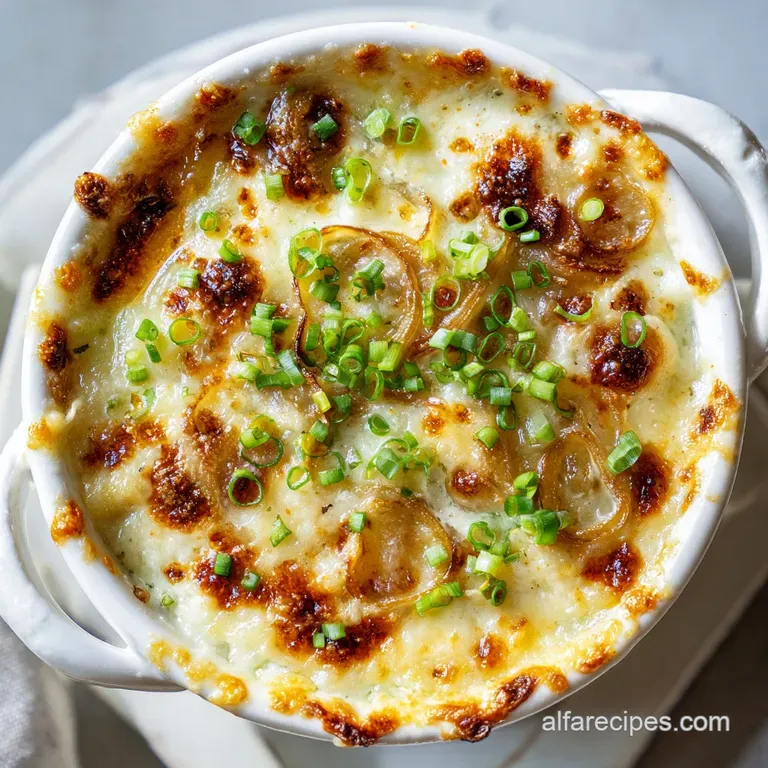
Caramelizing onions is a lesson in mindfulness. You can't rush it, but the payoff is a depth of flavor that a quick sauté just can't touch. You’ll see the onions go through stages: first they’ll soften and turn translucent, then they’ll take on a pale yellow hue, and finally, they’ll settle into a deep, jam like mahogany.
Phase 1: Developing the Mahogany Base
- Melt 3 tablespoons of unsalted butter in a heavy bottomed skillet over medium heat. Add the sliced onions and 1 teaspoon of kosher salt. Note: The salt helps release water so the onions steam and soften before they fry.
- Reduce the heat to medium low. This is the "no fuss" part stir them occasionally for about 40 minutes. Wait until they reach a deep mahogany brown and a jammy consistency.
- Add the 2 cloves of grated garlic and 1 tablespoon of minced thyme in the last 2 minutes of browning. Cook until the garlic smells fragrant but hasn't browned.
Phase 2: Deglazing and Thickening
- Increase the heat slightly to medium and pour in 1 cup of dry white wine and 1 tablespoon of brandy.
- Use your wooden spoon to scrape the fond (the brown bits) from the bottom of the pan. The liquid will turn a rich, dark color as it incorporates the onion essence.
- Stir in 1 teaspoon of Dijon mustard. Let the liquid simmer and reduce by half. Note: Reducing the liquid concentrates the flavor and ensures the dip isn't too runny.
Phase 3: The Emulsion
- In a separate bowl, toss the 8 oz of Gruyère and 8 oz of Emmental with 1 tablespoon of cornstarch. Ensure every shred is evenly coated to prevent clumping.
- Gradually add the cheese blend to the skillet, one handful at a time. Stir constantly in a figure eight motion. Wait until each handful is fully melted before adding the next.
- Continue stirring until a smooth, stable emulsion is formed. The dip should look glossy and velvety, without any visible oil.
- Serve immediately while hot. Note: If it starts to thicken too much at the table, a tiny splash of warm wine or broth can loosen it back up.
Fixing Common Snags for a Smooth and Velvety Texture
Even the best of us have bad cheese days. If you find your dip isn't behaving, don't panic. Most fondue issues are related to temperature or a broken emulsion, both of which are usually fixable with a little heat management.
Why Your Fondue Is Stringy
If the cheese is forming long, rubbery ropes instead of a smooth pool, it usually means the temperature was too high or there wasn't enough acidity. The proteins have wound themselves tight. To fix this, you can try adding a squeeze of lemon juice or a teaspoon of white wine and whisking vigorously over very low heat.
Why Your Fondue Is Oily
An oily top means the fat has separated from the protein. This often happens if the cheese was added too quickly or the heat was too aggressive. The solution is often a "starch slurry." Mix a teaspoon of cornstarch with a teaspoon of cold wine, stir it into the dip, and bring it just barely to a simmer while stirring in that figure eight motion.
| Problem | Root Cause | Solution |
|---|---|---|
| Broken/Oily Texture | Heat too high or fat separated | Add a cornstarch slurry and whisk over low heat. |
| Grainy Mouthfeel | Pre shredded cheese used | Next time, grate from a block. For now, try adding a splash of cream. |
| Too Thick to Scoop | Liquid reduced too much | Stir in a tablespoon of warm wine or broth. |
Common Mistakes Checklist
- ✓ Never use high heat once the cheese goes in; low and slow prevents the proteins from toughening.
- ✓ Always grate your cheese from a block to avoid the grainy additives in pre shredded bags.
- ✓ Don't skip the cornstarch coating; it is the "glue" that keeps the water and fat together.
- ✓ Ensure your onions are truly mahogany brown; pale onions will make the dip taste like raw vegetables.
- ✓ Use a heavy pan; thin aluminum pans will scorch the cheese and ruin the flavor.
Smart Swaps for a Budget Friendly Gourmet Experience
You don't need a cellar full of expensive bottles to make a great French Onion Fondue Dip. Sometimes the best versions are made with what you already have in the pantry. If Gruyère is pushing the grocery budget too far, I often use a sharp white cheddar mixed with a little Swiss.
It’s not "traditional," but for a family night, it’s absolutely delicious and much more affordable.
- The Onion Swap: If you have a bag of red onions that need using, go for it! They turn a beautiful deep purple brown and offer a slightly sharper, more complex sweetness.
- Alcohol Free: As mentioned, broth and lemon juice are great. You can also use a non alcoholic white wine or even a splash of apple cider vinegar (just use less, about 2 tablespoons) mixed with water.
- Herbal Varieties: If thyme isn't your favorite, rosemary provides a woody, wintery vibe that pairs exceptionally well with the nuttiness of the cheese.
Methods for Scaling Your Recipe
When you’re feeding a larger crowd, doubling this recipe is straightforward, but there are a few things to keep in mind. Don't just double the salt; start with 1.5 times the amount and taste as you go.
Onions release a lot of liquid, so when you double the volume, you might need an extra 10-15 minutes of cook time to get them properly caramelized without overcrowding the pan.
If you are cutting the recipe in half, be careful with the reduction of the wine. In a smaller pan, liquid evaporates much faster. You might find it reaches that "reduced by half" stage in only 2 or 3 minutes.
Also, when using half an egg (though not in this recipe) or small amounts of spices, it's often better to measure by weight if you have a kitchen scale.
Debunking Kitchen Tales About Cheese and Onions
There's a lot of "old wives' tales" when it comes to caramelizing onions and melting cheese. Let's clear up some of the most common ones so you can cook with confidence.
Myth: Adding sugar makes onions caramelize faster. Truth: Sugar just coats the onions in syrup. Real caramelization is a chemical process (the Maillard reaction) that takes time to break down the onion's internal structures. Adding sugar often leads to burnt edges before the centers are soft.
Patience is the only real shortcut.
Myth: You need a special fondue pot to keep it smooth. Truth: A fondue pot is great for temperature maintenance at the table, but the emulsion itself is created by the cornstarch and acidity. If your emulsion is stable, a warm cast iron skillet will keep it dippable for plenty of time.
Myth: Constant stirring is required for onions. Truth: If you stir them too much, they won't brown! You actually want them to sit in contact with the pan for a few minutes at a time. Only stir when you see the bottom layer starting to take on color.
Keeping Leftovers Fresh and Reducing Kitchen Waste
In a real life kitchen, we rarely have "perfect" portions. If you end up with extra dip, you're actually in luck because this stuff is incredibly versatile the next day.
Storage Guidelines:Fridge: Store in an airtight container for up to 3 days. The cheese will solidify, so you'll need to reheat it gently. Freezer: I don't recommend freezing the finished dip. The emulsion often breaks when thawed, resulting in a grainy texture.
However, you can freeze the caramelized onion base for up to 3 months!
Zero Waste Tips: Don't throw away the onion skins! Toss them into a bag in your freezer for the next time you make homemade beef or vegetable stock; they add incredible color and a subtle earthy flavor.
If you have leftover dip that you don't want to eat as a "dip" again, try using it as a decadent topping for a steak or stuffing it inside a chicken breast before baking. It’s a "gourmet" touch that uses up every last bit of that liquid gold.
Best Ways to Enjoy Your Warm Savory Cheese Pot
A fondue is only as good as what you dip into it. While a crusty baguette is the classic choice, I love to provide a variety of textures and flavors to keep the meal interesting for the whole family.
- The Traditional Spread: Slices of toasted sourdough, cornichons (tiny pickles), and slices of tart Granny Smith apples. The acidity of the apple cuts through the richness of the Gruyère perfectly.
- The Low Carb Angle: Roasted cauliflower florets, blanched broccoli, or even strips of bell pepper. These provide a great crunch without the heavy carbs of bread.
- Hearty Additions: If you want to turn this into a full meal, serve it alongside some sliced smoked sausage or roasted fingerling potatoes.
I usually set the pan right in the middle of the table on a thick wooden board. Make sure everyone has their own small plate to catch any drips though, in my house, chasing the drips is half the fun.
This French Onion Fondue Dip is more than just a recipe; it’s an invitation to slow down, share a laugh, and enjoy a hearty, no fuss meal with the people you love. Right then, let’s get those onions in the pan!
Recipe FAQs
How to ensure the onions reach the correct jammy consistency?
Cook the onions over medium low heat for approximately 40 minutes. Stir them occasionally until they transition from translucent to a deep mahogany brown, which indicates the sugars have fully caramelized.
Is it true I can use pre-shredded cheese to save time?
No, this is a common misconception. Pre-shredded bags contain anti caking additives that prevent the cheese from melting into a smooth, stable emulsion; always grate your Gruyère and Emmental from a block.
Why is the cornstarch step necessary?
Use cornstarch to create a stable emulsion between the cheese fats and the wine. If you enjoyed mastering this stable emulsion technique, you can apply the same logic to thickening sauces in other savory dishes.
How to prevent the cheese from breaking or becoming oily?
Stir the cheese in a figure eight motion over low heat. Avoid high temperatures once the cheese is added, as extreme heat causes the proteins to toughen and separate from the fats.
Can I speed up the onion caramelization process by using higher heat?
No, avoid high heat to prevent scorching. Rushing the process results in burnt, bitter onions rather than the deep, sweet, jammy flavor required for this dip.
How to properly deglaze the skillet after adding wine and brandy?
Use a wooden spoon to scrape the fond from the bottom of the pan. This process incorporates the caramelized bits stuck to the skillet back into the liquid, deepening the overall flavor profile.
How to tell when the onions are ready for the garlic and thyme?
Add the garlic and thyme only during the final 2 minutes of cooking. Adding these aromatics too early can cause them to burn during the 40-minute onion caramelization process, resulting in an acrid taste.
French Onion Fondue Dip
Ingredients:
Instructions:
Nutrition Facts:
| Calories | 342 kcal |
|---|---|
| Protein | 17.3 g |
| Fat | 21.9 g |
| Carbs | 12.5 g |
| Fiber | 1.9 g |
| Sugar | 5.8 g |
| Sodium | 545 mg |
