Crispy Baked Whiting Fish Recipe with Lemon Butter
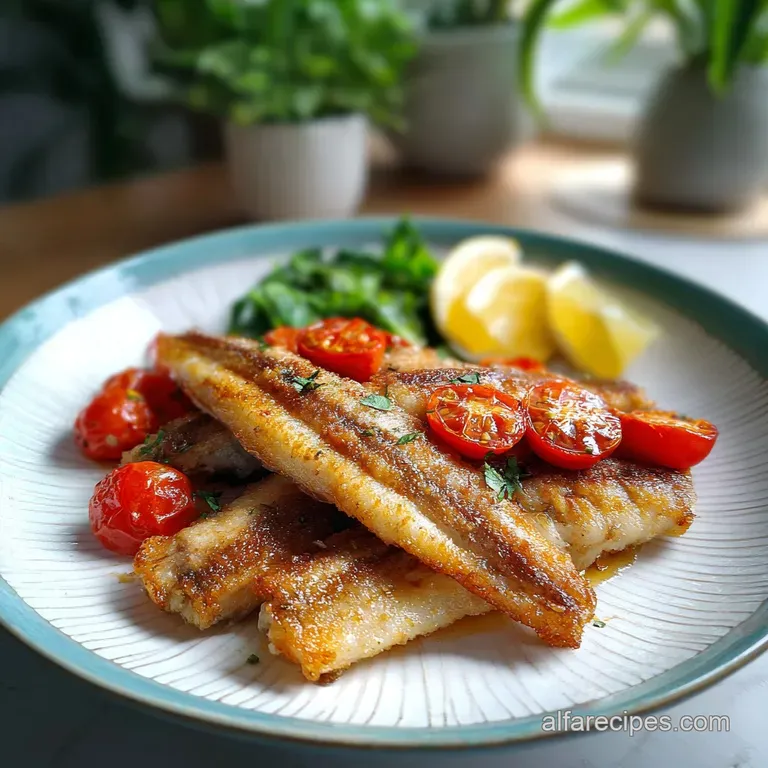
- Time: Active 10 mins, Passive 0 min, Total 16 mins
- Flavor/Texture Hook: Shattering cornmeal crust with a velvety lemon butter finish.
- Perfect for: Busy weeknight family dinners or a casual Friday fish fry.
- The Secret to a Perfect Whiting Fish Recipe
- The Science of a Crispy Shattering Crust
- Important Metrics for Success and Timing
- Selecting Ingredients for Your Family Dinner
- Simple Kitchen Tools for Better Searing
- Step by Step Pan Frying Technique
- Fixing Common Frying and Texture Mistakes
- Scaling Recipes for Larger Families
- Storage Methods for Keeping Fish Fresh
- Flavor Variations for Your Seafood Meal
- Searing Secrets and Kitchen Truths
- Recipe FAQs
- 📝 Recipe Card
The Secret to a Perfect Whiting Fish Recipe
There is something visceral about the sound of fresh fillets hitting a hot, shimmering pan. It's a sharp, aggressive sizzle that immediately fills the kitchen with the aroma of toasted grain and sea salt.
For me, this whiting fish recipe isn't just a meal; it's a memory of crowded tables and passed plates of lemon wedges. I remember watching my grandmother stand over a cast iron skillet, her movements practiced and calm, as she transformed humble whiting into golden treasure.
The beauty of whiting is its mildness, but that's also the challenge. It’s a lean fish that can turn from succulent to straw like in a matter of seconds. I’ve made the mistake of over dredging it in the past, resulting in a doughy mess that hides the fish.
Through trial and error, I found that the mixture of cornmeal and flour provides the structural integrity needed for a true "shatter" when you bite into it, while the butter finish adds a necessary richness that whiting lacks on its own.
The Science of a Crispy Shattering Crust
Understanding the physics of the fry changes everything about how you approach the stove. We aren't just heating food; we are managing moisture and protein structures to create specific textures.
- Starch Gelatinization: Cornmeal contains larger starch granules that don't hydrate as quickly as wheat flour, creating a rigid, bumpy surface that stays crisp even as the fish releases steam.
- Smoke Point Dynamics: Grapeseed oil has a high smoke point (around 420°F), allowing us to sear at high temperatures to trigger the Maillard reaction without the oil breaking down into bitter compounds.
- Protein Denaturation: High heat rapidly tightens the outer protein fibers of the fish, creating a natural barrier that prevents the interior moisture from escaping too quickly.
| Cooking Method | Cook Time | Texture Outcome | Best Usage |
|---|---|---|---|
| Stovetop Pan Fry | 6 mins | Shattering, golden crust | Classic Friday fish fry |
| Air Fryer Method | 12 mins | Evenly browned, less oil | Healthy weeknight swap |
| oven-roasted | 18 mins | Tender, flaky, mild | Large batch meal prep |
Choosing the right method depends on your schedule, but the stovetop version remains the gold standard for that authentic, crispy mouthfeel. While the air fryer is convenient, it lacks the conductive heat transfer that oil provides, which is essential for that signature "fried" flavor profile.
Important Metrics for Success and Timing
To get this right every single time, we need to focus on a few non negotiable numbers that separate a soggy fillet from a restaurant quality sear.
| Component | Metric Role | Pro Secret |
|---|---|---|
| 1.5 lbs Whiting | Main Protein | Pat dry with three paper towels per side. |
| 1/2 cup Cornmeal | Texture Agent | Use "fine" grind to avoid a gritty, sandy mouthfeel. |
| 3 tbsp Grapeseed Oil | Heat Conductor | Wait for the oil to shimmer before adding the first fillet. |
Success in the kitchen often comes down to these small details. If your oil isn't hot enough, the dredge will act like a sponge, soaking up fat instead of crisping. If your fish is wet, the steam will blow the coating right off the meat.
Selecting Ingredients for Your Family Dinner
You don't need a pantry full of exotic spices for this. We are leaning on pantry staples that work hard to deliver big flavors.
- 1.5 lbs fresh whiting fillets: Look for bright, firm flesh. Why this? Whiting is affordable and has a gentle sweetness perfect for families.
- 1/2 cup fine yellow cornmeal: Provides the "snap" in the crust.
- 1/2 cup all purpose flour: Acts as the glue for the cornmeal.
- 1 tsp smoked paprika: Adds a deep, woodsy color and earthiness.
- 3 tbsp grapeseed oil: High smoke point is essential here.
- 2 tbsp unsalted butter: Added at the end for a velvety finish.
- 1 medium lemon: The acidity cuts through the fried richness perfectly.
- 2 tbsp fresh parsley: Adds a burst of herbal freshness.
Chef's Tip: Freeze your butter for 10 minutes before adding it to the pan at the end. Cold butter takes longer to melt, allowing it to emulsify with the lemon juice into a thicker, more velvety sauce rather than just turning into liquid oil.
Simple Kitchen Tools for Better Searing
We are keeping it minimal today. You don't need a deep fryer or fancy gadgets to make a world class fish dish. A heavy bottomed skillet ideally cast iron or stainless steel is your best friend because it holds heat consistently when the cold fish hits the surface.
You will also need a wide, shallow bowl for dredging. I actually prefer using a rimmed baking sheet for this because it gives you more "runway" to coat the fish evenly without crowding.
A fish spatula (those thin, flexible metal ones) is also a massive help for getting under the delicate fillets without breaking that precious crust.
step-by-step Pan Frying Technique
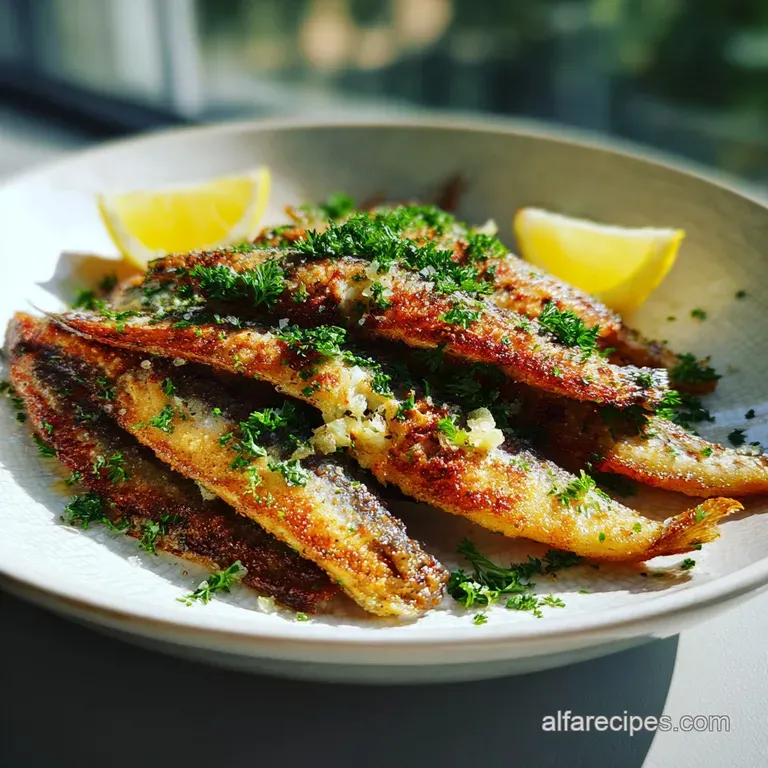
Let's get cooking. Follow these steps closely, especially the parts about heat management, and you'll have a mountain of crispy fish in no time.
- Pat the 1.5 lbs whiting fillets completely dry with paper towels. Note: Surface moisture is the enemy of a crisp crust.
- Season the fish evenly on both sides with 1 tsp kosher salt and 1/2 tsp black pepper.
- Mix the 1/2 cup cornmeal, 1/2 cup flour, 1 tsp smoked paprika, 1/2 tsp garlic powder, and 1/4 tsp cayenne in a shallow dish.
- Dredge each fillet in the mixture, pressing down firmly until every inch is covered in a fine dust.
- Shake off any excess coating gently. Note: Too much flour leads to a gummy, thick skin.
- Heat 3 tbsp grapeseed oil in a large skillet over medium high heat until it shimmers and ripples.
- Lay the fillets in the pan away from you to avoid splashes.
- Cook for 3 mins until the edges look golden and opaque.
- Flip carefully and add 2 tbsp butter and the lemon juice/zest to the pan.
- Baste the fish with the bubbling lemon butter for 3 mins until the crust is deep mahogany and shattering.
Fixing Common Frying and Texture Mistakes
Even experienced cooks run into trouble when frying fish. The most common heartbreak is a coating that falls off or a fillet that sticks like glue to the pan.
Solving Soggy Coating Issues
If your fish comes out limp, it's usually because the pan temperature dropped too low. This happens when we crowd too many fillets in at once. The oil temperature plummets, and instead of frying, the fish begins to poach in lukewarm fat.
Avoiding Fish Sticking Problems
Sticking is usually a sign of impatience. When protein hits hot metal, it initially bonds to it. As the Maillard reaction occurs and the crust forms, the fish will naturally "release" itself from the pan. If you try to flip it too early, you'll leave half the flavor behind on the skillet.
| Problem | Root Cause | Solution |
|---|---|---|
| Coating falls off | Fish was too wet | Pat dry until the paper towel comes away bone dry. |
| Burned spices | Heat was too high | Keep it at medium high; if oil smokes, pull it off heat. |
| Greasy mouthfeel | Oil was too cold | Use an infrared thermometer to aim for 350°F before frying. |
Common Mistakes Checklist
- ✓ Skipping the "pat dry" step (leads to steaming instead of frying).
- ✓ Using a non stick pan (you won't get the same crust development).
- ✓ Flipping the fish more than once (increases the chance of breakage).
- ✓ Adding butter too early (the milk solids will burn before the fish is done).
- ✓ Overcrowding the skillet (work in batches if necessary).
Scaling Recipes for Larger Families
When you need to feed a crowd, you can't just double everything and hope for the best.
Scaling Up (2x or 4x): When doubling the recipe, keep the salt and spices to about 1.5x the original amount. Spices can become overwhelming in large volumes. Most importantly, work in batches. If you try to cook 3 lbs of fish in one pan, you'll end up with a soggy mess.
Keep the first batch warm in a 200°F oven on a wire rack while you finish the rest.
Scaling Down (½ or ¼): Whiting is small, so scaling down is easy. Use a smaller 8 inch skillet to maintain the depth of the oil. You can reduce the cook time by about 30 seconds per side since the pan will retain heat more aggressively with less cold protein being added.
Storage Methods for Keeping Fish Fresh
Fried fish is best enjoyed immediately, but life happens. If you have leftovers, store them in an airtight container in the fridge for up to 2 days. For the best zero waste hack, flake the leftover cold fish into a salad or use it as a base for quick fish cakes the next day.
To reheat, avoid the microwave at all costs it will turn the crust into a rubbery wrap. Instead, pop the fillets into a 350°F air fryer for 3 minutes or a toaster oven for 5 minutes. This draws out the moisture and restores that necessary crunch.
You can freeze cooked whiting for up to 1 month, but be prepared for a slightly softer texture upon thawing.
Flavor Variations for Your Seafood Meal
While the lemon butter version is my favorite, this whiting fish recipe is a fantastic canvas for other flavors. You can swap the smoked paprika for Old Bay seasoning for a Mid Atlantic vibe, or add a teaspoon of dried oregano and lemon peel for a Mediterranean twist.
If you want to keep the meal simple and hearty, this fish pairs beautifully with my Roasted Sheet Pan recipe for a complete oven and stove combo. The earthiness of the roasted vegetables balances the bright, citrusy notes of the whiting perfectly.
Searing Secrets and Kitchen Truths
There is a long standing myth that you must use a massive amount of oil to get a crispy result. That's simply not true. Shallow frying is about the contact between the hot pan, the thin layer of oil, and the starch. You aren't submerging the fish; you are using the oil as a heat transfer medium.
Another myth is that "fresh is always better than frozen." In reality, most fish is flash frozen on the boat, preserving its cellular structure better than "fresh" fish that has been sitting in a display case for three days.
If you buy frozen whiting, just ensure it is fully thawed and I'll say it one more time completely dry before it touches the dredge. Trust the process, keep your pan hot, and your family will be asking for this every Friday night.
Recipe FAQs
What's the best way to eat whiting?
pan-fried with a lemon butter finish. The delicate, sweet meat benefits greatly from a high heat sear to create a shattering cornmeal crust.
Is whiting a good eating fish?
Yes, it is an excellent eating fish. Whiting has a mild flavor and lean texture, making it very versatile, though it can dry out easily if overcooked.
How to cook whiting for the crispiest result?
Use a 50/50 flour and fine cornmeal dredge. Shallow fry the fillets in grapeseed oil heated until shimmering (around 350°F) for only 3 minutes per side.
What spices go well with whiting?
Smoked paprika, garlic powder, salt, and pepper are ideal. These simple spices enhance the fish's natural sweetness without overpowering its mild profile.
Is it true I must use a lot of oil when frying whiting?
No, this is a common misconception. Shallow frying with just enough oil to coat the bottom of the pan deeply (about 1/4 inch) is sufficient for achieving a crisp crust.
How long should I cook whiting fillets in a hot pan?
Cook for 3 minutes on the first side until golden, then flip and cook for another 3 minutes. Be sure to add butter and lemon juice during the second stage to create a quick sauce.
How do I prevent the coating from becoming soggy when reheating leftovers?
Reheat the fillets in an air fryer or toaster oven. Avoid the microwave entirely, as the trapped moisture will instantly turn the crispy crust into a rubbery texture.
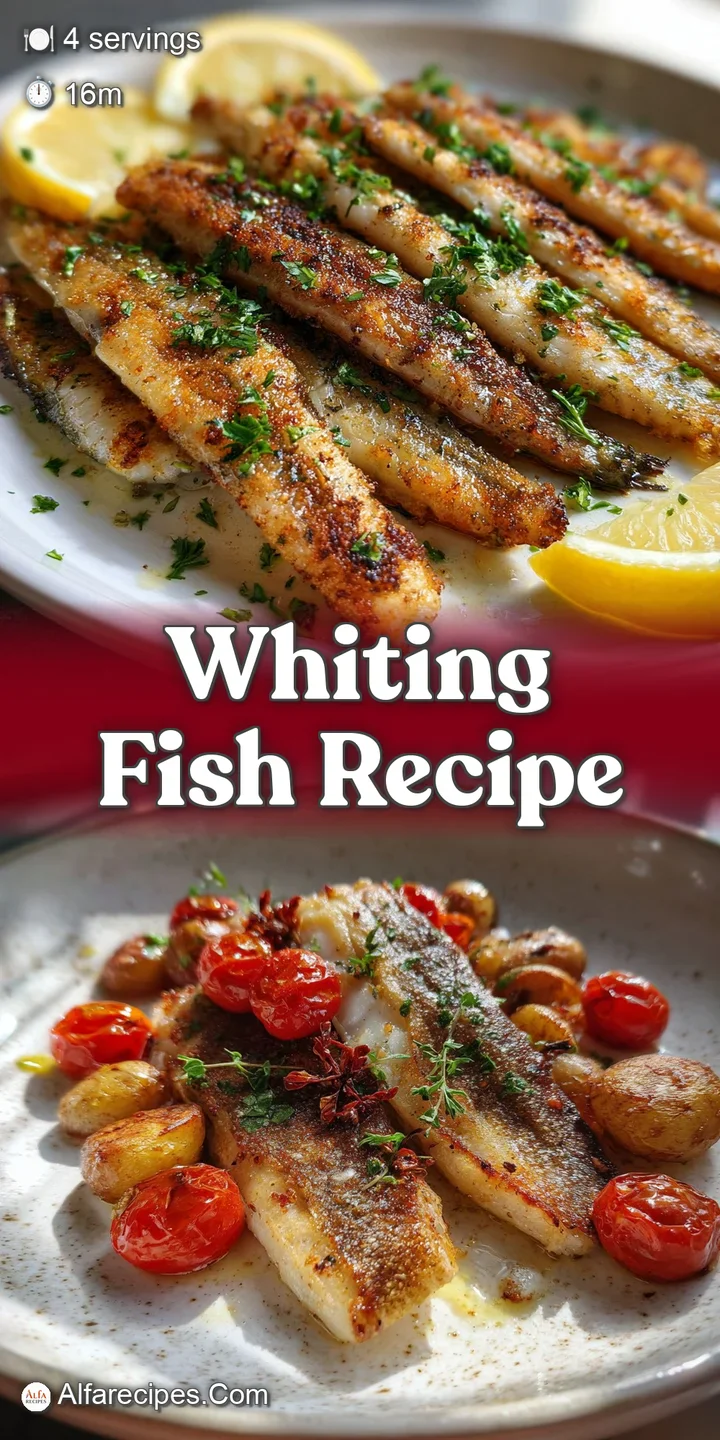
Crispy Whiting Fish Recipe
Ingredients:
Instructions:
Nutrition Facts:
| Calories | 312 kcal |
|---|---|
| Protein | 31.4 g |
| Fat | 12.8 g |
| Carbs | 16.5 g |
| Fiber | 1.2 g |
| Sugar | 0.4 g |
| Sodium | 685 mg |
