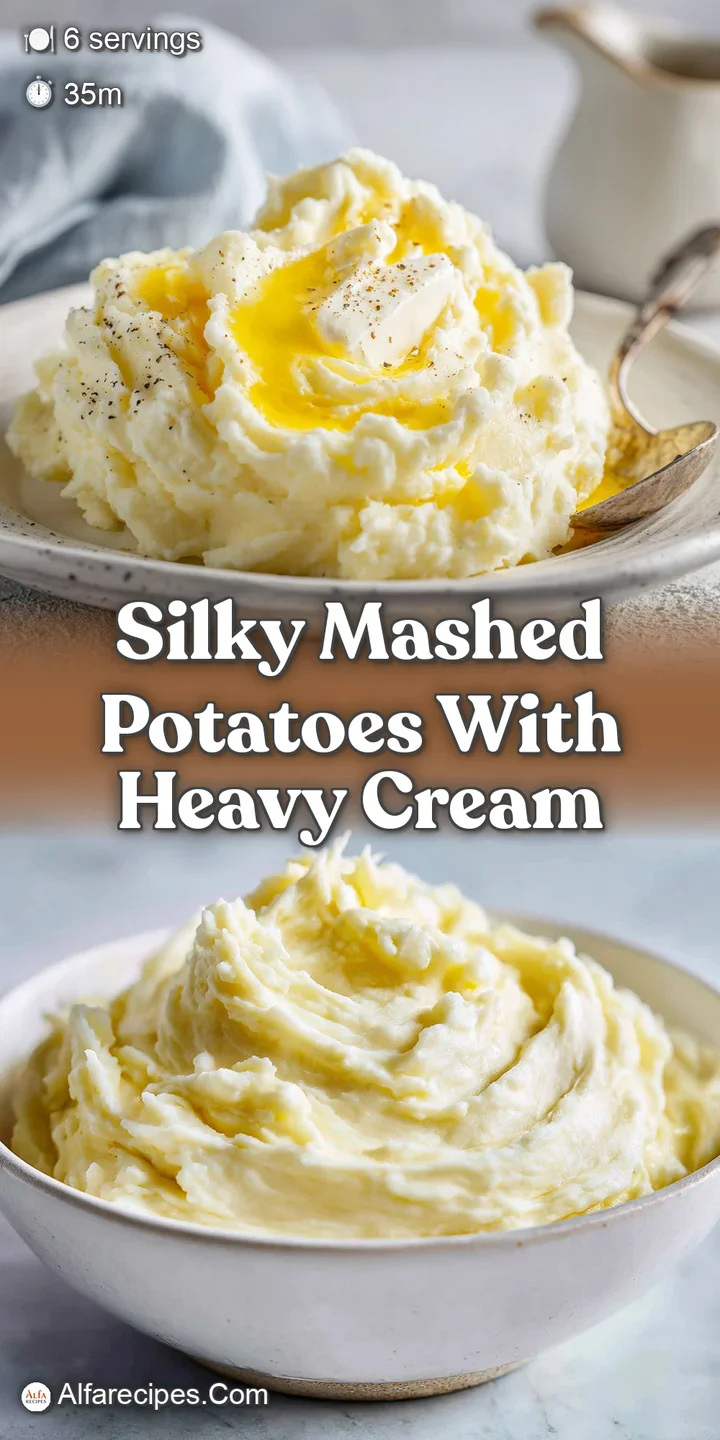
Silky Mashed Potatoes with Heavy Cream
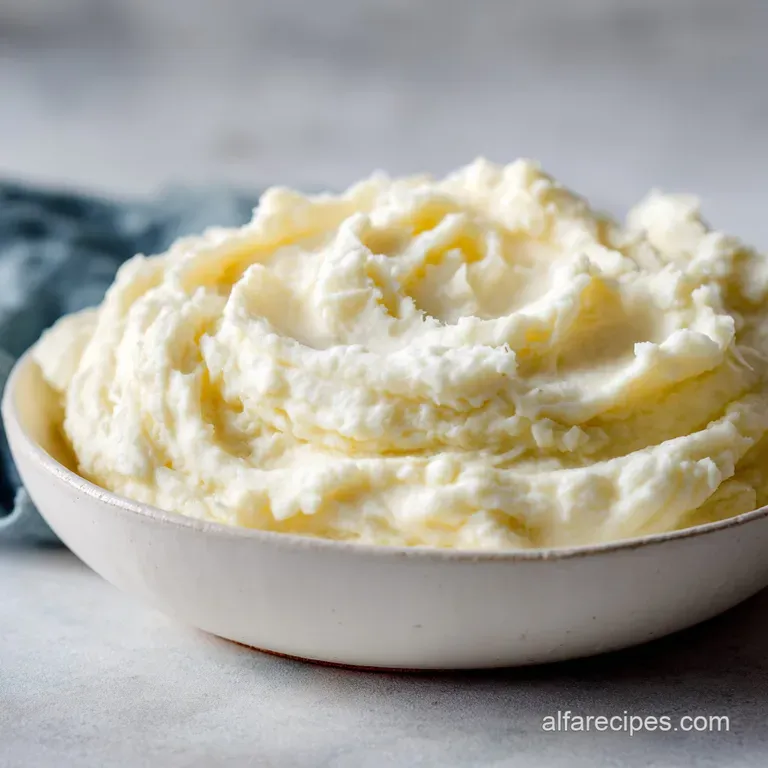
- Time: Active 15 minutes, Passive 20 minutes, Total 35 minutes
- Flavor/Texture Hook: Silky, buttery, and cloud like with a gentle garlic finish
- Perfect for: Sunday roasts, holiday feasts, or a comforting weeknight treat
- The Physics of the Fluff and Starch Control
- By the Numbers for Your Crowded Table
- The Essential Pantry Staples for Hearty Results
- The Reliable Tools for a No Fuss Prep
- The Foolproof Path to a Silky Texture
- Navigating the Texture Trap and Other Fixes
- Smart Adjustments for Every Occasion
- Debunking the Great Potato Legends
- Keeping Leftovers Fresh and Using Every Scrappy Bit
- Finding the Perfect Main for Your Potato Feast
- Recipe FAQs
- 📝 Recipe Card
The steam rises from the pot in a thick, earthy cloud, carrying that unmistakable scent of home. It's a smell that takes me right back to my aunt’s kitchen, where the counter was always crowded with mismatched bowls and the sound of a heavy metal masher hitting the bottom of a pot was the dinner bell.
I remember one year, in my rush to get dinner on the table, I didn’t dry the potatoes enough. I ended up with a watery mess that no amount of butter could save. It was a humble lesson in patience, but it’s why I’m so particular about the "steam dry" step today.
We've all been there, staring at a bowl of grey, gummy spuds wondering where it went wrong. But when you get it right, when that first forkful is so light it almost melts, you know it’s worth the extra few minutes. This isn't about fancy techniques or ingredients you can't find at the local shop.
It's about taking 3 lbs of humble potatoes and treating them with just enough care to make them the star of the plate. We're going for something hearty that can stand up to a thick ladle of gravy but feels special enough for a celebration.
This particular version relies on heavy whipping cream to give it a luxurious mouthfeel without being too heavy. I’ve found that using 1 cup of heavy whipping cream, warmed through with smashed garlic, creates a depth of flavor that cold milk just can't touch.
It’s the kind of dish that makes people quiet down as they take that first bite, which, in my house, is the highest form of flattery. Let's get stuck into how to make this happen every single time without the stress.
The Physics of the Fluff and Starch Control
The Starch Wash: Rinsing the chopped potatoes in cold water before boiling removes excess surface starch, which is the primary culprit behind a "gluey" or sticky texture.
Starch Gelatinization: Starting potatoes in cold water ensures the outside doesn't overcook and dissolve into mush before the center reaches the 137°F (58°C) point where starches swell and soften evenly.
The Evaporation Phase: Returning the drained potatoes to the hot pot for two minutes allows residual moisture to "shatter" off as steam, preventing a watery final mash.
| Cook Method | Time | Texture | Best For |
|---|---|---|---|
| Boiled (Classic) | 20 minutes | Light and fluffy | Traditional holiday meals |
| Steamed | 25 minutes | Dense and "potato forward" | Rustic, skin on mashes |
| Instant Pot | 10 minutes | Very soft and consistent | Busy weeknights and meal prep |
Choosing the right method depends on your schedule, but the classic boil is hard to beat for that signature cloud like feel. If you're looking for a full meal idea, this classic method pairs beautifully with a Cornish Hen Recipe for a Sunday dinner that feels like a special event without the massive price tag.
By the Numbers for Your Crowded Table
When you're cooking for a group, precision matters just as much as passion. For this recipe, we're aiming for 6 servings, which usually means about 250g of raw potato per person before the dairy is added.
Keeping the chunks at a consistent 2 inch size is the secret to making sure every piece finishes at the exact same moment.
Chef Science
Freeze your butter for 10 minutes before cubing it into the hot potatoes. The temperature shock between the ice cold fat and the steaming starch helps create tiny pockets of richness that don't just melt away into the bottom of the bowl.
Another trick I swear by is using a mix of potatoes. While the recipe calls for 3 lbs of Russet or Yukon Gold, I often do a 50/50 split. The Russets provide the airy structure, while the Yukon Golds bring a natural buttery yellow color and a velvety finish.
It’s a budget smart way to get the best of both worlds without buying specialty produce.
| Component | Science Role | Pro Secret |
|---|---|---|
| Russet Potatoes | High starch content | Peel deeply to remove all eyes for a snow white mash |
| Heavy Whipping Cream | Fat emulsification | Infuse with aromatics while the potatoes boil |
| Sea Salt | Protein seasoning | Salt the water like the sea to season the starch from within |
It’s easy to overlook the salt, but adding 1 tbsp of sea salt to the boiling water is non negotiable. Potatoes are like sponges; if you don't season them while they cook, they'll always taste a bit flat, no matter how much salt you sprinkle on top later. Trust me, your taste buds will notice the difference.
The Essential Pantry Staples for Hearty Results
The beauty of this dish is that most of these items are already sitting in your kitchen. We aren't looking for truffle oils or exotic salts here. We want real, honest ingredients that work hard to deliver flavor.
- 3 lbs Russet or Yukon Gold Potatoes: Peeled and cut into 2 inch chunks. Why this? Russets are fluffier, Yukons are creamier; both are affordable staples.
- 1 tbsp Sea salt: For the boiling water. Why this? Essential for seasoning the potato cells from the inside out.
- 1 cup Heavy whipping cream: Our liquid gold. Why this? Higher fat content means a silkier finish than milk.
- 1/2 cup Unsalted grass fed butter: Cubed and at room temperature. Why this? Grass fed butter offers a richer, yellow hue and better flavor.
- 1/4 cup Full fat sour cream: For a hint of tang. Why this? Adds acidity to cut through the heavy fats.
- 3 cloves Garlic: Smashed but kept whole. Why this? We want the essence, not the harsh bite of raw bits.
- 1 tsp Kosher salt: For final seasoning. Why this? Its coarse grains make it hard to over salt at the end.
- 1/2 tsp Freshly cracked white pepper: For a clean look. Why this? Provides heat without the black speckles in the white mash.
- 1 tbsp Chives: Finely minced for the top.
| Original Ingredient | Substitute | Why It Works |
|---|---|---|
| Heavy Whipping Cream | Whole Milk + 1 tbsp Butter | Mimics the fat content, though the texture is slightly thinner. |
| Unsalted Butter | Salted Butter | Works fine, just reduce the added Kosher salt by half. |
| Sour Cream | Plain Greek Yogurt | Adds a similar tang and creaminess with a bit more protein. |
If you're out of heavy cream, don't panic. You can use half and half or even whole milk in a pinch, but the result won't be quite as indulgent. For those who love a bit of variety, you might notice this dairy heavy approach is similar to the base of a Crockpot Scalloped Potatoes Recipe, where the cream creates that iconic velvety sauce.
The Reliable Tools for a No Fuss Prep
You don't need a drawer full of gadgets to get this right. In fact, some of the best mashed potatoes I've ever had were made with nothing more than a sturdy fork and a bit of elbow grease. However, if you want that professional, "no lump" look, a couple of specific tools make life much easier.
A large heavy bottomed pot is your best friend here. It holds heat well and gives you plenty of room to stir without splashing cream all over your stovetop. I usually reach for my old Dutch oven. It’s a workhorse that has seen a thousand family dinners, and it never lets me down.
For the mashing itself, a potato ricer is the gold standard if you want something truly silky. It pushes the potato through tiny holes, breaking it down without overworking the starch. If you prefer a bit of texture what my kids call "honest lumps" a traditional wire masher is perfect.
Just avoid the electric hand mixer; it spins too fast and turns the starch into a sticky paste that's more like wallpaper glue than dinner.
The Foolproof Path to a Silky Texture
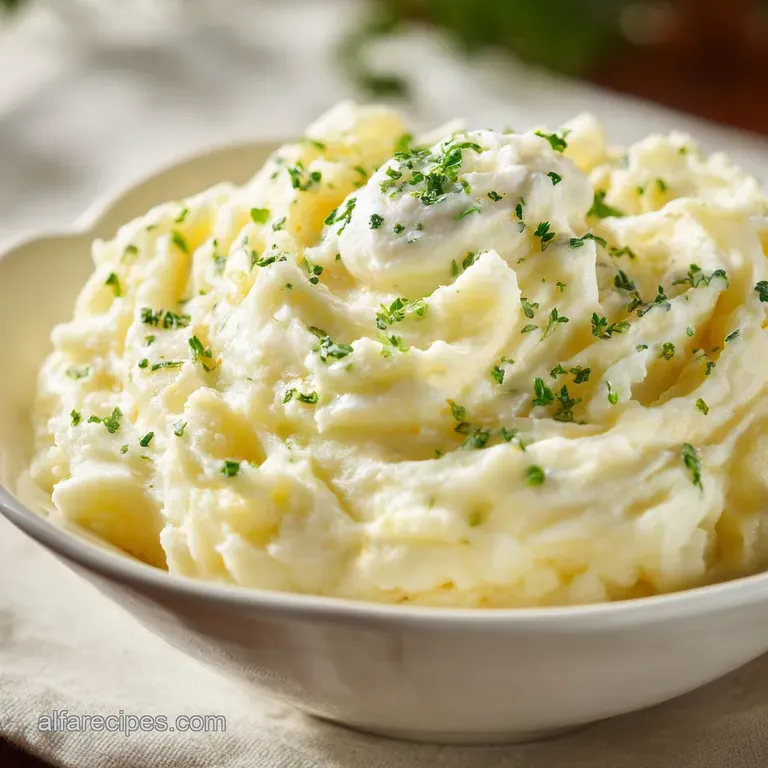
- Prep the potatoes. Peel the 3 lbs of potatoes and chop them into 2 inch chunks, ensuring they're roughly the same size for even cooking.
- Rinse thoroughly. Place the chunks in a colander and run cold water over them until the water runs clear. Note: This removes surface starch.
- Start cold. Place potatoes in a large pot and cover with cold water by at least an inch. Add the 1 tbsp of sea salt.
- Boil and simmer. Bring to a boil, then reduce heat to a simmer. Cook for about 20 minutes until a fork slides in with zero resistance.
- Infuse the dairy. While the potatoes simmer, combine 1 cup heavy whipping cream, the cubed butter, and 3 smashed garlic cloves in a small saucepan over low heat.
- Drain and dry. Drain the potatoes well, then return them to the hot, empty pot over low heat for 2 minutes, shaking occasionally until the surface looks dry and floury.
- Remove the garlic. Discard the garlic cloves from the warm cream mixture. Note: The flavor is now in the cream.
- The first mash. Use a ricer or masher to break down the dry potatoes while they are still steaming hot.
- Fold in the riches. Slowly pour in the warm cream mixture and the 1/4 cup of sour cream. Stir gently with a spatula until just combined.
- Season and serve. Add the 1 tsp Kosher salt and 1/2 tsp white pepper. Taste it seriously, taste it! Top with minced chives and an extra pat of butter.
Don't be tempted to dump all the cream in at once. Every potato absorbs liquid differently depending on the season and how long they've been in storage. Add it in three stages, checking the texture as you go. You might not need every single drop, or you might want to splash in a little extra if they feel too stiff.
Navigating the Texture Trap and Other Fixes
Even the most seasoned cooks have days where things don't go according to plan. The humidity in the kitchen, the age of the potatoes, or even just a distraction can change the outcome. But most potato "disasters" are actually quite easy to fix if you know the signs.
Why Your Mashed Potatoes Are Gummy
This usually happens when the potatoes are overworked. If you used a food processor or an electric mixer, the starch molecules have been smashed into a sticky lattice. It's hard to reverse, but you can save it by spreading the mash into a baking dish, topping with plenty of cheese and breadcrumbs, and turning it into a gratin.
The oven's dry heat helps firm up the structure.
Why Your Mashed Potatoes Are Runny
If you added too much liquid or didn't dry the potatoes enough after boiling, they might look more like soup than a side dish. Don't worry. Put the pot back on very low heat and stir constantly. The heat will evaporate the excess moisture.
Alternatively, you can stir in a tablespoon of instant potato flakes if you have them in the pantry they're a great "emergency" thickening agent.
| Problem | Root Cause | Solution |
|---|---|---|
| Lumpy Mash | Underboiled centers | Mash again through a ricer or add a splash of hot cream and whisk vigorously. |
| Cold Center | Cold dairy added | Always warm your cream and butter before mixing them into the potatoes. |
| Bland Flavor | Lack of salt in water | Add a teaspoon of chicken bouillon or extra salted butter to the final mix. |
- ✓ Always start potatoes in cold water to ensure even cooking from edge to center.
- ✓ Never use a blender or food processor the high speed creates a glue like texture.
- ✓ Pat the potatoes dry or steam dry them in the pot to remove excess water.
- ✓ Warm your heavy whipping cream and butter together so they emulsify easily.
- ✓ Season in layers: salt the water, then season the final mash after tasting.
Smart Adjustments for Every Occasion
Sometimes you’re cooking for two, and sometimes you’re feeding the whole neighborhood. Adjusting this recipe is straightforward, but you can't just double everything blindly. For example, if you're making a massive batch (6 lbs or more), you'll want to keep an eye on the salt.
Spices and salt don't always scale linearly; start with 1.5x the salt for a double batch and adjust from there.
When cutting the recipe in half for a quiet dinner, use a smaller pot so the potatoes are still fully submerged in water. You'll also find that smaller batches cool down faster, so have your warmed heavy whipping cream ready the second the potatoes are drained. If you're looking for a great main to go with a smaller batch, this Way to Cook recipe for flat iron steak is a fantastic, quick cooking partner.
If You Want a Low Carb "Hybrid" Swap
If you're trying to lighten things up but aren't ready to go full cauliflower, try a 70/30 split. Replace 30% of the potatoes with steamed cauliflower florets. Mash them together with the heavy whipping cream and butter.
The cauliflower blends in remarkably well, and the heavy cream keeps it feeling like a proper indulgence.
| Servings | Potato Weight | Dairy Ratio | Pot Size |
|---|---|---|---|
| 2 People | 1 lb (450g) | 1/3 cup cream, 2.5 tbsp butter | 2 quart saucepan |
| 6 People | 3 lbs (1.4kg) | 1 cup cream, 8 tbsp butter | 5 quart Dutch oven |
| 12 People | 6 lbs (2.8kg) | 1.75 cups cream, 14 tbsp butter | 10 quart stockpot |
Debunking the Great Potato Legends
There’s a lot of "old wives' tales" floating around the kitchen when it comes to the humble potato. Let's clear a few things up so you can cook with confidence.
First, many people believe that keeping the skin on while boiling "seals in" the nutrients. While the skin does have vitamins, boiling whole potatoes actually makes it harder to get a consistent texture because the outside gets mushy before the inside is done.
It’s much better to peel and cube them for an even cook, then add nutrition through high-quality grass fed butter or fresh herbs.
Another common myth is that you should add cold butter to hot potatoes to "cool them down" for eating. In reality, adding cold fat to hot starch prevents a proper emulsion. You want the fat and the starch to bond beautifully, which only happens when they are at similar temperatures.
Always aim for room temperature butter or, even better, melt it into your cream.
Keeping Leftovers Fresh and Using Every Scrappy Bit
Mashed potatoes are notorious for turning into a solid brick in the fridge. To keep them creamy, store them in an airtight container for up to 3 days. When you’re ready to reheat, don’t just stick them in the microwave.
Put them in a saucepan with a splash of extra heavy whipping cream or milk and stir over low heat. The extra liquid will bring back that velvety texture.
If you find yourself with leftovers that you just can't finish, don't toss them! Leftover mashed potatoes make the best potato pancakes (latkes). Just mix in an egg, a handful of flour, and some shredded cheese, then fry them in a skillet until they "shatter" with crispiness on the edges.
- Fridge: Store in a sealed container for 3-4 days.
- Freezer: You can actually freeze these! The high fat content from the heavy whipping cream and butter protects the texture. Freeze in freezer bags for up to 2 months. Thaw overnight in the fridge before reheating.
- Zero Waste Tip: Save your potato peels! Toss them with a little olive oil and salt, then bake at 200°C for 15 minutes until crispy. They make a fantastic "cook's snack" while the rest of the dinner finishes.
Finding the Perfect Main for Your Potato Feast
Now that you've got the side dish sorted, what's for the main event? Mashed potatoes are the ultimate culinary "blank canvas." They pair perfectly with anything that has a sauce or juice to be soaked up. Think of a rich beef stew, a juicy roast chicken, or even a simple piece of grilled salmon.
If you're looking for a hearty, family style meal, try serving these alongside a big platter of sausages and roasted onions. The sweetness of the onions cuts through the richness of the potatoes with heavy whipping cream in a way that feels incredibly balanced.
No matter what you choose, remember that the best meals are the ones shared with people you love, even if the table is a bit crowded and the conversation is a bit loud. That’s what real life is all about, isn't it? Enjoy every buttery bite!
Recipe FAQs
Can I use heavy whipping cream instead of milk for my mashed potatoes?
Yes, heavy cream yields superior results. Heavy whipping cream has a higher fat content (around 36% vs. 3.5% for whole milk), which creates a richer, silkier mouthfeel that coats the potato starch beautifully.
Does heavy cream make good mashed potatoes?
Yes, heavy cream is ideal for premium mashed potatoes. The high fat content provides incredible body and prevents the mash from tasting thin or watery, creating a luxurious texture.
What does Gordon Ramsay put in his mashed potatoes?
Ramsay famously uses copious amounts of cream and butter. His method involves boiling potatoes, draining them, then passing them through a fine mesh sieve or ricer before folding in large quantities of cold butter and heavy cream for maximum richness.
Is sour cream or heavy cream better for mashed potatoes?
They serve different roles; use both for balance. Heavy cream provides the essential silkiness and richness, while sour cream adds a desirable tanginess that cuts through the fat, preventing the mash from tasting too heavy.
How do I prevent my mashed potatoes from becoming gluey?
Rinse the cut potatoes first and steam dry them thoroughly. Rinsing removes surface starch, and returning the drained potatoes to the hot pot for two minutes lets steam escape, which stops starch gelatinization from becoming sticky.
How do I ensure my butter melts evenly into the potatoes?
Warm the butter and cream mixture together before adding. Adding cold butter to hot starch inhibits proper emulsification. If you enjoyed mastering the controlled temperature addition here, apply that same principle of gradual incorporation when making a Low Calorie Peanut recipe where ingredients must combine smoothly.
Can I make these ahead of time?
Yes, boil and mash the potatoes up to two days early. Store the plain mash, then gently reheat it just before serving by folding in the warmed heavy cream and butter mixture over very low heat until smooth again.
Creamy Garlic Mashed Potatoes
Ingredients:
Instructions:
Nutrition Facts:
| Calories | 472 kcal |
|---|---|
| Protein | 5.7 g |
| Fat | 31.7 g |
| Carbs | 42.4 g |
| Fiber | 3.1 g |
| Sugar | 2.2 g |
| Sodium | 480 mg |
