Creamless Alfredo Sauce: Traditional & Silky
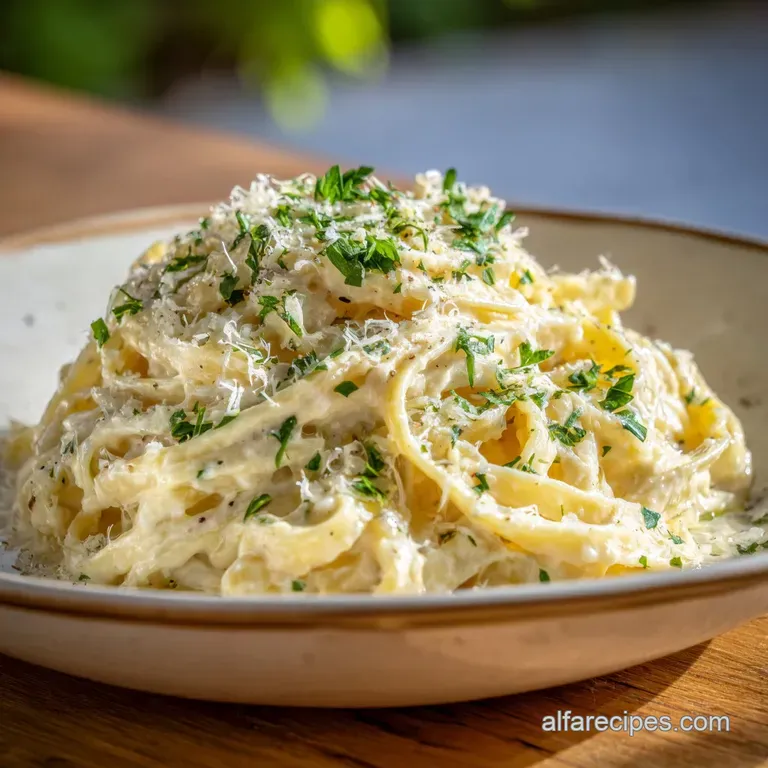
- Time: Active 15 minutes, Passive 10 minutes, Total 25 minutes
- Flavor/Texture Hook: Silky, nutty, and peppery with a high gloss finish
- Perfect for: Busy weeknight family dinners or a low cost date night at home
- Authentic Silky Creamless Alfredo Sauce
- The Physics of the Fusion
- Ingredient Component Analysis
- Prep Times and Family Portions
- Gathering Your Simple Ingredients
- Basic Kitchen Gear Needed
- Mastering the Emulsion Technique
- Troubleshooting Clumpy or Oily Sauce
- Easy Variations and Smart Swaps
- Handling Leftovers and Food Waste
- Hearty Sides for Your Table
- Common Pasta Myths
- High in Sodium
- Recipe FAQs
- 📝 Recipe Card
Authentic Silky Creamless Alfredo Sauce
Imagine the sizzle of garlic hitting golden butter, filling your kitchen with that warm, savory aroma that brings everyone running to the table. I remember the first time I tried making this without the safety net of heavy cream.
I was skeptical, thinking it would be dry or bland, but the moment I tossed that fettuccine and saw the sauce transform into a glossy, velvety coating, I knew I’d never go back to the bottled stuff. It’s one of those no fuss meals that feels like a big, warm hug for your family after a long day.
We’ve all been there staring at an empty fridge hoping for a miracle. This recipe is exactly that. It relies on the humble chemistry of pasta water and high-quality cheese to do the heavy lifting. You don't need fancy ingredients or a massive budget to put a hearty meal on a crowded table.
Honestly, once you master the flick of the wrist needed to emulsify the cheese, you'll feel like a pro cook in your own home.
Today, we're skipping the shortcuts and focusing on what actually works in a real life kitchen. We’ll use egg yolks for that deep richness and plenty of freshly cracked pepper to keep things bright. If you’re looking for a complete meal, this pairs beautifully with my Italian Stuffed Mushrooms Recipe for a spread that looks much more expensive than it actually is. Let’s get the water boiling and get stuck in.
The Physics of the Fusion
Starch Emulsification: The starchy pasta water acts as a natural binder, grabbing onto the fats in the butter and egg yolks to create a stable, creamy liquid. This prevents the cheese from separating into oily puddles and ensures every strand of pasta is perfectly coated.
| Method | Total Time | Texture | Best For |
|---|---|---|---|
| Traditional Toss | 25 minutes | Ultra glossy, light | Authentic dinner vibes |
| Egg Yolk Finish | 25 minutes | Rich, custard like | Extra comfort and depth |
| Quick Pan Fry | 20 minutes | Crispy edges, rustic | Fast weeknight fuel |
Right then, deciding which method to use depends on your mood. The egg yolk version we’re doing today is the gold standard for that "cream like" feel without the heavy price tag of a carton of cream.
Ingredient Component Analysis
| Ingredient | Science Role | Pro Secret |
|---|---|---|
| Parmigiano Reggiano | Provides protein and fat for the base structure. | Grate it yourself; pre shredded cheese has starch that ruins the melt. |
| Starchy Pasta Water | Acts as an emulsifier to join oil and water. | Salt the water heavily so the "glue" is seasoned from the start. |
| Egg Yolks | Adds lecithin, a natural thickener and rich fat source. | Temper them first to avoid making scrambled eggs in your noodles. |
Prep Times and Family Portions
Before we start the stove, it's helpful to know exactly how much time you'll need to get this on the table. This is a fast moving recipe once the pasta is cooked, so having your cheese grated and your eggs ready is the key to success.
We're aiming for four hearty servings here, enough to keep a small family happy and full.
- Prep time:10 minutes
- Cook time:15 minutes
- Total time:25 minutes
- Yield: 4 servings
Chef Tip: Freeze your block of Parmesan for 10 minutes before grating. It makes the cheese firmer and prevents it from clumping or melting from the heat of your hands while you work.
Gathering Your Simple Ingredients
- 1 lb dried fettuccine: The wide surface area is essential for catching the sauce.
- 1 tbsp sea salt: This is for the pasta water; it’s your only chance to season the noodles.
- 0.5 cup unsalted European style butter, cubed: Higher fat content means a smoother finish.
- 1.5 cups Parmigiano Reggiano, finely grated: Why this? The real stuff melts into the sauce rather than becoming stringy or rubbery.
- 1 cup starchy pasta water, reserved: This is your "liquid gold" for the emulsion.
- 3 cloves fresh garlic, minced: Adds a sharp, aromatic backbone to the fat.
- 1 tsp freshly cracked black pepper: Essential for cutting through the richness.
- 0.25 tsp ground nutmeg: Why this? It adds a subtle earthy warmth that mimics the flavor of traditional cream.
- 2 large egg yolks: These provide the velvety mouthfeel that mimics heavy cream.
Basic Kitchen Gear Needed
You don't need a kitchen full of gadgets for this. A large pot for the pasta and a wide, high sided skillet are the main players. I usually use a whisk and a pair of tongs to keep the pasta moving.
If you’re feeling fancy, a microplane will give you that feather light cheese snow that melts instantly, but a standard box grater works just fine.
If you find yourself making pasta dishes like this often, you might eventually want to try different styles, like the hearty flavors in my Steak and Noodles Recipe, which uses similar simple pan techniques.
Mastering the Emulsion Technique
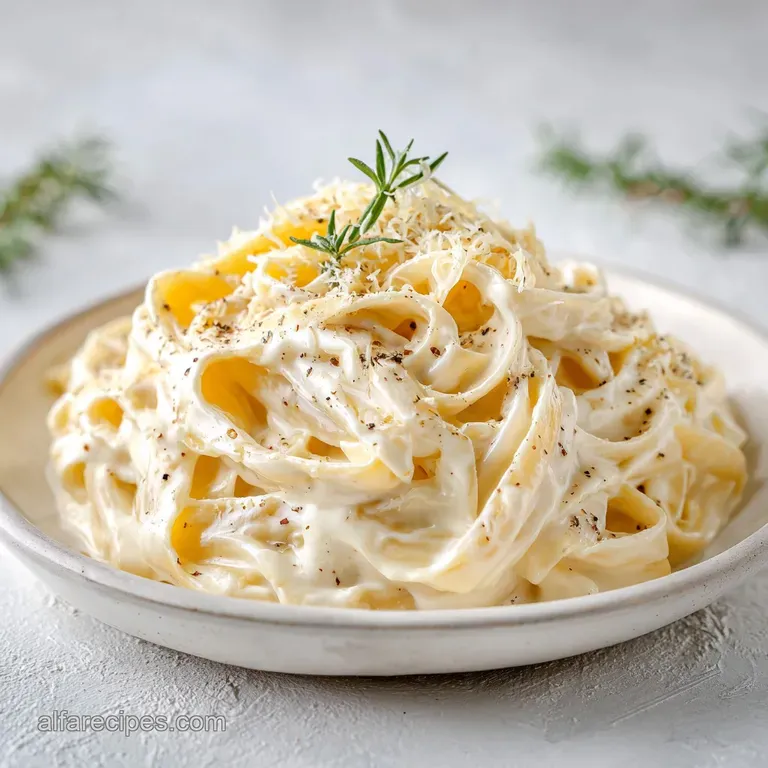
- Boil the water. Fill a large pot with water and add 1 tbsp sea salt.
- Cook the pasta. Drop 1 lb dried fettuccine into the boiling water and cook for 1 minute less than the package instructions until it is slightly firm (al dente).
- Save the liquid. Dip a measuring cup into the pot and reserve 1 cup starchy pasta water before draining. Note: This water is full of starch and is the secret to a creamless sauce.
- Sizzle the garlic. In a large skillet over medium low heat, melt 0.5 cup unsalted butter. Add 3 cloves minced garlic and sauté until fragrant but not browned.
- Toast the spices. Stir in 1 tsp black pepper and 0.25 tsp ground nutmeg for 30 seconds.
- Combine the elements. Add the drained pasta and 0.5 cup of the reserved pasta water to the skillet, tossing vigorously with tongs.
- Whisk the yolks. In a small bowl, whisk 2 large egg yolks with a splash of the remaining pasta water to warm them up.
- Add the cheese. Lower the heat to the absolute minimum. Sprinkle in 1.5 cups Parmigiano Reggiano in three batches, tossing constantly until the cheese has melted and looks glossy.
- Finish with eggs. Pour in the tempered egg yolks and the rest of the pasta water, whisking or tossing quickly until the sauce thickens and coats every strand.
- Final check. If the sauce looks too thick, add a tablespoon more hot water. Serve immediately while it's still piping hot.
Troubleshooting Clumpy or Oily Sauce
Even for experienced cooks, cheese can be temperamental. The most common issue with Creamless Alfredo Sauce is the temperature. If the pan is too hot, the proteins in the cheese will seize up and turn into a ball of rubber. If it's too cold, the butter won't emulsify with the water.
Fixing Grainy Sauce
This usually happens if you use pre grated cheese or if the heat was a touch too high. The anti caking agents in bagged cheese prevent it from becoming a smooth liquid.
Solving a Broken Sauce
If you see oil separating from the liquid, your emulsion has broken. This often happens if the pasta water wasn't starchy enough or if the ratio of fat to water is off.
| Problem | Root Cause | Solution |
|---|---|---|
| Clumpy Cheese | Heat was too high; proteins seized. | Remove from heat and whisk in 1 tbsp hot pasta water. |
| Thin/Watery Sauce | Not enough cheese or too much water. | Add another handful of cheese and toss vigorously off the heat. |
| Scrambled Eggs | Yolks were added to a boiling pan. | Always temper yolks first and use the lowest heat setting. |
Common Mistakes Checklist
- ✓ Never rinse your pasta; the surface starch is what makes the sauce stick.
- ✓ Grate your cheese as finely as possible to ensure a quick, even melt.
- ✓ Temper the egg yolks with a little hot pasta water before adding them to the pan.
- ✓ Keep the heat low once the cheese goes in; high heat is the enemy of silkiness.
- ✓ Work quickly Alfredo waits for no one and is best eaten the second it's ready.
Easy Variations and Smart Swaps
While the classic version is incredible, sometimes you need to work with what you've got in the cupboard. You can easily adapt this to be more filling or to fit different dietary needs without losing that hearty, family style appeal.
| Original Ingredient | Substitute | Why It Works |
|---|---|---|
| Parmigiano Reggiano | Pecorino Romano | Saltier and sharper flavor. Note: Reduce the salt in the pasta water. |
| Fettuccine | Spaghetti or Penne | Different texture but same starch profile. Great for kids. |
| Unsalted Butter | Salted Butter | Works fine. Note: Omit extra salt in the sauce to prevent over seasoning. |
If you're looking for something with a bit more protein, a handful of grilled chicken or some sautéed shrimp fits right in. You can also toss in some frozen peas at the very end for a pop of color and sweetness that kids usually love.
Handling Leftovers and Food Waste
Storage: This dish is notorious for tightening up in the fridge. Store any leftovers in an airtight container for up to 3 days. I don't recommend freezing this because the emulsion will break completely when thawed, leaving you with a grainy mess.
Reheating: To bring that silkiness back, don't just microwave it. Place the pasta in a skillet with a splash of milk or water over low heat. Stir constantly as it warms up to re emulsify the fats.
Zero Waste: Don't toss that Parmesan rind! Keep it in a bag in your freezer. The next time you make a soup or a stew, drop the rind in while it simmers. It adds a deep, savory umami flavor that makes even a simple vegetable soup feel gourmet.
Hearty Sides for Your Table
Since this pasta is quite rich, I like to serve it with something bright or crunchy. A simple green salad with a sharp lemon vinaigrette is usually my go to. It cuts right through the butter and cheese, refreshing your palate between bites.
If you have a big group over, a side of garlic bread is non negotiable for mopping up every last drop of that sauce. It's all about that crowded table feeling where everyone is reaching for the same serving platter.
Common Pasta Myths
Many people believe that adding oil to the pasta water prevents the noodles from sticking. In reality, oil just floats on top and then coats the pasta as you drain it, which prevents the sauce from actually sticking to the noodles. The only thing you need in your water is plenty of salt.
Another common misconception is that "Alfredo" always implies heavy cream. Traditional Italian Alfredo, known as al burro, relies entirely on the quality of the butter and the cheese.
By using the egg yolk method, we are actually closer to a mix of Alfredo and Carbonara, which is why it feels so much more decadent than the cream heavy American versions.
The Origin of Silkiness
The velvety texture doesn't come from the creaminess of the ingredients alone, but from the mechanical action of tossing. When you move the pasta quickly in the pan, you're aerating the sauce and forcing the fat and starch to bind. It’s a workout for your arm, but it’s what creates that professional finish.
The Role of Temperature
You don't need a boiling pan to melt cheese. In fact, most hard cheeses melt beautifully at temperatures well below boiling. If you keep the pan screaming hot, the cheese will simply "fry" and turn into a clump rather than melting into the liquid. Slow and steady wins the race here.
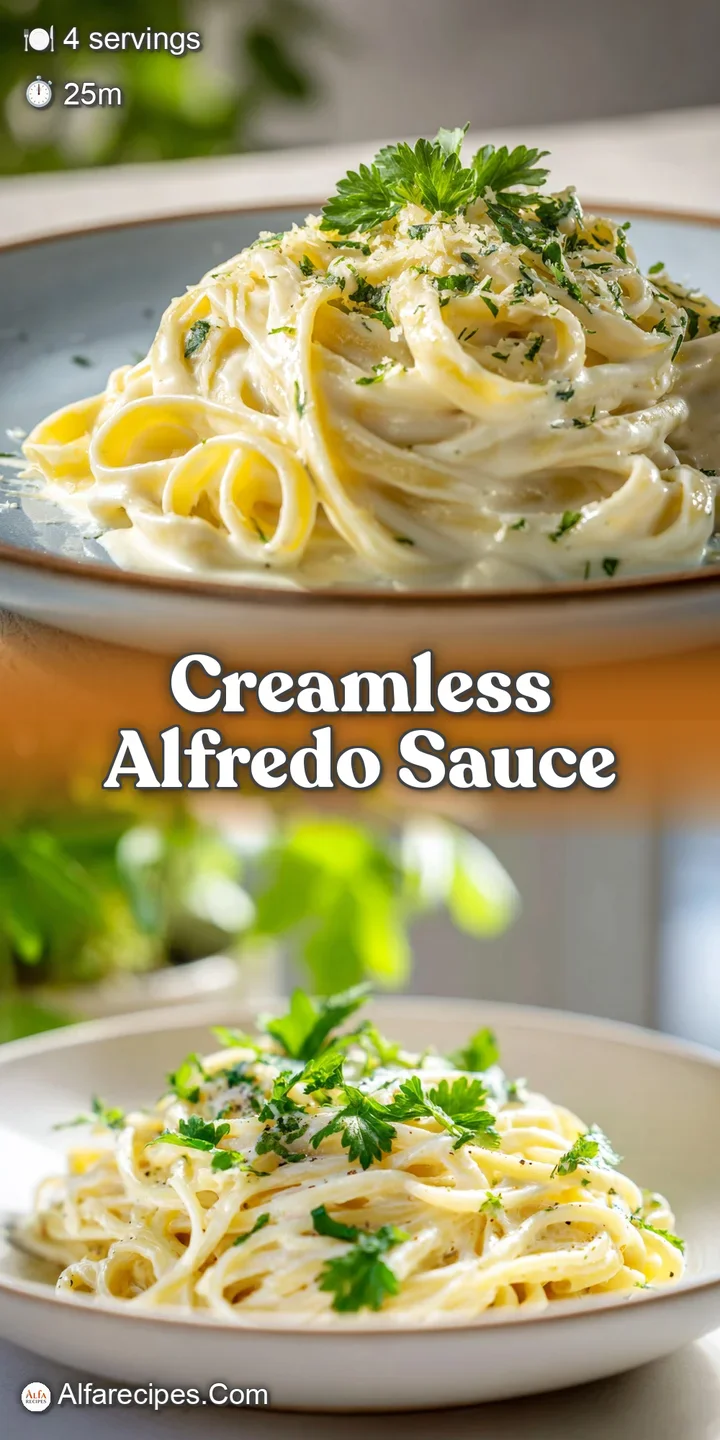
High in Sodium
845 mg mg of sodium per serving (37% % of daily value)
The American Heart Association recommends limiting sodium intake to approximately 2,300mg per day for most adults.
Sodium Reduction Tips for Fettuccine Alfredo
-
Reduce Parmesan-15%
Parmigiano Reggiano is a significant source of sodium. Reduce the amount from 1.5 cups to 0.75 cup for a noticeable reduction. Consider using nutritional yeast for a cheesy flavor.
-
Skip Added Salt-25%
Eliminate the 1 tbsp of sea salt when cooking the pasta. The pasta water used in the sauce already extracts some sodium from the pasta itself. Taste the finished dish before adding any additional salt.
-
Use Unsalted Butter-5%
Ensure you are using truly unsalted butter. Even small amounts of salt in the butter can contribute to the overall sodium content. Double check the label to confirm it is completely unsalted.
-
Enhance with Herbs
Instead of relying solely on salt for flavor, experiment with fresh herbs like parsley, basil, or thyme. These add depth and complexity to the dish without adding sodium. Fresh herbs are always best.
Recipe FAQs
Can I make Alfredo pasta without cream?
Yes, absolutely. Authentic Italian Alfredo sauce is made without heavy cream, relying instead on the emulsification of butter, grated cheese, and starchy pasta water to create a creamy texture.
What is a good substitute for heavy cream in Alfredo sauce?
Egg yolks combined with reserved pasta water are the best substitute. The lecithin in the yolks binds the fats and starches, creating a rich, glossy mouthfeel identical to cream.
What can I substitute for cream in a sauce generally?
Use reserved starchy pasta water thickened with cheese or a roux made from butter and flour. For a quicker result, a small amount of cream cheese or puréed white beans can also add body.
Can I use milk instead of cream for creamy sauce?
No, milk generally results in a thin, watery sauce. Milk lacks the high fat and protein content of cream, causing it to separate or simply fail to coat the pasta properly.
What is the secret to making a creamless sauce stick to the pasta?
The secret is using starchy, salty pasta water. When you toss the drained noodles vigorously with the fat and cheese, the starch acts as a binding agent, creating a stable, cohesive emulsion. If you enjoyed mastering the temperature control for this emulsion, see how the same principle works when you learn the no knead homemade recipe for dough handling.
Can I prepare this sauce ahead of time?
No, this sauce must be made immediately before serving. The emulsion is very delicate; it will tighten, break, or become gluey if refrigerated or reheated without significant additions of fresh liquid and vigorous stirring.
What cheese should I use for the best creamless texture?
Use only freshly grated Parmigiano Reggiano. Pre-shredded cheese contains anti caking agents that inhibit smooth melting, leading to a grainy or clumpy sauce.
Creamless Alfredo Sauce Recipe
Ingredients:
Instructions:
Nutrition Facts:
| Calories | 801 kcal |
|---|---|
| Protein | 29.4 g |
| Fat | 36.9 g |
| Carbs | 85.9 g |
| Fiber | 3.5 g |
| Sugar | 1.8 g |
| Sodium | 845 mg |
