Crab Cake Side Dish with Lemon Herb Asparagus
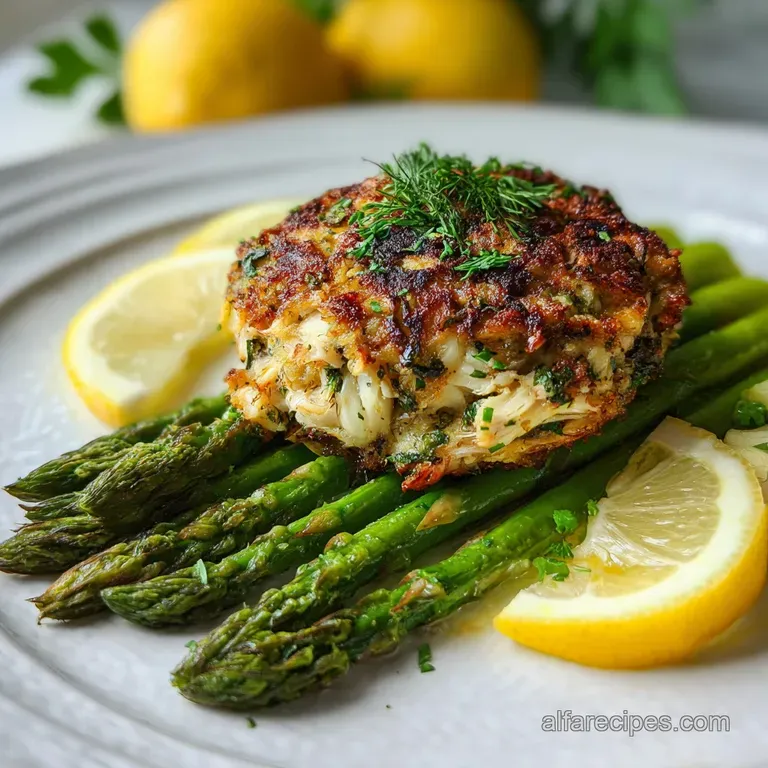
- Time: Active 5 mins, Passive 0 mins, Total 12 mins
- Flavor/Texture Hook: Snappy, bright, and buttery
- Perfect for: Quick weeknight seafood dinners or spring brunches
- Crab Cake Side Dish Idea with Lemon Herb Asparagus
- Science of the Green Snap
- Serving Sizes and Prep Times
- Fresh Ingredients for Best Flavor
- Simple Tools for Fast Sautéing
- Easy Steps for Herb Asparagus
- Avoid Soggy Spears and Pitfalls
- Swaps for a Custom Plate
- Debunking Common Vegetable Cooking Lies
- Storing and Reheating Your Leftovers
- Hearty Sides for Your Table
- Recipe FAQs
- 📝 Recipe Card
Crab Cake Side Dish Idea with Lemon Herb Asparagus
There is a specific sound I listen for every time I’m in the kitchen with a bundle of green stalks. It is that clean, sharp "snap" when you break off the woody ends. It reminds me of the first time I tried to make a fancy dinner for my husband early in our marriage.
I had these beautiful, expensive crab cakes and I served them with asparagus that I’d boiled within an inch of its life. They were grey, limp, and honestly quite sad. This crab cake side dish idea with lemon herb asparagus is a guaranteed flavor sensation that fixes every mistake I made back then.
I’ve learned that the secret to a great side dish isn't about being complicated. It is about contrast. When you have a buttery, tender crab cake, you don't want a mushy vegetable. You want something that fights back just a little bit with a fresh, crisp texture.
This recipe uses high heat and a finishing touch of butter to get that restaurant quality sear without losing the vegetable's soul.
We are going to use a simple "flash saute" technique here. It’s fast, it’s reliable, and it makes the kitchen smell like a dream. No more soggy spears or dull flavors. We are going after that bright, zingy finish that makes everyone at the table reach for seconds.
Trust me, once you see how the lemon zest clings to the garlic infused oil, you’ll never go back to boiling your greens again.
Science of the Green Snap
Chlorophyll Retention: over High heat sautéing for a short duration prevents the acids in the vegetable from breaking down the bright green pigment.
Cell Wall Integrity: Keeping the cook time under seven minutes ensures the pectin in the stalks doesn't dissolve, maintaining a firm "snap" rather than a soft mush.
Emulsification Bridge: The combination of lemon juice and salted butter creates a temporary emulsion that coats the fiber, allowing fat soluble flavors to linger on the tongue.
| Method | Cook Time | Texture | Best For |
|---|---|---|---|
| Stovetop Sauté | 7 minutes | Snappy & Charred | Quick dinners |
| oven-roasted | 12 minutes | Tender & Sweet | Large batches |
Cooking these on the stove gives you much more control over the final texture than the oven does. You can see the color change in real time and pull them off the heat the exact second they hit that vibrant, emerald stage.
It's the difference between a side dish that just sits there and one that actually pops on the plate.
Serving Sizes and Prep Times
When you're trying to feed a family, the math matters just as much as the seasoning. I've found that one pound of asparagus is just right for four people, especially when paired with a hearty main.
If you're hosting a larger crowd, it's better to cook in two batches rather than overcrowding one pan, which leads to steaming rather than searing.
| Servings | Asparagus Amount | Oil/Butter | Pan Size |
|---|---|---|---|
| 2 People | 1/2 lb | 1 tbsp each | 8 inch skillet |
| 4 People | 1 lb | 2 tbsp / 1 tbsp | 12 inch skillet |
| 6 People | 1.5 lbs | 3 tbsp / 1.5 tbsp | Two skillets |
Overcrowding is the number one enemy of a good sauté. If the spears are piled on top of each other, the moisture they release gets trapped. Instead of browning, they end up simmering in their own juices. Always pick a pan that feels just a little too big for the job to give every stalk its own space to sizzle.
Fresh Ingredients for Best Flavor
| Ingredient | Science Role | Pro Secret |
|---|---|---|
| Fresh Asparagus | Structural Base | Snap the ends by hand to find the natural break point |
| Garlic Cloves | Aromatic Depth | Slice thinly instead of mincing to prevent burning |
| Lemon Juice/Zest | Acidic Balance | Zest before juicing to get the essential oils first |
| Salted Butter | Fat Emulsifier | Add at the very end to prevent the milk solids from scorching |
Using fresh garlic makes a world of difference compared to the stuff in a jar. When you thinly slice the cloves, they turn into little golden chips that add a nutty crunch to the Herb Asparagus. It’s a small detail that makes the whole dish feel much more intentional.
Simple Tools for Fast Sautéing
You don't need a kitchen full of gadgets for this Crab Cake Side, but a few specific tools will make your life much easier. I always reach for my heavy bottomed stainless steel skillet or a well seasoned cast iron pan.
These materials hold heat much better than thin aluminum, which is vital for getting that quick sear we’re after.
A microplane or a fine grater is also a must have for the lemon zest. You want those tiny, fragrant curls of yellow, not the bitter white pith underneath. I once tried to use a vegetable peeler and a knife to mince the zest, and let's just say it wasn't my best work. The texture was chunky and overwhelming.
Investing in a simple zester will change how you cook with citrus forever.
Finally,, make sure you have a pair of silicone tipped tongs. They allow you to turn the spears gently without piercing the skin or bruising the heads. Since the heads of the asparagus are the most delicate part, you want to handle them with a bit of care.
It's the little things that keep the dish looking as good as it tastes.
Easy Steps for Herb Asparagus
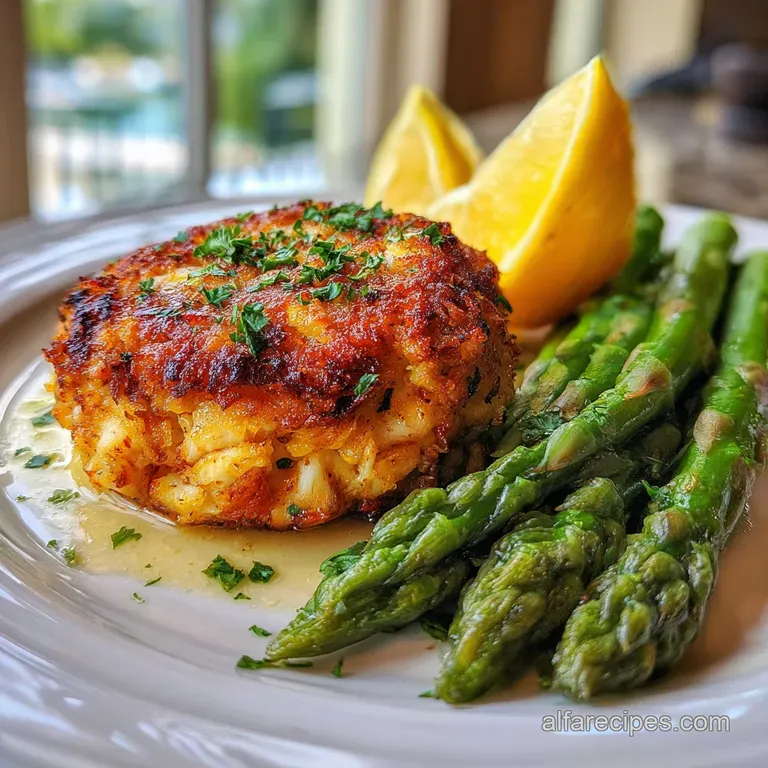
- Wash 1 lb fresh asparagus and snap off the woody bottom ends. Note: The stalks will naturally break where the tough fiber ends.
- Pat the spears completely dry with a clean kitchen towel. Note: Any water left on the surface will cause the oil to splatter and the veg to steam.
- Heat 2 tbsp extra virgin olive oil in a large skillet over medium high heat until the oil shimmers and swirls easily.
- Add 2 cloves garlic, thinly sliced, and sauté for 30 seconds until fragrant but not browned.
- Place the asparagus in the pan in a single layer.
- Cook for 5 minutes, tossing occasionally, until the skins are slightly blistered and bright green.
- Add 1 tbsp salted butter to the pan and allow it to melt and foam.
- Sprinkle 1/2 tsp sea salt and 1/4 tsp cracked black pepper over the spears.
- Pour in the juice and zest of 1 medium lemon and toss well until the liquid coats everything evenly.
- Remove from heat immediately and stir in 1/4 cup fresh flat leaf parsley before serving.
Chef’s Tip: If your asparagus stalks are particularly thick, use a vegetable peeler to shave the bottom two inches. This removes the tough outer skin while keeping the spear intact, ensuring the whole stalk cooks at the same rate.
Avoid Soggy Spears and Pitfalls
The biggest frustration with cooking any green vegetable is when it loses that vibrant color and turns into a mushy mess. This usually happens for two reasons: either the heat was too low, or you cooked it too long.
Remember that vegetables continue to cook for a minute or two after you take them out of the pan, a process called carryover cooking. You want to pull them off the heat when they still have a tiny bit of "bite" left in them.
Why Your Asparagus Turned Grey
If your spears look dull and olive colored, they've been overcooked. The heat has broken down the chlorophyll and allowed the natural acids to take over. To prevent this, keep your stove on medium high and never cover the pan with a lid. Covering traps the steam and the acids, which fast tracks the discoloration.
Why the Garlic Tastes Bitter
Garlic burns very quickly, especially when sliced thin. If your garlic turns dark brown or black, it will taste acrid and ruin the delicate flavor of the lemon. If you notice the garlic browning too fast, add the asparagus immediately to lower the temperature of the oil, or pull the pan off the heat for a few seconds to let it calm down.
| Problem | Root Cause | Solution |
|---|---|---|
| Limp Stalks | Overcooking | Reduce sauté time by 2 mins; use carryover cooking |
| Burnt Garlic | Heat too high | Add garlic only 30 seconds before the veg |
| No Flavor | Lack of acidity | Add lemon juice at the very end to keep it bright |
Common Mistakes Checklist
- ✓ Don't wash the asparagus right before cooking unless you dry it perfectly.
- ✓ Use a large enough pan to avoid stacking the spears.
- ✓ Add the lemon juice only at the very end to prevent the color from fading.
- ✓ Use fresh parsley rather than dried for the best aromatic finish.
- ✓ Don't skip the butter; it rounds out the sharpness of the lemon.
Swaps for a Custom Plate
I’m a big fan of using what you have on hand. While the lemon and parsley combo is classic, you can easily pivot based on what's in your pantry. If you want something a bit richer, you might consider how this pairs with a side of Crockpot Scalloped Potatoes Recipe for a truly hearty family meal.
For those who want to keep it light, swapping the parsley for fresh mint or dill can change the entire profile of the dish. Mint, in particular, goes surprisingly well with the sweetness of the crab. If you don't have fresh garlic, a pinch of high-quality garlic powder can work, though you'll miss those crispy bits.
If you’re watching your salt intake, you can use unsalted butter and increase the lemon zest. The zest provides a lot of "perceived" saltiness because of its brightness. Just avoid the bottled lemon juice if you can help it - the fresh stuff has a complexity that the shelf stable version just can't match.
Debunking Common Vegetable Cooking Lies
One myth that drives me crazy is that you have to blanch asparagus in boiling water before sautéing it. Unless you’re working with stalks the size of your thumb, there’s no need. It actually strips away flavor and makes it much harder to get a good sear in the pan.
Direct heat is almost always better for flavor.
Another misconception is that the "snap" method for trimming is wasteful. People say you should just use a knife to cut off the ends. While that looks neater, the snap method is actually the most accurate way to find exactly where the woodiness ends.
Your hands are better sensors than a knife when it comes to the internal texture of the plant. Trust your touch!
Storing and Reheating Your Leftovers
If you happen to have leftovers, they’ll keep in an airtight container in the fridge for about three days. However, be warned: they will lose their crunch. To reheat them without making them mushy, avoid the microwave at all costs.
Instead, toss them back into a hot skillet with a tiny splash of water or a half teaspoon of butter for just 60 seconds.
I don't recommend freezing cooked asparagus. The high water content in the stalks means that the cell walls burst when frozen, resulting in a very soft, watery texture once thawed.
If you have extra fresh asparagus that you can't use, it's better to use the scraps (like those snapped off ends) to flavor a vegetable stock or a creamy soup. Nothing goes to waste in a smart kitchen!
Hearty Sides for Your Table
This Lemon Herb Asparagus is a star on its own, but it really shines when it’s part of a bigger spread. It provides that essential pop of color next to golden brown crab cakes or a piece of grilled salmon. If you're planning a full dinner, finishing the meal with something like a Moist Carrot Cake recipe is a great way to lean into those classic, home cooked vibes.
For a lighter lunch, you can actually chop up any leftover asparagus and fold it into an omelet the next morning. The lemon and garlic flavors are already there, so you don't even need extra seasoning. It's these little ways of stretching a recipe that make a crowded table feel both abundant and practical.
Whether you're making this for a special occasion or just a Tuesday night when you've managed to snag some fresh seafood, I hope it brings that same bright energy to your kitchen that it does to mine. Just remember: keep the heat high, keep the time short, and don't forget the zest!

Recipe FAQs
What's a good side dish to serve with crab cakes?
Lemon Herb Asparagus provides excellent contrast. The bright, acidic crunch cuts through the richness of the crab cake, preventing the meal from feeling too heavy.
What is a good side dish for crab dinner?
Crisp, bright green vegetables work best for seafood dinners. Asparagus sautéed quickly with lemon and garlic offers the necessary textural snap against tender crab meat.
What herbs pair well with crab?
Parsley, dill, and chives are classic pairings for crab. In this recipe, fresh flat leaf parsley complements the lemon while adding necessary herbaceous freshness.
What vegetables go best with crab?
Vegetables with a slight bitterness or crisp texture balance crab well. Asparagus, green beans, or a sharp fennel salad offer the perfect foil to rich seafood.
How to prevent asparagus from turning soggy when sautéing?
Use medium high heat and cook in a single layer for less than 7 minutes. Overcrowding the pan traps moisture, forcing the spears to steam instead of sear, which destroys the snap.
Is it true that I must use a large amount of oil to sauté vegetables?
No, you only need enough oil to coat the pan surface effectively. The key is using hot oil to achieve a sear immediately; too much oil raises the temperature too slowly, causing steaming.
How to make sure the lemon flavor remains bright in the final dish?
Add the lemon juice and zest immediately after removing the pan from the heat. Cooking citrus for too long releases its acid content, which can dull the bright, fresh taste.
Crab Cake Side Dish Asparagus
Ingredients:
Instructions:
Nutrition Facts:
| Calories | 115 calories |
|---|---|
| Protein | 2.8 g |
| Fat | 9.6 g |
| Carbs | 6.6 g |
| Fiber | 2.3 g |
| Sugar | 2.1 g |
| Sodium | 312 mg |
