Best Cornish Hen Recipe with Crispy Skin
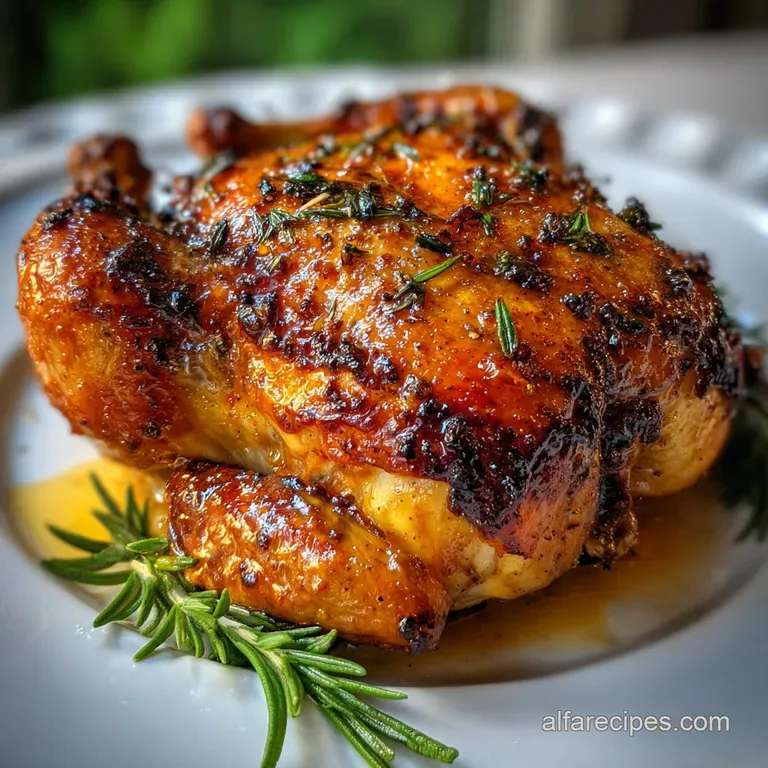
- Time: Active 15 minutes, Passive 35 minutes, Total 50 minutes
- Flavor/Texture Hook: Shatter crisp skin with velvety, herb infused meat
- Perfect for: Sunday family dinners or festive holiday gatherings
- The Best Cornish Hen Recipe for Dinner
- Smart Heat Methods for Crispy Skin
- Essential Prep for Your Family Meal
- Fresh Pantry Herbs and Hearty Flavors
- Simple Tools for a Perfect Roast
- Step by Step Toward Golden Results
- Fixing Common Roasting Problems Quickly
- Creative Variations for Every Crowded Table
- Storage Tips and Zero Waste Ideas
- Serving Ideas for a Hearty Table
- Frequently Asked Questions
- Troubleshooting Common Issues
- High in Sodium
- Recipe FAQs
- 📝 Recipe Card
The Best Cornish Hen Recipe for Dinner
The first time I tried roasting these little birds, I was terrified I would serve a plate of dry, flavorless wood. I remember standing in my kitchen, the oven humming, and the distinct, woodsy scent of fresh rosemary starting to fill the air.
As I pulled the tray out, the fat was bubbling on the surface of the skin, making a soft, rhythmic sizzle that sounded like a crackling campfire. That tiny bird looked like a piece of hammered gold, and when I finally cut into it, the steam carried a hit of garlic and lemon that made everyone at my crowded table lean in at once.
We often think these small hens are only for fancy, gourmet restaurants, but in my house, they're the ultimate no fuss family meal. There is something so special about everyone getting their own "mini chicken." It turns a regular Tuesday into a celebration without requiring you to spend hours over a hot stove.
Over the years, I've made every mistake possible from soggy skin to undercooked joints and I've distilled all those lessons into this one reliable method.
This is more than just a meal, it's about that feeling of real life where the table is a bit messy, the kids are loud, and the food is hearty enough to make everyone go quiet for a few minutes. We aren't looking for tiny portions here. We want something substantial that feels like home.
You will love how the lemon zest cuts through the rich butter, and how the smoked paprika gives it that "roasted over an open flame" vibe without any of the extra work.
Smart Heat Methods for Crispy Skin
over High heat Blast: Starting the hens at a high temperature causes the water in the skin to evaporate instantly, creating a shatter thin crust. This prevents the skin from becoming rubbery as the fat renders out.
The pH Shift: Adding a tiny bit of baking powder to the salt rub raises the skin's pH levels, which speeds up the Maillard reaction. This ensures a deep mahogany color and a crunch that you can hear from across the room.
Spatchcock Advantage: Removing the backbone allows the bird to lay completely flat, meaning every inch of the skin is exposed to the direct heat of the oven. It also cuts your cooking time nearly in half compared to roasting a whole, stuffed bird.
| Thickness | Internal Temp | Rest Time | Visual Cue |
|---|---|---|---|
| Small Hen (1 lb) | 165°F | 5 mins | Juices run clear when poked |
| Medium Hen (1.25 lbs) | 165°F | 8 mins | Joint moves easily in socket |
| Large Hen (1.5 lbs) | 165°F | 10 mins | Skin is deeply browned/taut |
Resting your poultry is not just a suggestion, it is a requirement for a hearty meal. If you cut into the hen the second it leaves the oven, all those velvety juices will end up on your cutting board instead of in the meat. This technique is quite similar to what we do in our 30 Minute One recipe, where resting allows the fibers to relax and reabsorb the moisture. Trust me, those five to ten minutes of waiting make all the difference between a dry bird and a succulent one.
Essential Prep for Your Family Meal
Techniques for Shattering Skin
To get that glass like finish, you must start with a dry bird. I mean bone dry. Use paper towels to pat every nook and cranny. Any moisture left on the surface will turn into steam in the oven, and steam is the enemy of a good crunch. We want to fry that skin in its own fat, not boil it in water.
Using the Butterfly Method
Removing the backbone might sound intimidating, but it's the best way to ensure the dark meat and white meat finish at the exact same time. Use heavy duty kitchen shears. You aren't just making it cook faster, you're making it easier for your family to eat.
It lays flat, looks impressive, and ensures no part of the bird is shielded from the heat.
The Compound Butter Shield
We are going to shove a thick layer of herb infused butter right under the skin. This acts as a protective shield for the delicate breast meat. As the butter melts, it bastes the meat from the inside out, while the herbs get toasted against the skin. It’s a double win for flavor and moisture.
| Component | Science Role | Pro Secret |
|---|---|---|
| Baking Powder | Alkaline Agent | Creates tiny bubbles for extra surface area and crunch |
| Kosher Salt | Protein Denaturant | Draws moisture out then re seasons the deep muscle fibers |
| Unsalted Butter | Fat Barrier | Provides the lipids necessary for the Maillard reaction |
| White Wine | Steam Generator | Keeps the bottom of the bird moist while flavoring the drippings |
The white wine in the bottom of the pan isn't just for show. As it simmers with the onion and lemon slices, it creates a flavored steam that keeps the underside of the hens tender. This prevents the bottom meat from becoming tough or stringy while the top gets crispy. It’s the perfect balance of textures.
Fresh Pantry Herbs and Hearty Flavors
- 4 Cornish Game Hens: Look for birds around 1.25 lbs each. Why this? They provide the perfect individual portion for a hearty family dinner.
- Substitute: 2 small young chickens (around 3 lbs each), but increase cook time.
- 1 tbsp Kosher salt: I prefer Diamond Crystal for its large, flaky grains. Why this? It sticks better to the skin and seasons more evenly than table salt.
- Substitute: Sea salt, but use 25% less by volume.
- 1 tsp Baking powder: Use the aluminum free kind for the best taste. Why this? This is the secret to getting skin that shatters like glass.
- Substitute: Skip it if you must, but the skin will be less crispy.
- 0.5 cup Unsalted butter: Let it sit on the counter until it is very soft. Why this? Soft butter mixes easily with herbs and spreads without tearing the skin.
- Substitute: Ghee or high-quality margarine for a dairy-free option.
- 4 cloves Garlic: Freshly minced, never the stuff from a jar. Why this? The sulfur compounds in fresh garlic provide a much sharper, better bite.
- Substitute: 1 tsp garlic powder mixed into the butter.
- 1 tbsp Fresh rosemary: Finely chopped to release the oils. Why this? It provides a deep, piney aroma that defines a classic roast.
- Substitute: 1 tsp dried rosemary, crushed between your fingers.
- 1 tsp Lemon zest: Grate it right before you need it. Why this? The oils in the zest provide a bright contrast to the heavy butter.
- Substitute: 0.5 tsp dried lemon peel or a splash of lemon juice.
- 1 large Yellow onion: Sliced into thick, sturdy rounds. Why this? These act as a natural roasting rack to keep the birds elevated.
- Substitute: Large red onions or thick stalks of celery.
Chef's Tip: Freeze your butter for 10 minutes before grating it into your herb mix if your kitchen is very warm. This keeps the butter from melting too fast while you are working it under the skin, allowing for a thicker "shield" layer.
Simple Tools for a Perfect Roast
You don't need a kitchen full of gadgets for this. A simple, large rimmed baking sheet or a heavy roasting pan is all it takes. If you have a cast iron skillet, that works beautifully too! The most important tool you'll use is a pair of sharp kitchen shears.
Trying to remove a backbone with a knife is a recipe for a slipped hand and a trip to the doctor. Stick to the shears; they cut through the small bones of a hen like butter.
I also highly recommend using an instant read thermometer. Since these birds are small, they can go from juicy to overdone in a matter of five minutes. Relying on a timer is okay, but relying on internal temperature is the only way to get consistent results every single time.
A simple digital one will save you a lot of guesswork and ensure your family is eating safe, perfectly cooked poultry.
| Fresh Ingredients | Shortcut Version | Flavor Impact |
|---|---|---|
| Fresh Herbs | Dried Italian Seasoning | Milder, more earthy flavor. Note: Lacks the bright "pop" of fresh |
| Whole Garlic | Garlic Paste | More uniform flavor but less aromatic |
| Fresh Lemon Zest | Bottled Lemon Juice | Acidic but lacks the fragrant citrus oils |
If you are in a rush, don't feel bad about using the shortcuts. Real life happens! The birds will still be delicious. However, if you have the extra five minutes to zest a lemon and chop some rosemary, your kitchen will smell like a professional rotisserie shop.
step-by-step Toward Golden Results
Prep the Spatchcock Hens
- Remove the hens from their packaging and pat them dry with paper towels. Note: Dry skin is the foundation of a good crunch.
- Use kitchen shears to cut along both sides of the backbone. Pull the bone out and discard it or save it for stock later.
- Flip the bird over and press down hard on the breastbone. Listen for the crack as the bird flattens out completely.
Brine and Butter Phase
- Mix the salt, baking powder, and black pepper in a small bowl. Sprinkle this mixture over the skin and let it sit for at least 15 minutes.
- Combine the softened butter, minced garlic, chopped rosemary, dried oregano, lemon zest, and smoked paprika. Mash it into a thick paste with a fork.
- Gently lift the skin from the breast meat. Slide a tablespoon of herb butter under the skin of each bird, spreading it flat.
The High Heat Roast
- Preheat your oven to 450°F. Wait until it is fully hot before putting the hens in.
- Arrange the onion rounds and lemon slices in the bottom of the pan. Pour the white wine around them.
- Place the hens on top of the onions, skin side up. Tuck the wing tips under the body so they don't burn.
- Roast for 35 minutes until the skin is dark gold and crackling. The internal temp should hit 165°F in the thickest part of the thigh.
Final Finishing Touches
Let the birds rest for 10 minutes before serving. This allows the heat to equalize. You'll notice the skin might look slightly oily at first, but as it rests, it will tighten up and become incredibly crisp.
Serve them whole for a "wow" factor, or cut them in half along the breastbone for easier eating at a crowded table.
Fixing Common Roasting Problems Quickly
Fixing Soft Poultry Skin
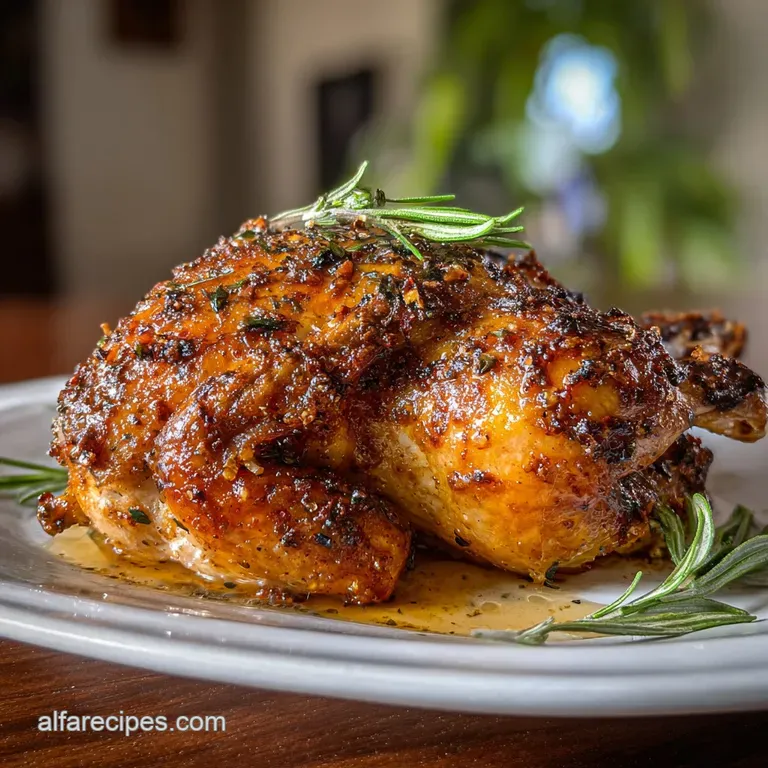
If your hens look pale or the skin feels soft, it's usually due to steam. This happens if the birds are too close together in the pan or if the oven wasn't hot enough. Don't panic! You can save this easily.
Preventing Burnt Garlic Butter
Garlic can be finicky. If you notice the garlic bits under the skin are turning black too fast, your oven might have a hot spot. You can loosely tent a piece of foil over the hens for the last 10 minutes. This stops the browning while letting the internal temperature continue to rise.
| Problem | Root Cause | Solution |
|---|---|---|
| Rubbery Skin | Oven temp too low | Increase heat to 450°F and ensure birds are patted dry |
| Dry Breast Meat | Overcooked | Use a thermometer; pull at 160°F (carryover takes it to 165°F) |
| Soggy Bottoms | Hens sitting in liquid | Use thick onion rounds to elevate the bird above the wine |
Common Mistakes Checklist
- ✓ Never wash the poultry in the sink (it spreads bacteria and makes skin soggy).
- ✓ Don't skip the baking powder - it's the secret weapon for texture.
- ✓ Avoid opening the oven door frequently; you lose the high heat needed for the sear.
- ✓ Let the hens come to room temperature for 20 minutes before roasting for even cooking.
- ✓ Ensure the hens are completely thawed if using frozen ones, or the center will be raw.
Creative Variations for Every Crowded Table
Mediterranean Style Variations
If you want to move away from the rosemary and garlic, try an Italian inspired version. Swap the rosemary for fresh basil and parsley, and add a tablespoon of tomato paste to your compound butter. This creates a rich, umami packed crust that goes beautifully with a side of pasta or a simple Ground Beef Stir recipe if you want a diverse spread. The acidity of the lemon still works perfectly here, so don't skip that!
Holiday Centerpiece Style Ideas
For a Christmas or Thanksgiving vibe, swap the oregano for dried sage and add a handful of fresh cranberries to the roasting pan. The cranberries will burst and create a natural sauce with the white wine and chicken drippings. It’s a stunning presentation that looks much more difficult than it actually is.
It makes the meal feel special and festive without the stress of roasting a 20 pound turkey.
If you want a specific outcome, try these adjustments: If you want a smokier flavor, double the smoked paprika and add a pinch of chipotle powder. If you want a "sticky" skin, brush a tablespoon of honey over the hens in the last 5 minutes of roasting.
If you want to skip the wine, use high-quality chicken stock with a teaspoon of apple cider vinegar.
If you find yourself with extra meat, these hens are fantastic shredded into a salad the next day. Much like the leftovers from our Ground Turkey and recipe, the flavors actually deepen as they sit in the fridge.
Storage Tips and Zero Waste Ideas
Storage: Store any leftover hen in an airtight container in the fridge for up to 3 days. If you want to freeze them, remove the meat from the bones first. Frozen cooked hen meat stays good for about 2 months.
Zero Waste: Never throw away those backbones or the carcasses! Toss them into a pot with some water, an extra onion, and some peppercorns. Simmer for a few hours to make the most incredible homemade chicken stock. It's liquid gold for soups or risotto.
Also, the roasted onions and lemons from the bottom of the pan can be mashed into a paste and used as a flavor base for gravies or spread onto crusty bread.
Serving Ideas for a Hearty Table
The Classic Family Pairing
I love serving these with a big pile of mashed potatoes and some roasted green beans. The potatoes are the perfect vessel for soaking up all those herb buttery pan drippings. Since each person gets their own hen, it feels like a feast even if it's just a normal weeknight.
The Bistro Style Serving
For a slightly more "grown up" feel, serve the hens over a bed of wild rice or farro. The nuttiness of the grains pairs beautifully with the rosemary and smoked paprika. Add a simple arugula salad on the side with a sharp vinaigrette to cut through the richness of the butter.
This is the kind of meal that makes people think you've spent all day in the kitchen, but we know the truth it’s just smart cooking and a bit of high heat.
The beauty of this recipe is its flexibility. Whether you are hosting a formal dinner or just want to make your family feel loved on a Sunday evening, these hens always deliver. They are reliable, hearty, and remind us that the best meals aren't about being perfect; they are about sharing something delicious with the people we care about most.
Frequently Asked Questions
Troubleshooting Common Issues
| Issue | Solution |
|---|---|
| To baste the Cornish hens while they roast | No, you should actually avoid basting. Basting pours liquid over the skin, which will make it soggy and soft instead of crispy. The compound butter under the skin handles all the "basting" from the in |
| Make this recipe in an air fryer | Yes, you can! To make a crispy Cornish hen in the air fryer, follow the same prep steps. Air fry at 375°F for about 25 to 30 minutes, flipping halfway through. Make sure the internal temperature reach |
| Know if the hen is fully thawed | A fully thawed hen will feel soft to the touch, and the legs will move easily in their sockets. If you feel any ice crystals inside the cavity or if the bird feels stiff, it needs more time. Thawing i |
| What is the difference between a Cornish hen and a regular chicken | Cornish Game Hens are actually just a specific breed of chicken that is harvested at a younger age (usually 4 to 6 weeks). They are smaller and have a more delicate flavor and tender texture compared |
| Use dried herbs instead of fresh | You can use dried herbs, but remember that they are more concentrated. Use 1 teaspoon of dried herbs for every 1 tablespoon of fresh. For the best results, crush the dried herbs between your palms bef |

High in Sodium
840 mg mg of sodium per serving (37% of daily value)
The American Heart Association recommends limiting sodium intake to no more than 2,300mg per day for most adults. Ideally, aim for 1,500mg per day for even greater heart health benefits.
Tips to Reduce Sodium in Your Cornish Game Hens
-
Reduce Added Salt-25%
The recipe calls for 1 tablespoon of kosher salt. Reduce this amount by half, using only 0.5 tablespoon, and taste the hens after cooking, adding a pinch more if needed. This could reduce sodium by up to 25%.
-
Use Unsalted Butter-10%
Make sure the butter you are using is truly unsalted. Even slight variations can contribute to sodium levels. This could reduce sodium by up to 10%.
-
Emphasize Lemon & Herbs-5%
Increase the amount of lemon zest, lemon slices, fresh rosemary, and fresh thyme to enhance the flavor profile naturally. This will help compensate for the reduction in salt. This could reduce sodium by up to 5%.
-
Spice it Up!
Experiment with other sodium free spices and herbs like garlic powder (instead of garlic salt, if considering), onion powder, or different types of pepper to boost flavor without adding sodium. This won't directly reduce sodium, but will enhance flavor.
Recipe FAQs
What is the best way to cook Cornish chicken?
Roast it spatchcocked (butterflied) at a high temperature. Removing the backbone allows the entire bird to lay flat, ensuring the skin is evenly exposed to heat for maximum crispness while promoting even cooking.
Do you bake Cornish hens covered or uncovered?
Uncovered, always. Covering the hen traps steam, which is the enemy of crispy skin. Keep them uncovered so the high heat can render the fat and achieve that desirable shatter like texture.
How long should you marinate Cornish hens?
For best results, dry brine for 3 to 24 hours. Pat the birds very dry and rub them generously with a salt/baking powder mix, then leave them uncovered in the refrigerator. This technique draws moisture out then re-seasons the muscle fibers deeply.
How long to roast a Cornish hen at 350 degrees?
Roasting at 350°F takes approximately 50 to 60 minutes. However, it is much more reliable to rely on internal temperature; pull them when the thickest part of the thigh reads 165°F for safe, juicy meat.
Should I baste the Cornish hens while they roast?
No, you should avoid basting. Pouring liquid over the skin will cool it down instantly, leading to soft, rubbery skin rather than the desired crunch. Rely on the compound butter placed under the skin to baste the meat internally.
Can I make this recipe in an air fryer?
Yes, this recipe adapts well to an air fryer. Follow the same spatchcocking and seasoning steps, then air fry at 375°F for about 25 to 30 minutes, flipping halfway through. If you enjoyed mastering the high heat searing here, apply the same logic to our quick breakfast casserole with sausage Ready in 30 Min Crispy for fast, evenly cooked results.
What is the crucial step for preventing dry breast meat?
Use compound butter underneath the breast skin. This fat layer acts as a protective shield, basting the delicate white meat from the inside as it cooks, preventing it from drying out before the thigh meat is fully done.
Best Cornish Hen Recipe
Ingredients:
Instructions:
Nutrition Facts:
| Calories | 982 kcal |
|---|---|
| Protein | 76 g |
| Fat | 71 g |
| Carbs | 5 g |
| Fiber | 1 g |
| Sugar | 1 g |
| Sodium | 840 mg |
