Nepali Momo: Authentic Steamed Dumplings
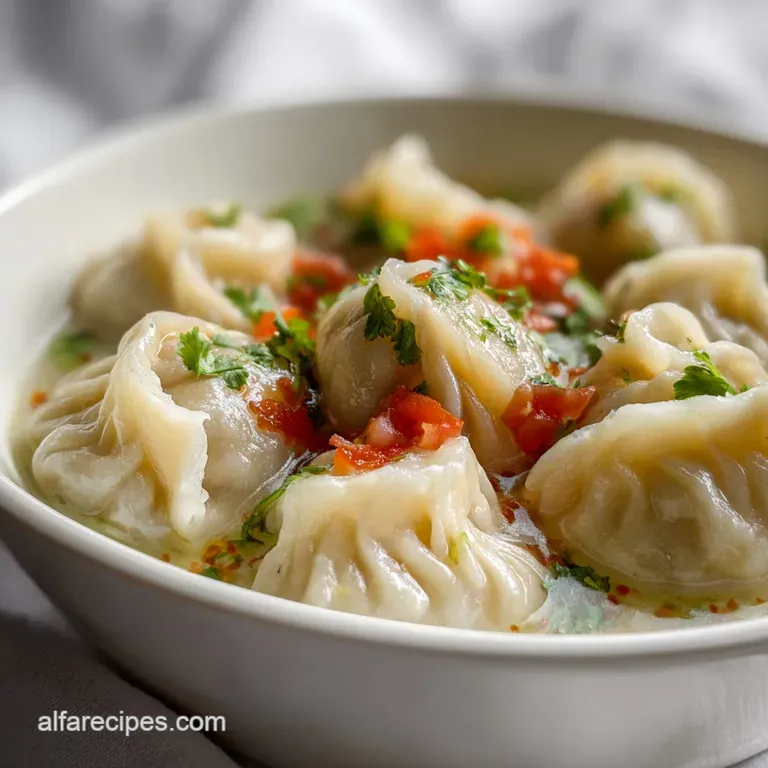
- Time: Active 45 minutes, Passive 12 minutes, Total 57 minutes
- Flavor/Texture Hook: Silky smooth dough with a succulent, spice forward interior
- Perfect for: Family gatherings and hearty weekend projects
- Why These Dumplings Actually Work
- The Science Behind the Ingredients
- Selecting the Right Components
- Essential Kitchen Tools Needed
- Assembling Your Handcrafted Dumplings
- Solving Frequent Cooking Problems
- Tasty Variations and Substitutes
- Adjusting the Recipe Size
- Correcting Common Culinary Myths
- Storage and Waste Prevention
- Serving with Perfect Complements
- Common Questions About Nepali Momos
- Troubleshooting Common Issues
- Recipe FAQs
- 📝 Recipe Card
You know that feeling when you bite into a dumpling and instead of a juicy burst of flavor, you get a mouthful of thick, rubbery dough that feels like chewing on a pencil eraser? It’s the worst. My first attempt at making a Nepali momo recipe was a disaster of epic proportions.
I made the wrappers too thick, didn't let the dough rest, and ended up with what my brother unlovingly called "meat filled frisbees." They were tough, dry, and honestly, a bit of an insult to the beautiful street food I’d fallen in love with.
The real secret to a great momo isn't just the spice mix; it’s the structural integrity of the wrapper and the moisture content of the filling. We aren't making potstickers or gyoza here.
We are making something that needs to be delicate enough to feel elegant but sturdy enough to hold a pool of spiced liquid inside. After years of feeding my family and having a few crowded table disasters, I’ve found the exact flow that makes this work every single time without the stress.
This guide is designed to help you avoid the "frisbee" effect. We’re going to focus on the hydration of the dough and the specific way we treat the chicken to ensure it stays succulent. It’s a hearty, no fuss approach that brings that specific Kathmandu aroma right into your kitchen.
Trust me, once you see the steam rising off a fresh batch and smell that toasted sesame chutney, you’ll never look at a frozen dumpling the same way again.
Why These Dumplings Actually Work
Understanding the behavior of your ingredients is the difference between a "good" meal and one your family begs for every Sunday. This recipe works because it respects the physics of steam and the chemistry of fat.
- Gluten Relaxation: Allowing the dough to rest for 30 minutes ensures the gluten strands "calm down," which makes it possible to roll the wrappers incredibly thin without them snapping back like a rubber band.
- The Ghee Barrier: Mixing melted ghee into the lean chicken provides a fat source that melts during steaming, creating a self basting environment inside the dough that prevents the meat from becoming a dry clump.
- Edge to Center Ratio: By rolling the edges of the wrapper thinner than the center, we ensure that when the pleats are gathered at the top, the "knot" isn't a massive, doughy lump that stays raw while the rest of the dumpling overcooks.
- Timur's Numbing Effect: The Sichuan pepper (Timur) contains hydroxy alpha sanshool, which creates a slight tingling sensation on the tongue, cutting through the richness of the chicken and ghee to keep your palate refreshed.
- Rapid Vaporization: Using rapidly boiling water creates a high pressure steam environment that cooks the thin wrappers in exactly 12 minutes, ensuring the chicken reaches a safe internal temperature while the dough stays translucent and silky.
| Filling Thickness | Internal Temp | Rest Time | Visual Cue |
|---|---|---|---|
| 1 tablespoon | 165°F (74°C) | 5 minutes | Wrapper looks wet and see through |
| 1.5 tablespoons | 165°F (74°C) | 7 minutes | Dough pulls away from the tray |
| 2 tablespoons | 165°F (74°C) | 10 minutes | Filling feels firm when pressed |
When you are planning your meal, keep in mind that the size of your pleating determines the final cook time. I find that a walnut sized ball of dough rolled into a 3 inch circle is the sweet spot.
It's enough to hold a decent amount of filling but small enough to cook through before the wrapper loses its structural integrity. If you go larger, you risk the bottom "blowing out" from the weight of the juices.
The Science Behind the Ingredients
Every component in this dish has a specific job to do. We aren't just throwing things in a bowl for the sake of it; we are building a flavor profile that is balanced between heat, earthiness, and fat.
| Ingredient | Science Role | Pro Secret |
|---|---|---|
| All purpose flour | Provides the gluten framework | Use room temp water for a more pliable dough that won't tear. |
| Ground chicken thighs | High myoglobin and fat | Never use breasts; they lack the fat needed to stay succulent under steam. |
| Sichuan pepper (Timur) | Palate cleanser | Toast the seeds lightly before grinding to release the essential oils. |
| Melted Ghee | Emulsifier and lubricant | Add it last to the filling to coat the meat and trap moisture. |
The choice of chicken thighs is perhaps the most important decision you'll make in this process. Thigh meat has more connective tissue and fat than breast meat. When subjected to the 12 minutes of intense steam, that fat renders out and mixes with the ginger garlic paste and spices, essentially creating a concentrated broth inside each momo.
Selecting the Right Components
Before you start, make sure your ingredients are fresh. Old spices, especially ground cumin and turmeric, lose their aromatic punch quickly. If your turmeric doesn't smell earthy and slightly floral, it's time to replace it.
- 500g All purpose flour: The base for our wrappers. Why this? High enough protein to create structure but soft enough for a silky finish.
- 240ml Water: For hydrating the flour. Why this? The 2:1 ratio of flour to water is standard for a firm, workable dough.
- 0.5 tsp Salt: Enhances the dough flavor.
- 1 tbsp Neutral oil: Added to the dough to prevent it from drying out while resting.
- 500g Ground chicken thighs: The star of the show. Why this? Essential fat content for a juicy, non rubbery interior.
- 1 medium Red onion, minced: For sweetness and moisture.
- 3 stalks Green onion, sliced: Adds a fresh, sharp bite.
- 0.5 cup Fresh cilantro, chopped: For that signature bright aroma.
- 2 tbsp Garlic ginger paste: The aromatic backbone.
- 1 tsp Cumin powder: Adds warmth and depth.
- 1 tsp Turmeric: For color and a subtle earthy bitterness.
- 0.5 tsp Sichuan pepper (Timur): For the unique Nepali citrusy tingle.
- 2 tbsp Ghee, melted: For richness and moisture retention.
- 3 large Tomatoes: The base for our dipping sauce.
- 2 tbsp Sesame seeds, toasted: Provides a nutty, velvety texture to the chutney.
- 3 Dried red chilies: Adjust this based on your heat tolerance.
- 2 cloves Garlic: For the chutney’s bite.
- 1 tsp Lemon juice: Adds acidity to brighten the heavy spices.
If you can't find Timur, you can use standard Sichuan peppercorns, though the flavor is slightly different Timur is more citrus forward. For the oil, use something with a high smoke point like grapeseed or vegetable oil.
Don't be tempted to use olive oil in the dough; the flavor is too dominant and will clash with the cumin and turmeric.
Essential Kitchen Tools Needed
You don't need a professional kitchen to make a great homemade nepali momo, but a few specific tools will make your life much easier. I always tell my friends that the right steamer is the best investment for this dish.
The most important piece of equipment is a multi tiered steamer. You can use a traditional metal Nepali "momo maka" or a simple bamboo steamer set over a wok. If you use bamboo, be sure to line the tiers with parchment paper or cabbage leaves so the delicate dough doesn't stick to the wood.
You'll also want a small, heavy rolling pin. The traditional ones are tapered at the ends, which makes it much easier to roll those thin edges while keeping the center slightly thicker.
A high powered blender is also a must for the tomato chutney for momos. You want the sauce to be silky and emulsified, not chunky. The toasted sesame seeds need to be completely pulverized to release their fats and thicken the sauce properly. Finally, grab a large, wide mixing bowl for the chicken.
You need plenty of space to mix everything by hand which is truly the only way to ensure the spices are evenly distributed without overworking the meat into a paste.
Assembling Your Handcrafted Dumplings
This is the part where we slow down and enjoy the process. Making momos is a social activity in Nepal, often involving the whole family gathered around a table. It's a real life moment of connection.
- Knead the dough. Combine the flour, salt, and oil. Slowly pour in the 240ml water and knead for 8–10 minutes until the surface is smooth and the dough feels firm. Note: If it's too sticky, add a dusting of flour.
- Rest the dough. Cover it with a damp cloth for 30 minutes. Note: This step is non negotiable for easy rolling.
- Prepare the chicken. In your large bowl, mix the chicken, onions, cilantro, garlic ginger paste, and all spices.
- Emulsify the filling. Pour in the melted ghee and mix by hand until the mixture looks glossy and uniform. Note: Let this sit for 30 minutes alongside the dough.
- Shape the wrappers. Pinch off walnut sized pieces of dough. Roll them into 3 inch circles, making sure the edges are thinner than the middle.
- Fill and pleat. Place 1 tablespoon of chicken in the center. Pleat the edges and pinch them together until the top is fully sealed and airtight.
- Char the chutney base. Roast the tomatoes and dried chilies over a flame or in a hot pan until the skins are blackened and blistered.
- Blend the sauce. Combine the charred veg with sesame seeds, garlic, lemon, and cilantro. Blitz until the texture is velvety and thick.
- Steam the momos. Place them in a greased steamer over rapidly boiling water.
- Final cook. Steam for 10–12 minutes until the wrappers look translucent and don't stick to your finger.
One precision checkpoint I always use is the "finger test." After about 10 minutes of steaming, quickly touch the top of a momo. If your finger comes away clean and the dough feels firm rather than tacky, they are done.
Don't overcook them, or the wrappers will begin to disintegrate and lose that beautiful silky texture.
| Feature | Fast Method (store-bought wraps) | Classic Method (Handmade dough) |
|---|---|---|
| Texture | Chewy and uniform | Silky with varied thickness |
| Flavor | Mild, slightly floury | Rich, fresh, and wheat forward |
| Time | 20 minutes total | 57 minutes total |
Solving Frequent Cooking Problems
Even if you follow every step, things can occasionally go sideways. Don't panic! Most momo mishaps are easy to fix once you understand the root cause.
The Bottom Blowout
If your dumplings are literally falling apart at the bottom when you try to lift them out of the steamer, it’s usually because the dough in the center was too thin or the steamer wasn't properly greased. When the meat juices heat up, they create steam pressure. If the bottom is the weakest point, it will pop.
Next time, focus on keeping that center "belly" of the wrapper slightly thicker than the edges.
The Tough Dough Dilemma
If your wrappers feel like leather once they cool down, you likely under hydrated the dough or didn't let it rest long enough. Resting allows the flour to fully absorb the water. If the dough is still hard to roll after 30 minutes, you might need to knead in an extra teaspoon of water and let it sit for another 10 minutes.
| Problem | Root Cause | Solution |
|---|---|---|
| Dry filling | Lean meat or no ghee | Use chicken thighs and don't skip the ghee. |
| Sticking to tray | Lack of oil or parchment | Grease the tray heavily with neutral oil. |
| Raw center | Overcrowded steamer | Leave at least 1 inch of space between momos. |
Common Mistakes Checklist
- ✓ Pat the red onions dry after mincing to prevent excess water from thinning the filling.
- ✓ Never use a food processor for the filling; it turns the meat into a rubbery paste.
- ✓ Ensure the water is at a rolling boil before placing the steamer trays on top.
- ✓ Don't peek! Opening the lid constantly drops the temperature and ruins the steam cycle.
- ✓ Let the momos rest for 2 minutes after steaming so the juices can settle before eating.
Tasty Variations and Substitutes
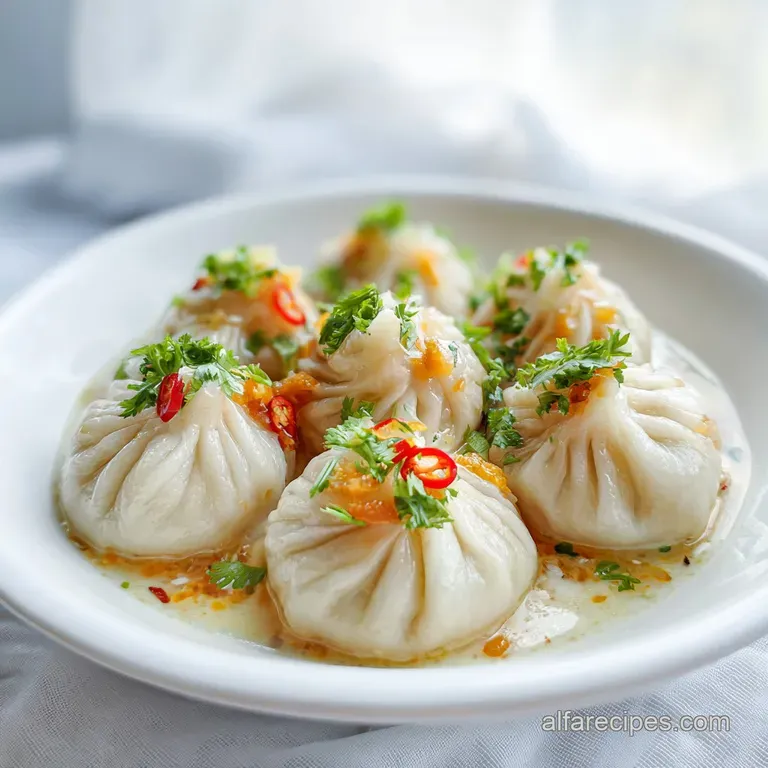
While chicken is classic, the world of momos is vast and accommodating. You can easily adapt this vegetable momo recipe to fit whatever is in your fridge.
For a vegetable momo recipe variation, I love using a mix of finely shredded cabbage, carrots, and crumbled paneer. The key here is to sauté the vegetables briefly first to cook out the excess moisture, otherwise, the wrappers will get soggy from the inside out.
If you want a more "street style" vibe, you can try "Kothey Momo," which involves steaming them first and then pan frying the bottoms in a little oil until they are brown and shatter crisp.
If you are looking for a shortcut without sacrificing too much quality, here is a quick decision guide for swaps:
- If you want a vegan version, do Y: Replace chicken with minced mushrooms and cabbage, and use oil instead of ghee.
- If you want a crunchier texture, do Y: After steaming, sear the bottoms in a hot cast iron skillet for 2 minutes.
- If you want more heat, do Y: Double the dried red chilies in the chutney and add a teaspoon of chili flakes to the filling.
| Original Ingredient | Substitute | Why It Works |
|---|---|---|
| Chicken Thighs | Ground Pork | Similar fat content. Note: Slightly richer and heavier flavor profile. |
| Timur (Sichuan Pepper) | Black Pepper + Lemon zest | Provides heat and acidity. Note: Won't have the numbing sensation. |
| Ghee | Salted Butter | Adds fat and moisture. Note: Will be slightly milkier in flavor. |
Adjusting the Recipe Size
Scaling this recipe is fairly straightforward because the ratios are simple. However, there are a few things to keep in mind if you're cooking for a crowd or just for two.
When cutting the recipe in half, the biggest challenge is the egg (if you were using one, though we aren't here). Since we use water for hydration, simply halve everything. For the spices, I recommend keeping the garlic ginger paste at about 60% of the original even if halving, as these aromatics tend to lose their impact in smaller batches.
If you are doubling the recipe for a party, do not simply double the salt and Timur. Spices can become overwhelming very quickly. Start with 1.5x the amount of salt and spices, taste a small bit of the filling (fry a tiny patty in a pan to check), and adjust from there. Also, work in batches.
Don't try to stack three levels of steamers if your burner isn't powerful enough to keep the water boiling rapidly; the top layer won't cook properly.
Correcting Common Culinary Myths
There is a lot of misinformation out there about how to handle dumplings. Let's clear some of that up so you can cook with confidence.
One big myth is that you must use boiling water to make the dough. While "hot water crust" is a thing for some Chinese dumplings, authentic Nepali momos usually use room temperature or slightly warm water.
Using boiling water pre cooks the flour's starches, resulting in a softer, more "doughy" wrapper that is harder to pleat into those beautiful, sharp ridges we want.
Another common misconception is that you need to cook the meat before putting it into the wrapper. Please, don't do this! If you pre cook the chicken, you'll end up with a dry, crumbly mess inside. The meat needs to cook inside the dough so that all those delicious juices are trapped.
The 12 minute steam time is more than enough to safely cook ground chicken.
Finally,, people often think the "juice" inside is added broth or water. While some recipes call for a splash of water, the majority of that "soup" comes from the onions releasing their moisture and the ghee melting into the meat.
This is why mincing the onions finely is so crucial it creates more surface area for that moisture to release.
Storage and Waste Prevention
Momos are fantastic for meal prep because they freeze beautifully. If you have leftovers or want to make a big batch for later, follow these steps to keep them fresh.
- Fridge
- Store cooked momos in an airtight container for up to 3 days. Re steam for 3 minutes to revive them.
- Freezer
- Place uncooked momos on a tray in a single layer (not touching!) and freeze until solid. Then transfer to a zip top bag. They’ll last for 2 months. Cook directly from frozen, adding 3-4 minutes to the steaming time.
- Zero Waste
- Don't throw away those cilantro stems! Mince them finely and put them into the chutney. They have more flavor than the leaves. If you have leftover filling but no dough, fry it up as "momo meatballs" and serve them over rice.
If your dough scraps are piling up, roll them out thin, cut them into strips, and boil them like noodles. They are essentially fresh pasta and taste great tossed in a little leftover momo chutney.
Serving with Perfect Complements
While the tomato chutney is the traditional partner, momos are a hearty, no fuss meal that can be part of a larger spread. In a crowded table setting, I love serving these alongside a crisp cucumber salad to cut through the richness of the ghee.
If you want to go full authentic, serve a bowl of "Jhol" a thin, spicy soup made by diluting the tomato chutney with a bit of warm broth or water. You pour the Jhol over the momos in a deep bowl and eat them like a dumpling soup. It's incredibly comforting on a cold day.
For drinks, a cold lager or a hot cup of spiced Nepali tea (Chiya) works wonders. The carbonation of a beer helps scrub the palate between the spicy, numbing bites of the Timur, while the milky tea complements the earthy turmeric and cumin.
Whatever you do, make sure you serve them hot. There is nothing sadder than a cold momo. The fat inside starts to solidify, and the wrapper loses its silken charm. Keep the steamer on low heat if people are coming back for seconds, ensuring every bite is just as succulent as the first.
Quality Control Quick Fixes
| Problem | Cause | Fix |
|---|---|---|
| Filling is bland | Not enough salt | Add a splash of soy sauce to the chutney for dipping. |
| Wrappers are dry | Dough sat out | Brush the uncooked momos with a little oil before steaming. |
| Chutney is too thin | Too many tomatoes | Add more toasted sesame seeds and blend again. |
Common Questions About Nepali Momos
Troubleshooting Common Issues
| Issue | Solution |
|---|---|
| What is the difference between Momo and Dim Sum | While they look similar, the primary difference lies in the spice profile. Momos use heavy South Asian spices like cumin, turmeric, and ginger garlic paste, whereas Dim Sum often focuses on soy, ginge |
| Make these gluten-free | It's tricky. Gluten provides the elasticity needed for pleating. You can use a high-quality 1 to-1 gluten-free flour blend, but you may need to add a little xanthan gum and be prepared for the dough t |
| Chutney bitter | This usually happens if the sesame seeds are over toasted or if you used too much Timur. Sesame seeds should be pale gold, not brown. If it’s already bitter, add a pinch of sugar or a little extra lem |
| Do I have to char the tomatoes for the sauce | You don't have to, but you'll miss out on that deep, smoky flavor that defines authentic Nepali food. If you can't char them over a flame, roasting them under a broiler at 450°F (230°C) for a few mi |
| Know if the Timur is fresh | Fresh Timur should have a strong, citrusy aroma similar to grapefruit. When you taste a tiny bit, it should make your tongue tingle or feel slightly numb within a few seconds. If it just tastes like d |

Recipe FAQs
What are Nepalese momos?
They are traditional Himalayan dumplings. These bite sized parcels feature a hand kneaded flour dough filled with a savory mixture of ground chicken, aromatic spices, and fresh herbs, served with a signature tomato sesame chutney.
What exactly are momos?
They are steam cooked protein filled dough pockets. The filling relies on chicken thighs, red onion, green onion, cilantro, garlic ginger paste, cumin, turmeric, Timur, and melted ghee, wrapped in a thin dough and steamed for 10 12 minutes.
What's the difference between momos and dumplings?
The primary difference is the unique use of Timur and ghee. While many cultures make dumplings, momos are distinctly Nepali due to the inclusion of Sichuan pepper (Timur) and melted ghee in the chicken filling.
Are momos junk or healthy?
They are a balanced, wholesome option. Since momos are steam cooked rather than fried, they retain high nutritional value without the addition of excess fats, provided you stick to the fresh ingredients listed.
How to keep the dough from turning soggy?
Pat the minced red onions dry before mixing. Excess moisture from the onions can bleed into the filling, so ensure they are thoroughly drained before combining with the chicken and spices to maintain the wrapper's integrity.
Is it true I should use a food processor for the chicken filling?
No, this is a common misconception. Never use a food processor for the filling, as it will break the meat down into a rubbery paste instead of maintaining the desired savory, chunky texture.
How to reheat leftover momos?
Steam the cooked momos for 3 minutes. Place them back in the steamer tray over boiling water to revive them, or steam them for an additional 3 4 minutes if you are cooking them directly from a frozen state.
Authentic Nepali Momo Recipe
Ingredients:
Instructions:
Nutrition Facts:
| Calories | 872 kcal |
|---|---|
| Protein | 39.5 g |
| Fat | 32.8 g |
| Carbs | 104.2 g |
| Fiber | 6.8 g |
| Sugar | 4.2 g |
| Sodium | 685 mg |
