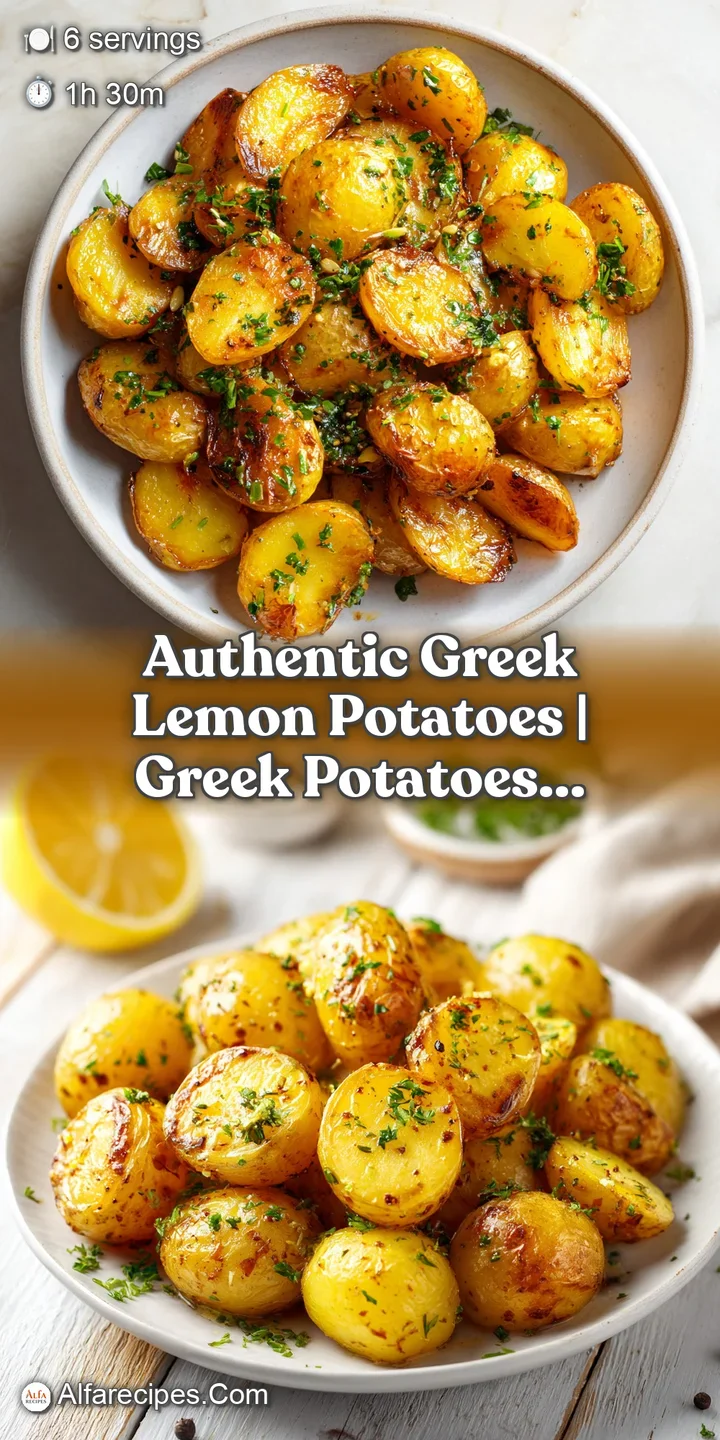
Greek Lemon Potatoes: Velvety and Crispy
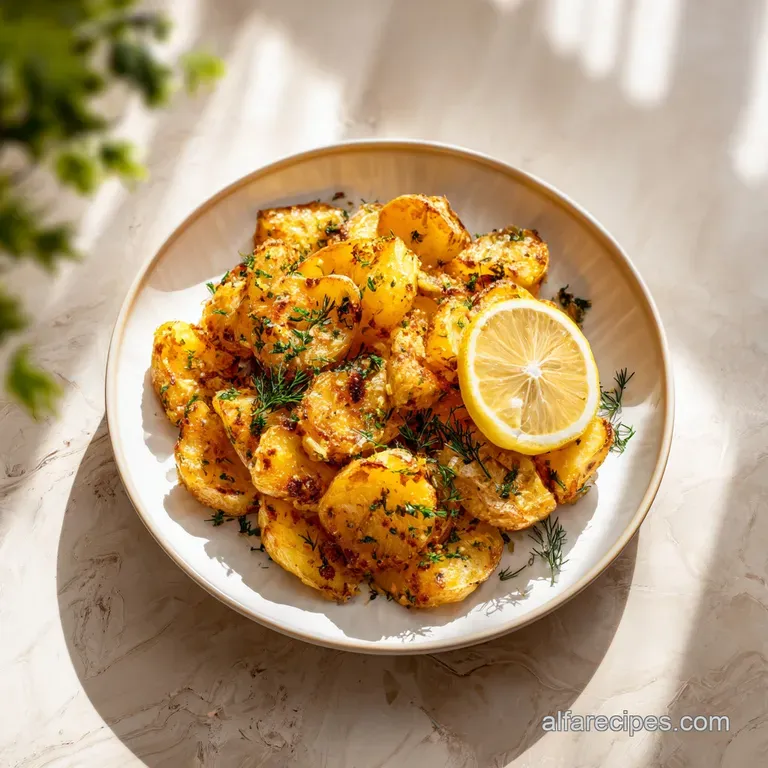
- Time: Active 15 minutes, Passive 75 minutes, Total 90 minutes
- Flavor/Texture Hook: Tangy, citrus forward, and shatter crisp edges
- Perfect for: Hearty Sunday roasts, family gatherings, or meal prep
- Authentic Greek Potatoes with Lemon and Garlic
- Reasons the Braising Liquid Method Wins
- Component Analysis for Mediterranean Flavors
- Gathering the Essential Mediterranean Pantry
- The Tools for Crispy Success
- Step-by-Step Path to Golden Perfection
- Solving Common Roasting Pitfalls
- Smart Swaps for Your Pantry
- Myths Regarding Roasted Potatoes
- Keeping Leftovers Fresh and Tasty
- Plating Your Mediterranean Side Dish
- Very High in Sodium
- Recipe FAQs
- 📝 Recipe Card
Authentic Greek Potatoes with Lemon and Garlic
The aroma of roasting lemon and dried oregano hitting a hot pan is something that stays with you long after the meal is over. I remember sitting at a crowded table in a small village outside of Nafplio, where the "side dish" of potatoes arrived in a heavy tin tray, swimming in a pool of gold flecked oil and bright citrus juices.
They weren't just salty; they were deeply infused with the soul of the landscape. Every bite was a contrast between the soft, melt in-the mouth center and those dark, mahogany corners where the sugars from the lemon had caramelized against the metal pan.
We often think of roasted vegetables as something you just toss in oil and shove in the oven, but these Greek Potatoes require a bit more of a relationship with the liquid. You aren't just roasting them; you are essentially poaching them in a flavorful bath until they are tender, then letting the physics of evaporation take over to finish the job.
It is a slow process that rewards patience with a texture that no quick fry method can ever replicate. If you've ever felt that roasted potatoes are too dry or lack flavor deep inside the starch, this is the method that will change your mind.
In my own kitchen, I've found that the secret isn't just the ingredients but the timing of the transition. We want the kitchen to smell like a citrus grove and a garlic farm simultaneously.
This dish is about the "no fuss" beauty of Greek home cooking, where simple pantry staples like dried oregano and good olive oil do the heavy lifting. We are aiming for a result that feels hearty and comforting, something that anchors a big family dinner and makes everyone reach for the last crispy bit stuck to the bottom of the roasting pan.
Reasons the Braising Liquid Method Wins
The success of this dish relies on the transition from a wet environment to a dry one. Most people make the mistake of just oiling their potatoes, which leads to a crispy outside but a bland, often tough interior.
By starting with 1.5 cups of chicken stock and 0.5 cup of lemon juice, we create a flavored steam room for the Yukon Golds.
- Starch Hydration: The potatoes absorb the seasoned stock as they heat up, seasoning the starch all the way to the core rather than just on the surface.
- Pectin Stability: The acidity from the 0.5 cup of lemon juice helps the potato wedges maintain their shape during the long 75 minutes of cooking, preventing them from turning into mashed potatoes.
- Automatic Frying: As the water in the broth evaporates around the 60 minute mark, the 0.5 cup of olive oil stays behind, reaching a much higher temperature to crisp the skins.
- Flavor Concentration: Since the liquid reduces significantly, the garlic and oregano flavors become intensely concentrated and stick to the potatoes like a savory glaze.
| Cooking Method | Total Time | Resulting Texture | Best For |
|---|---|---|---|
| Traditional Oven Roast | 90 minutes | Creamy interior, caramelized edges | Authentic Sunday dinner |
| Air Fryer Version | 25 minutes | Very crispy, slightly drier center | Quick weeknight side |
| Slow Cooker Braise | 4 hours | Extremely soft, no crispy edges | Set it and forget it |
When you are looking for that classic Mediterranean finish, the oven is truly the only way to get that specific mahogany color. If you are looking for a more classic steakhouse texture without the lemon braise, my Baked Potatoes recipe uses a different starch strategy that works well for simpler meals. However, for a dish with this much personality, the slow reduction of the lemon broth is non negotiable.
Component Analysis for Mediterranean Flavors
Understanding your ingredients is the first step toward kitchen confidence. We aren't just throwing things in a pan; we are selecting components that play specific roles in the final texture and taste profile.
| Ingredient | Science Role | Pro Secret |
|---|---|---|
| Yukon Gold Potatoes | Medium starch content holds shape while staying buttery | Don't use Russets; they fall apart in the acidic broth |
| Extra Virgin Olive Oil | Heat conductor and flavor carrier for the oregano | Use a robust oil; the flavor survives the 400°F heat |
| Fresh Lemon Juice | pH balancer that prevents the starch from over softening | Always use fresh; bottled juice lacks the bright enzymes |
| Dried Greek Oregano | Heat stable aromatic that releases oils slowly | Rub it between your palms to "wake up" the oils before adding |
The interaction between the fat and the acid is what makes Greek Potatoes so addictive. The fat coats the tongue, and the acid cuts through that richness, making you want to go back for another bite immediately.
It is a balance we see across all Mediterranean cooking, designed to make hearty food feel bright and energized.
Gathering the Essential Mediterranean Pantry
To get these exactly right, you need to stick to the specific quantities provided. This isn't a place for low-fat substitutes or shortcuts. We want the full richness of the sheep's milk feta and the depth of a good chicken stock.
- 3 lbs Yukon Gold potatoes: Peeled and cut into thick, uniform wedges.
- 0.5 cup extra virgin olive oil: This provides the "fry" at the end of the roast.
- 1.5 cups chicken stock: This is our primary braising liquid.
- 0.5 cup freshly squeezed lemon juice: For that signature Greek tang.
- 6 cloves garlic: Minced finely to distribute through the emulsion.
- 2 tbsp dried Greek oregano: The heart of the herb profile.
- 1 tsp sea salt: To enhance the natural potato sugars.
- 0.5 tsp freshly cracked black pepper: For a subtle, woody heat.
- 0.5 cup sheep’s milk feta: Crumbled for the final salty punch. Why this? Sheep's milk feta is tangier and holds its shape better than cow's milk versions.
- 2 tbsp fresh flat leaf parsley: Finely chopped for a hit of green freshness.
If you find yourself missing an ingredient, don't panic. There are ways to adapt without losing the spirit of the dish.
| Original Ingredient | Substitute | Why It Works |
|---|---|---|
| Chicken Stock | Vegetable Broth | Maintains the savory depth while making the dish vegetarian |
| Yukon Gold Potatoes | Red Bliss Potatoes | Similar waxy texture that won't disintegrate during the braise |
| Dried Oregano | Dried Marjoram | Offers a similar floral, herbaceous note if oregano is unavailable |
These potatoes go beautifully alongside a Recipe for 9 Servings for a full Mediterranean feast. The savory meat pie and the tangy potatoes create a crowded table feel that is perfect for real life celebrations.
The Tools for Crispy Success
You don't need a kitchen full of gadgets, but the right roasting pan makes a massive difference. You want something with high enough sides to hold the liquid but enough surface area so the potatoes aren't piled three layers deep.
- 9x13 inch heavy duty roasting pan: Metal or ceramic works best. Avoid thin glass if possible, as it doesn't conduct heat as evenly for the final frying stage.
- Sharp Chef's knife: For clean, uniform wedges. Uniformity is key so they all finish at the same time.
- Medium mixing bowl: To whisk your liquid emulsion.
- Whisk or fork: To combine the oil and stock temporarily.
- Vegetable peeler: To remove the skins and allow the liquid to penetrate the starch.
Chef's Tip: If you have a cast iron roasting pan, use it. The heat retention of cast iron helps the bottom of the potatoes get that incredible "shatter" crunch that is the hallmark of a great Greek potato.
step-by-step Path to Golden Perfection
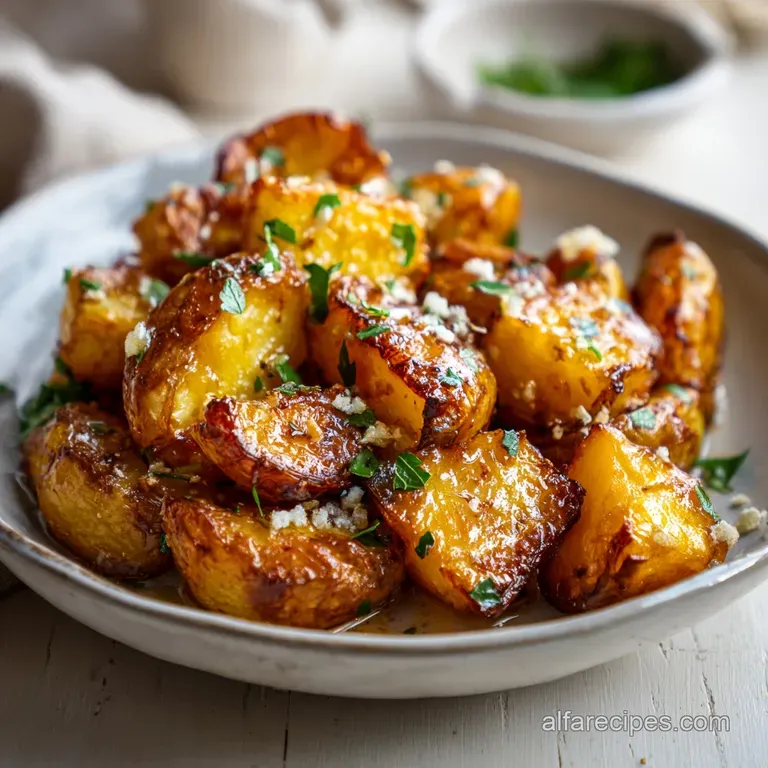
- Heat your oven: Preheat to 400°F (200°C). This high temperature is necessary to ensure the liquid boils quickly and the frying happens efficiently at the end.
- Prepare the wedges: Peel the 3 lbs of Yukon Gold potatoes. Slice them lengthwise into thick, uniform wedges. Aim for about 6 wedges per potato so they are substantial enough to survive the 75 minute cook.
- Mix the emulsion: In your mixing bowl, whisk together the 0.5 cup olive oil, 1.5 cups chicken stock, 0.5 cup lemon juice, 6 minced garlic cloves, 2 tbsp dried oregano, 1 tsp sea salt, and 0.5 tsp pepper. Whisk vigorously until the oil and stock are temporarily combined.
- Arrange the pan: Place the potato wedges in a single layer in the 9x13 inch roasting pan. Don't worry if they touch, but try not to overlap them too much.
- Add the liquid: Pour the whisked emulsion over the potatoes. Use your hands or a spoon to make sure every single wedge is coated in the oil and herbs.
- The first roast phase: Place the pan in the oven for 60 minutes. During this time, the potatoes are braising. The liquid will bubble and the kitchen will start to smell incredible.
- The evaporation check: After 60 minutes, look at the pan. Most of the stock and lemon juice should be gone. If there is still a lot of watery liquid, give it another 5 to 10 minutes.
- The crisping phase: During the final 15 minutes, the remaining 0.5 cup of olive oil will begin to sizzle. This is when the potatoes turn from "cooked" to "caramelized."
- Visual check: Remove the pan once the edges are golden brown and slightly mahogany. The liquid should be almost entirely gone, leaving only a thin layer of flavorful oil.
- The garnish: Immediately sprinkle the 0.5 cup of crumbled feta and 2 tbsp of fresh parsley over the hot potatoes. The feta will soften slightly but shouldn't completely melt.
Solving Common Roasting Pitfalls
Even with a no fuss recipe, things can go sideways if the heat or liquid levels aren't quite right. The most common issue people face is either "soggy" potatoes or "burnt" garlic.
Preventing Soggy Bottoms
If your potatoes come out soft but not crispy, the liquid didn't evaporate fast enough. This often happens if the pan is too small and the potatoes are crowded. When they are piled up, they steam each other rather than frying in the oil. Ensure you use a large enough pan to keep them in a mostly single layer.
If you see too much liquid at the 60 minute mark, carefully drain a few tablespoons out or turn the oven up to 425°F for the final stretch.
Managing Excessive Char
Because of the lemon juice sugars and the garlic, the edges can go from "perfectly mahogany" to "burnt" very quickly in the last 10 minutes. Keep a close eye on the pan. If the garlic looks like it is turning black, move the pan to a lower rack in the oven.
The goal is a deep brown color, not a charred black one.
| Problem | Root Cause | Solution |
|---|---|---|
| Tough centers | Oven was too hot too fast | Ensure you use the full 1.5 cups of stock for the braise |
| Bitter flavor | Burnt garlic or too much zest | Mince garlic finely so it stays in the oil, not on top |
| Potatoes falling apart | Used Russets or over stirred | Switch to Yukon Golds and don't touch them during the roast |
Common Mistakes Checklist
- ✓ Patting the potatoes dry isn't necessary here, as we are adding liquid anyway.
- ✓ Don't skip the peeling; the skin blocks the absorption of the lemon broth.
- ✓ Ensure the oven is fully preheated to 400°F before the pan goes in.
- ✓ Use the exact 0.5 cup of oil; reducing the fat will prevent the crispy finish.
- ✓ Leave the potatoes alone during the first 60 minutes to prevent breaking the wedges.
Smart Swaps for Your Pantry
Scaling this recipe is straightforward, but you have to be careful with the liquid to starch ratio. If you are cooking for a larger crowd, it is better to use two separate roasting pans than to double up in one.
- Scaling Up (12 servings): Use 6 lbs of potatoes and two 9x13 pans. Rotate the pans between the top and bottom racks halfway through the 75 minute cook time to ensure even browning.
- Scaling Down (3 servings): Half all ingredients. You can use a smaller 8x8 square pan, but keep the cook time roughly the same. Watch the liquid levels at 45 minutes, as smaller amounts of broth evaporate faster.
- The Spice Factor: If you want a bit of a kick, add a teaspoon of dried red chili flakes to the emulsion. It isn't traditional, but it works beautifully with the feta.
If you are looking for a different potato vibe for a smaller crowd, my Dill Pickle Smashed Potatoes offer a similarly tangy profile but with a much faster cook time in the air fryer. They are a great alternative when you don't have 90 minutes to wait for the oven.
Myths Regarding Roasted Potatoes
One major misconception is that you must par boil potatoes before roasting to get them soft. In this recipe, the 60 minute braise is the boiling phase. By doing it in the oven with the stock and oil, you save a pot and infuse more flavor than plain water ever could.
Another myth is that fresh oregano is always better. In the Mediterranean heat, fresh oregano can often turn bitter when roasted for long periods. The dried version is more concentrated and "woody," allowing it to stand up to the high heat and the long 75 minute duration without losing its punch.
Keeping Leftovers Fresh and Tasty
Store any leftovers in an airtight container in the fridge for up to 4 days. While they will lose their initial "shatter" crunch, the flavor actually deepens overnight as the lemon and garlic continue to soak into the starch.
To reheat, avoid the microwave as it will make them rubbery. Instead, toss them back into a hot skillet with a tiny splash of olive oil for 5 minutes. This will re crisp the edges and warm the center.
For a zero waste tip, any leftover wedges are incredible when chopped up and used as the base for a breakfast hash. Fry them with some onions and top with a fried egg the lemon and feta flavor profile makes for the best morning after breakfast you've ever had.
Plating Your Mediterranean Side Dish
The best way to serve these is straight from the roasting pan, but if you want to be fancy, transfer them to a wide, shallow platter. This prevents them from steaming each other and keeps those edges crispy.
Elevating with Feta and Herbs
Don't be shy with the garnish. The contrast of the cold, salty feta against the piping hot, citrusy potatoes is what makes this dish feel like a restaurant meal. I like to add an extra crack of black pepper right at the end.
The Pour Over Finish
If there is any flavored oil left in the bottom of the roasting pan, drizzle it over the potatoes after plating. That oil is liquid gold it contains all the rendered garlic bits and the concentrated essence of the oregano. It’s the kind of hearty, real life cooking that brings everyone to the table.
These are meant to be shared, eaten with your hands if you're among friends, and enjoyed while they are still sizzling.
Very High in Sodium
985 mg of sodium (43% of daily value)
The American Heart Association recommends limiting sodium intake to no more than 2,300mg per day, with an ideal limit of less than 1,500mg for most adults.
Tips to Reduce Sodium
-
Choose Low-Sodium Chicken Stock-30%
Replace the 1.5 cups of regular chicken stock with low-sodium or no-salt added chicken stock. This is the most significant source of sodium in this recipe.
-
Halve the Added Salt-25%
Reduce the 1 tsp of sea salt to 0.5 tsp. You can always add a pinch more at the table if needed, but this change will significantly cut down on sodium.
-
Use Less Feta Cheese-15%
Reduce the 0.5 cup of sheep’s milk feta to 0.25 cup. Feta is a salty cheese, and a smaller amount will still provide flavor without as much sodium.
-
Boost Flavor with Herbs and Spices
Focus on using the 2 tbsp of dried Greek oregano, 0.5 tsp of black pepper, and 2 tbsp of fresh flat leaf parsley. Consider adding other unsalted seasonings like garlic powder (in addition to fresh), onion powder, or paprika to enhance taste.
Recipe FAQs
What is the secret ingredient in Greek potatoes?
The secret is the liquid emulsion. Whisking the chicken stock, lemon juice, and olive oil together before roasting creates a flavorful braising liquid that softens the starch while ensuring a rich, caramelized finish.
What are Greek roasted potatoes called?
They are traditionally known as Patates Lemonates. These are a staple dish in Greek households, prized for their signature tender interior and golden, crispy edges.
What's the secret to the best Greek potatoes?
Patience during the final 15 minutes of roasting is key. By allowing the chicken stock to evaporate completely, you ensure the potatoes fry in the remaining olive oil rather than just steaming, which is the same one-pot starch management technique used to achieve fluffy textures in other classic comfort dishes.
What potatoes are used in Greek food?
Yukon Gold potatoes are the standard choice. Their medium starch content allows them to hold their shape during the 75-minute roasting process while absorbing the lemon and garlic broth.
How to ensure the potatoes don't stick to the pan?
Use a heavy duty roasting pan and leave them undisturbed for the first 60 minutes. Touching the wedges too early causes them to break, so only move them once the liquid has evaporated and the crust has formed.
How to get the perfect mahogany crust on the edges?
Monitor the liquid levels closely during the final 15 minutes of the 75-minute total cook time. The potatoes need to be sitting in just the olive oil once the stock has evaporated to achieve that deep, golden brown color.
Is it true I should parboil the potatoes before roasting?
No, this is a common misconception. Because these potatoes braise in chicken stock at 400°F for an hour, parboiling them first would cause the wedges to fall apart and lose their structural integrity.
Authentic Greek Lemon Potatoes
Ingredients:
Instructions:
Nutrition Facts:
| Calories | 403 kcal |
|---|---|
| Protein | 8.3 g |
| Fat | 21.8 g |
| Carbs | 44.2 g |
| Fiber | 5.2 g |
| Sugar | 2.1 g |
| Sodium | 985 mg |
