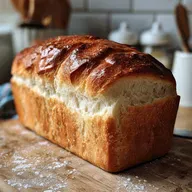
Stand Mixer Recipe with White Bread Dough
Using a stand mixer ensures the dough develops the necessary elasticity for a smooth, consistent crumb. This recipe yields a classic white loaf that holds up well for sandwiches.
stand mixer method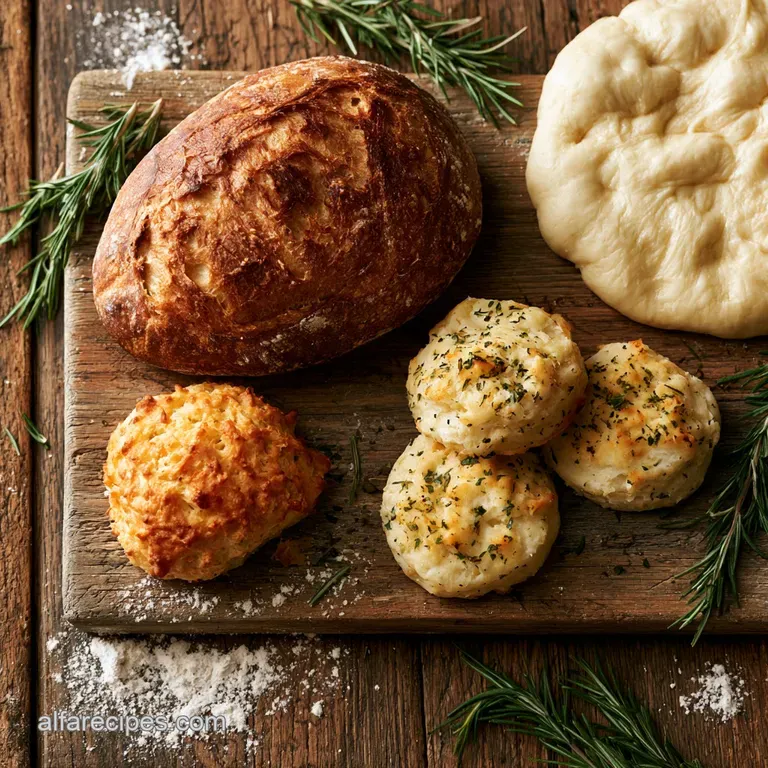
Homemade bread fills a kitchen with a specific scent that store-bought loaves cannot replicate. It is a fundamental skill that turns simple pantry staples like flour, water, and yeast into anything from a crispy pizza base to a soft sandwich loaf.
Whether you are a beginner looking for a simple shortcut or a patient baker ready for a long ferment, these recipes provide reliable results.
This collection offers paths for every schedule and skill level. We have included long-fermented doughs that develop deep flavor over 24 hours, along with quick seasoned sides that utilize refrigerated or frozen bases to save time.
Each recipe focuses on clear methods that ensure your kitchen produces warm, fresh results without the need for specialized equipment or advanced training.
These recipes rely on yeast to create a structured crumb and traditional flavor profile. Whether you prefer the physical process of using a stand mixer for a consistent loaf or a hands-off no-knead approach for pizza, these options provide a reliable foundation for home baking.
Using a stand mixer ensures the dough develops the necessary elasticity for a smooth, consistent crumb. This recipe yields a classic white loaf that holds up well for sandwiches.
stand mixer methodThis cold-ferment dough develops significant flavor over time with minimal physical effort. It is a reliable choice for anyone wanting a professional-style pizza crust at home without complex techniques.
no-knead methodUtilizing pre-made dough bases allows for fresh-baked results without the long rising times typically required for homemade yeast doughs. These recipes are ideal for busy evenings when you want a savory, seasoned side dish on the table in 30 minutes or less.
Starting with a frozen base saves hours of prep while still providing the texture of fresh-baked dough. It is a practical solution for turning frozen staples into seasoned, pull-apart rolls.
ready in 30 minutesGarlic and herbs transform standard refrigerated biscuits into a savory side that pairs perfectly with soups or stews. These flaky layers are achieved with almost zero hands-on time.
garlic herb seasoning| # | Recipes | Best For | Time | Difficulty | Texture | Rise Time |
|---|---|---|---|---|---|---|
| 1 | Stand Mixer Recipe with White Bread | daily sandwich bread | 20 min active / 3 hr total | Intermediate | soft | 2.5 hr rise |
| 2 | easy no knead homemade pizza dough | thin crust pizza | 15 min active / 24 hr total | Easy | chewy | 24 hr cold ferment |
| 3 | Rhodes Frozen Bread Dough | crowd appetizers | 30 min | Easy | crispy | none |
| 4 | Can Biscuit Recipe with Garlic and Herbs | savory breakfast | 25 min | Beginner | flaky | none |
Discover more curated recipe collections
Explore more recipe collections →